
‘History is the best guide to the future we’ve got’ – Murray Pittock on Scottish Identity
Louis D. Hall talks to Professor Murray Pittock about the challenges he confronted while writing 'The Shortest History of Scotland'


Louis D. Hall talks to Murray Pittock, author of The Shortest History of Scotland, about the rich history of their homeland and the challenges created by its divisive politics.
Words by Louis D. Hall

For many the word ‘Scotland’ conjures immediate images: people in kilts, bottles of whisky, the misty Highlands, a scene from Braveheart perhaps, flinging arms at a candlelit ceilidh. To others Scotland’s image is synonymous with the Scottish National Party’s (SNP) vote to gain independence, a vote that has since been politicised as an underdog's fight for justice, a break from oppression, a cry for ‘freedom’.
Both this tartan Romanticism, however, and the country’s ongoing political divisions, do little to uncover the extraordinary depth and global reach of the nation’s history. One of the country’s most accomplished historians, and the award-winning author of Scotland: The Global History (2022), Murray Pittock has produced a new study that puts an end to this ‘two-dimensional’ facade with ‘the most concise and readable history of Scotland’ in recent times.
In the 205 pages of The Shortest History of Scotland, Pittock sharply reinvestigates the rich and complex story of an ancient land that has both been formed by the changing nations that surround it, while shaping the world beyond. ‘I wanted to write a book so people could get some sort of a sense of how Scotland’s past both played into its existence and the journey towards its present’, Pittock tells me.
The Shortest History of Scotland is not only a myth-busting re-evaluation of the nation’s history, but a witty and accessible work that feels urgently relevant. ‘The world is a dangerous place,’ states Pittock, ‘and ignorance will not make it safer.’
A decade or so ago, the people of Scotland confronted a choice. Agreed by a Conservative Westminster government in the hope of a straightforward result, and proposed by the SNP with a dream of irrevocable change, a referendum on whether or not Scotland should remain part of the United Kingdom was held on 18 September 2014. With a majority of 55.3%, voters decided to stick with the UK – a union that has now lasted (for better and for worse) since 1707.
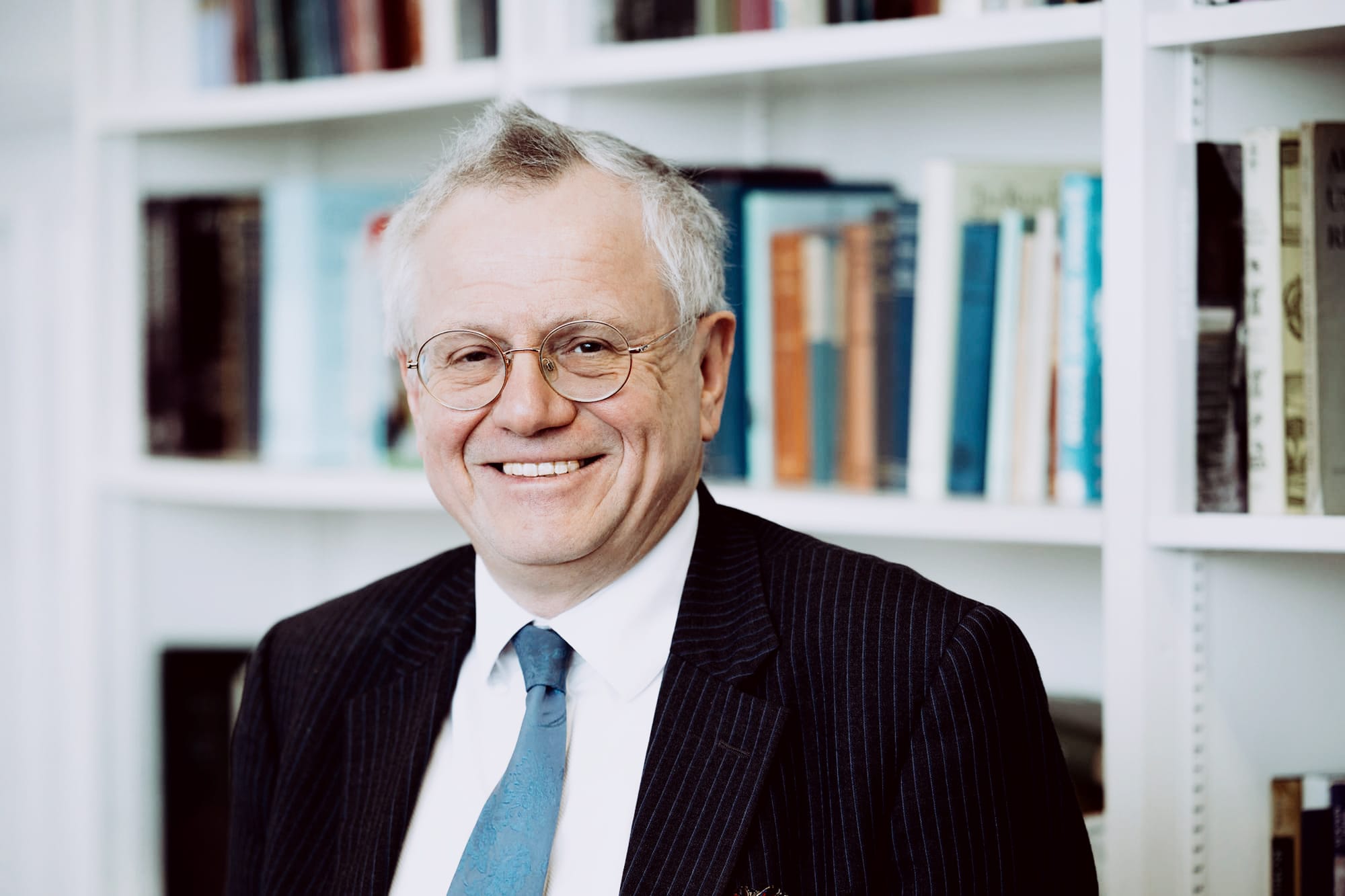
Yet what was meant to be a once in a generation question has retained a central place in the country’s domestic and global profile ever since. But is this the only version of Scotland that exists today: a brave tartan nation struggling for its independence? Pittock would suggest otherwise. ‘You think Scottish Unionism is all around you,’ he says, ‘but actually the case for Scotland as a distinctive country within the Union has more or less disappeared from political discourse.’
From the outset of The Shortest History of Scotland, Pittock is keen to detail a country with an urge to explore and create, honed by people, places, and events that reach far beyond the walls of Holyrood or Westminster, or even the borders of Great Britain and Europe. It is this level of detail and reinvestigation that grips the reader, with Pittock offering a rejuvenated version of Scotland, unshackled from laboured accounts.
‘My own fundamental trajectory as a historian is a frame breaker … I want to break narratives that are sustained by repetition, not evidence.’ With this focus on maintaining a fair, balanced, and thorough view of Scotland's past, the book gains a real sense of calm authority.
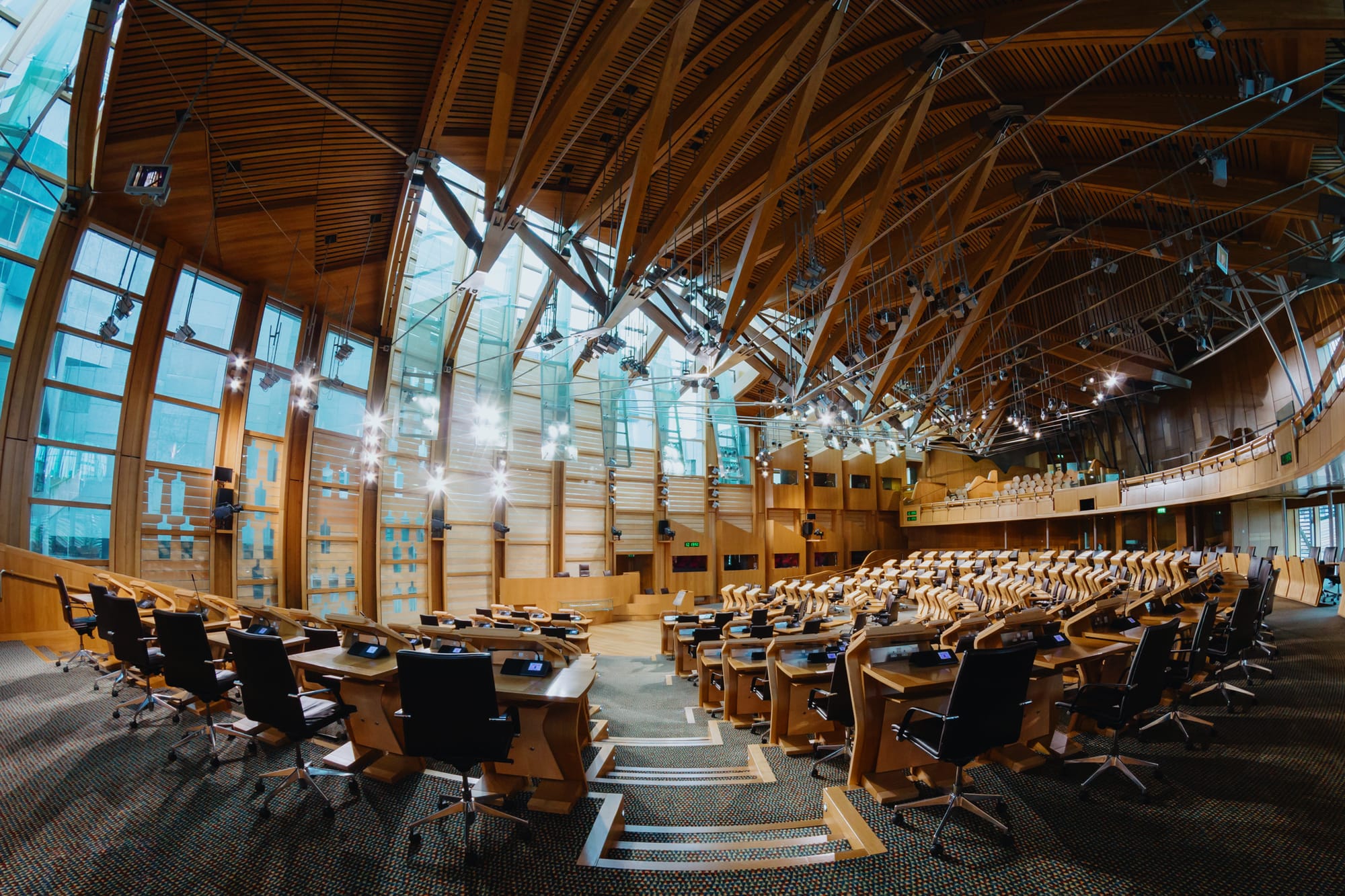
In his professional experience, Pittock has observed a growing international interest in Scotland, an intrigue that helped prompt the writing of the book. ‘I think people want to know about history today because they feel they are in the midst of it.’ He warns, however, there is a risk in how this interest is met. ‘There are only two significant histories of Scotland in the last 25 years, one is by Neil Oliver, and the other by Fiona Watson. The latter is superior. Everything else fails to deliver.’
Beyond literature, the increased means of listening or viewing unchecked information ‘is a point of real concern’ for Pittock. Leaving aside for a moment the information presented online, even taking the TV presenter’s word for it, or listening to two or three self-proclaimed experts conversing on a popular podcast is a ‘bothering model and a source of a lot of ignorance.’
Ironically, of course, it is this same ignorance that gives The Shortest History of Scotland its relevance. In education, too, Pittock points out, delving into pre-Jacobite history in universities and schools is still wrongly regarded as ‘parochial.’ And even if students ‘run the course’ and delve into pre-eighteenth century Scotland, ‘the Curriculum for Excellence has a large amount of teacher discretion built into it, and so it is hard to know who is teaching what.’
It seems the two-sided, limited version of Scotland’s story still sells better than more informed accounts. But if people really feel they are living in the midst of change, then knowing our history is ‘extremely important,’ insists Pittock. Particularly when it comes to leaders of today and the future, ‘we are seeing political decisions of enormous moment being taken by people who think that they don’t need to know any history. This has been getting steadily worse for the last 40 years but history is the best guide to the future we’ve got.’
As the current Bradley Professor of Literature at the University of Glasgow, former chair of the Governance Board of the Scottish Council on Global Affairs, and previous lecturer at Stanford, Yale, Columbia, Berkeley and Trinity College Dublin, it is safe to suggest that for Pittock, none of the research that he undertook for this book was shockingly new.
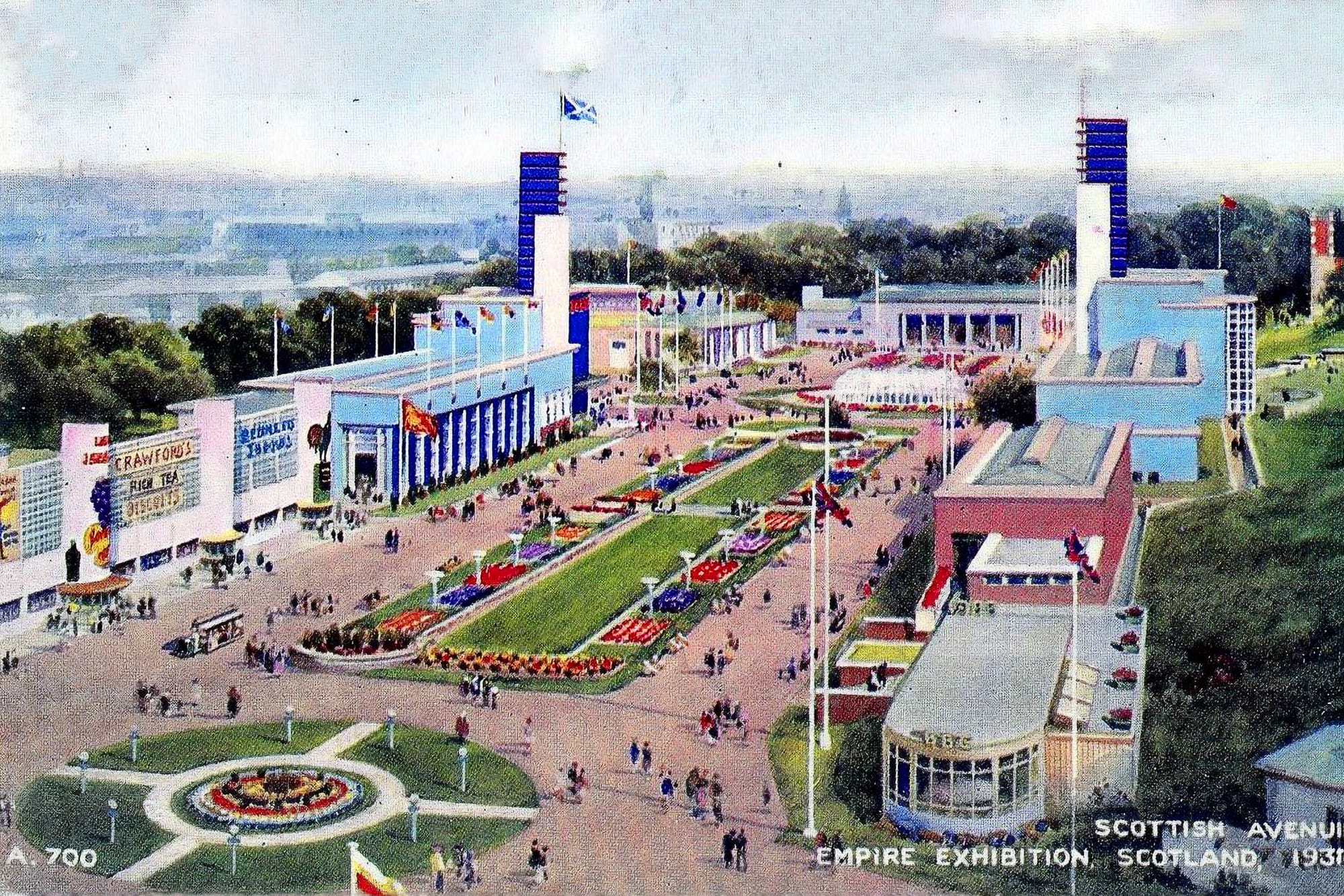
What he did notice, however, were events that now hold a renewed significance. In the book he compares the 1938 Empire Exhibition in Glasgow with the 1951 Festival of Britain. ‘In the former, Scotland with Britain, is everywhere,’ said Pittock. ‘But the idea of Scotland as a participant nation in the Empire has completely disappeared in just 13 years, and that’s one of the major drivers for the Union no longer working.’
He suggests that the idea of Britishness morphed into something new after the Second World War and then hardened further this century – something that has impacted Scotland, Europe and the international community ever since. When asked what element of the Scottish story Pittock found most pressing to relay in this book today, he said ‘I want to make it clear how important external relations are to Scotland, and to any country, in its making.’
📚 Previews
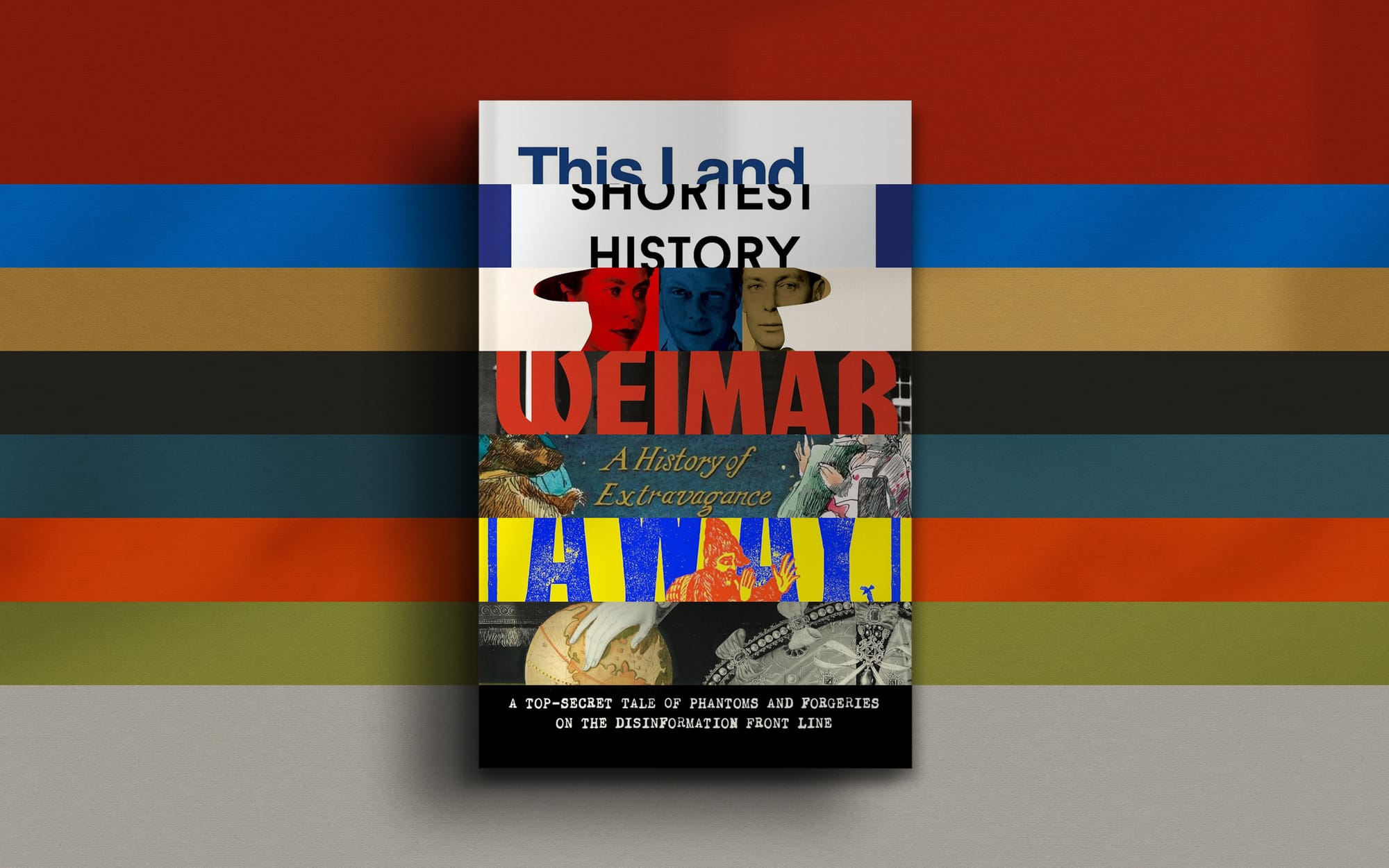
The Shortest History of Scotland by Murray Pittock features in our May 2026 previews. Find out more about the book and explore the full list
Scotland has always been a ‘Scotland and …’ country, he adds; aided by other nations, just as much as it helped shape them, and it succeeded in trade on a global scale largely because of the Union and the British Empire, ‘a relationship Scotland took full advantage of.’
As it was with many countries, Scotland’s position on the international stage dramatically changed after the First World War (not helped by Scottish combatants suffering a higher death average than any other nation in the British Empire), with vast swathes of Scots enhancing the issue by unprecedented levels of emigration, particularly between 1911–1980s. This altered Scotland’s position within the Union, reducing its international autonomy and clout – something that has caused much of the unrest and ‘directionlessness’ of today.
Pittock reflects that he has been struck by how, throughout its past, Scotland's geographical position (and often impenetrable landscape of ‘near 800-islands, waterways, boglands and mountains’) has allowed it to become ‘the oldest nation in Europe with the most stable borders.’ At the same time, this distance often means it takes on the role of restorer; ‘what with Margaret marrying Malcolm in response to the invasion of William of Normandy, Edgar Ætheling taking refuge in the Scottish court, and Perkin Warbeck taking refuge under James IV under the same basis to see if he could depose Henry VII.’
This historical relish for escape and new beginnings is a theme Pittock suggests might permeate more of the conversation today.
As well as covering the heroes, saints, villains, trade networks, and momentous events of the country’s history, The Shortest History of Scotland also contains less well-known points, such as the fact that Dreghorn in North Ayrshire is probably the oldest continuously inhabited settlement in Northern Europe.
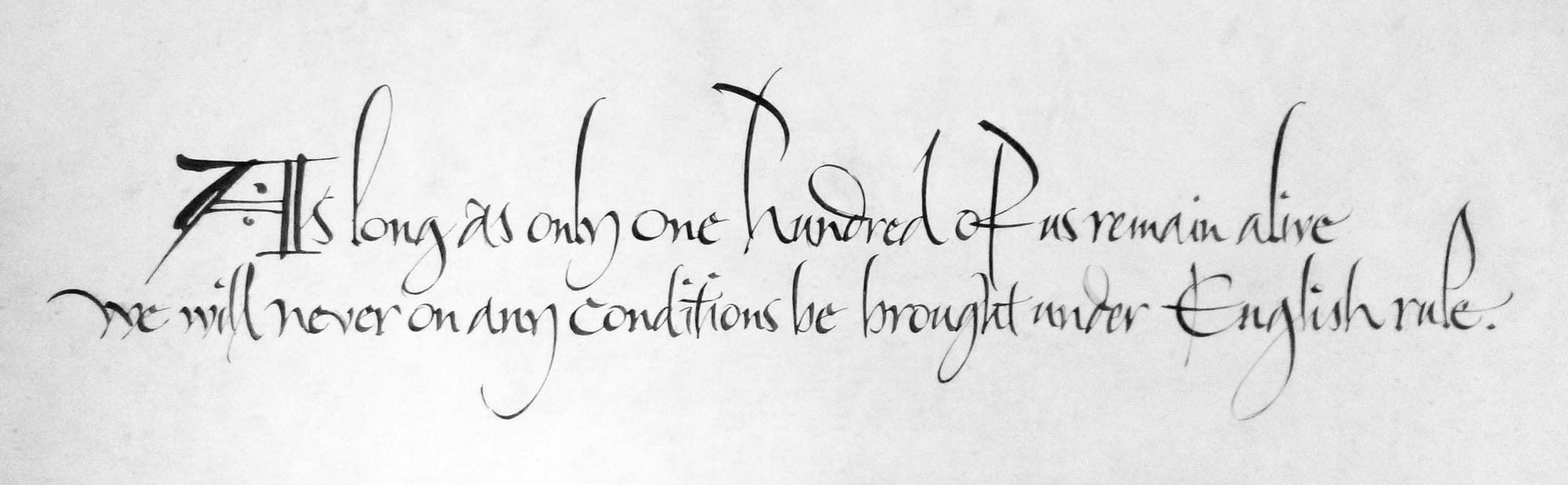
Indeed, beginning from an unnamed land some 10,000 years ago, Pittock sweeps all the way through Scotland’s timeline while still presenting specific areas of renewed importance. One of the book’s insights is the innovative and progressive nature of the 1320 Declaration of Arbroath. This letter, written by the Community of the Realm of Scotland and sent directly to Pope John XXII, explicitly connects ‘the identity of the Scottish people with the independence of their kingdom’ – justifying any fatal defence of invasion with the assertion that it was under Christ’s guidance that Robert the Bruce had ‘set them free’.
‘It’s not a document of convenience put together by a bunch of barons on an off day,’ observes Pittock, ‘it actually grew out of the result of 20 years of philosophical and clerical argument between Scottish thinkers and the leaders of Scottish society. The Declaration of Arbroath has a huge intellectual backdrop with links to previous Latin texts and Duns Scotus’s theory of politics and society which Scotus wrote in 1300.’
The artistic, intellectual, and engineering achievements that the nation was once famed for are not lost amidst the panoramic view that The Shortest History of Scotland offers. Along with household favourites such as Robert the Bruce, Alexander Graham Bell, Robert Burns, Sir Walter Scott and William Wallace, within his book Pittock makes sure to detail others that have shaped the nation’s history, despite perhaps losing recognition as time moves on.
He considers the revolutionary John Knox (1514–72), for example, the leading figure in Scotland’s Protestant Reformation. The champions of the Scottish Enlightenment, Adam Smith (1723–90) and David Hume (1711–76) are also celebrated. Smith, after all, founded modern economics and, arguably, the modern approach to history. It was Hume, meanwhile, ‘whose radically sceptical take on the possibility of absolute knowledge has never been surpassed.’
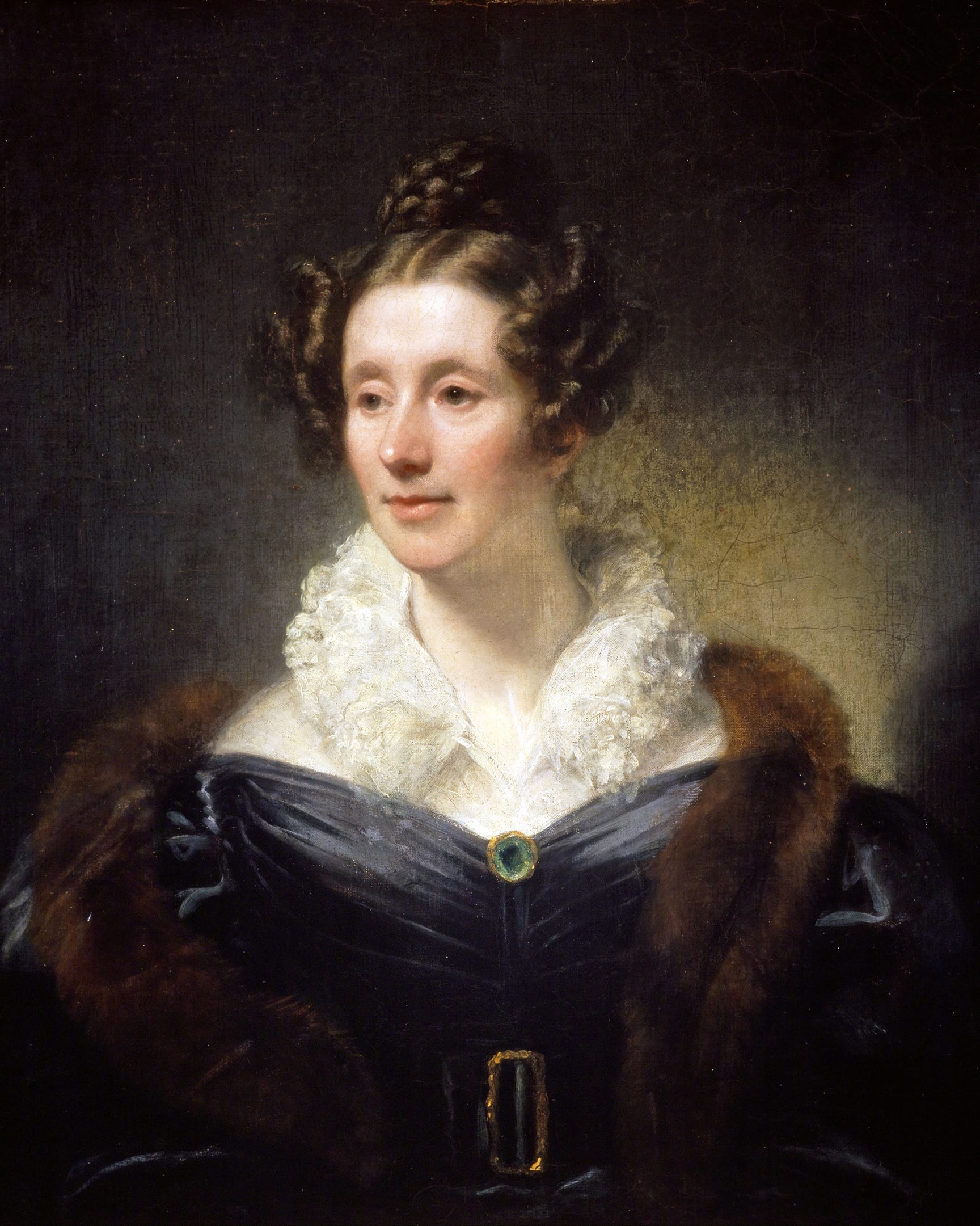
Pittock also recalls James Hutton, the founder of the science of geology, without whom Darwin’s ideas ‘would have not been impossible’, and Mary Somerville (1780–1872), a favourite of his whose legacy ‘expanded the horizon of possibilities for women all over the world’.
For Pittock, along with these individual legacies, a more abstract one, ‘Romanticised Scotland’ also needs to be harnessed. ‘It started off with the idea that huge, hairy Highlanders were scary, sexual monsters, but is now kind of tamed into this light, soft focus, romantic eroticism, which Outlander does so well with.’ The Victorian-formed brand ‘is unchallengeable,’ he continues, ‘so why not use it? Embrace the tartan tat!’ To represent the country in its fullest form, the challenge is now to accept this commercialised Scotland that the world expects ‘while including new elements of what Scotland’s really about too.’
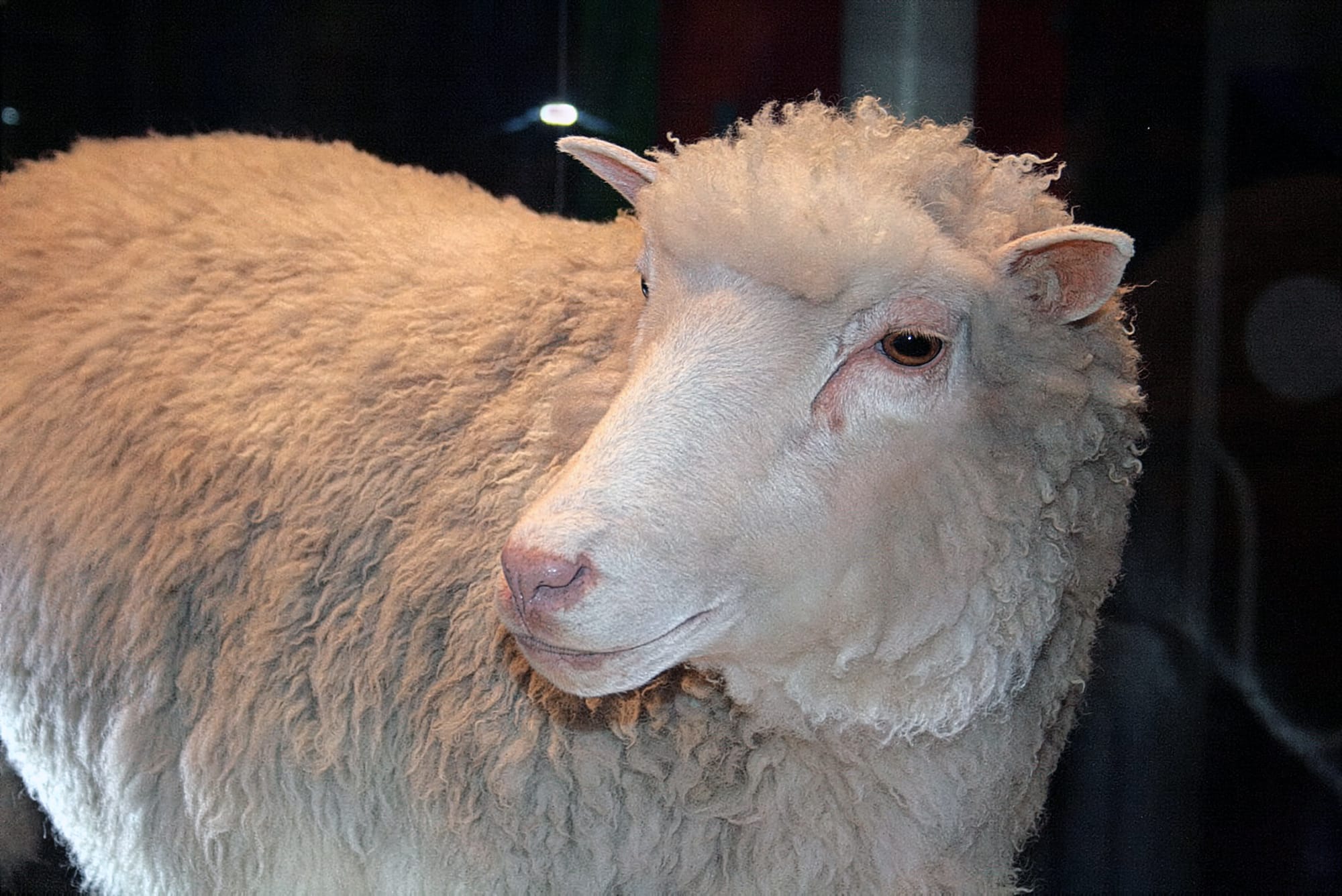
To some degree, modern Scotland is a world away from the mythical version. It is ‘a nation of space industries, Grand Theft Auto and Dolly the Sheep (on display in the National Museum of Scotland since her death in 2003.’ Following this theme, Pittock uses the examples of Glasgow being the largest current manufacturer of satellites outside the United States and Scotland’s recent presentations at the Dubai Expo, showcasing the country’s current innovations to an ‘absolutely huge’ response. ‘It had major coverage on CNN and a whole load of other networks because it was seen as so surprising.’
Listening to Pittock talk about Scotland in person is as inspiring as it is to read his book. There is no doubt that The Shortest History of Scotland is an insightful read and that, despite its modest length, fascinating new ground will be uncovered for almost all readers. From the demythologising to the enlightening, Pittock’s book serves as a reminder of how important reading history is, even if it is to renew ourselves of the facts of a country we thought we knew.
And what has his research revealed to him about today and tomorrow? ‘The stagnancy of Scotland’s politics reminds me of the shapelessness and drift of the 1950s and 1960s era, and the hostility of Scottish politics reminds me of the years of the militant Covenanters … they would have been right at home on Twitter.’
Pittock claims neutrality when it comes to the question of independence. Instead his focus lies on teaching Scottish people their history. Only then, he argues, can they comprehend its potential as a country of global reach and force that is richly conveyed through its past.
‘Acknowledging the pageantry and power of Scotland’s landscape, culture and history’, Pittock says, ‘will be a key task for a new international Scotland’ •
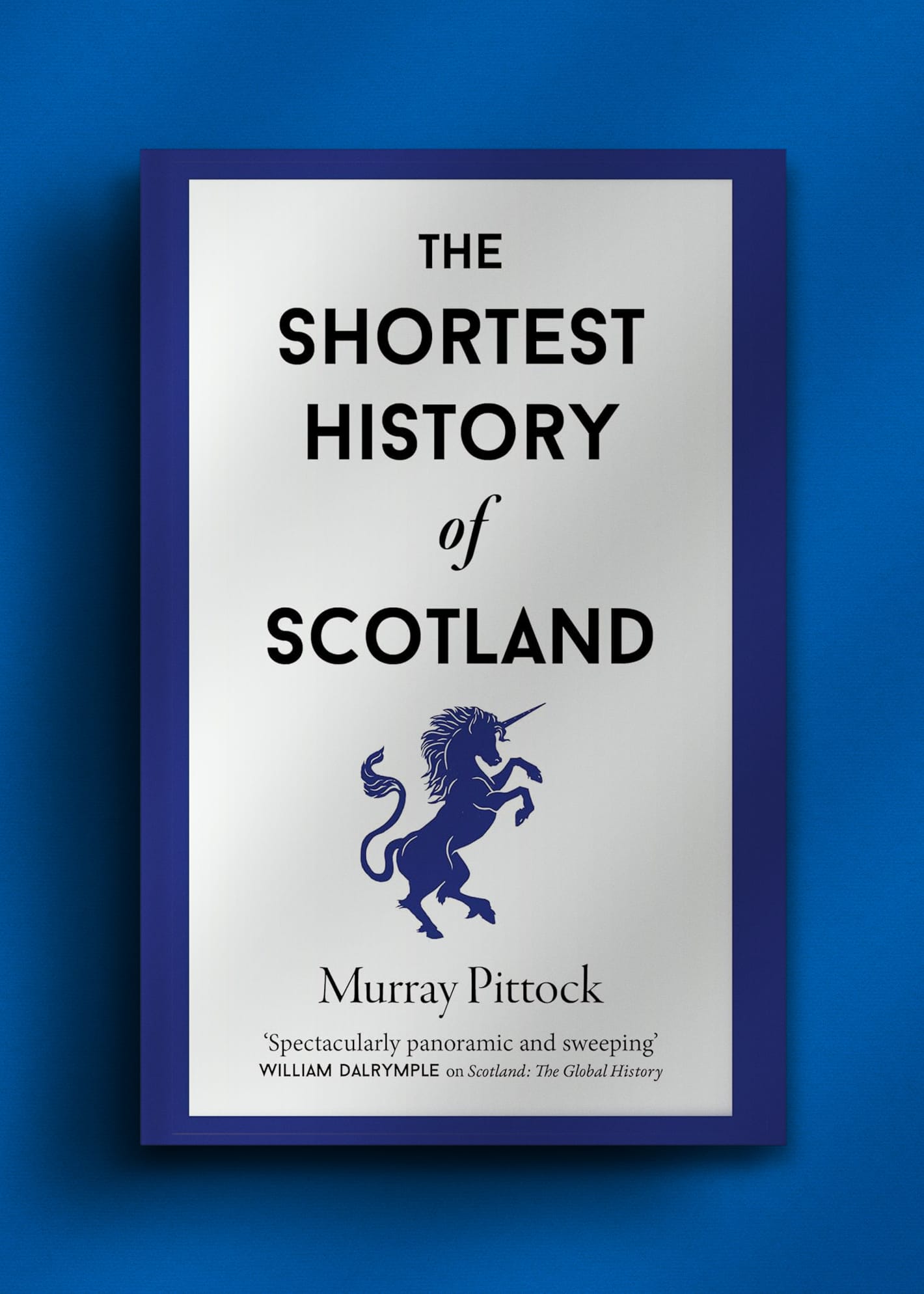
The Shortest History of Scotland by Murray Pittock
Old Street Publishing, 5 May March, 2026
RRP: £14.99 | 224 pages | ISBN: 978-1913083328
“Incisive... no matter how good AI gets, we will always need historians like Murray Pittock to help illuminate our past” – The Scotsman
From Columba to The Corries, the Picts to Paisley, Doggerland to Devolution – here is the unmissable story of Scotland.
Scotland is one of the oldest nations in Europe. Its territory remains fundamentally unchanged since the fifteenth century, and its southern border with England has barely altered since 1237.
And yet Scotland – a country with its own law, education and church – is not a state at all. In The Shortest History of Scotland, Murray Pittock argues that this very ambiguity has helped make the nation a central part of the global story.
From first tribes to Scotland’s multicultural present, Pittock unpicks the myths from the reality. He explores the glories – real and imagined – of Scottish history, from the Bruce to Balmoral, William Wallace to Walter Scott, Enlightenment to Devolution. And he asks what this rich past can tell us about what may lie ahead.
📸 Dive into our Features
🎤 Read Interviews
🎧 Listen to Podcasts
🖼️ Buy fine art prints & more at our Store


