
The Haunting Magic of Tudor Buildings
In the nineteenth century the Victorians sought to emulate the charm and beauty of the Tudor home. Jonathan Glancey, author of Where We Live, argues that we should do the same


Steep political targets are currently driving forward an intense wave of house building right across Britain. But are these new homes built with any sense of feeling or sense of place?
Jonathan Glancey, author of the new study Where We Live, argues that they are not. To improve upon the dreary designs of today, he explains, we might look for new inspiration in the magical Tudor buildings of the past.

'All Middlesex is ugly', thundered William Cobbett – farm labourer, soldier, journalist, political prisoner, politician and reformer – as he set out on one of his investigative journeys from London written up and published in 1830 as Rural Rides.
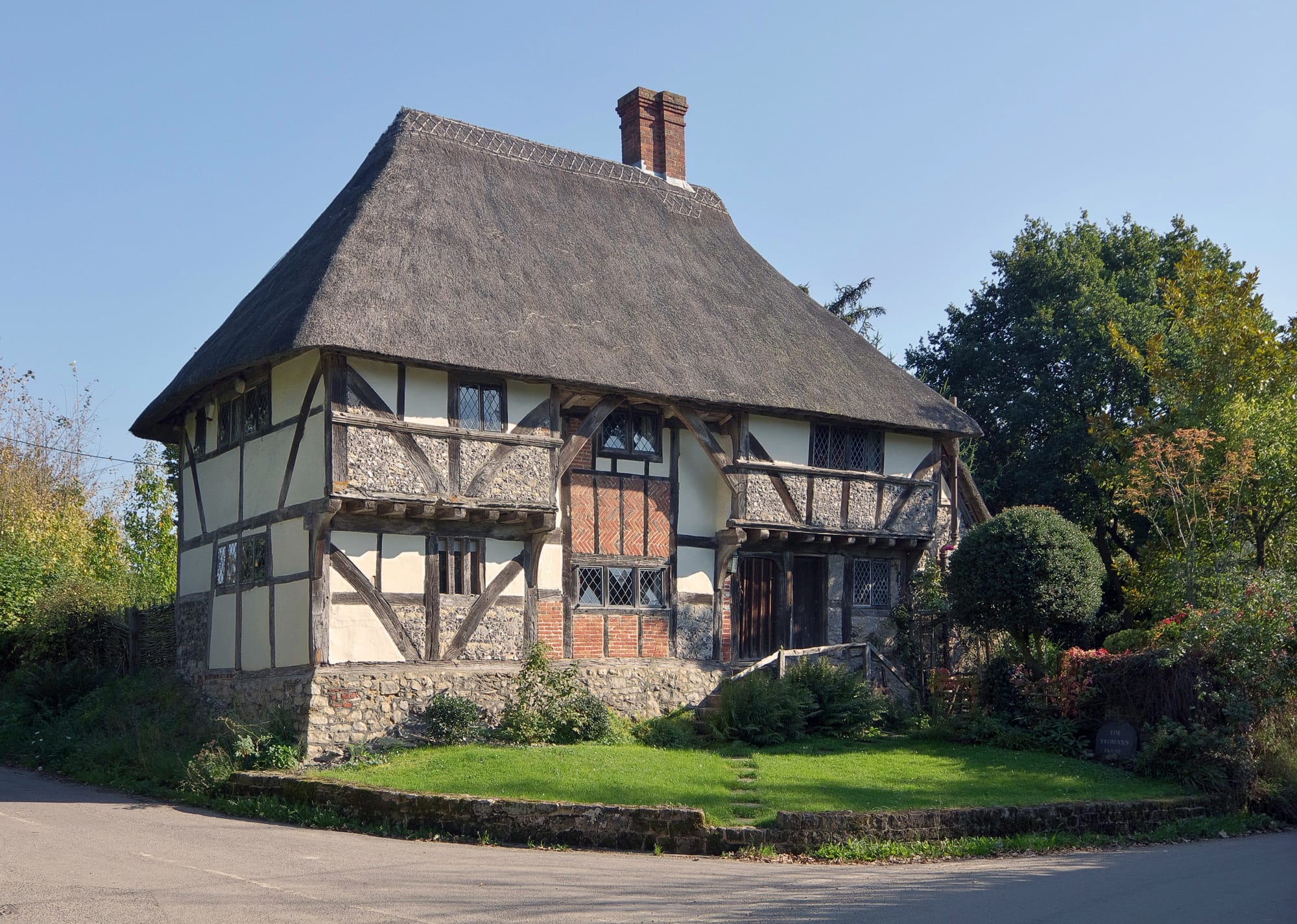
The slums of labourers aside, the ugliness Cobbett encountered included 'tax-eaters' shewy tea-garden-like boxes', or fashionable outer-suburban Regency villas. To Cobbett, such ostentatious architectural fa-las were mere 'painted shells'. They stood in contrast to the oak-framed Wealden farmhouses that had evolved from late medieval England into a form of true-blooded and unselfconscious vernacular beauty during the reigns of the Tudor monarchs.
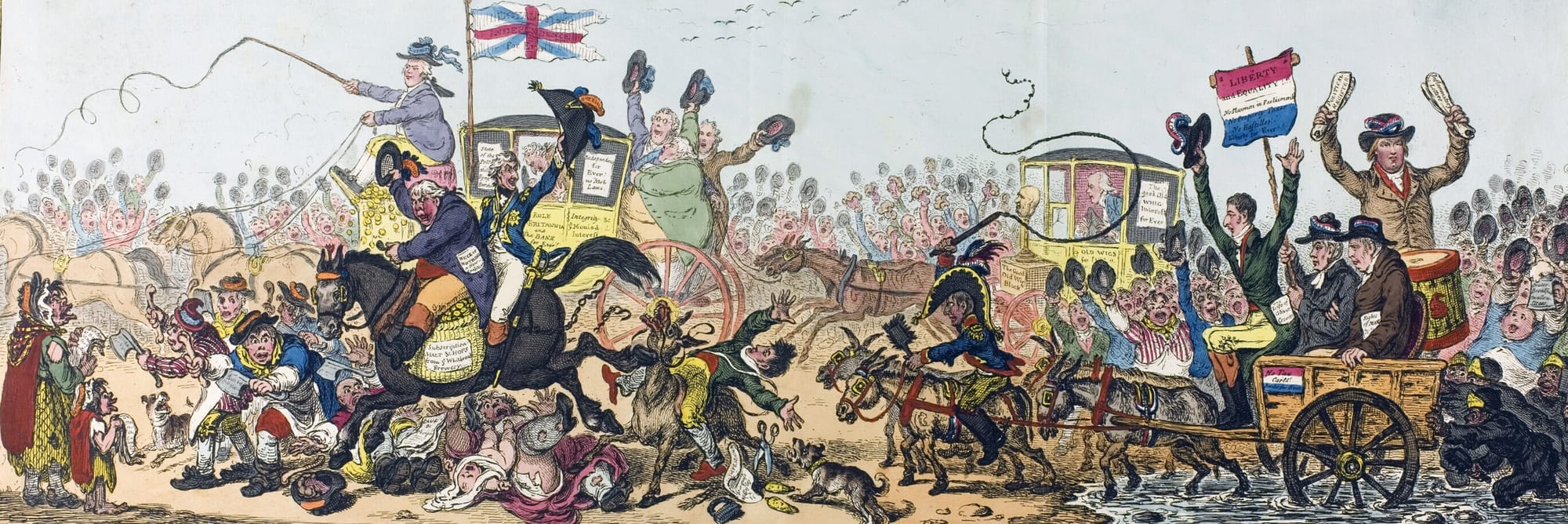
The 'tea-garden-like boxes', argued Cobbett, were built for the kind of 'frivolous idiots that were turned out from Winchester School or from any of those dens of dunces called Colleges and Universities'. Such people, with their fey sense of superiority, academic-fed abstract theories and fondness for walled, landscaped gardens, lacked practical skills and any true feeling for the land they defaced. They were, he thought, destroying rural England, its countryside, the lives of its skilled working people and its vernacular architecture.
When Cobbett wrote this in the 1820s the honest old yeomen were vanishing from rural England. These were Cobbett's heroes, the strong, independent farmers of yore, or folklore, who had nurtured the landscape that he loved over hundreds of years. Now, the common lands were mostly enclosed, and farm labourers reduced to wage slaves.
Riding through the southern counties, Cobbett witnessed changes wrought on the English countryside that were every bit as devastating as those inflicted on towns and cities in the North and Midlands by the Industrial Revolution.

It was instructive to re-read Cobbett when I set out on road trips for my book Where We Live. I found myself aghast at the sheer scale of new outer-suburban housing developments rushed up with increasing speed and insensitivity, on Green Belts newly designated 'Grey', and along the sides of country roads. Local authorities have rubber stamped such schemes the length and breadth of Britain (although most of them south of the Severn-Humber divide) in a bulldozer drive to meet over-ambitious housing targets.
This was the same horror that Cobbett had felt before me. The timber Wealden farmhouses that he loved - all chamfered oak beams, hand-made bricks, clay tiles, deep eaves, tall chimneys, flagstone floors, leaded lattice windows, inglenooks, welcoming parlours and roaring fires – had long found a place in the hearts of those who lived in and those who, from the mid-nineteenth century – sought to recreate them.
After all, while the Georgian terraces of Edinburgh, London and Bath and of towns in between were coolly refined, speaking elegantly of Enlightenment, of intellect and taste, of the spirit of Palladio and classical learning, it was the Tudor houses that really tugged at English heartstrings.
These houses belonged to specific places and landscapes, and they appeared to have grown from the land they were rooted in like the very oaks from which they were crafted. Cherished today, like old master paintings or vintage Bentleys, these houses continue to haunt the English imagination from the Welsh borders to the Kentish Weald.
The quest by Victorian architects and their clients for such romantic 'Old English' houses stemmed in large part from a desire by those who could afford to do so to escape dirty, crowded and diseased cities.
This was made increasingly possible as railways spun a web of lines criss-crossing the country and as architects themselves were able to travel speedily not just between the sites of far-flung new houses but also to see for themselves the glory of the country's vernacular architecture written off all too often in the eighteenth century for being gloomy and savage.
And yet, as ever more books were published revealing the haunting magic of Tudor and Elizabethan buildings, the allure of picturesque timber-framed houses like fairy-tale Little Moreton Hall in Cheshire, alongside the unassuming Maid Marion-like beauty of Wealden farmhouses, became ever harder to deny.
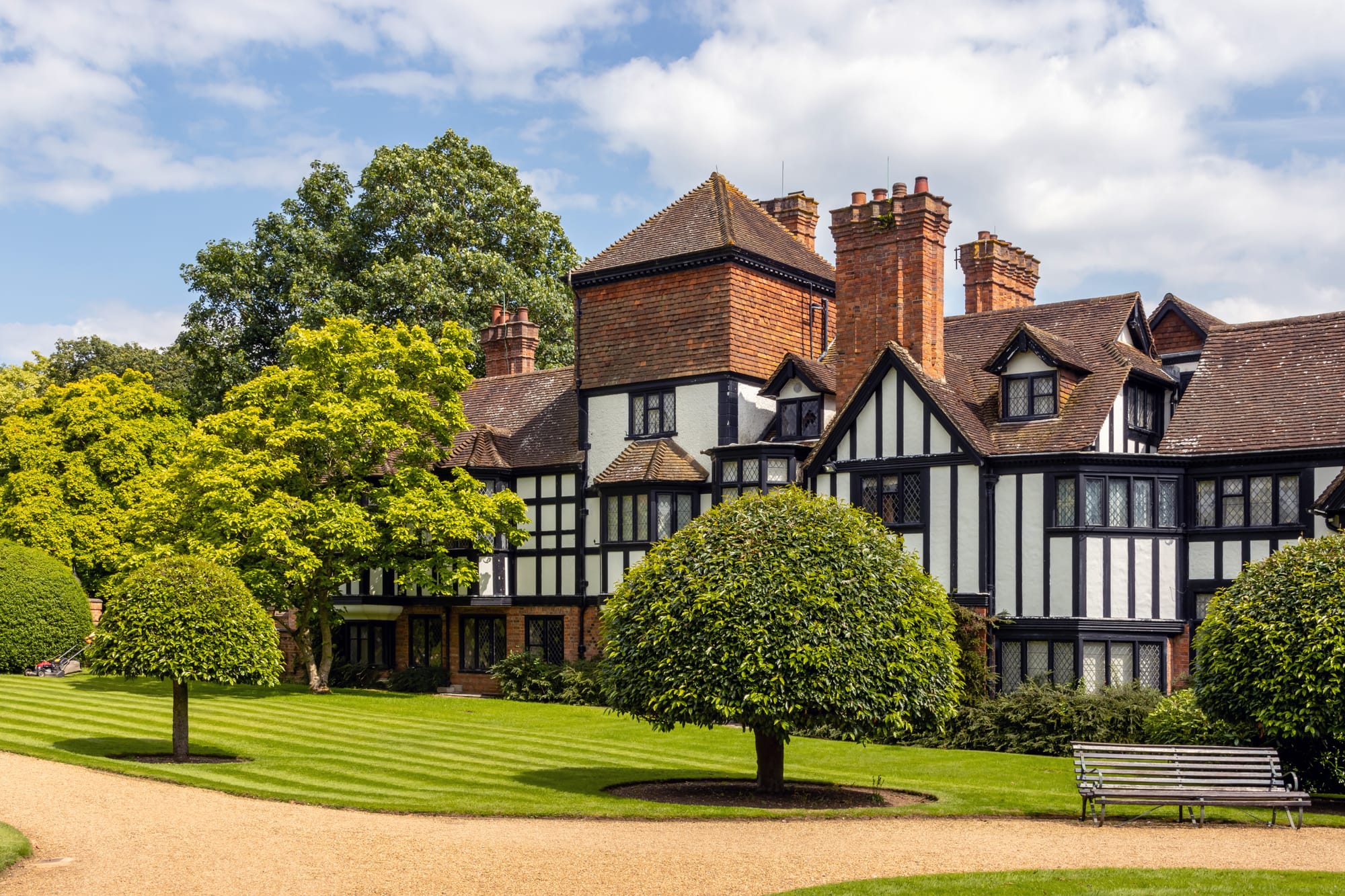
George Devey's rambling Neo-Tudor Ascott House near Wing, Buckinghamshire, built over several decades from 1876 for Leopold de Rothschild, and looking as if it had been built in the sixteenth century, did much to set the scene. It was the Arts & Crafts movement, overlapping with the work of Devey and spurred on by William Morris, that was soon to shape some of the most happily imaginative, beautifully sited and best made of all English houses.
Among the finest of these 'earthly paradises' were those crafted by Edwin Lutyens in idyllic Home Counties settings served by trains that could run prosperous bankers up to the City of London and lawyers to the Inns of Court within little more than an hour.
Lutyens's career took off with the design of Munstead Wood (1896-97) at Busbridge near Godalming, Surrey, crafted in locally quarried Bargate stone, locally grown and seasoned oak and hand-made clay tiles.
The house was for the distinguished horticulturist and landscape gardener, Gertrude Jekyll. Lutyens, who was 26 when he started work on Munstead, had an almost innate ability to conjure a much earlier world – in this case 'Tudorbethan' England – while reworking it with skill and ingenuity for a very different era.
He designed new houses that looked as if they might have existed for four hundred years while offering modern comforts, but not a trace of what today we call 'bling', the visual curse of most new homes for the wealthy.
Working closely and happily together over many years, Lutyens and Jekyll nurtured a style, or nature, of building and landscaping taken up and championed by Country Life, the magazine founded in 1897 by Edward Hudson.
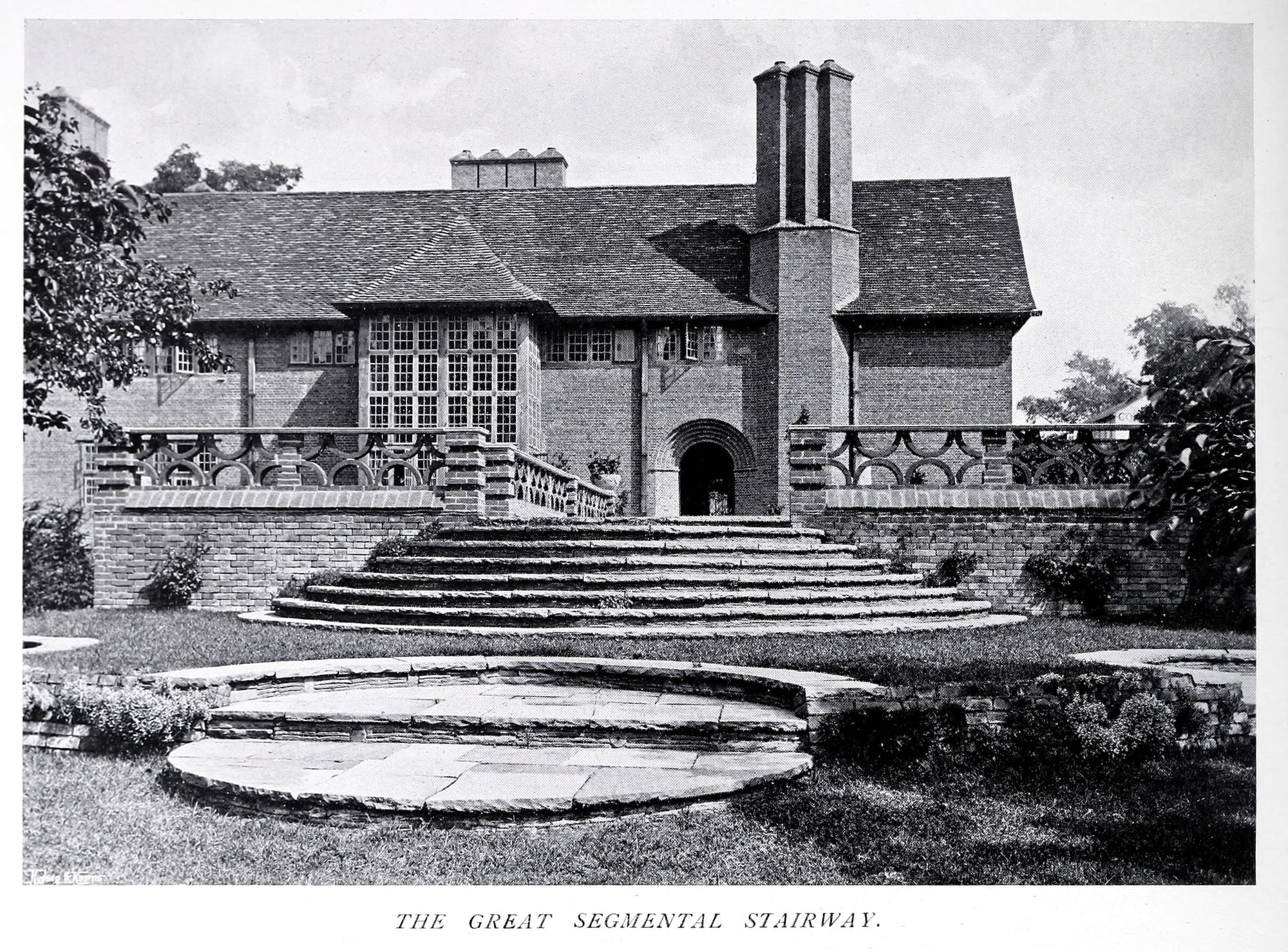
Hudson commissioned a captivating show home of his own from Lutyens – Deanery Garden in Sonning, Berkshire (1899-1901) – an inventive and often surprising play of Tudor vernacular, of seasoned oak, chalk, soft brick, clay tiles, tall chimneys, sweeping roofs with deep eaves, leaded windows of different scales, a secret courtyard and an old buttressed retaining wall facing the village along with a formal garden by Jekyll.
For all its fertile 1890s imagination, Deanery Garden belongs to Sonning unlike the new £2m 'Anywhere homes' of the kind found increasingly in the advertising pages of Country Life, a reflection of changing values and what appears to be a wilful denial of taste.
One of the guiding tenets of the Arts & Crafts movement, as it had been for Cobbett's beloved Tudor-era Wealden houses, was individualism. In his book Individuality (1915), Charles Voysey, the Arts & Crafts architect, quoted the Whig politician and historian Thomas Macaulay:
It is the universal law that whatever pursuit, whatever doctrine becomes fashionable, shall lose a portion of that dignity which it had possessed while it was confined to a small but earnest minority, and was loved for its sake alone.
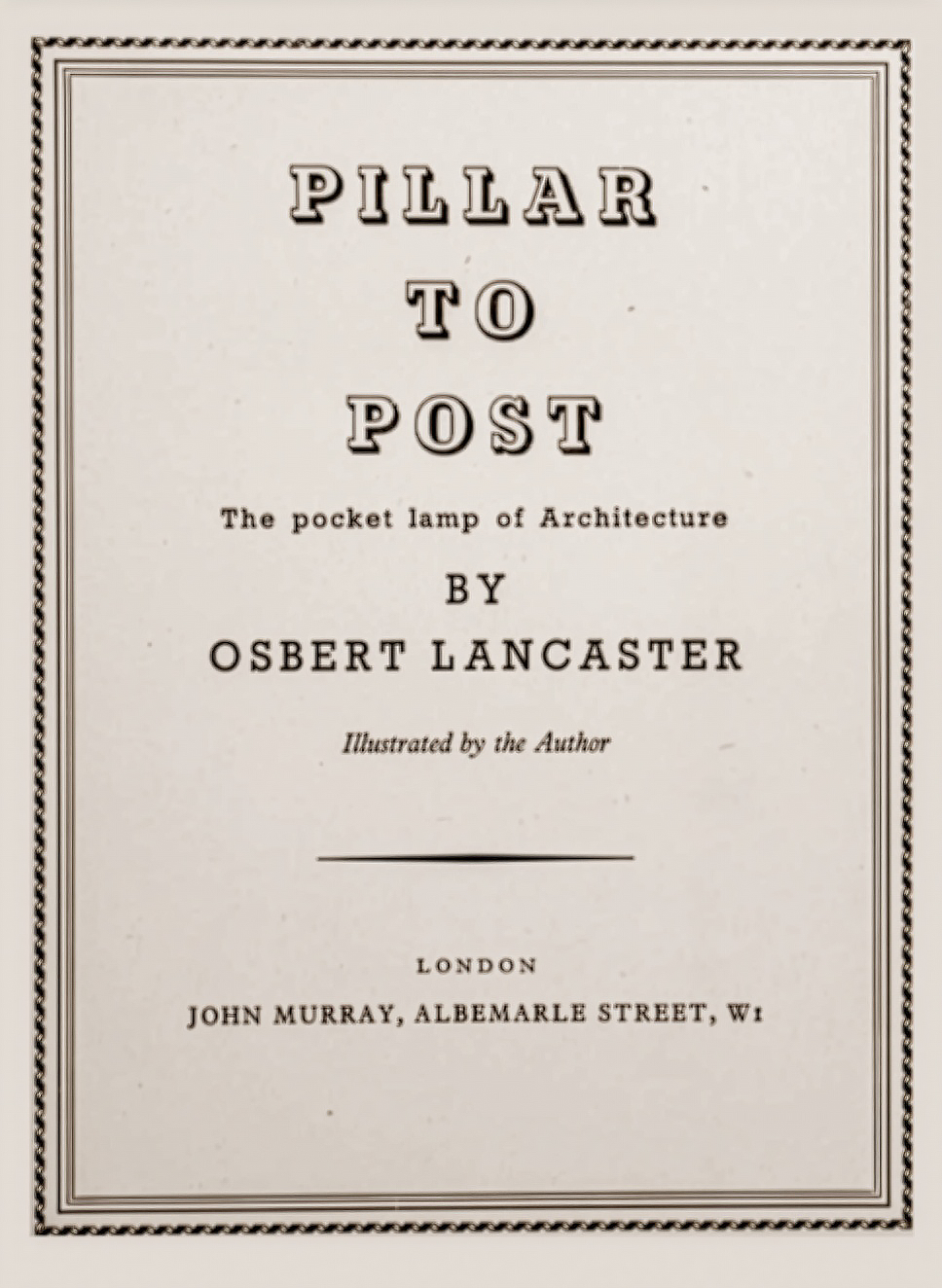
Macaulay was talking about the mass-market adaptation of Neo-Tudor design popular with housebuilders between the two world wars and that remains so today. The style was lampooned by the cartoonist Osbert Lancaster in his popular, funny, and cleverly illustrated books Pillar to Post (1938) and Home Sweet Home (1939).
Pillar to Post, focussed on the outside of buildings, shows an ambitious suburban Neo-Tudor house under high-voltage cables with a pylon alongside and a vulgar American-style car in front. This is 'Stockbroker's Tudor'. The same name applies in Home Sweet Home, devoted to interiors. A woman is sat up in her four-poster with a breakfast tray; should she lift her head that bit higher, she will be brained by an absurdly gratuitous oak beam passing ominously over the bed.
The oak beams of these houses were nearly always decorative. Today, they are not even timber. Reduced to ciphers they make a mockery – Joke Oak – of Cobbett's Tudor Wealden houses where nothing was fake, much less a joke. And in this gap – between today's housebuilders' wallpaper-thin marketing gimcrackery and yeoman farmers' houses that have touched us through the ages – lies the fractured art of British housebuilding.
Of course, many people lived in what were little better than hovels in the sixteenth century. Yet those crafted Tudor houses remain as both a rebuke and as objects of quiet pride, houses to live up to as we consider better ways of buildings housing for the future that, for everyone, ought to match their spirit, their craft, their sense of belonging and, yes, of home •
Where We Live: The Fractured Art of British Housebuilding and How to Build the Homes We Need by Jonathan Glancey
Icon, 18 Jun. 2026
RRP: £20 | 320 pages | ISBN: 978-1837732487
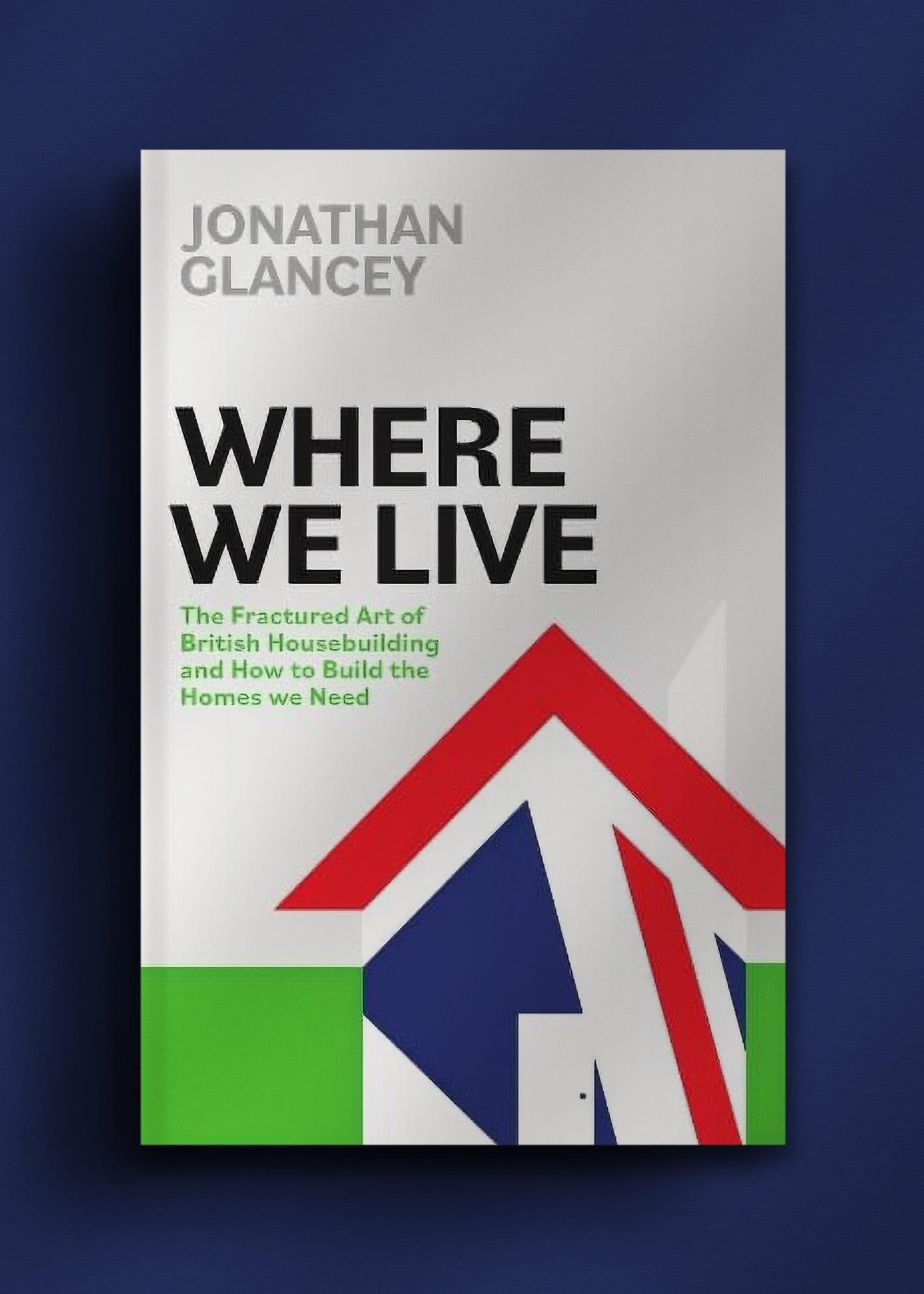
Britain is in the grip of a housing crisis.
It has, in fact, been in the grip of a housing crisis since the Industrial Revolution, when the population soared and people crammed into towns and cities in search of work. What followed is a tale of suburbia, green belts and, since the 1980s, the increasingly common sight of mass-produced and near identical housing across the land.
This book argues that British house building over the centuries has been an art. An art of which we can be proud and an art we can still learn from. The artistry involved includes not just the design and appearance, but the setting of homes into the fabric of urban and rural landscapes and the very fabric of people's lives. We need to get the art of new housing right before building ever more homes that, while considered a necessity, no one truly likes.
Where We Live is at once a critical history of the art of British housebuilding urban, suburban and rural, a study of where British housing has lost its way for the best part of a century, and a source of inspiration and hope for the future.
📸 Dive into our Features
🎤 Read Interviews
🎧 Listen to Podcasts
🖼️ Buy fine art prints & more at our Store


