
Hannah Durkin's Search for the Last US Survivors of the Transatlantic Slave Trade
A decade ago Hannah Durkin began to search for the last survivors of the Transatlantic Slave Trade. Here she tells us about the Wolfson Prize winning book that emerged.


In her Wolfson History Prize-winning book, Survivors, Dr Hannah Durkin brings to light the extraordinary lives of the last survivors of the Transatlantic Slave Trade, at the same time laying bare the horror of their experiences on the slave-ship Clotilda and in Alabama.
Here Durkin explains how she sought to tell the story from the survivors' perspective, using their voices whenever she could find them.
Words by Hannah Wuensche

On a mid-April morning in 1860, life in the Yoruba-speaking town of Tarkar in modern-day Nigeria came to a violent end. Older men and women were murdered in front of their relatives. Their homes were razed to the ground. For the young men, women and children who remained, the brutal attack was only the beginning of a lifetime of suffering.
Almost exactly a year before the start of the American Civil War, and more than half a century after an act passed during Thomas Jefferson's presidency declared the transatlantic slave trade illegal, those spared in this raid began a journey that would make them the final survivors of the infamous Middle Passage to the United States and the last African-born people to be enslaved in that country.
That this would be their fate was unknown to the captives as they were marched for two weeks to the slave-trading port of Ouidah (in modern-day Benin). Their captors were Fon warriors of the powerful Dahomey Kingdom, which had built its economy on brutal slaving raids of neighbouring communities such as Tarkar.
But the destinies of the Tarkar captives had been set four years previously on the other side of the Atlantic, by a group of influential Alabamans who chafed at the increasing calls for abolition. These men took a bet to smuggle a ship of Africans into Alabama to be sold as slaves, seizing the opportunity to thumb their noses at Northern abolitionists, and turn a profit in the process.
Led by prominent landowner Timothy Meaher and his brothers James and Burns, they financed fellow-conspiracist Captain William Foster to make the voyage in the specially-adapted schooner, Clotilda. The identities of their would-be cargo was of no consequence to them.
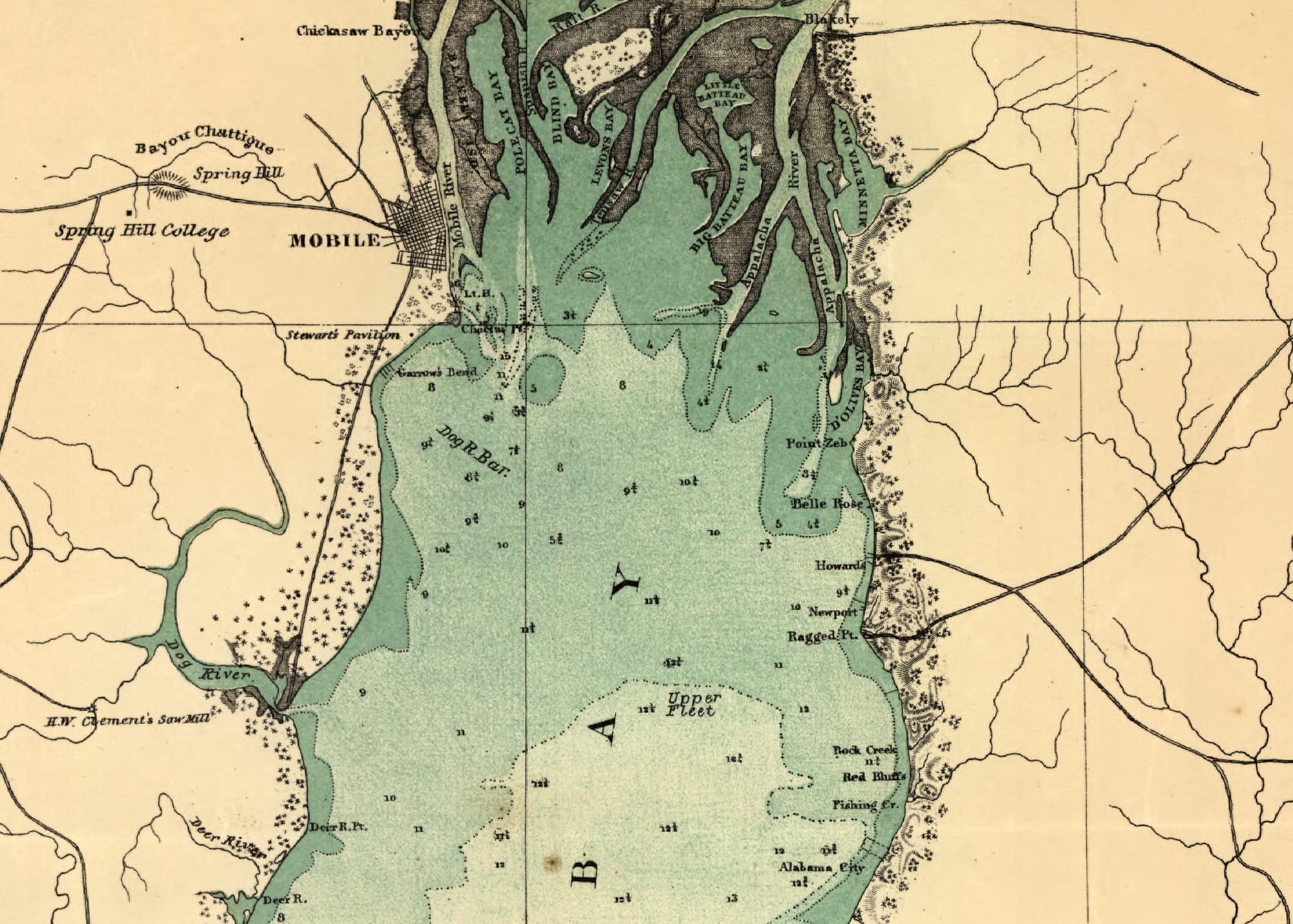
Of the 125 captives bought in Ouidah by Foster, 110 were successfully forced on board before an anti-slavery patrol interrupted the clandestine operation. Of those 110, 103 survived the appalling 45-day voyage to be disembarked just outside Mobile, on Alabama's Gulf Coast, by night.
To evade officials who had already caught wind of the crime, Foster scuttled the Clotilda, burning and sinking it in the Mobile River. The Meahers were then quick to disperse the survivors among their co-conspirators. In the process they thoughtlessly tore apart mothers and children, brothers and sisters, and comrades bonded together by the traumas already experienced on the voyage. Most would never see each other again as they were swallowed up in a world of violence, sexual abuse and dehumanisation.
The Clotilda survivors witnessed the Civil War from the very heart of the Confederacy. Their enslavers were high-ranking officers and politicians. Their forced labour fed the Confederate economy. They served food to its leaders in Montgomery, the original secessionist capital.
Those who survived to emancipation found themselves in a world only barely less hostile. Many of them never found the means to leave the estates of their former enslavers, or, if they did, they lacked the resources to go far. A lucky few managed to reunite and form the community of African Town (now Africatown) on the outskirts of Mobile.
Ironically, their refuge was located on land owned by the Meaher family. It also overlooked the shipyard in which the Clotilda was built, and was a matter of miles from the schooner’s final resting place. Still, the survivors made the most of their home-away-from-home, all the while striving to find a route back to West Africa.
It was an aspiration that they clung to for the rest of their lives, but none of them ever made it. Instead, the survivors found what solace they could in each other, in their tender memories of their homeland, and in the African American children born to them as they became embedded in Alabama society.
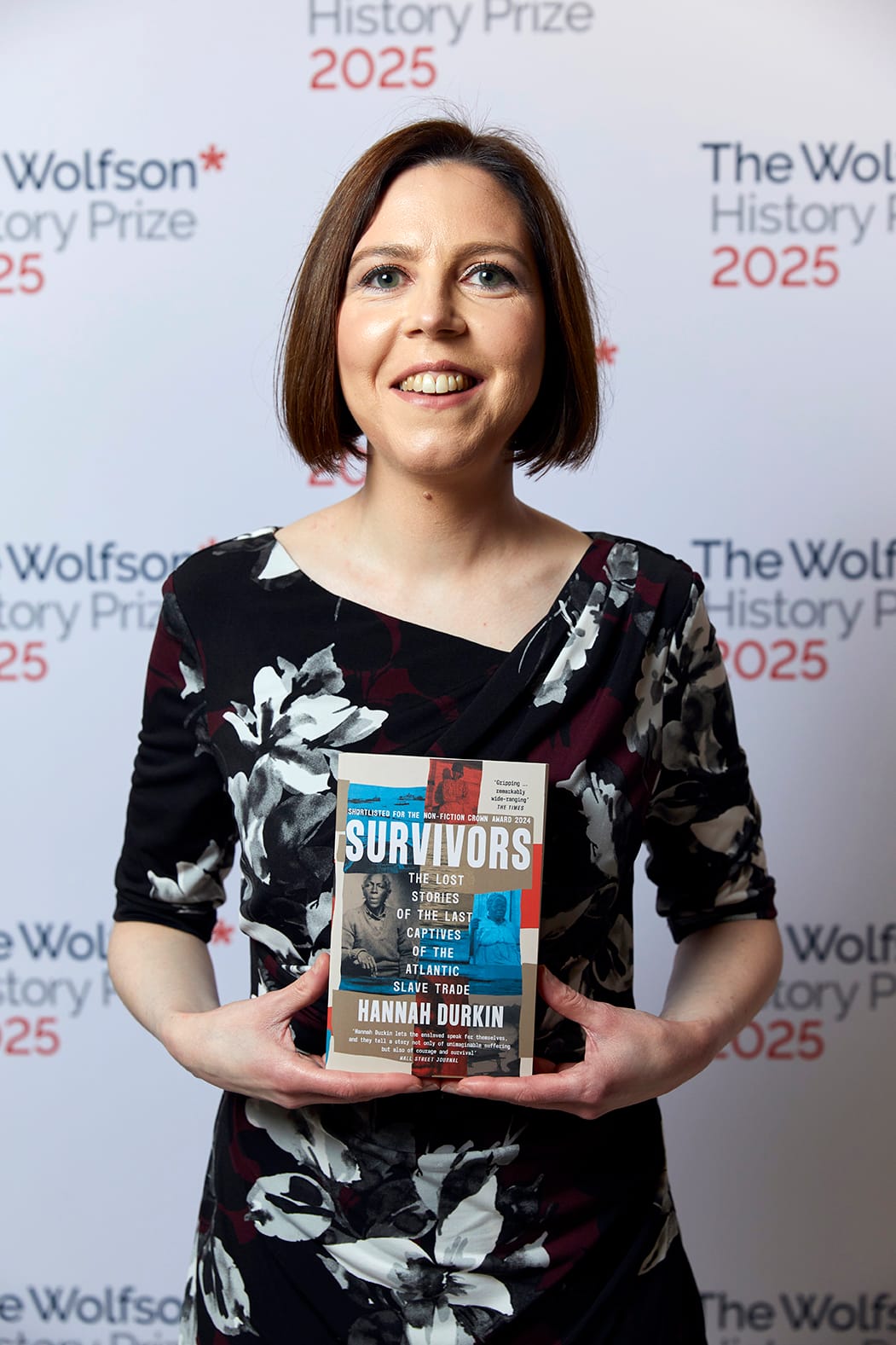
For much of the past decade, the British historian Dr Hannah Durkin (formerly of Nottingham and Newcastle Universities) has sought to uncover the long-overlooked stories of these human-trafficking victims.
The task Durkin set herself was no mean feat. The same mechanisms that stripped the Clotilda survivors of their identities and personal sovereignty during enslavement – the suppression of their African names in favour of American ones, the lack of records regarding the human aspects of their lives, movements, injuries, and deaths, the withholding of the basic language skills by which they could make their voices heard – all but guaranteed that their experiences would be lost to history.
The daunting project began with a single name: Sally Smith. Amazingly, given how many 'Sally Smiths' must have lived in Alabama around this time, Durkin was able to connect this unremarkable name to the truly remarkable Redoshi, and from there piece together scraps that amounted to a life’s story.
Durkin would go on to do the same for survivors Kossula, Kanko, Polee and others. In many cases, the African names would prove too lost in time, but she resolved to make up for this absence through a dogged pursuit of their experiences to the most minute details.
At first publishing her findings as articles in academic journals, Durkin eventually accumulated enough information to reconstruct a broader story. Publishers convinced her it should be brought to a public audience. The result is a frank and eye-opening book, Survivors: the Lost Stories of the Last Captives of the Atlantic Slave Trade.
In the context of the slave trade, the evidence for the Clotilda survivors is exceptional – a result of that criminal ambition, which had the conspirators plot their illegal voyage so long after the formal abolition of the slave trade.
But while the vast majority of estimated 10.7 million Middle Passage survivors’ experiences are lost, the timing of the Clotilda voyage brings the story into the age of modern newspaper journalism, preserved letters, and photography.
Adding to the documentary evidence, the wreck of the Clotilda in the Mobile River was positively identified in 2019, providing researchers with a valuable reference point with which to compare written accounts. This combination throws into sharp relief the inhumane treatment of the captives. As Durkin explains:
It looks like they were forced to lie stacked together. It's really quite horrible. For the first 13 days of this 45 day voyage, they were kept below deck. They weren't allowed above deck because … this was an illegal voyage, so [their captors] feared that they would be seen.
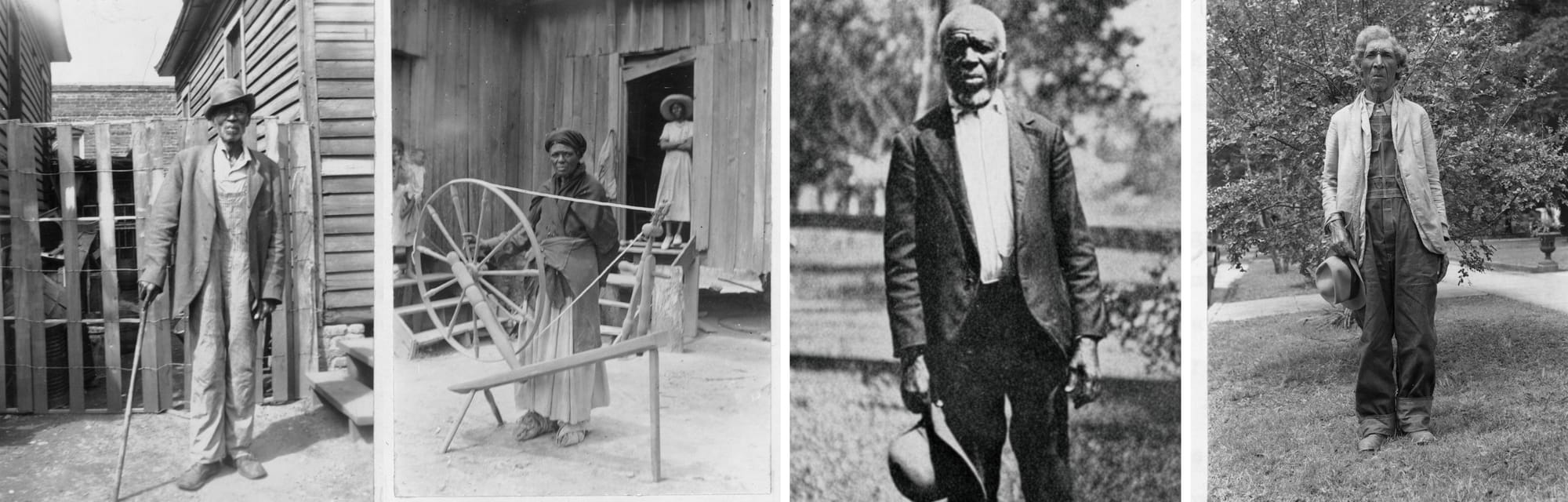
The most unique feature of the Clotilda sources, though, results from a cruel fact of the American slave economy. Enslavers wanted young bodies with many years’ work ahead of them. As such, the majority of the 110 captives aboard the Clotilda were children and young people between the ages of 10 and 20.
A number of these lived well into the 20th century. The girl who would come to be called Matilda McCrear, only two years old at the time of the voyage, lived until 1940. Through the 1920s and ‘30s, Kossula, the longest-lived male survivor, and Redoshi, a girl of 13 at the time of her capture, submitted themselves to interviews and film cameras, reliving traumatic experiences for the benefit of researchers.
Durkin explains how invaluable these accounts are:
There are so few first-hand accounts by those who survived the transatlantic slave trade. They were dehumanised. They often died very soon after they arrived in the Americas. Their lives were not recorded, they couldn't read and write, so they couldn't document their stories.
In most cases, there were almost no accounts, certainly in the English-speaking parts of the Americas, left behind by women and girls, and I was very conscious when I was writing this book that the women and girls in this book are speaking for the women and girls who survived the transatlantic slave trade as a whole.
📚 Summer Books
Are you looking for a history book to read this summer? Check out our list of ten of the most exciting new titles.
Still, the extraordinary availability of sources did not come without its challenges. The media coverage of the Clotilda can be misleading, due to racist prejudices and general ignorance of West African geography, society and culture.
Often interviewers in the twentieth century would talk as much, or even more, to the former enslavers, who were motivated to obscure the true horror – and criminality – of the Clotilda story. Nevertheless, it was precisely the gravity of the crime which motivated Durkin through the most challenging stages of her research.
What was a real driving factor for me was the fact that these were children, this was child trafficking, and … it was horrendous anyway, but the fact that so many of the victims were children just meant I wouldn't let go of the story.
For the survivors, transplanted into an entirely unfamiliar world and confronted with a language barrier that few would overcome, the full details of their capture would remain unknown for the rest of their lives.
They did not know the name of the vessel that conveyed them from Africa. Some were led to believe that they had been transported on a ship called the Wanderer, an earlier illegal voyage from the Congo, since this allowed the enslavers to explain the Africans’ presence on their estates without implicating themselves in the crime of slave-trafficking.
These falsehoods and misunderstandings were perpetuated over generations, so that even the survivors’ families were often ignorant of the true significance of their ancestors’ arrival in the United States. Durkin explains:
I managed to identify [Redoshi’s] grandson … so I reached out to him to tell him that I think I know who [his] grandmother was. I wrote him a letter, and he did not know. He knew his grandmother was African. He did not know that she was a Clotilda survivor until I wrote to him.
So it was that, even though pieces of the Clotilda story have long been out in the public domain, the abundance of information became a chimera for anyone who wanted to pin down the full picture. And there were plenty of people who did, not least among the hundreds of descendants alive today.
Over the course of the project, Durkin has worked closely with organisations such as the Clotilda Descendents’ Association and the Africatown Heritage House. These relationships have allowed Durkin's research to have a concrete role in rectifying some of the wrongs of the past. She describes a typical problem that was experienced by Clotilda descendant Pat Frasier:
Kanko’s grave doesn’t say Kanko or Lottie Denison [Kanko’s American name] on it. There is also a victim of the war in Vietnam in her grave, so [Pat Frasier] is currently trying to create a new headstone or historical marker that shows where her ancestor was, … [but] the ages of the Clotilda survivors vary so much across different census data.
It’s possible she was a woman in her 20s when she arrived in Alabama, but it’s just as easily possible that she was 12 or 13 years old. So it makes it difficult for Pat to know what dates to put on her gravestone.
While the evidence does not allow for complete certainty about Kanko’s dates, Frasier will be able to use the best estimates provided by Durkin’s research to complete the long-overdue headstone for Kanko.
Durkin describes it as 'a pleasure and a privilege' to offer these services to the descendants after their generosity in sharing information for her research. Indeed, Durkin’s close work with the descendants was critical to the uniquely human character of her account.
Previous work on the Clotilda has focused on telling the story of the voyage and conspiracy, because of its significance as the last US slave ship. Unlike these accounts, where the survivors are characters in the story of the ship, Durkin places these individuals centre-stage. She is able to do so because of the wealth of personal material provided by the descendants.
Thanks to the families of the Clotilda survivors, Durkin was able to examine family photographs, personal items belonging to the survivors, and even receipts which had been passed down from one generation to the next. The result is a book in which the subject is not the voyage of the Clotilda, but the remarkable lives of the people who survived it.
These lives continued to be remarkable for 80 years after the Clotilda found its resting place at the bottom of the Mobile River. As the last survivors of the transatlantic slave trade, the Clotilda Africans were also the first to experience a new stage in America’s fraught journey towards racial equality. They are among the few African-born enslaved people who lived to emancipation, which, in granting them their liberty, forced them to build lives for themselves in a foreign and hostile land.
They also experienced first-hand the transition from slavery to segregation, the violent backlash to abolition and the rise of the Ku Klux Klan. As the free American citizens they became, they were targeted in the earliest attempts to suppress black votes.
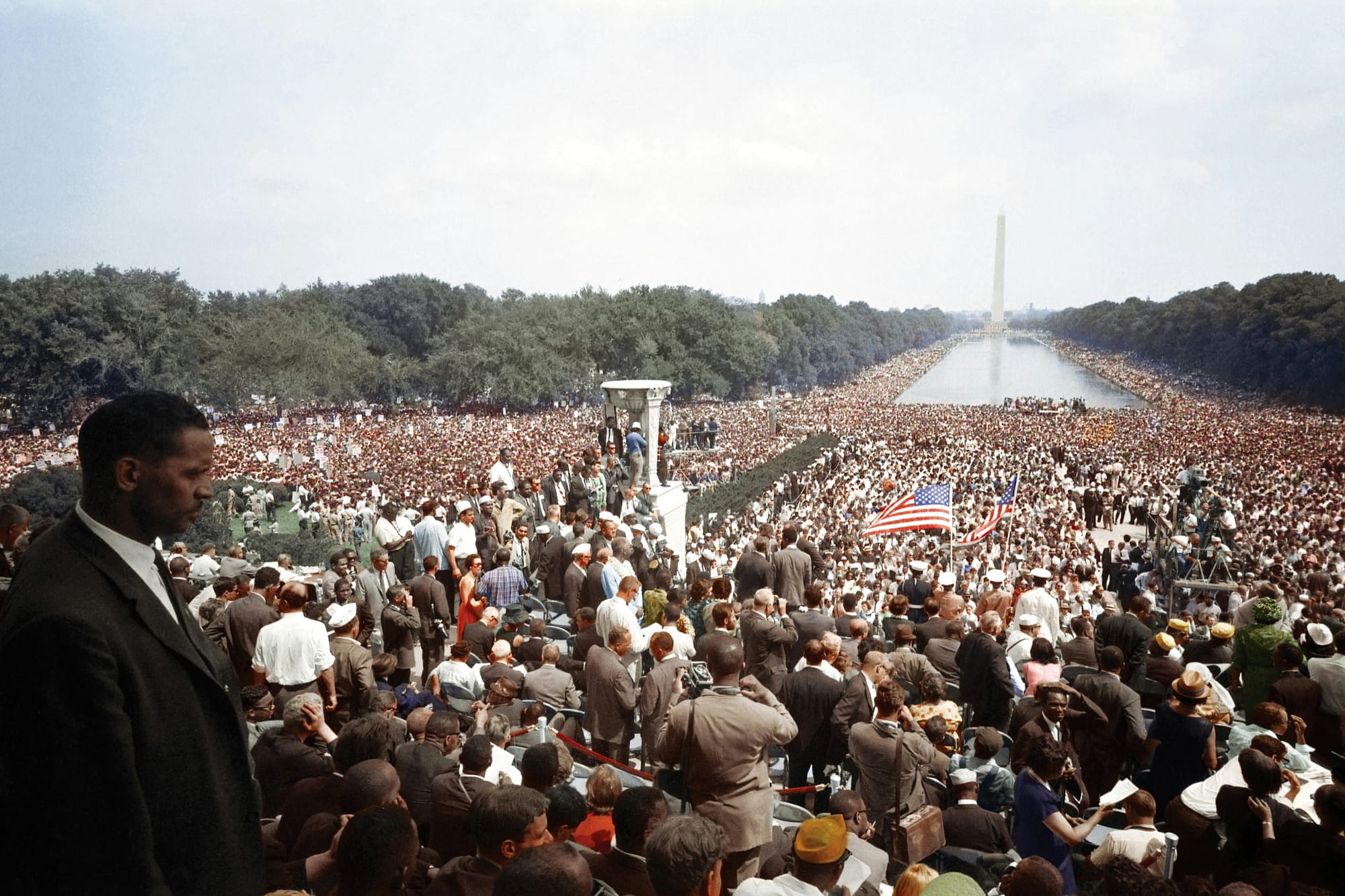
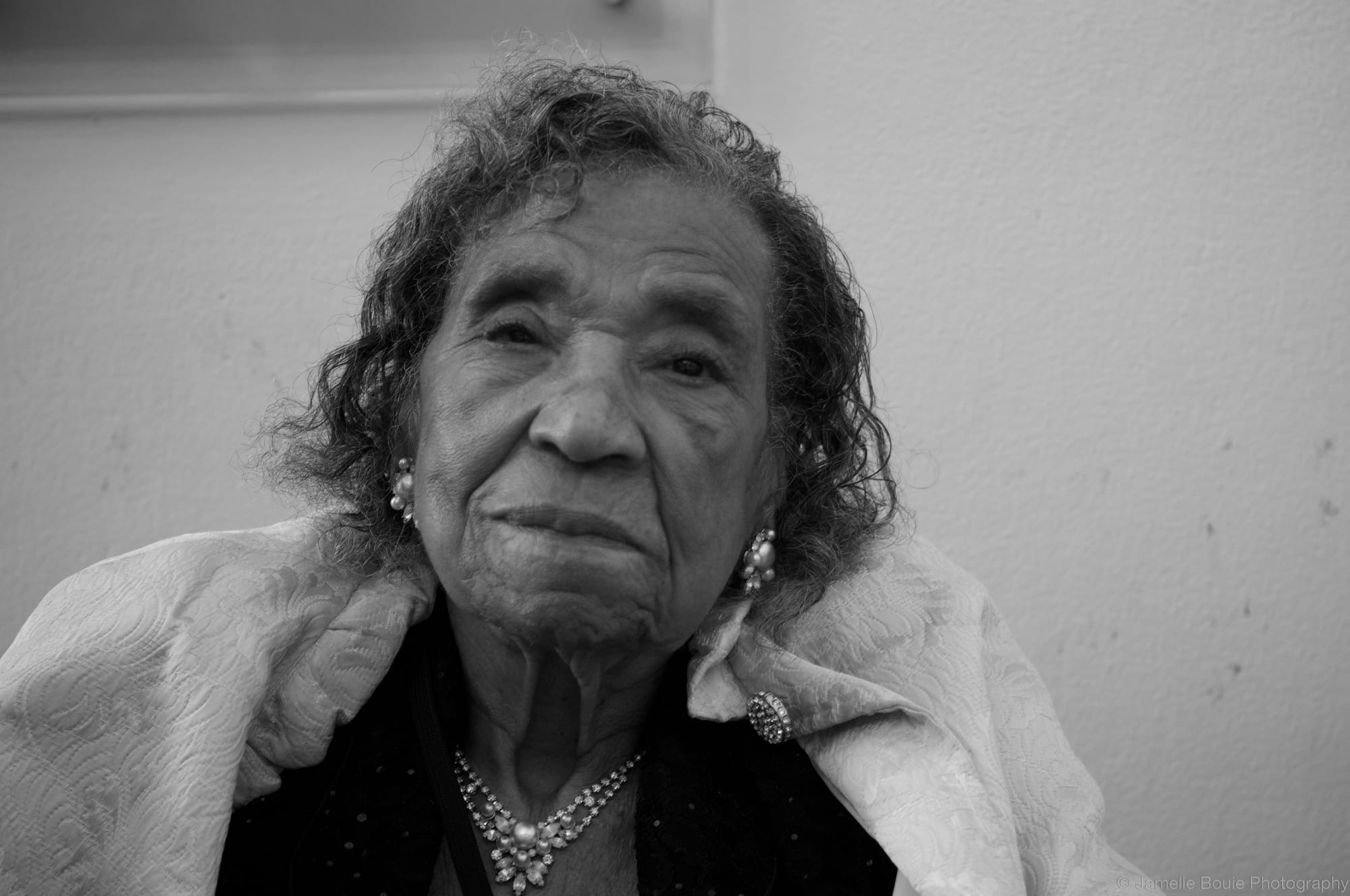
The Clotilda Africans have left their mark on American society in ways that reach far beyond their own lifetimes. An early interviewer of Redoshi was a young researcher by the name of Amelia Boynton Robinson, now famous for her achievements as a Civil Rights activist over the course of her astounding 110-year life. Durkin outlines the significance of her work:
Amelia Boynton Robinson published a memoir in which she talks about how among her richest experiences were her encounters with Redoshi in the early 1930s when she's a young woman.
But Amelia Boynton Robinson is a significant figure in the civil rights movement because she is the woman who invites Dr Martin Luther King to Selma, which effectively sparks the Selma to Montgomery marches, which leads to the Voting Rights Act, which is one of the key pieces of Civil Rights legislation. But she in turn is inspired by Redoshi.
Matilda McCrear was a trailblazer in her own right, daring to seek compensation in court for the crimes committed against her. Similarly, the African Town survivors campaigned for years for funds to return them to West Africa. Both campaigns ultimately failed, but they were among the first to test a radical idea: that victims of historic injustice could be entitled to restitution even after the perpetrators were dead. This idea would become foundational for how we think about reparations to this day.
Durkin’s book also highlights the ways in which the survivors of the Clotilda matter to U.S. history beyond their experience of enslavement. Durkin gives the example of the quilt-making community of Gee’s Bend on the Alabama River:
[Gee’s Bend is ] a collective of women artists whose really quite visionary approach to quilt-making is recognized as an important part of the U.S.'s cultural heritage. Their quilts, they're a blend of abstract shapes, mixed materials, and bright colours. They've long been likened … to West African strip weaving, and I found quite a significant Clotilda community presence in and around Gee’s Bend.
Like other minorities across the U.S., the survivors came to be woven into the fabric of American culture, both figuratively and literally.
The human stories that Durkin has unveiled are a chilling reminder of just how close in time we are to the age of slavery.
Matilda McCrear, the last known survivor of the Clotilda, died in 1940. A daughter of Polee died in the 1990s. Amelia Boynton Robinson, who was so inspired by meeting Redoshi, died in 2015. In 2023, Durkin interviewed Matilda’s grandson, only two generations removed from the enslavement of his ancestor. The legacy of the brutal system and those who benefitted from it can be hard to escape in the former Confederate states.
What's really striking when you go to Mobile, actually, is to see the name Meaher State Park, or Meaher something or other all around the city. … [The Meahers’] descendants still own a lot of land, or certainly for a long time owned a lot of land in the community. And so it feels very much like a living history when you're confronted with that name all the time, wherever you go.
The reminder is timely as the United States reflects upon its 250 years of history. Yet, despite confronting some of the darkest moments of the nation’s past, Durkin’s research is emblematic of the progress which has been made already, and the very American promise of a better future. Voices long condemned to obscurity have been recovered, against all odds.
As a result, the lives of Matilda, Redoshi, Kossula, Kanko, Polee and too many others to name are finally known, not only for what America took away from them, but for their contribution to the country that became their home. The Clotilda Africans did not choose to be Americans, but that in no way diminishes the mark that they made on the country’s culture and society.
As for Durkin, she is conscious of the Clotilda survivors who are still owed recognition, and she remains alert to the stories that still need to be brought out of obscurity.
I feel like the story is incomplete, largely because I couldn't name everybody. I know there are lives and voices that still lost to history, and I hope that changes. I know quite a few descendants or people who think they might be descended from Clotilda survivors, and new names might be thrown out. Once in a while, I might get an email from someone who says they think they're a descendant, and I'll try to help them.
Nor does she consider her research on the known survivors to be complete. Durkin continues to work with the Africatown community and the Clotilda Descendants’ Association to help the families find what they need to honour the memory of their ancestors •
Survivors: The Lost Stories of the Last Captives of the Atlantic Slave Trade by Hannah Durkin
William Collins, 16 January 2025
RRP: £10.99 | 432 pages | ISBN: 978-0008446581
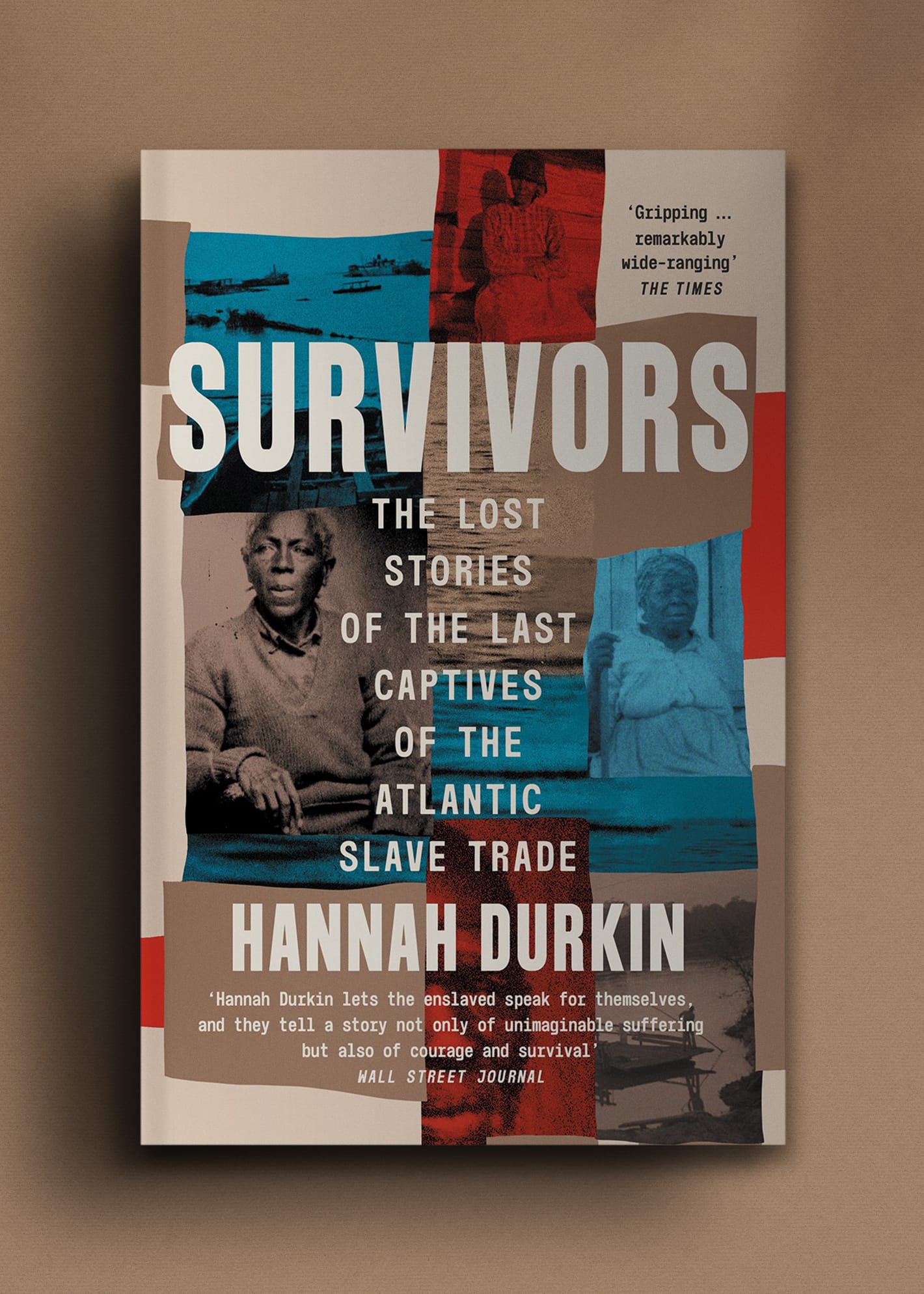
“Gripping … a remarkably wide-ranging book taking in everything from science to soft drinks to show how slavery’s insidious hand wormed its way into the very fabric of American life” – The Times
Winner of the Wolfson History Prize 2025
This is an immersive and revelatory history of the survivors of the Clotilda, the last ship of the Atlantic slave trade, whose lives diverged and intersected in profound ways.
The Clotilda docked in Mobile Bay, Alabama, in July 1860 – more than half a century after the passage of a federal law banning the importation of captive Africans, and nine months before the beginning of the Civil War. The last of its survivors lived well into the twentieth century. They were the last witnesses to the final act of a terrible and significant period in world history.
In this epic work, Dr Hannah Durkin tells the stories of the Clotilda’s 110 captives, drawing on her intensive archival, historical, and sociological research. Survivors follows their lives from their kidnappings in what is modern-day Nigeria through a terrifying 45-day journey across the Middle Passage; from the subsequent sale of the ship’s 103 surviving children and young people into slavery across Alabama to the dawn of the Civil Rights movement in Selma; from the foundation of an all-Black African Town (later Africatown) in Northern Mobile – an inspiration for writers of the Harlem Renaissance, including Zora Neale Hurston – to the foundation of the quilting community of Gee’s Bend – a Black artistic circle whose cultural influence remains enormous.
An astonishing, deeply compelling tapestry of history, biography and social commentary, Survivors is a tour de force that deepens our knowledge and understanding of the Atlantic slave trade and its far-reaching influence on life today.
📸 Dive into our Features
🎤 Read Interviews
🎧 Listen to Podcasts
🖼️ Buy fine art prints & more at our Store


.jpg)
.jpg?ref=unseenhistories.com)