
Gulliver Revisited and Shakespeare Unmasked – Literary History Stories in the News
Swift, Shakespeare, Marlowe and Keats are some of the historical writers appearing in the news this week.


Jonathan Swift and William Shakespeare are two of the great figures in the history of English literature. Recently academics have been using the latest digital technology to investigate and showcase their work in new ways.
There is, though, plenty of space for some old-fashioned sleuthing as a story about John Keats shows. Here are the literary history stories that have caught our eye over the last week.
This week's stories:
- University of Liverpool launches digital exhibition on Gulliver's Travels
- William Shakespeare and Christopher Marlowe collaborated on Edward III
- The NYC booksellers who discovered eight Keats letters
- A S Byatt's archive acquired by the British Library
- Baillie Gifford Prize winner announced on Wednesday


Gulliver's Travels: Before and Beyond
Last week marked 300 years since the publication of Jonathan Swift's Gulliver's Travels. Swift's novel was produced at a fascinating moment in British history – a time of energy, of projects, of the print shop and the coffee house. It was also, as he unforgettably demonstrated, a time of absurdity.
Gulliver's Travels was a satirical portrait of all this and ever since the characters he created – from the Lilliputians to the Houyhnhnms – have retained their cherished place in popular culture. Last week the University of Liverpool's Digital Heritage Lab opened an exhibition that drew on materials kept in their Special Collections and Archives.
The exhibition has sections on Swift’s influences, contemporaries and legacy, each of which takes visitors through a series of images (of original letters, maps and illustrations) and videos that combine to give a rich overview of the whole story. As well as these curated items, you can also listen to readings from cultural figures like Paterson Joseph and Ian Hislop, whose work on Have I Got News for You keeps the old Gulliver ethos alive today.
Find out more: Gulliver's Travels: Before and Beyond at the University of Liverpool's Digital Heritage Lab.
A Shakespeare-Marlowe collaboration?
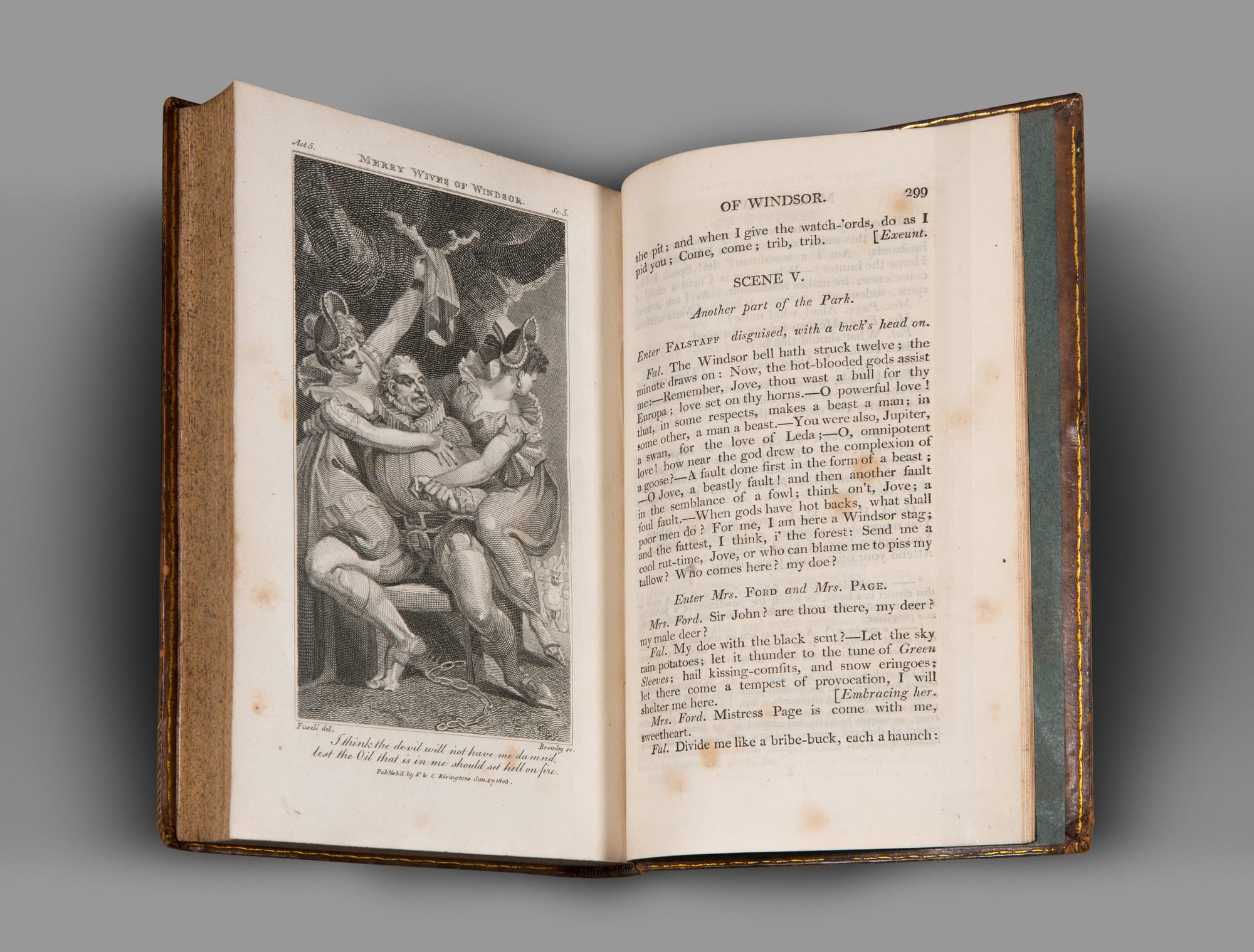
While the University of Liverpool is using technology to present their archival material in new ways, researchers from the universities of Leeds and Kent have been using it to confront an old puzzle. Professor Brett Greatley-Hirsch and Dr Rory Loughnane of the respective universities have used computational textual analysis to investigate the authorship of the Elizabethan play Edward III. The origins of this play (first printed in 1596) have long been subject to debate among scholars who have discussed whether it was one of William Shakespeare's early works. Greatley-Hirsch and Loughnane subjected the original text to what has been described as 'sophisticated digital attribution methods' – a mixture of linguistic cues and vocabulary profiles – and they arrived at a striking conclusion. The evidence was 'compelling' that Edward III was mostly written by Shakespeare but with significant input from Christopher Marlowe too. This is a finding which hints towards a broader story – a creative partnership between two of England's great playwrights. Read more: University of Leeds.
An extraordinary discovery in a Manhattan bookshop
Another fascinating literary story that has been simmering away throughout the year relates to the discovery of eight letters written by the poet John Keats. These letters were addressed to his fiancée and muse Fanny Brawne and the fact that they unexpectedly turned up, in 2025, has been described by the New York Times as 'the literary find of a lifetime'. But more curious still is the manner in which the letters surfaced. Last week the State University of New York College at Geneseo published a revelatory account of how it happened. It concerned two of their alumni, Sunday Steinkirchner and Joshua Mann, who own B & B Rare Books on Madison Avenue in New York. One day in January 2025 a man walked into their store with a 'suitcase full of old books to sell'. Among these was an 1878 edition of Keats’s Letters to Fanny Brawne, inside of which were bound eight of his original letters. It was both extraordinary and highly suspicious. The Geneseo article explains what happened next. Read more: Geneseo.
A S Byatt's archive is acquired by the British Library
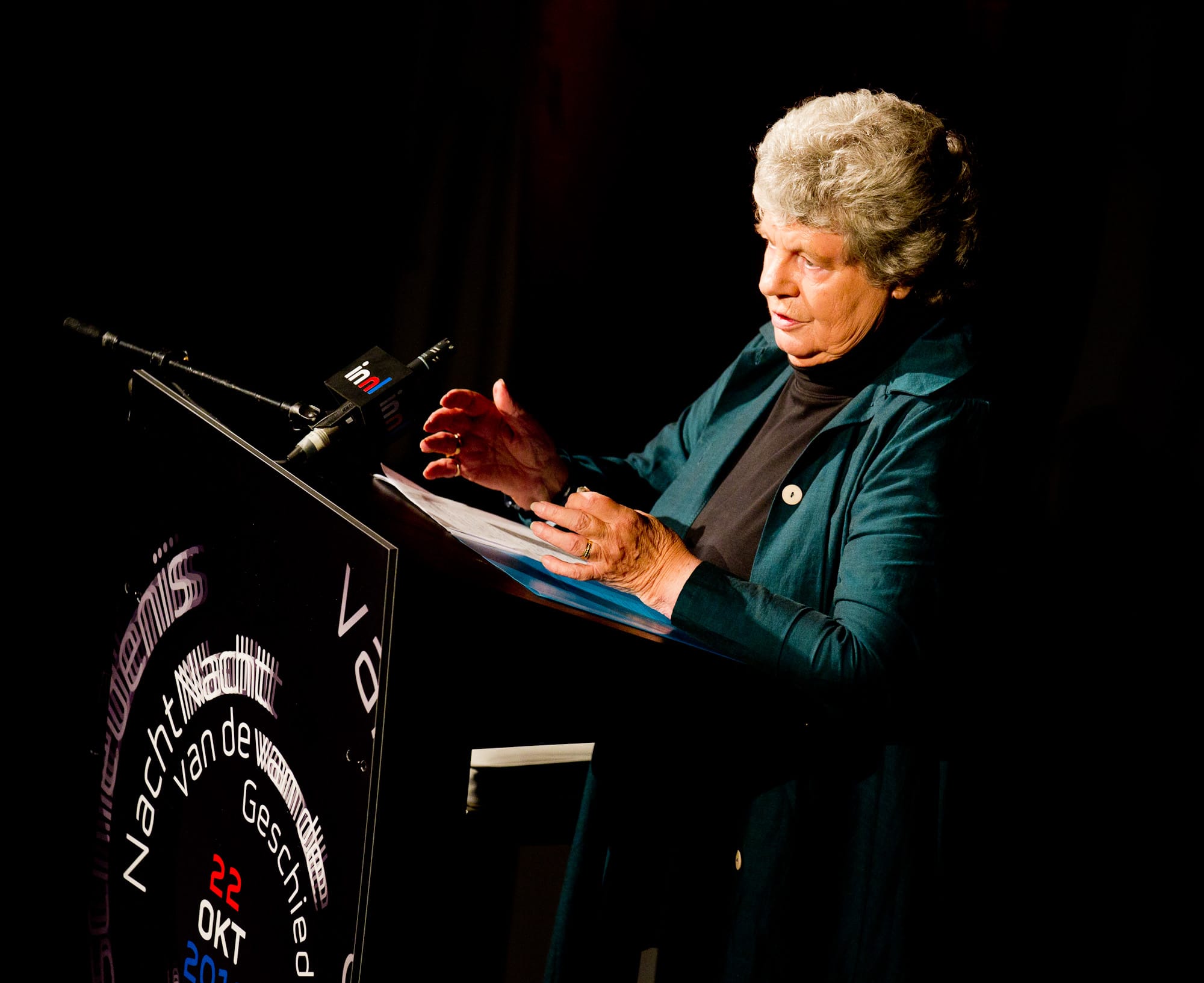
As the last story demonstrates, valuable archives left in private hands be at great risk. A safer bet for the families of significant literary figures is to sell their papers to an established cultural institution. In the UK there are few better placed to care for archives than the British Library and in the last few weeks they have announced that they have acquired A S Byatt’s papers. Best-known for her Booker Prize-winning novel Possession, Byatt's archive includes her diary entries, early drafts and research materials for her many novels. A highlight is a letter from her fellow Booker winner, Iris Murdoch, congratulating her on the completion of Possession. Read more: British Library.
Who was born? Marie Antoinette, 2 November 1755
Who died? Wilfred Owen, killed in action, 4 November 1918
What famous work was published? William Shakespeare's First Folio, entered in the Stationers' Register, 8 November 1623
'Season of mists and mellow fruitfulness,
Close bosom-friend of the maturing sun;
Conspiring with him how to load and bless
With fruit the vines that round the thatch-eves run.' – John Keats, To Autumn
History books in the running for the Baillie Gifford Prize
On 4 November the winner of the UK's leading non-fiction award, the Baillie Gifford Prize, will be announced. Among the six titles on the shortlist are two history books that have featured in our Unseen Histories coverage over the past year. One of these is Edmund Richardson's Alexander: God, King, Man and you can listen to an episode of our Travels Through Time podcast with Richardson, released on publication, which looks at Alexander's 'remarkable year' – 331 BCE. The other is Andrea Wulf's biographical study of the Prussian polymath George Forster. We produced a feature about him and the beginnings of his adventures with Captain Cook last week. Good luck to them both! Read more: Baillie Gifford Prize •
📸 Dive into our Features
🎤 Read Interviews
🎧 Listen to Podcasts
🖼️ Buy fine art prints & more at our Store



