
New History Books for Summer 2026
Our pick of new history books for Summer 2026. From the Bayeux Tapestry to Napoleon III, Elizabeth Barton to Benito Mussolini.


We cast our eyes over a selection of new history books that will be released over the summer months.

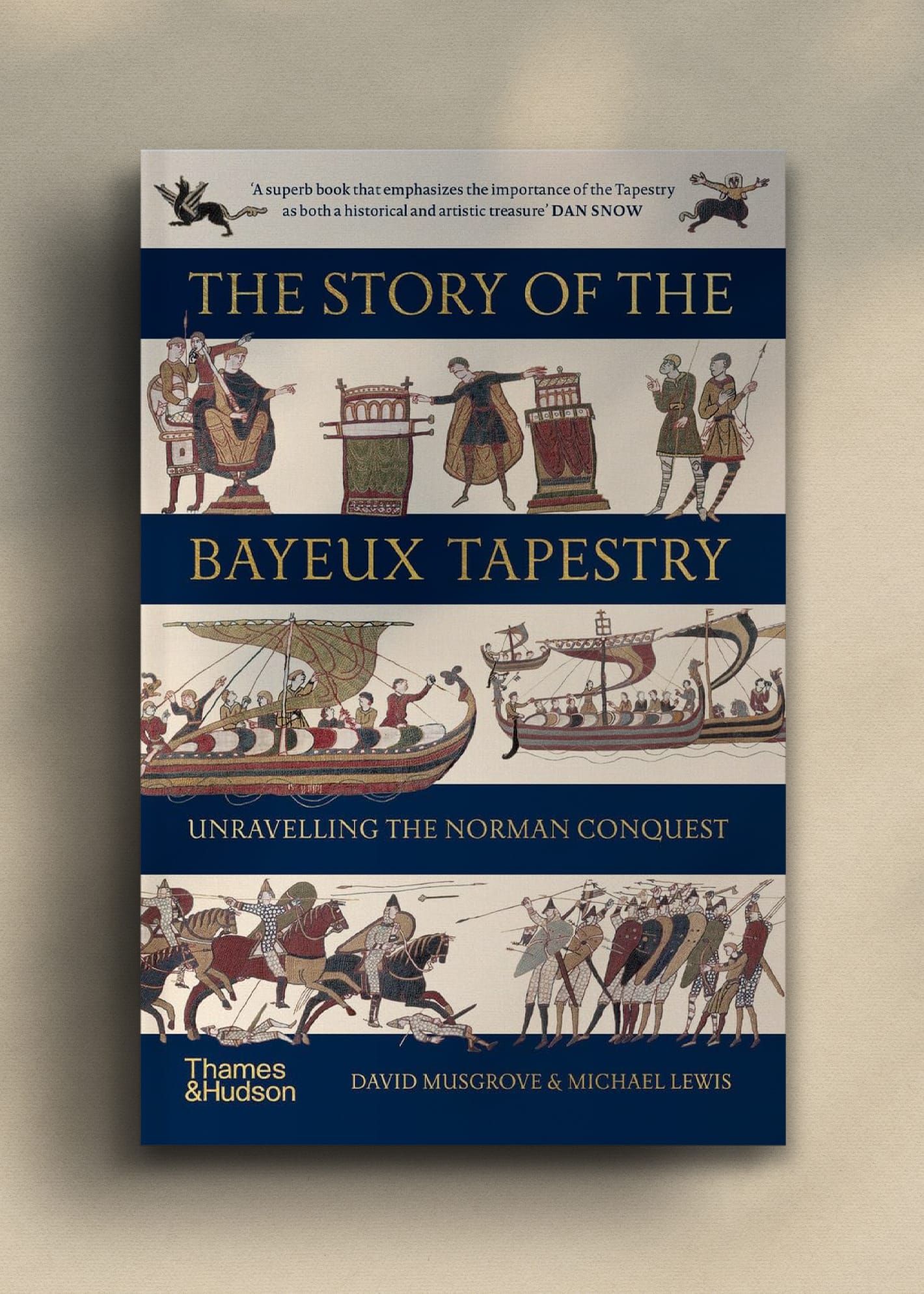
The Story of the Bayeux Tapestry: Unravelling the Norman Conquest by Michael Lewis and David Musgrove
Thames & Hudson, 1 July 2026
The history story of the summer reached a climax the other day with a clandestine, night-time drive through the streets of London. The lorry then beeped its way backwards, drew to a stop, then – to a polite ripple of applause – its doors swung open to reveal a crate containing the Bayeux Tapestry.
The British Museum's exhibition of this world famous historical artefact has already caught imaginations. Tickets have sold out at Glastonbury speeds and over the months to come crowds will inch their way along the 70 metre tapestry to see the story of the Norman Conquest of England for themselves.
Published to accompany the exhibition is this engrossing book by Michael Lewis and David Musgrove. Beautifully assembled and richly illustrated, it draws readers into the deeper meaning and history of the tapestry. Just who stitched it in the first place? Was it common to do such a thing? Whereabouts was it made? What secret messages does it contain?
With erudite chapters on the historical context in 1066 that build to 'The Great Battle' at Hastings, Lewis (the curator of the exhibition) and Musgrove (a journalist at BBC History Magazine) also examine the tapestry's long legacy. An illuminating read.
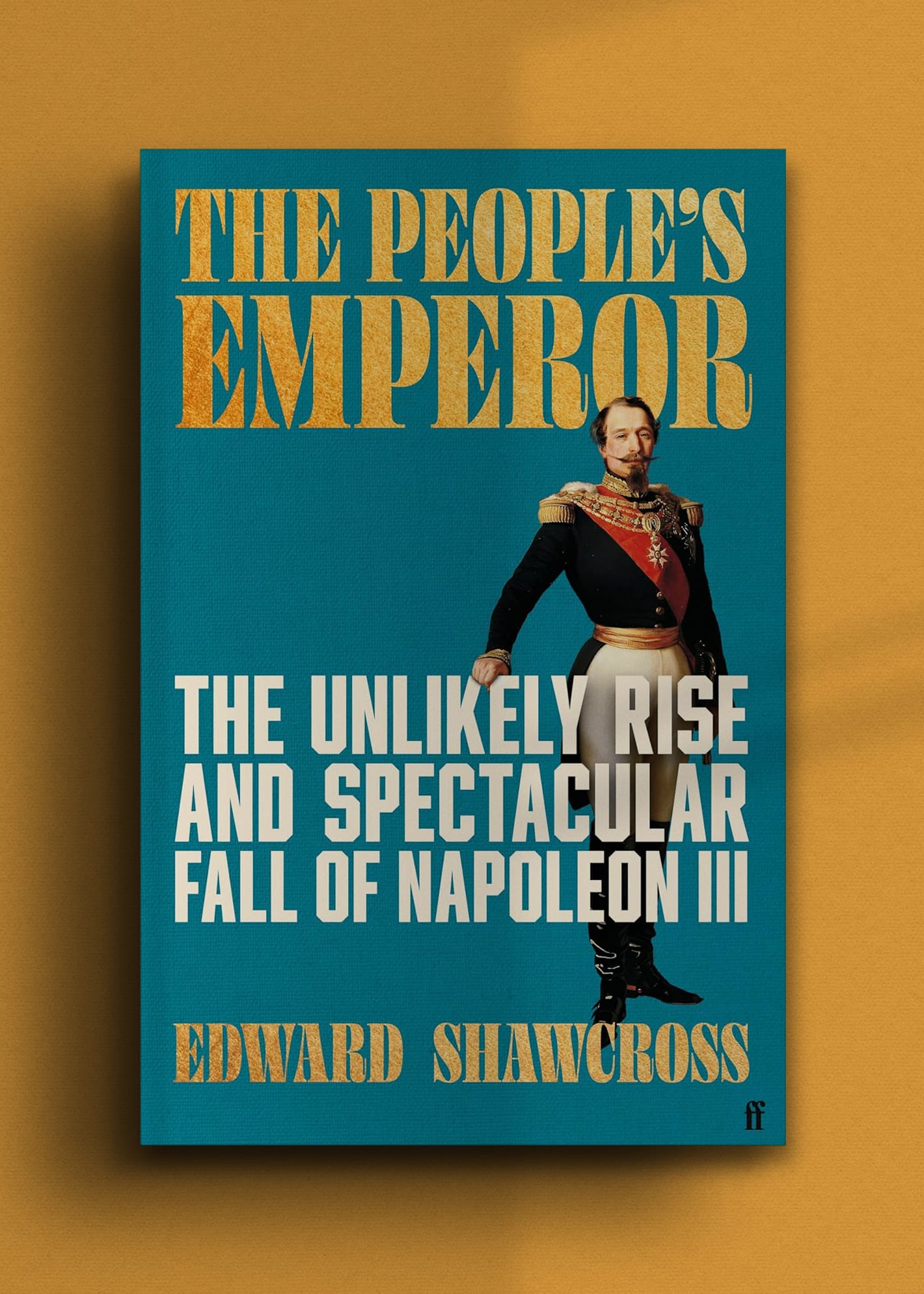
The People's Emperor: The Unlikely Rise and Spectacular Fall of Napoleon III by Edward Shawcross
Faber, 2 July 2026
Returning this summer after his impressive debut, The Last Emperor of Mexico (2022), is Faber's sparkling young historian Edward Shawcross. There are echoes of Shawcross's first book – high politics, dynastic politics, grand ideas and bad consequences – in this new one, The People's Emperor, which examines the life of Napoleon III of France.
When it comes to Napoleons, the first of them was such a colossus that, in Britain at least, those that followed have become somewhat lost in his shadow. Shawcross begins his biography of the third Napoleon (the second one only lasted a fortnight in 1815) in the dramatic years of his birth when all Europe lay under Bonaparte's rule.
After Waterloo, of course, everything changed. Shawcross's chief motive is to tease out the quirks of Napoleon III's character (sensitive, liberal-minded, idealistic) and to challenge our old assumptions (Victor Hugo would call him: 'Napoléon le Petit'). Here, Shawcross argues, was a man who played a huge role in the history of France in the nineteenth century. First he confounded his enemies by sweeping to power. Thereafter he began a process of ambitious political change. Then, in 1870, everything would fall spectacularly apart.
A superb blend of narrative élan and scholarship.
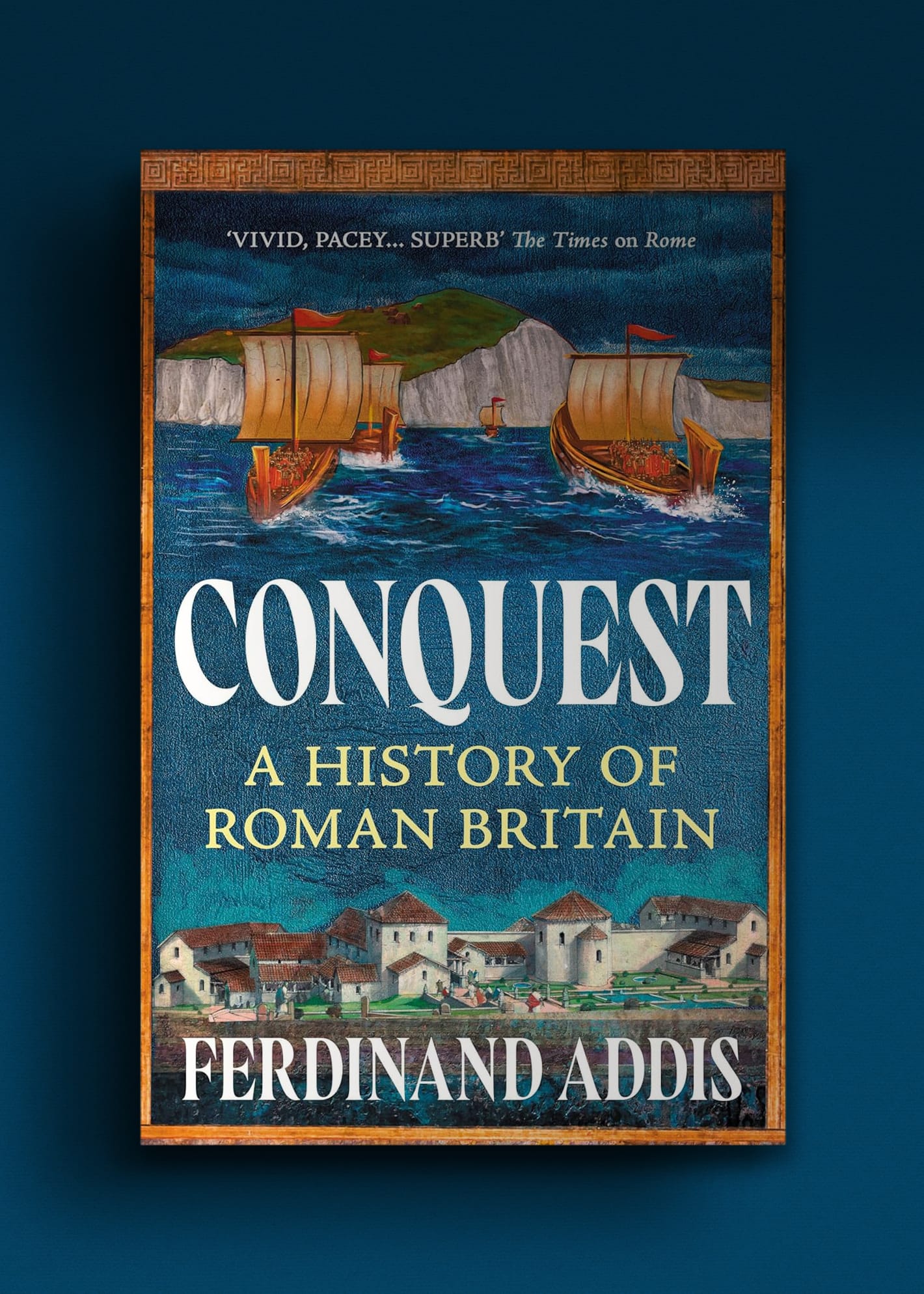
Conquest: A History of Roman Britain by Ferdinand Addis
Apollo, 9 July 2026
Invasions seem to be a theme in this list, and if 1066 doesn't entice you then how about AD83? This was the year in which General Agricola concluded the Roman conquest of Britain.
In contrast to William of Normandy's efforts, those of the Romans' were a much more drawn out affair. Julius Caesar, after all, had started his British campaigns in the 50s BC but found the island stubbornly difficult to subdue. Another century would pass before Agricola would conclude his work, absorbing into the Roman Empire the barbarous island on the northern rim of Europe.
Ferdinand Addis writes about this with great panache. Having previously produced a lively study of the city of Rome, Conquest is a logical follow up that allows him to riff away on familiar sources while shifting his focus to a new geography. Indeed one of the virtues of this book is that Addis can adopt different perspectives: that of the conquering Romans and that of the subjugated Britons. The book is a mix of the grand and the intimate, too, and while we learn about campaigns and battles there is also insight about social history: food, villages, roads, villas.
Roman Britain is generally reckoned to have endured for around three and a half centuries until AD410. This was no fleeting visit and readers of Conquest will end Addis's cleverly assembled book with a renewed appreciation of this vital phase in our island story.
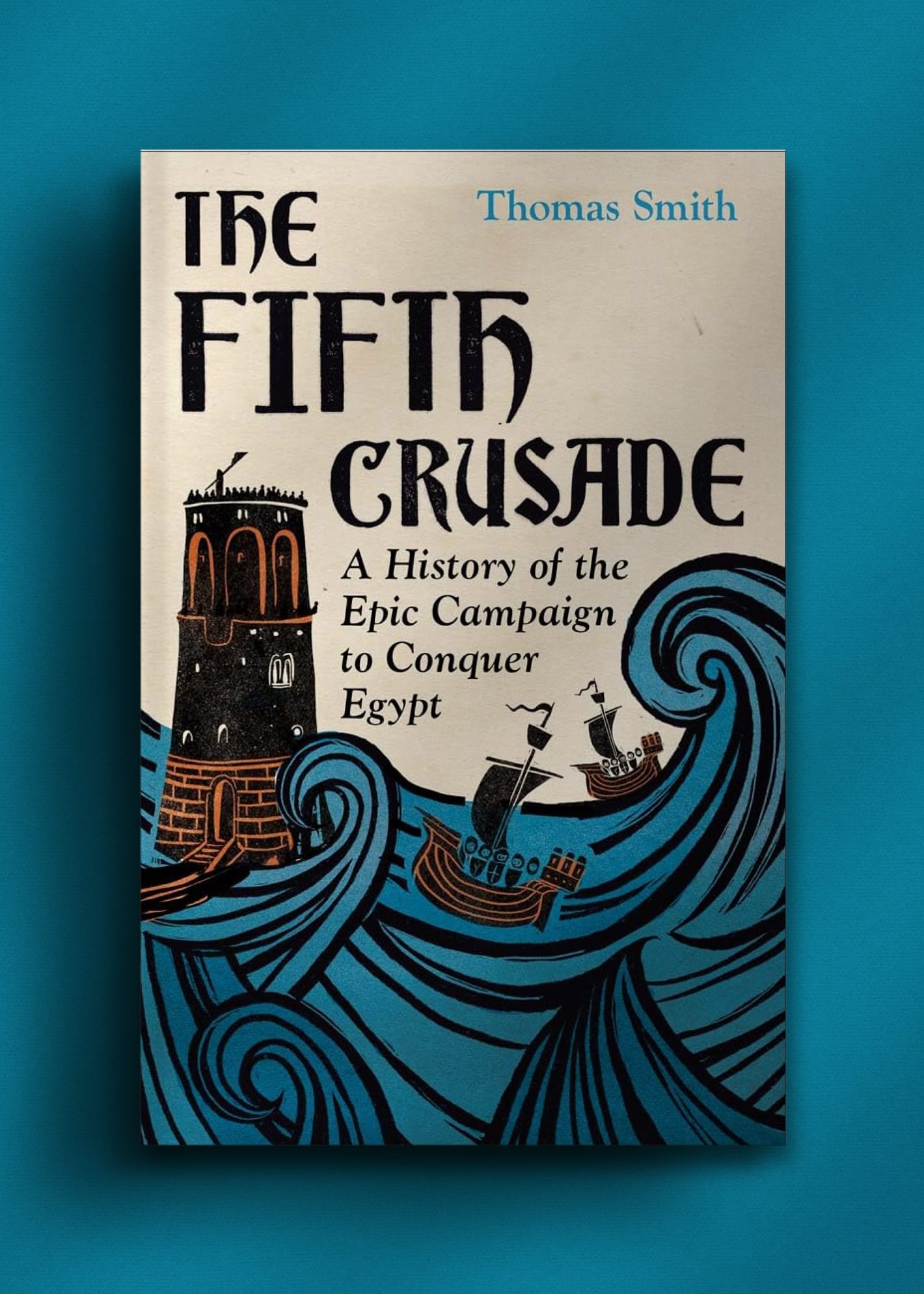
The Fifth Crusade: A History of the Epic Campaign to Conquer Egypt by Thomas Smith
Yale University Press, 14 July 2026
For those of you searching for an invigorating, dynamic historical read this summer, then Thomas Smith's sweeping account of the Fifth Crusade is a prime contender.
The Crusading Era is an immediately vivid one to us today: shining armour, fluttering banners, Jerusalem, the holy quest. And yet the Fifth Crusade was rather different. Led by the rulers of Hungary and Austria, its aim was not to capture the Holy City, but to instead complete a conquest of Egypt – the breadbasket of the Muslim world.
This makes for an attractive, somewhat off-kilter proposition. We have the vision of the Knights Templar and Hospitaller, in the ancient world of the pharaohs and the pyramids. This wasn't, as Smith's narrative makes plain, a congenial visit too. After some early success with the Siege of Damietta, pride preceded failure at the Battle of Mansurah in 1221. After this the Crusader army left Egypt having accomplished nothing.
Smith is an expert guide to this history. He has previously produced scholarly work on the letters from the First Crusade (1096–1099) and, as such, he has an insight into the psyche of the crusaders. Readers can expect plans, marches, landings, sieges and battles, with a good measure of hubris thrown in.
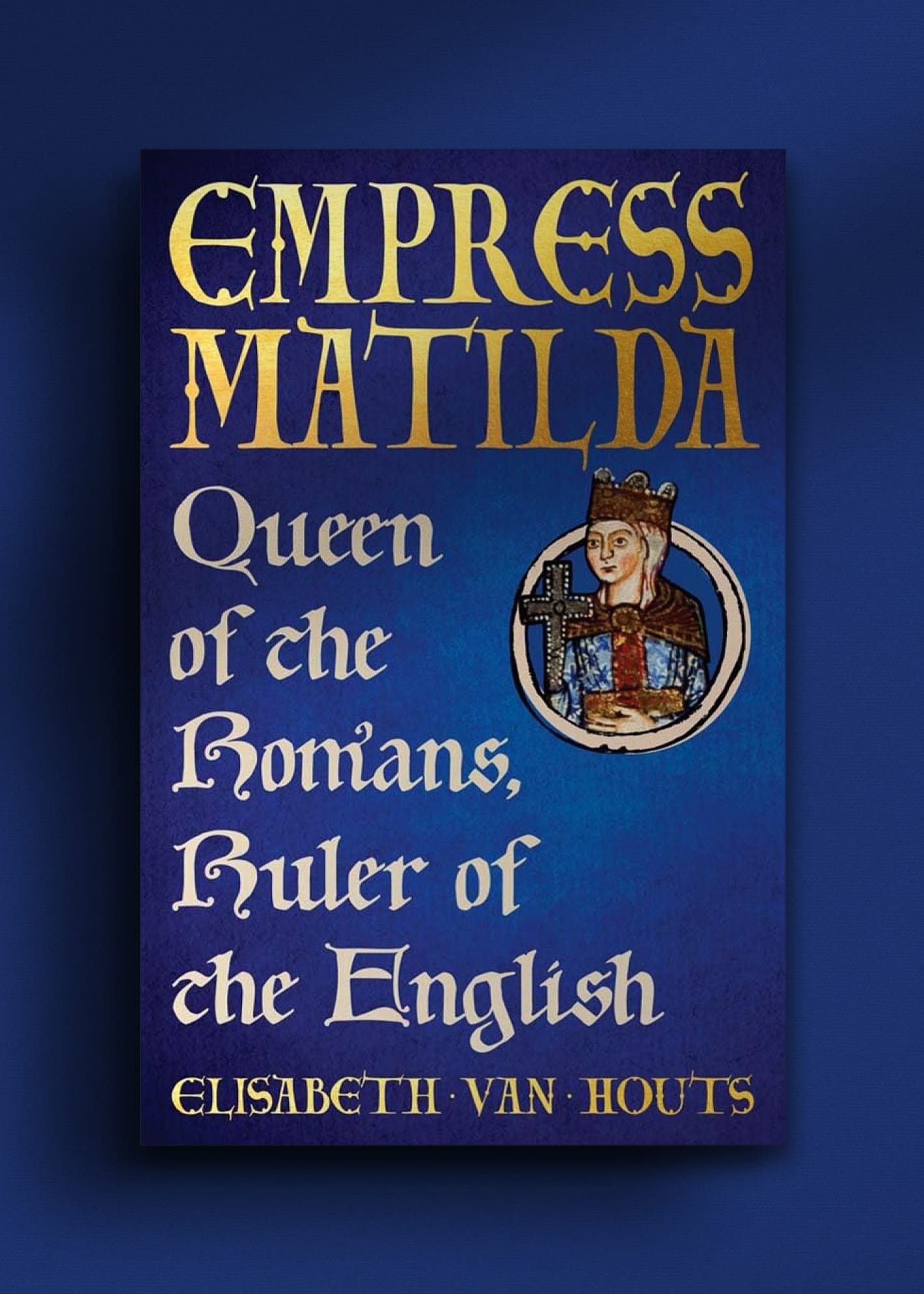
Empress Matilda: Queen of the Romans, Ruler of the English by Elisabeth Van Houts
Yale University Press, 14 July 2026
Nuzzled in the years between the Norman Conquest of England and the departure of the Fifth Crusade (see above for books on both of these) rests the colourful life of the Empress Matilda. Matilda was the child, wife and mother of kings and she very much connects to the Bayeux Tapestry's characters, being the granddaughter of William the Conqueror himself.
A noblewoman of the highest rank and an active figure in the political history of the High Middle Ages, Matilda is very much worthy of the attention she is given in this acclaimed new biography from Emeritus Professor Elisabeth Van Houts of the University of Cambridge.
Engaged to the Holy Roman Emperor Heinrich V when she was just seven years old, Matilda's life seemed destined to play out far away from England. But all plans were upended by the White Ship Disaster of 1120 when her brother, William Ætheling, heir to the English throne was drowned. When Heinrich, too, died shortly afterwards, the dynamics that would govern Matilda's life thereafter were fully established.
Van Houts guides us through all this with the surest of steps, presenting a new portrait of a woman who may be familiar to some from Catherine Hanley 2019 biography. She is particularly adept at evaluating the German sources and one is left with resonant questions about this beguiling life. Was it possible to be a powerful woman in the Middle Ages? Where did the boundaries of power lie?
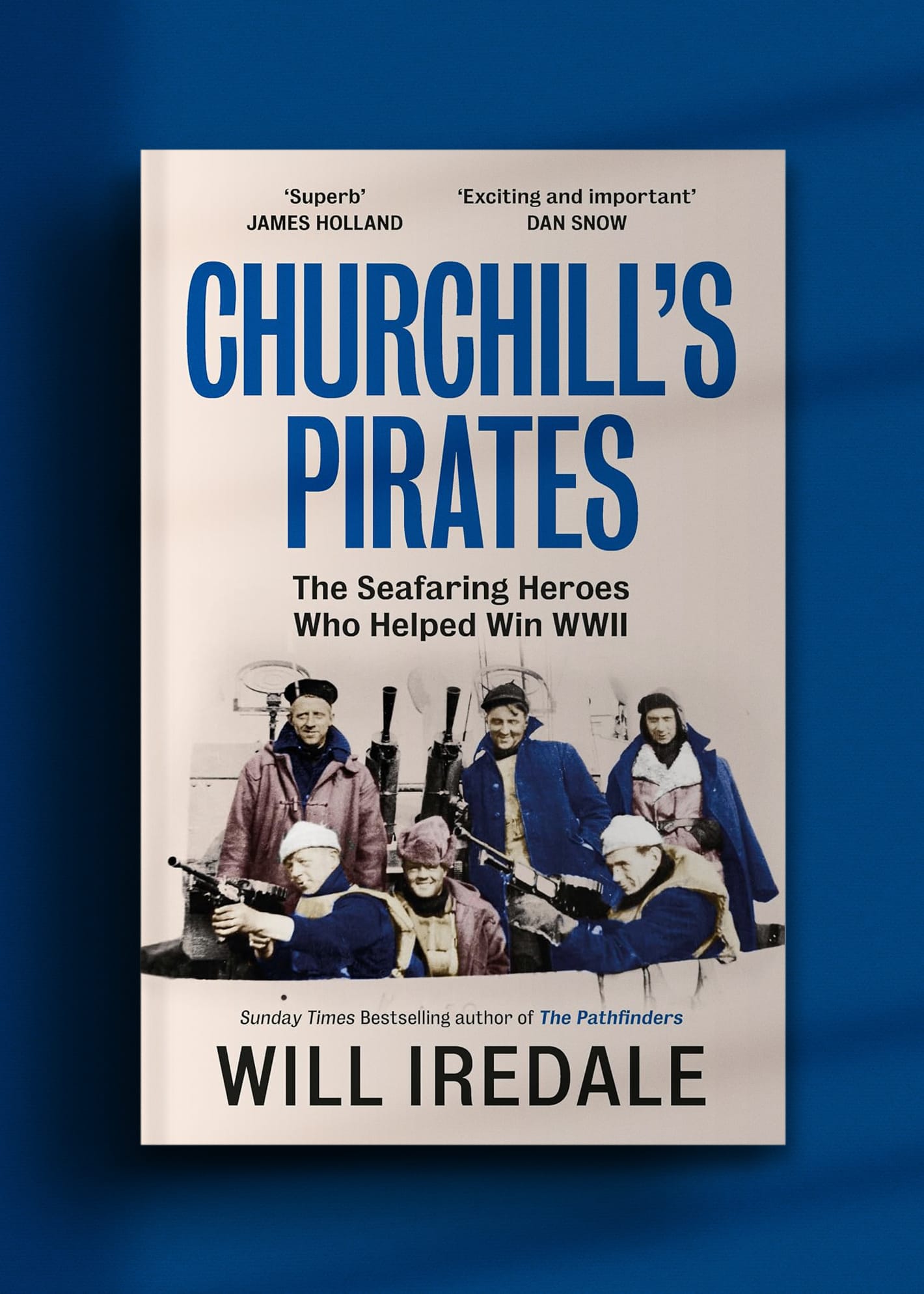
Churchill's Pirates: The Seafaring Heroes Who Helped Win WWII by Will Iredale
WH Allen, 6 August 2026
Most of us are familiar with the story of Dunkirk. A huge but exhausted, defeated army is swept off the French beaches and carried to safety by a hastily assembled flotilla of pleasure boats and fishing vessels.
It's tempting to think of this as an isolated moment in a war that was otherwise professional and highly structured. But Will Iredale's Churchill's Pirates upends this view in thrilling style as he documents the history of the Royal Naval Patrol Service.
This part of the navy (neatly described as 'a navy within a navy') comprised trawlers, yachts and a colourful assortment of other crafts and they were set to profitable work, clearing mines, tracking U-boats, providing intelligence and, ultimately, playing a very active and meaningful role in the military contest.
To judge the importance of this subject it should be remembered that Churchill himself stated that 'The only thing that ever really frightened me during the war was the U-boat peril.' For an island nation, left fighting alone in 1940, the sea was both a source of supply and a place of threat. 70,000 men, Iredale informs us, belonged to the Royal Naval Patrol Service. Here, as a stirring summer read, is just the place to hear their stories anew.
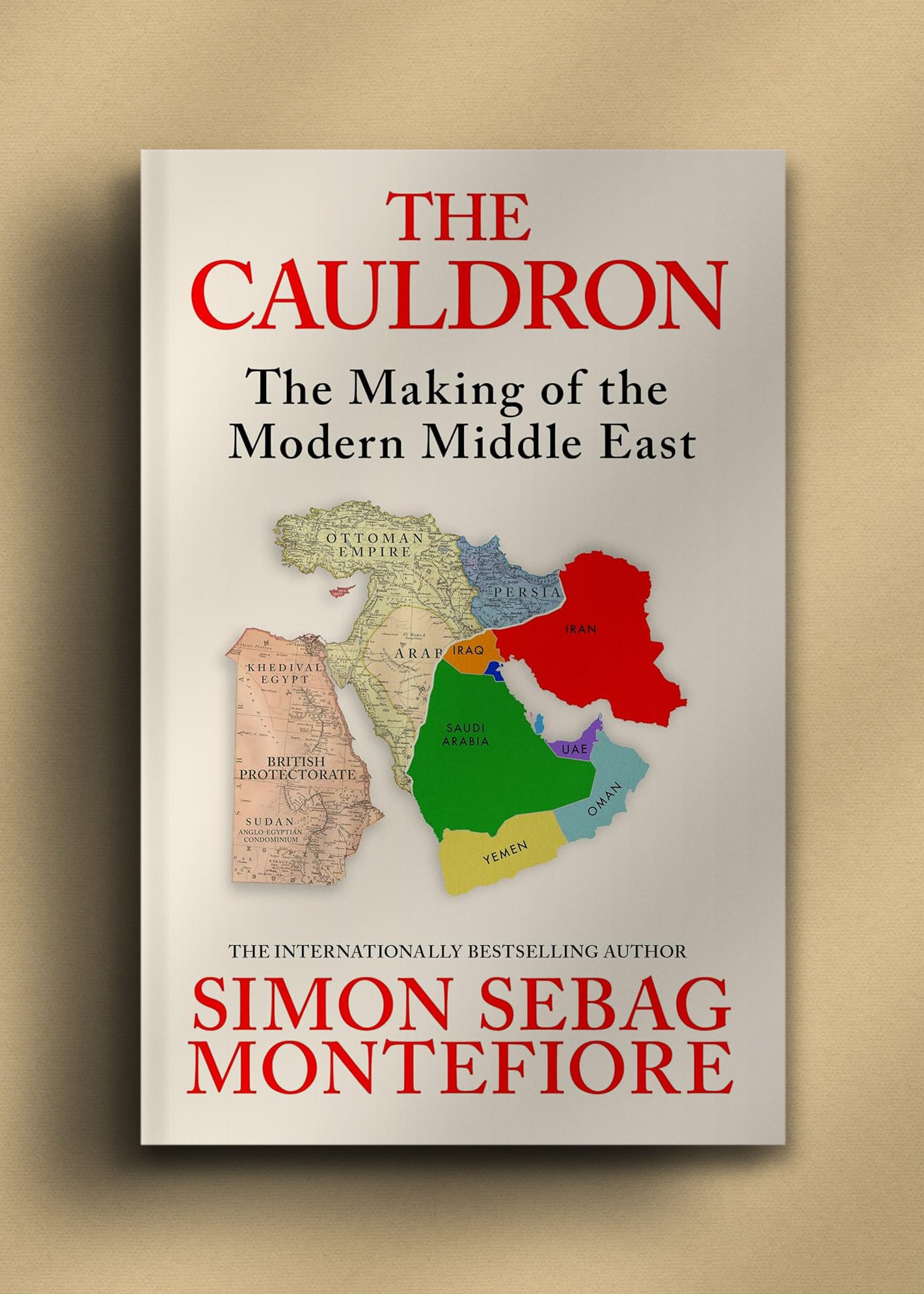
The Cauldron: The Making of the Modern Middle East by Simon Sebag Montefiore
W&N, 25 August 2026
For those of you engrossed with the precarious geo-politics of our world and a desire to understand its dynamics better, Simon Sebag Montefiore's latest work is the one to search out later in the summer.
Montefiore is an established writer who has shown himself capable of great range and synthesis in books like Jerusalem (2011) and The Romanovs (2016) and these are essential skills for a book as complex, nuanced and sprawling as this. Cauldron has a compelling idea at its core: teasing out the historical forces that have created the tense, interconnected and combustible Middle East of today.
The book opens in the year 1900 with the Ottomans and British the leading powers in the region. From that point he sweeps forward through the tumultous century that followed, charting the creation of modern states like Saudi Arabia, examining the Armenian Genocide, tracing the thrilling discovery of vast reservoirs of oil and eventually reaching the Iranian Revolution of 1979. This is the history behind the politics of today.
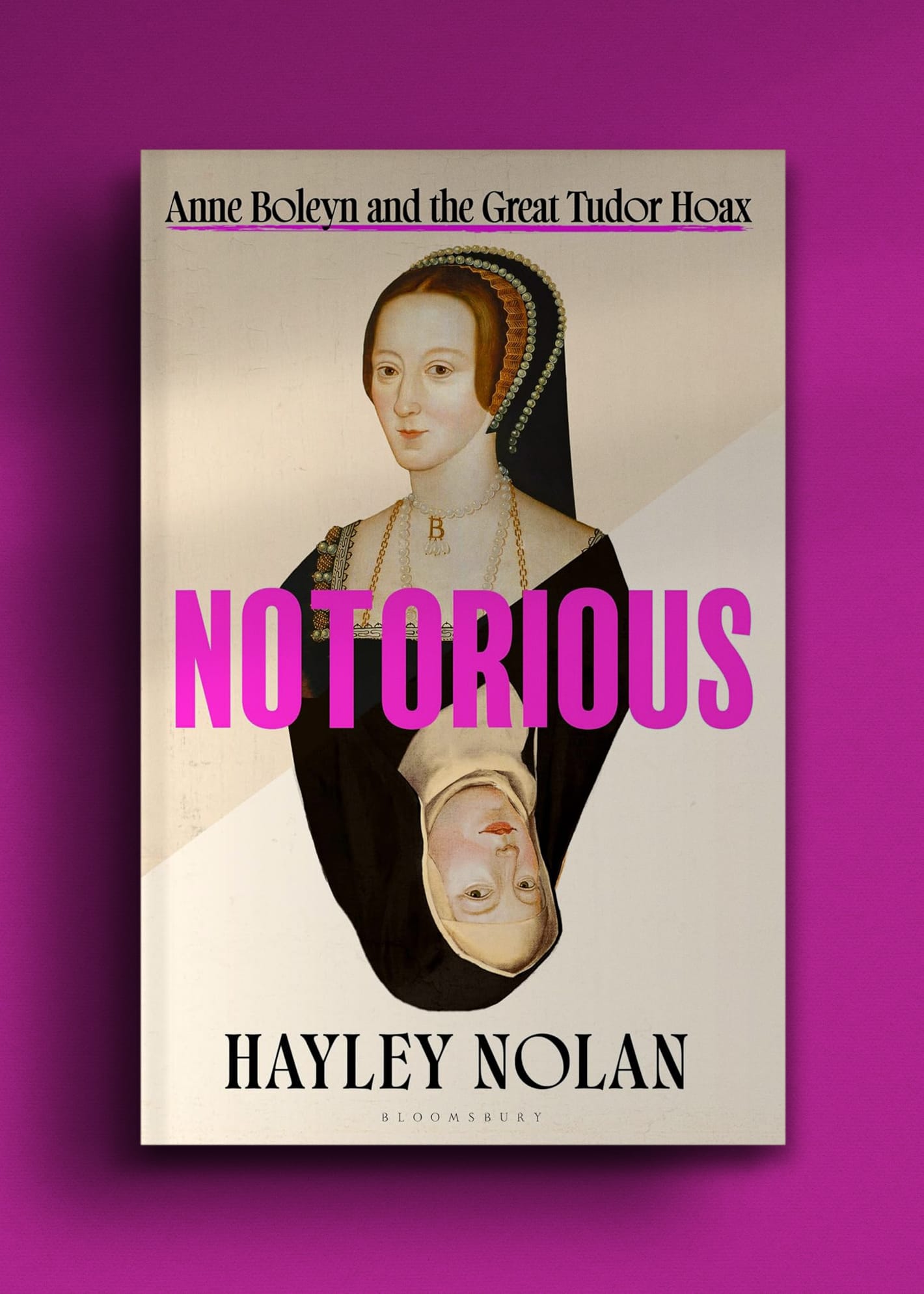
Notorious: Anne Boleyn and the Great Tudor Hoax by Hayley Nolan
Bloomsbury, 27 August 2026
In all English history few decades have captured the imagination like the 1530s. This is the period of Henry VIII's clash with Rome, of the Pilgrimage of Grace, of Thomas Cromwell and Anne Boleyn. Not quite as famously, it was also the time of Elizabeth Barton.
Here to remind us about Barton's very curious life is Hayley Nolan in Notorious – a suitably punchy title. She retells the story of how her protagonist chose the course of greatest danger at a moment of huge tension by issuing increasingly scandalous prophecies. The most inflammatory of these was that the king would die within months of any re-marriage.
Why did Elizabeth take this course? How much credence was she given? What was her broader effect on the history of the times? While Elizabeth herself was predictably enough, strung up at Tyburn in 1534, these questions have outlasted her. Here, in this vibrant retelling, Nolan provides her answers.
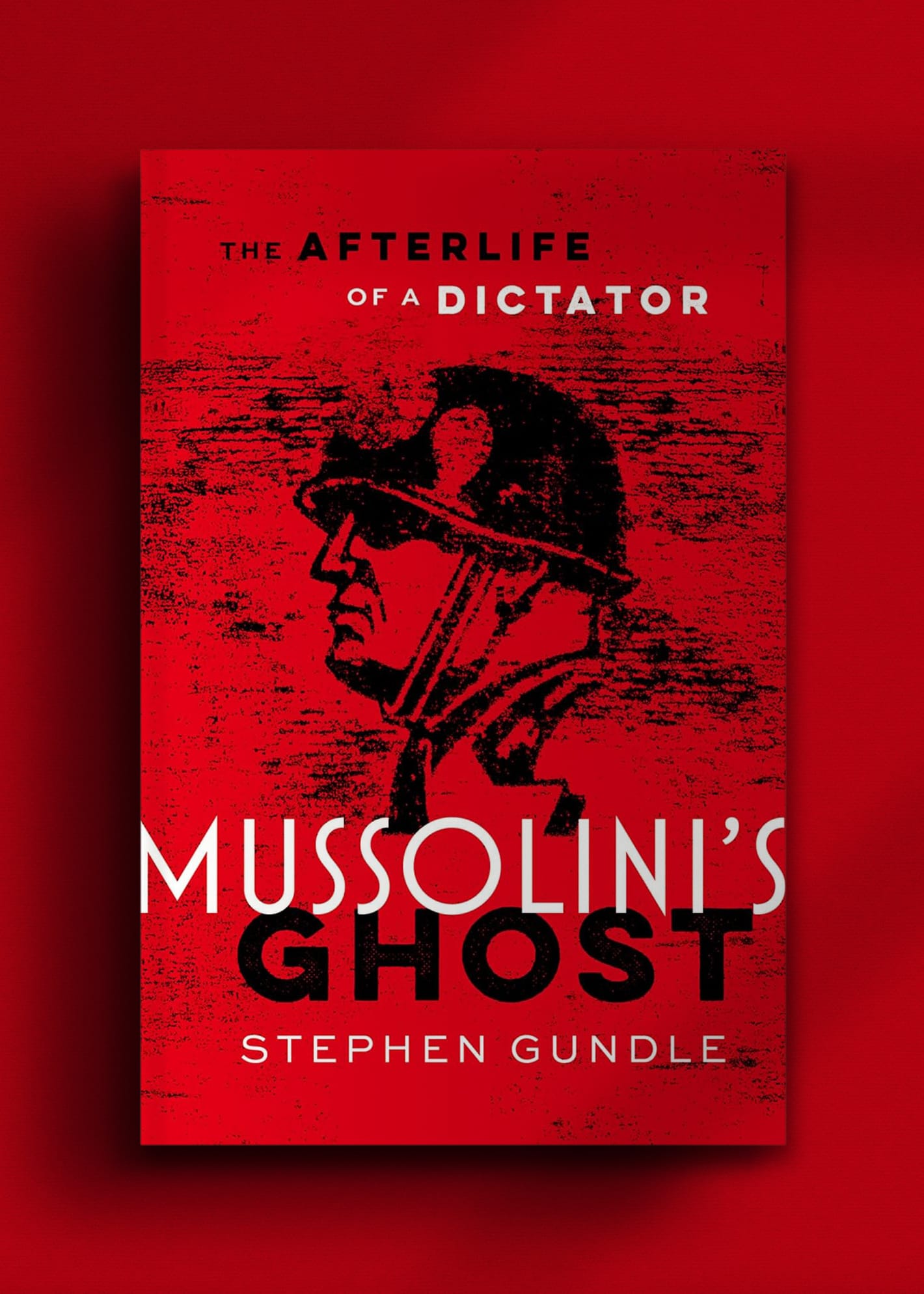
Mussolini's Ghost: The Afterlife of a Dictator by Stephen Gundle
Oxford University Press, 27 August 2026
Shortly before Adolf Hitler went up in flames in Berlin, in April 1945 the Italian dictator Benito Mussolini suffered an even more humiliating death. Having been shot he was hung upside down in a Milanese square before an angry crowd. It was quite the end to his political career.
However, as Stephen Gundle, Professor of Film and Television Studies at the University of Warwick, explains, this was not the end at all. Rachele Mussolini, Il Duce's widow, turned out to be an energetic activist when it came to his legacy and, before long, Mussolini's identity began to fuse with emerging ideas about masculinity, Italian identity and leadership.
Gundle's book analyses all of this in a very similar way to which Caroline Sharples looked at The Long Death of Adolf Hitler earlier in the year. This is a book of great scholarly insight for readers better wanting to understand questions about political belonging and national identity – subjects very active in our society today.
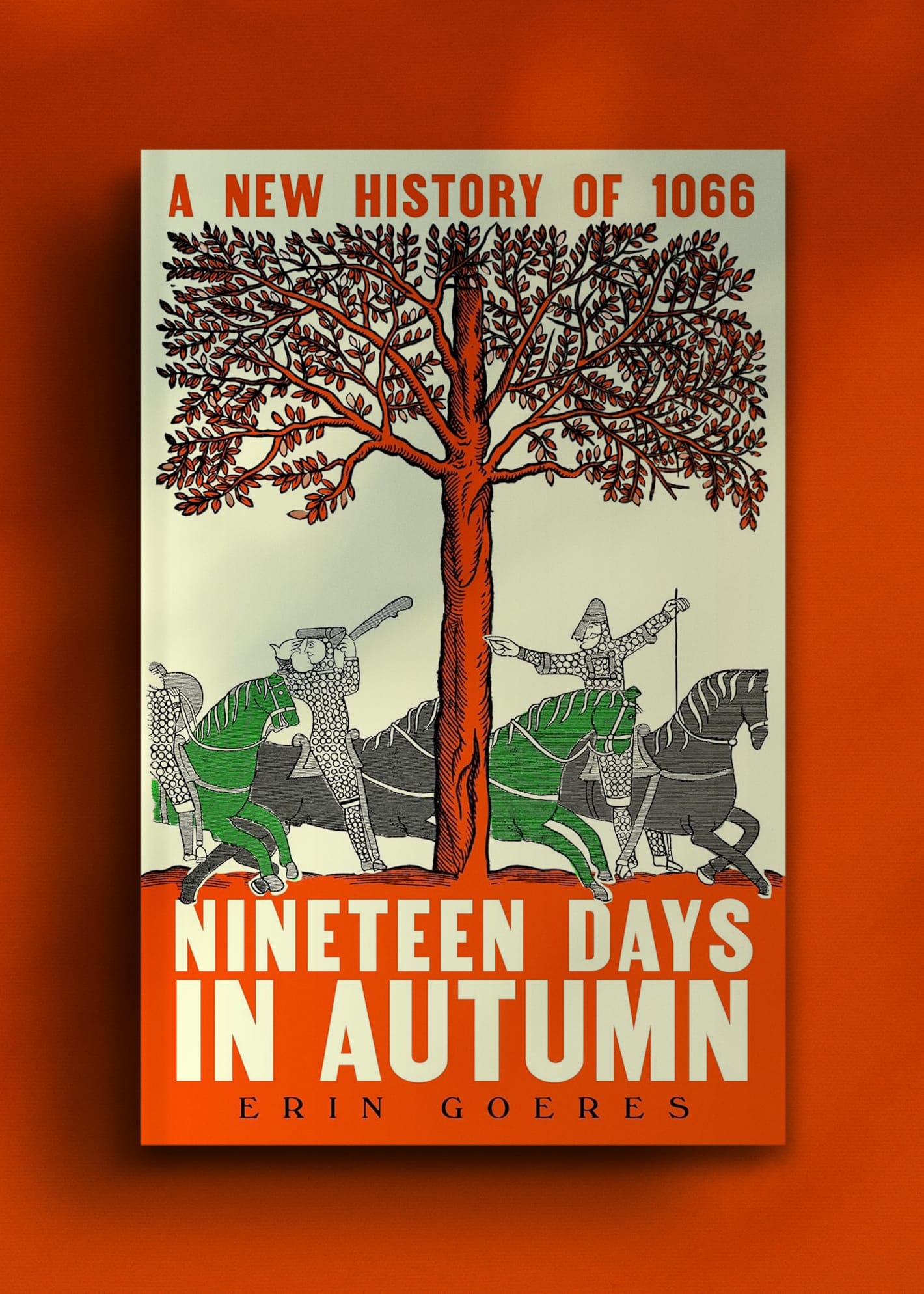
Nineteen Days in Autumn: A New History of 1066 by Erin Goeres
Viking, 27 August 2026
And so we end this list of summer previews back where we began, in that defining year for England: 1066. While Lewis and Musgrove's book (above) unpicks that history through the device of the Bayeux Tapestry, Erin Goeres, an Associate Professor in Scandinavian Studies at UCL, turns instead to dramatic narrative.
Like all of the best histories of this form, Nineteen Days in Autumn is one with a clear timeframe. This span refers to the interval between the Battle of Stamford Bridge and the Battle of Hastings. Crammed into this near-three weeks are the triumphs and tribulations of mighty characters like Haraldr Sigurðarson, William of Normandy and Harold Godwinson. Each of these, as Goeres shows, represent divergent histories that stretch far beyond the battlefield.
Told with true verve, the virtue of Goeres's book lies also in her affinity with the sources. These come from Scandinavia and Europe as well as England. She has a determination, too, to uncover fresh perspectives. One of these belongs to another Matilda – Matilda of Flanders, whose relationship with Harold Godwinson is one to make readers wonder.
📸 Dive into our Features
🎤 Read Interviews
🎧 Listen to Podcasts
🖼️ Buy fine art prints & more at our Store


