
The Lady of the Land: The Pioneering Life of Eve Balfour
Robert Ashton outlines the experimental researches of the English aristocrat, farmer, educator and organic farming pioneer Lady Eve Balfour


Agriculture underwent a revolution during the twentieth century as traditional methods of farming were replaced by chemicals and machines.
And yet during this time one far-sighted women, Lady Eve Balfour, sensed that the ground beneath our feet was working in magical and little understood ways.
As Robert Ashton, author of Down To Earth, explains, in 1919 Balfour bought a farm in Suffolk and began an experiment that would change the way we see the land.

For references please consult the finished book.
Evelyn 'Eve' Balfour was born in 1898 and was by all accounts a fascinating lady. Her maternal grandfather, Robert Bulwer-Lytton, had been Viceroy of India, so Queen Victoria's representative, and her mother, Elizabeth, was a suffragette.
Elizabeth had married the brother of Arthur Balfour who had been prime minister between 1902 and 1905 and who is remembered for the 1917 Declaration which sought to create a Jewish homeland in Palestine.
Eve Balfour was therefore remarkably well connected and I’m sure well to do, but at the age of 20 she decided she wanted to become a farmer.
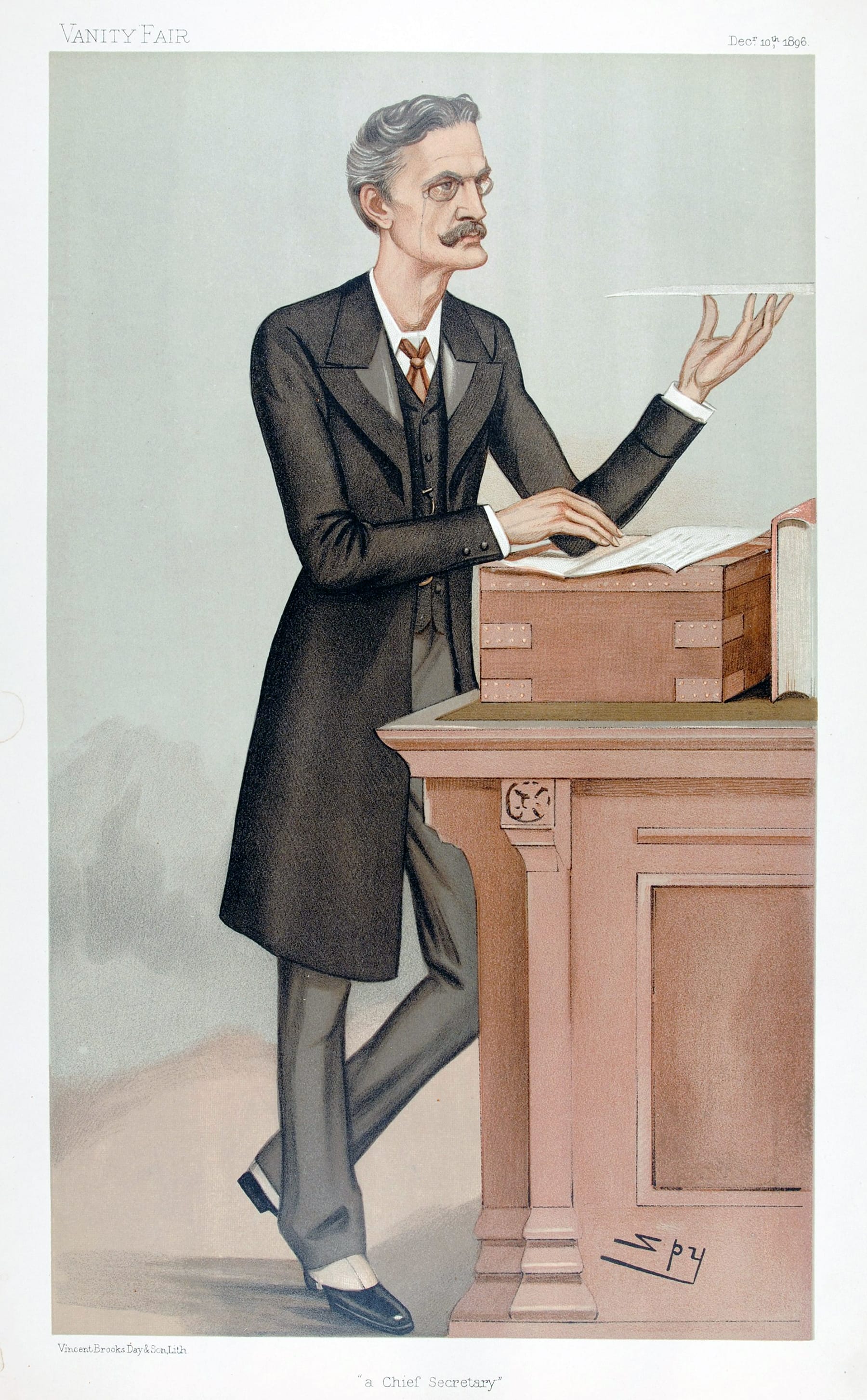
In 1919, at the suggestion of a family friend who already farmed in Suffolk, Balfour and her sister bought a farm at Haughley in Suffolk with the money from a recent inheritance. Perhaps influenced by her upbringing, she decided to challenge the way farming was then done.
In 1939 she Balfour up what became known as the 'Haughley Experiment' in which she farmed some of her land organically, some conventionally (as fertilisers were then becoming commonplace) and some using a mixture of organic and conventional methods.
At a conference in Switzerland in 1977 Balfour explained what her Haughley Experiment had revealed. She described how it had led to widespread recognition of the importance of 'ecological awareness' in agriculture.
That’s a bold claim, but by then the experiment had been running for more than a quarter of a century, and Balfour came from a family accustomed to high profile public achievements. She had boundless self-confidence.
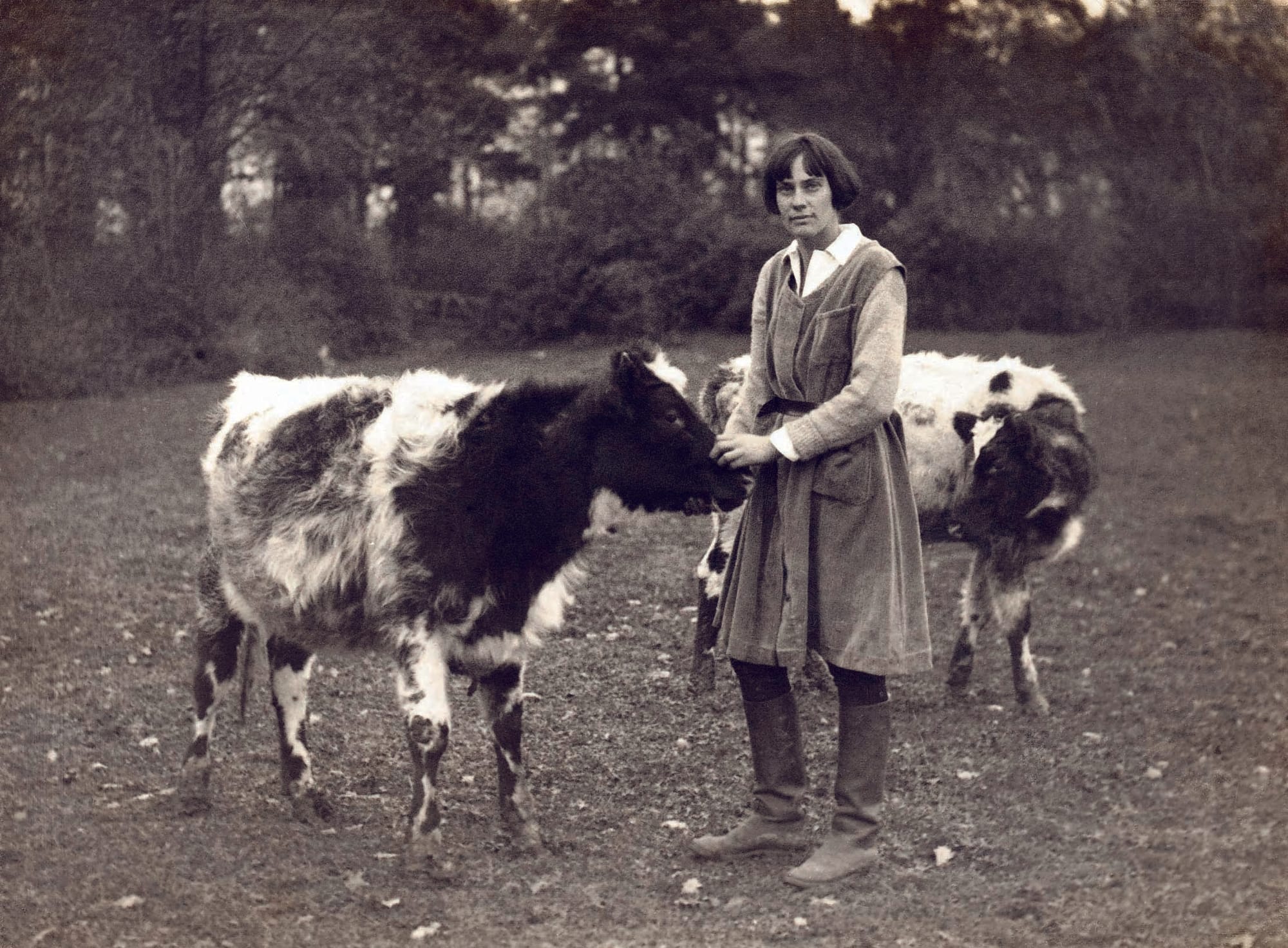

The way Balfour described how she farmed the three sections, gives an insight into how agriculture operated a century ago. Each of her experimental areas carried a dairy herd, a flock of sheep and a flock of poultry. All livestock feed was raised on the farm, with cereals and pulses grown from seed retained from the previous year’s crop.
The crops were grown in rotation, with grass leys in some years to provide grazing. Only milk, eggs and surplus livestock were sold from the farm. This was how smallholdings made a living in the past. They were largely self-sufficient with little bought in.
On one of her experimental areas Balfour used fertilisers, herbicides, insecticides and fungicides. On what she called the organic section, none of these were ever applied. A third section was a mixture of the other two, not fully organic, but also not totally reliant on manure for fertility.
Each section would have received and dung from grazing livestock, but I think only the organically farmed areas had farmyard manure from her cattle and poultry sheds spread over it. This, she said, created a closed cycle. You could almost say that they effectively converted, via the crops they grew, energy from the sun into meat, milk and eggs.
On the artificial fertiliser section, no farmyard manure was applied, because she wanted to demonstrate the impact of the then emerging concept of treating a farm like a factory, so using chemicals rather than organic material to create yield.
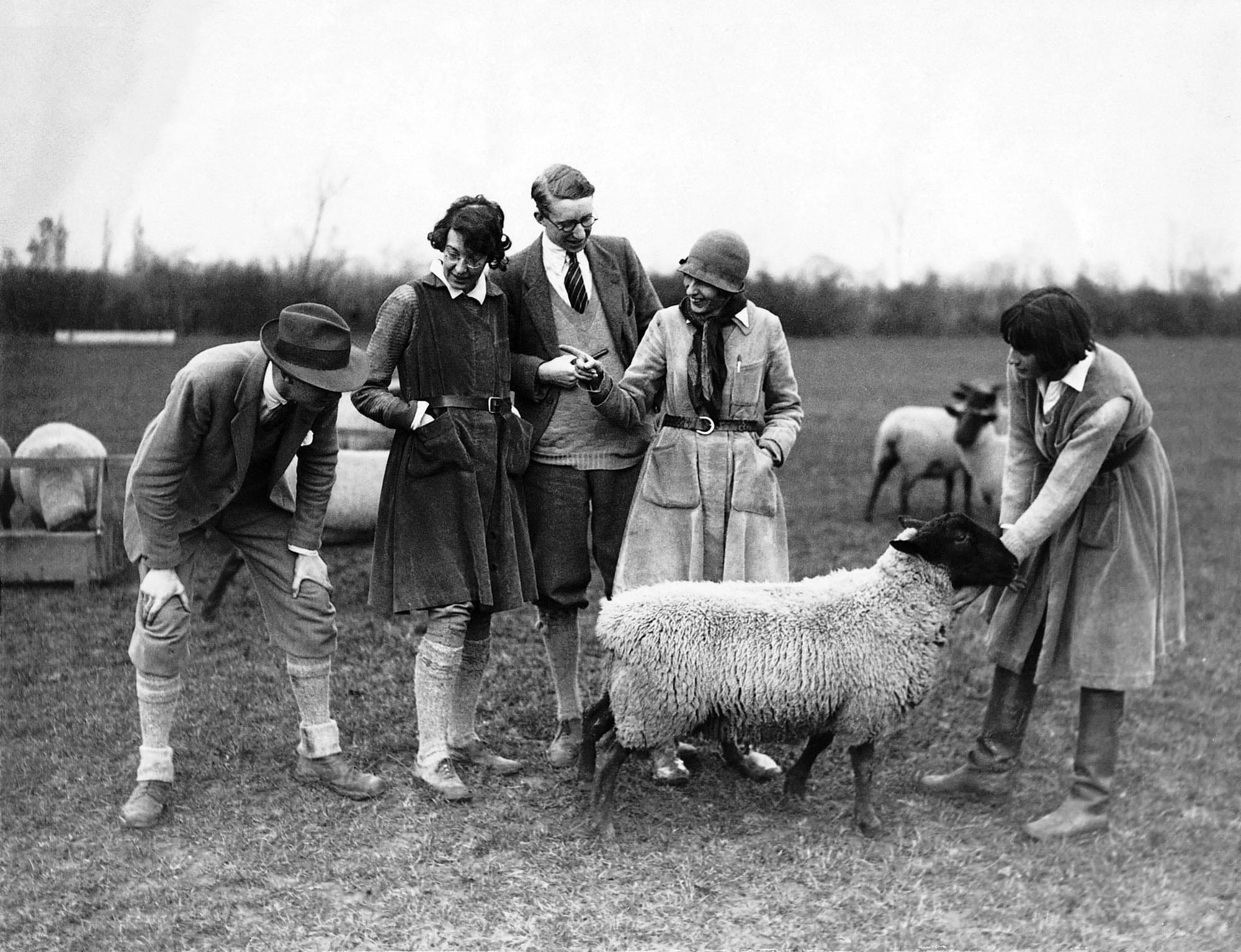
Frequent soil testing across all three different areas revealed that in the organically farmed areas, plant nutrient levels varied according to the time of year. Balfour suggested that this meant that the forces of nature were at work in the more biologically active fields, making more nutrients available when the crop needed them most.
This seems a little far-fetched, but more recent researchers have found that plant roots do release organic compounds called 'exudates' into the soil, which stimulates microbial activity. This, in turn, breaks down organic material releasing nitrate and phosphate, which along with potash, are the three most important plant nutrients.
Some would say this is too much detail, but what this process of nutrient release suggests is that, if a soil has little organic matter, the growing crop will be more reliant on artificial fertiliser for its nutrients.
In other words, in humus rich soils as most farms will have had, plants can to an extent, call for and prompt the release of the nutrient they need to flourish. This startling fact highlights the importance of caring for our soil and not abusing it.
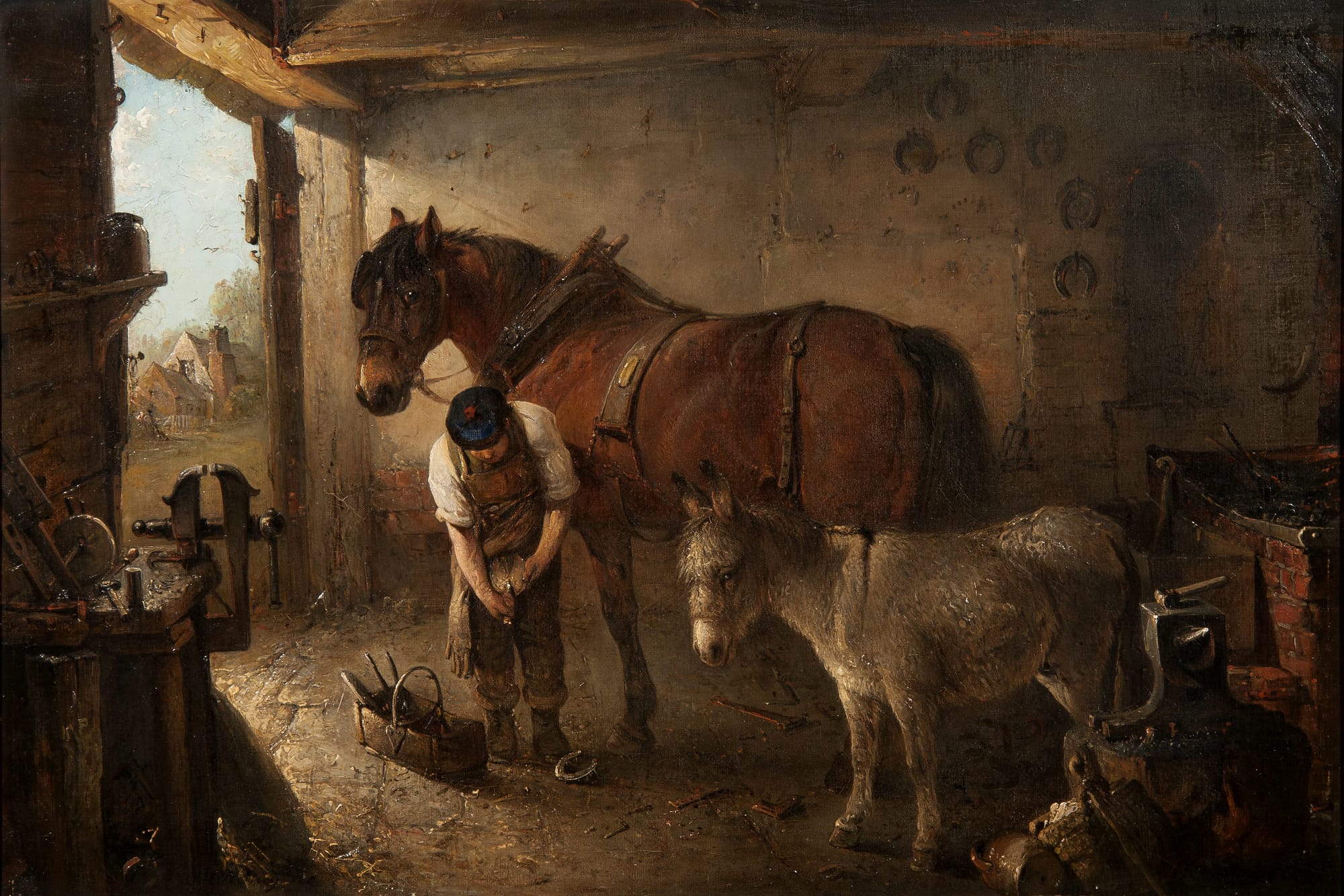
Eve Balfour talked of the areas of her farm where fertilisers were used as becoming dependent on them, while the organic section prospered happily without any. She also found that on the organic areas, autumn sown cereals developed more robust root systems before making more top growth.
This will have made the crops more drought resistant as more roots creates more opportunity to absorb water. This perhaps is one reason why her milk yield from cows grazing grass leys grown on the organic area was, over twenty years, around fifteen percent higher than on the non-organic area.
This weight of evidence from the Haughley Experiment must have been met with enthusiastic support by Wilfred-Shewell Cooper, who had long been advocating taking better care of our soil. It’s not surprising that he joined Eve in forming the Soil Association in 1946.
Originally set up as an educational and research body, it quickly grew and today is a recognised certification association, allowing growers, processors and retailers to show the world that they are truly working organically.
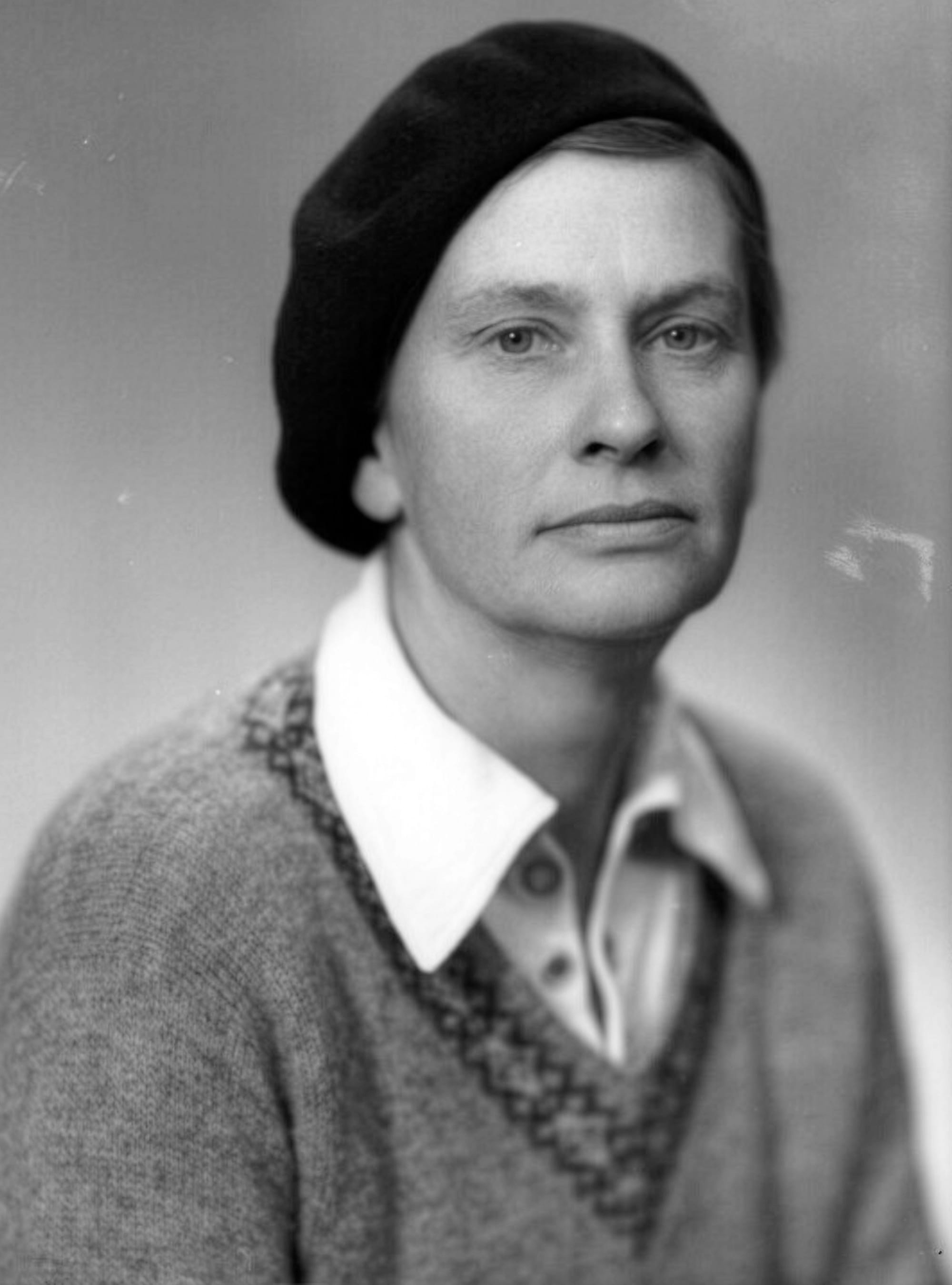
In her book The Living Soil (1943) Balfour quotes Harvard professor Nathaniel Shaler, who in 1896 wrote:
If mankind cannot devise and enforce ways of dealing with the earth, which will preserve the source of life, we must look forward to a time – remote it may be, yet clearly discernible – when our kind having wasted its great inheritance, will fade from the earth because of the ruin it has accomplished.
Were she alive today, I think she would be saying that that future time that Shaler described, is now arriving.
In the same book, Balfour makes the point that replacing horses with internal combustion engines has robbed the land of millions of tonnes of horse manure. She was equally scathing about modern sewage systems, bemoaning the fact that; ‘a greater potential tonnage of fertilisers, excreted from the human body are washed away to pollute the rivers and sea.’
In the increasingly noisy twenty first century, the Soil Association has become a significant campaigning voice, advocating what they call 'agroecology', a holistic approach that missed the farm as an ecosystem, so not a million miles from the closed cycle she created with her Haughley Experiment.
All the evidence is there, that if we work with the soil, it will work with us. And if we abuse it, ultimately, it is we who will lose out •
Down To Earth: Rediscovering Our Roots Through The Soil Beneath Our Feet
Wilton Square Books, 2 July, 2026
RRP: £16.97 | ISBN:978-1806770106
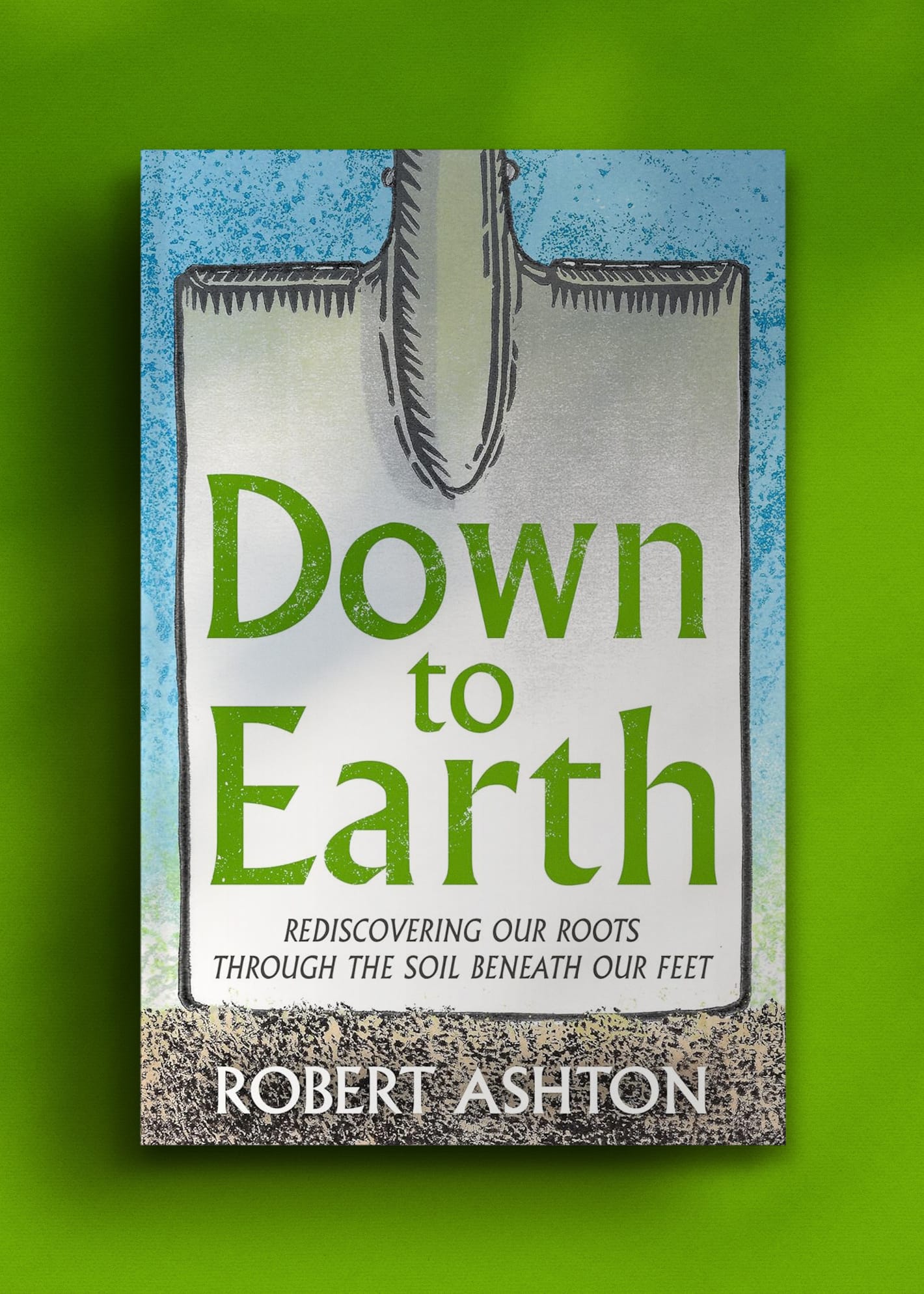
We rely on the soil and its rich biodiversity for our food, traditions and folklore, but are we guilty of taking it for granted?
In Down to Earth, Robert Ashton traces our evolving relationship with the soil from Neolithic flint miners to modern day naturists. By engaging with the people who work the land – gardeners, farmers, gravediggers and archaeologists – he unearths a wealth of practical wisdom, moving from the mysteries of ancient folklore to the urgency of today's environmental crisis.
Each chapter explores an aspect of our connection to the earth, seeking to deepen our understanding of its importance. All life depends on the soil, and this book serves as a vital call to treat our most precious resource with the reverence and respect it deserves.
With thanks to Sophie Portas.
📸 Dive into our Features
🎤 Read Interviews
🎧 Listen to Podcasts
🖼️ Buy fine art prints & more at our Store



