
New History Books for May 2026
Our pick of new history books for May. From the Vikings to the Weimar Republic, the Georgian Dining Room to Winston Churchill


We cast our eyes over a selection of new history books that will be released over the month ahead.

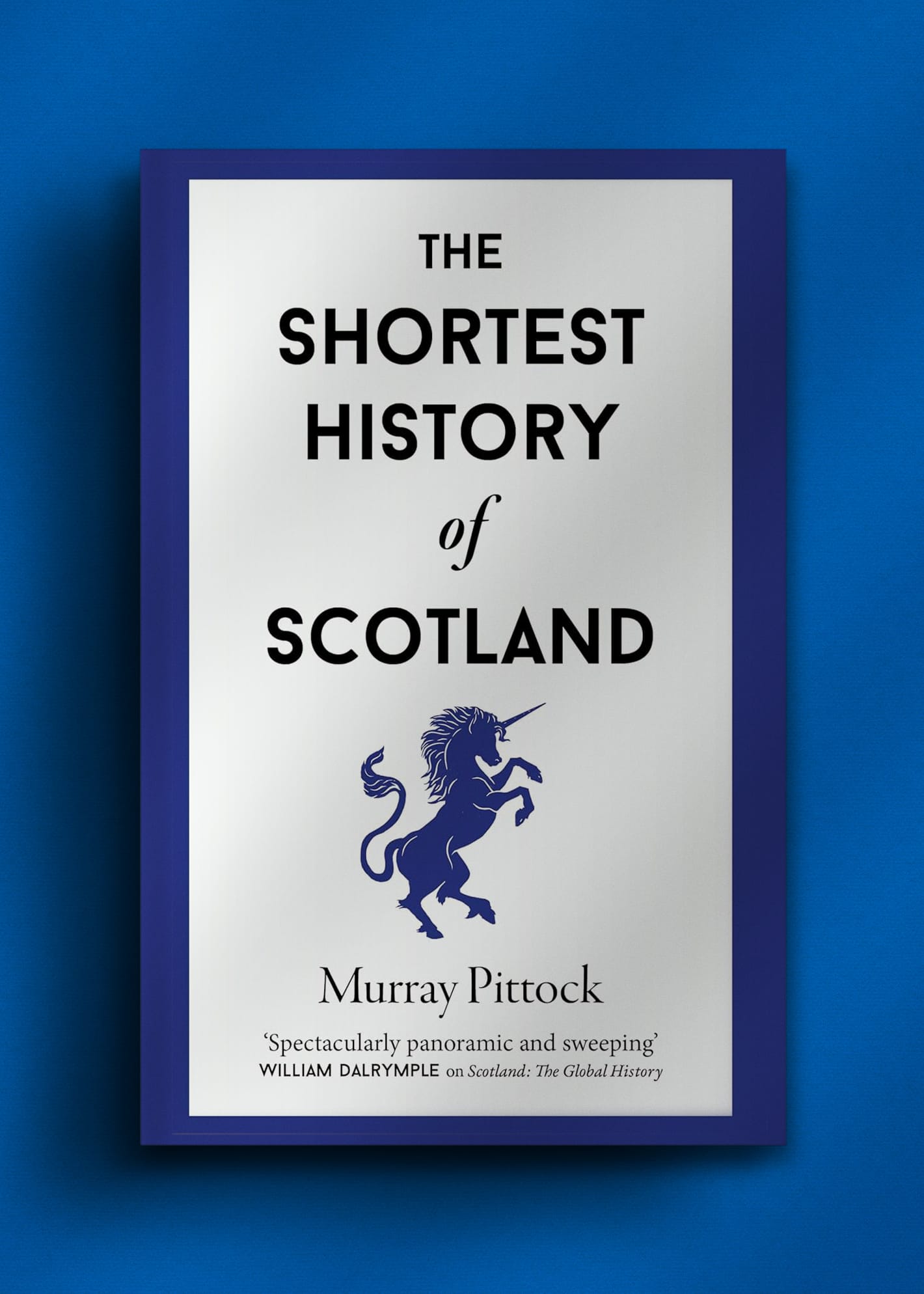
The Shortest History of Scotland by Murray Pittock
Old Street Publishing, 5 May 2026
When the glaciers receded after the last Ice Age, as Murray Pittock explains in this authoritative glide through his nation's history, the land we now call Scotland was 'bleak and bare'. It was the domain of wolves and bears, aurochs and lynx.
Captured in this description is a view that persisted for long afterwards. Scotland was a forbidding place: a land of mighty rivers and mountains with a coastline that was twice the length of England's. The Romans, Pittock reminds us, set the outer limits of their empire at Hadrian's Wall.
This is a playful opening to a Shortest History in which Pittock – a prominent academic at the University of Glasgow – is keen to present the magic of a beguiling place. Scotland's identity, he explains, has very much grown in opposition to that of its noisy neighbour to the south. Of course there's the familiar stories here – of Wallace and Bruce, Bannockburn and Flodden – but there's equally views of many other kings like David I who ruled over his half million subjects a millennium ago.
While the Act of Union of 1707 formally ended Scotland's life as an independent nation, Pittock reminds us that Scotland retained much that made it distinctive. It still today has its own church, law and education systems. Its national borders have not changed since 1237.
The Shortest History series is always a joy and this book, arriving at an intriguing time as Scottish identity continues to develop, is an excellent new addition.
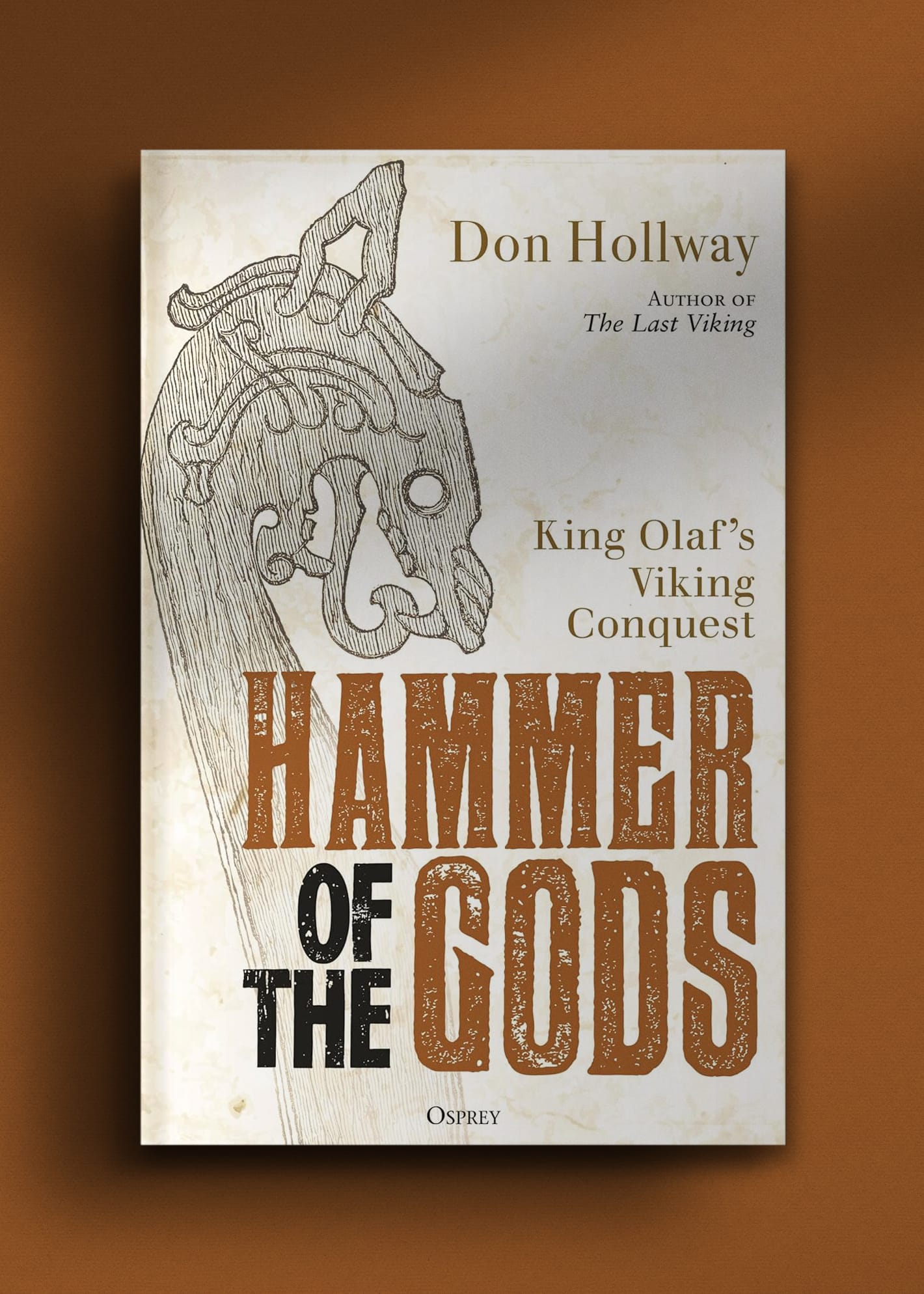
Hammer of the Gods: King Olaf's Viking Conquest by Don Hollway
Osprey, 7 May 2026
Over the past few years the US writer and reenactor Don Hollway has produced a series of breezily written, perceptive accounts of Viking history. Now, crowning a trilogy of sorts, is Hammer of the Gods, a book that attempts to piece together the sanguine life of Olaf Tryggvason – a figure who is variously described as 'warlord, wanderer, king and crusader'.
This Olaf very much conforms to our picture of the violent, marauding Norseman. He is chiefly remembered today for his tyrannical 'Christianising' campaigns, in which he burnt sacred pagan temples, toppled statues and murdered political rivals.
Across the North Sea in England, meanwhile, he was quite likely the Viking who triumphed at the Battle of Maldon in 991. As such he is significant in that mini epoch of early English history – that involving King Cnut – that ran all the way through until that eventful year, 1066.
Hollway is a true lover of history. This enthusiasm shines through in his account of this 'age of axe and flame'.
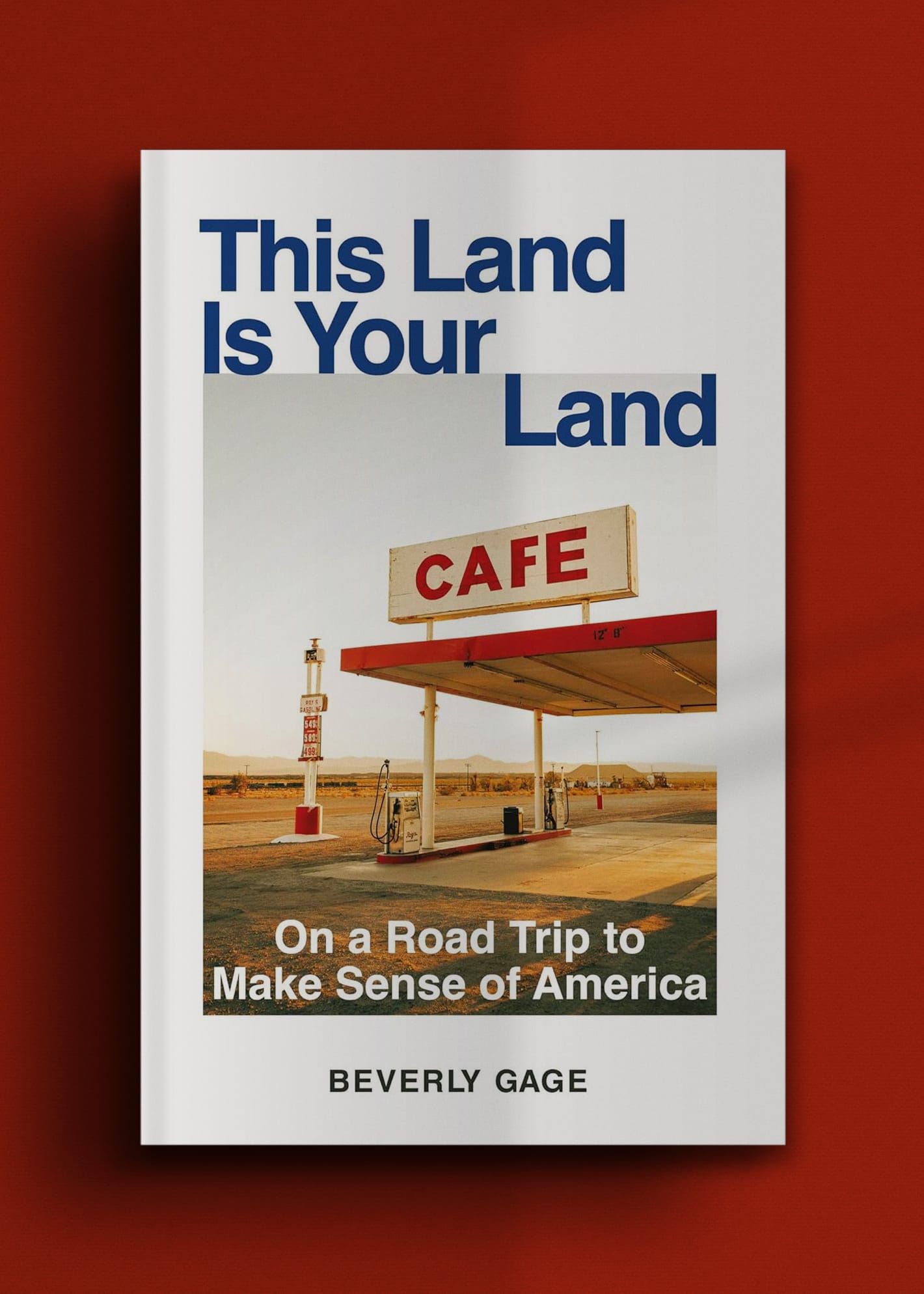
This Land Is Your Land: On a Road Trip to Make Sense of America by Beverly Gage
Oneworld, 7 May 2026
The anniversary of the year is the USA's semiquincentennial – or, rather less fussily put – it's 250th birthday. In more measured times this might be the prompt for a little back-slapping or gentle nostalgia. But given the angst and division that is everyday present in US culture, for open-minded historians like Beverly Gage has become a spur for reflection instead.
Gage, a professor at Yale, won a Pulitzer Prize for her 2022 biography of J. Edgar Hoover and in the years since she has decided 'to check out of the ivory tower and check in with the past as it exists here and now'. In practical terms this meant jumping into her car and setting out for cultural landmarks across the 50 states.
The 'road trip' is a classic of US culture. Here it works neatly as a storytelling device, as Gage visits familiar locations like Mount Vernon or Monticello weighing the history as she goes. Some of her sites and subjects might be predictable, but her narrative really is a bran tub of allsorts with dives into the South, to Texas and Upstate New York among the mix. A wise and thoughtful book.
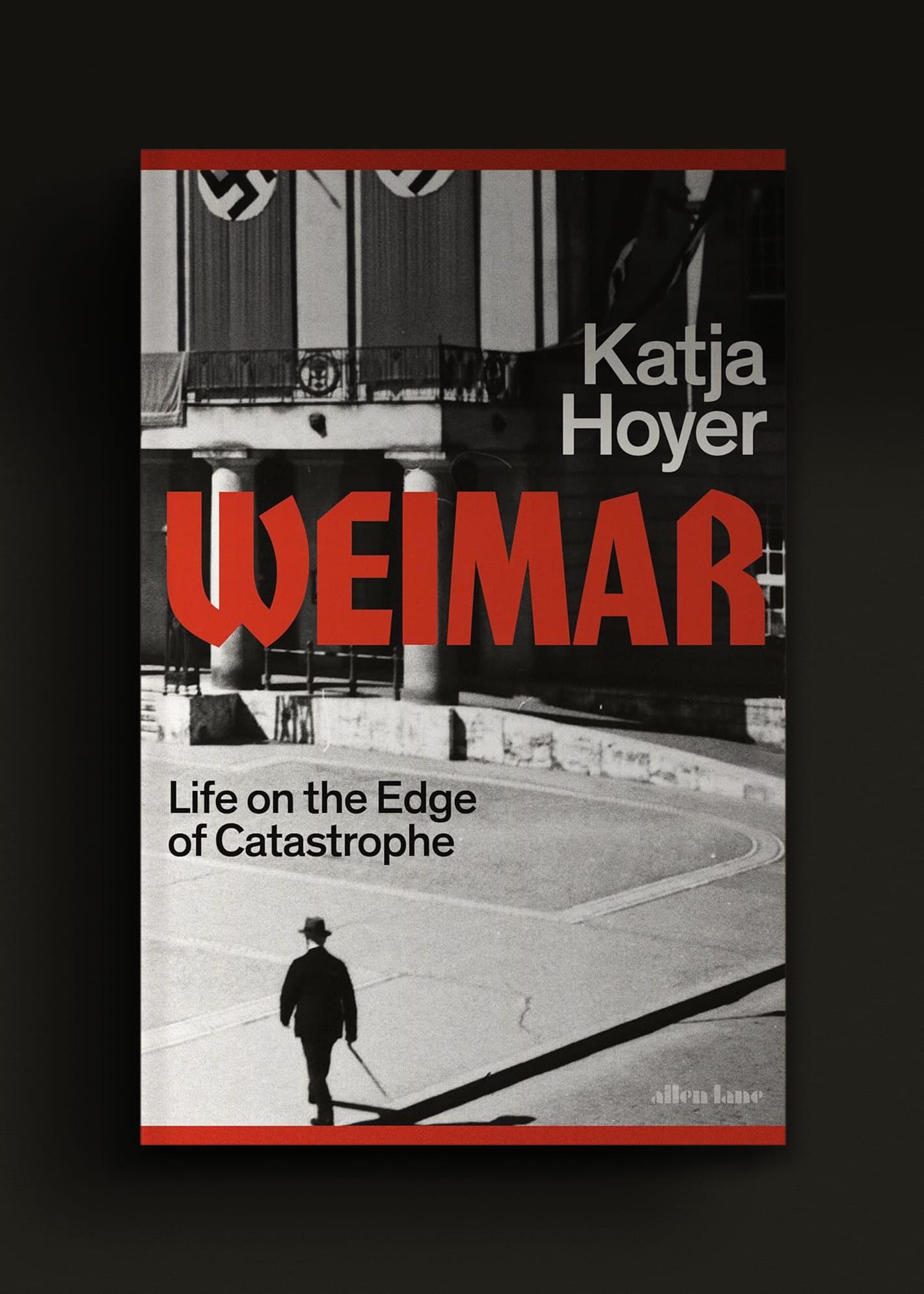
Weimar: Life on the Edge of Catastrophe by Katja Hoyer
Allen Lane, 7 May 2026
Few periods of history are as loaded as that between 1918 and 1939 in Germany. Defeated and humiliated at the end of the Great War, the focus of political power in the country shifted from Imperial Berlin to the centrally-located city of Weimar. 'The Weimar Republic', as one Adolf Hitler disparagingly called it, was Germany's attempt to create a different politics.
Hoyer's account of Weimar derives its emotional power from our knowledge of its failure. She structures her story crisply, working through the unfurling tragedy one year at a time. Her interest lies in the human story. Among these we learn about the stationer Carl Weirich and the hoteliers Rosa and Arthur Schmidt, following their stories through letters and journals. Each of them were to become a victim to 'the catastrophe' in their own distinct way.
German born, now living in England, Hoyer's perspective is a valuable one. She is a gifted researcher and writer. This book, her third, once again sees her elegantly decoding German language sources untouched by most British historians.
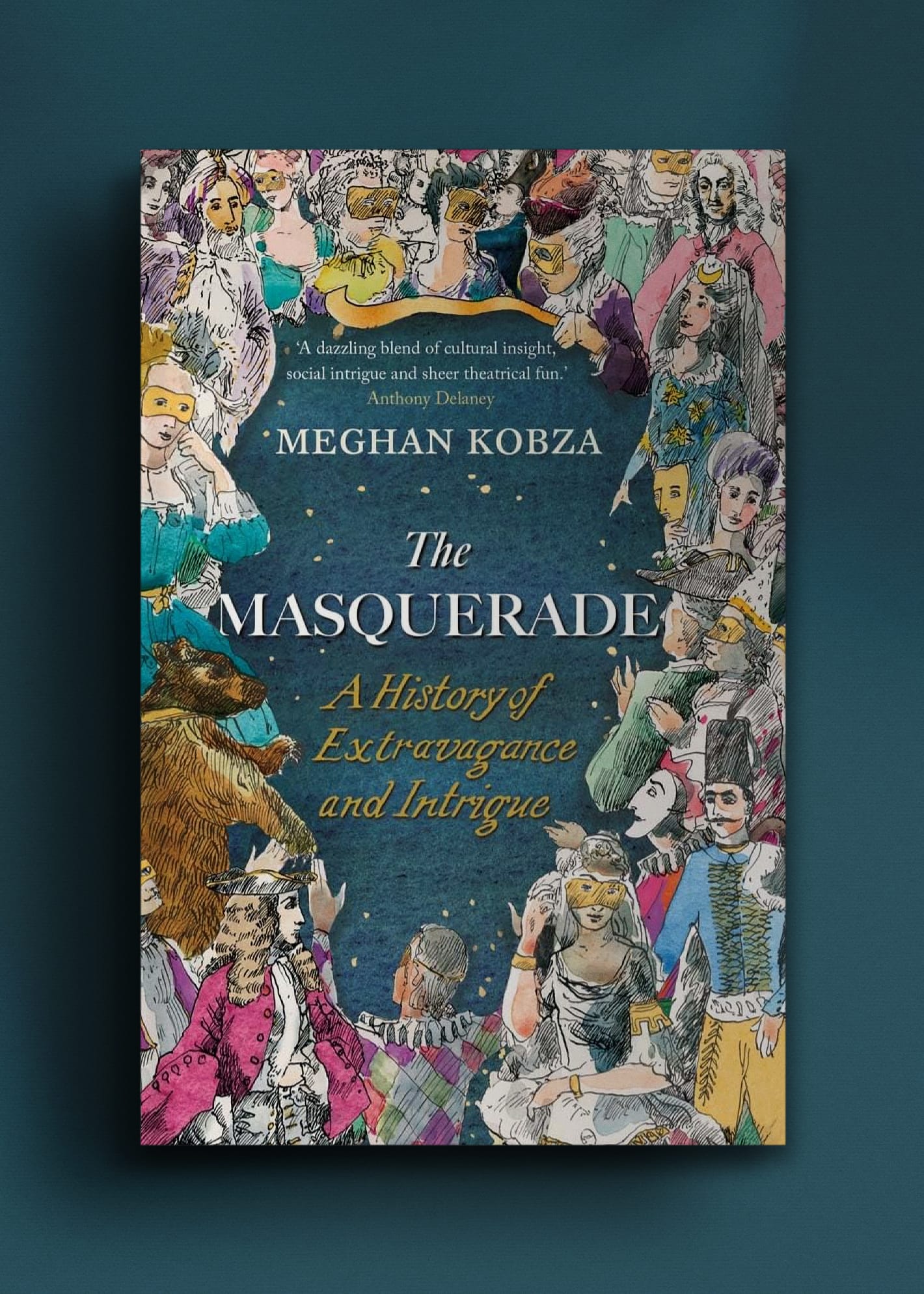
The Masquerade: A History of Extravagance and Intrigue by Meghan Kobza
Yale University Press, 12 May 2026
In the early years of the eighteenth century an entrepreneurial Swiss showman called John Heidegger swept into London town with a charmingly new idea. Soon he was hosting sumptuous 'masquerades' at fashionable London theatres that were dressed up specially for the occasion. The Georgians came to these like bees to honey and soon everyone agreed that Heidegger's masquerade was an outrageous hit.
Three centuries on the idea of these masquerades continues to charm. There were the costumes or 'habits', the food and drink, the dancing, 'the extravagance and intrigue', as the academic historian Meghan Kobza puts it in this stylish study.
With her subject fixed in the title, Kobza is free to plunge into the detail of this vibrant subject. She does so with gusto and erudition coming back up for air with a book that sparkles with life.
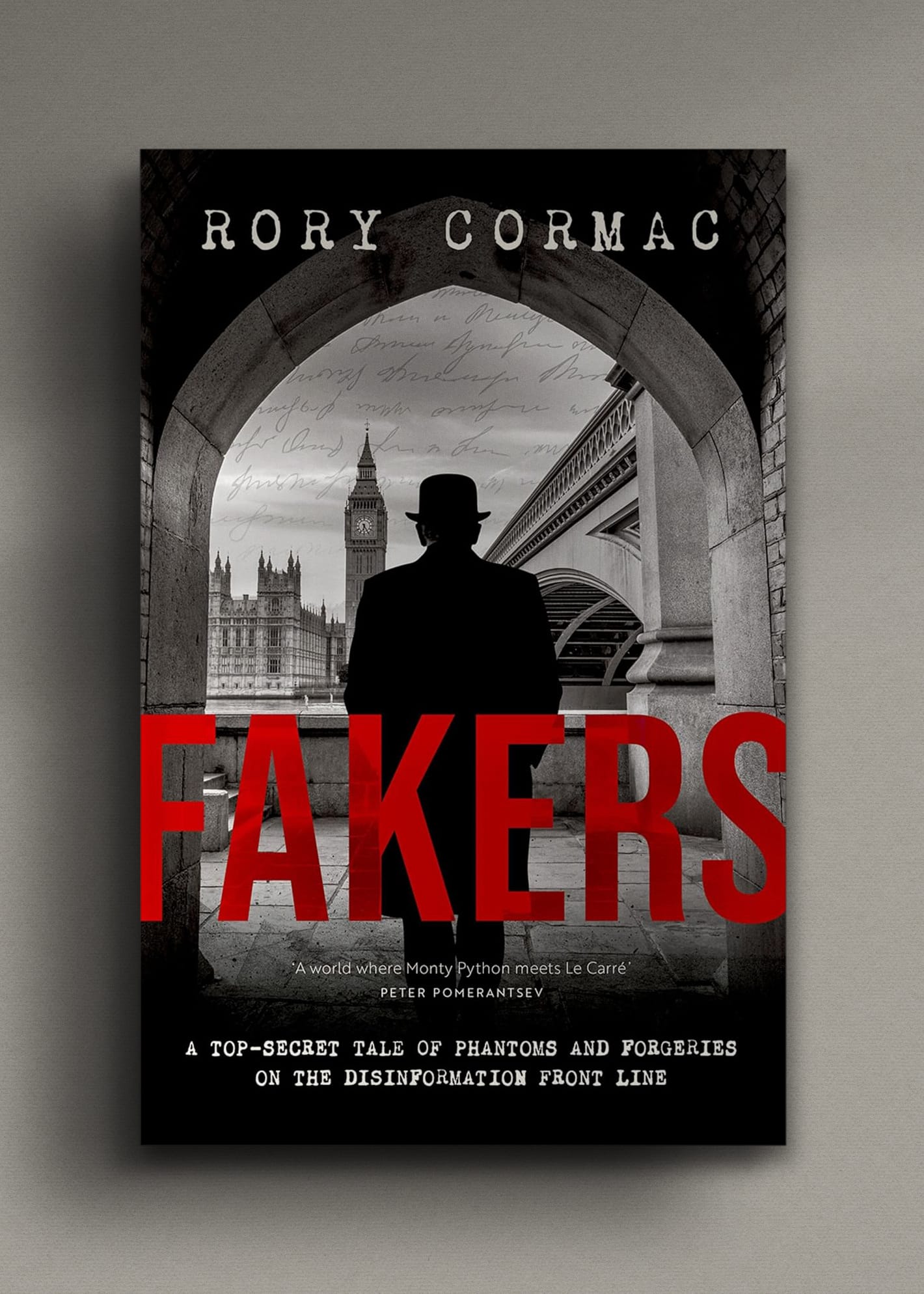
Fakers: A Top-Secret Tale of Phantoms and Forgeries on the Disinformation Front Line by Rory Cormac
Oxford University Press, 14 May 2026
Today the cultivation of counter narratives takes place very much in public, with whichever politician or commentator on whatever subject asserting themselves on social or the shows. By a time there was, not so very long ago, when the narratives (or disinformation campaigns as we should call them) were hewn with much more subtlety and sophistication in the private offices of government.
Here, in Fakers, Rory Cormac presents us with a perfect example of this. His Cold War story involves a group of 'bowler-hatted refugees, voluble ex-journalists, trailblazing women, and licentious literary sorts' who were gathered together into the rather Orwellian 'Information Research Department'. The objective of this group was to sow as much doubt and discontent into their adversaries' minds as they possibly could.
Cormac, a professor at the University of Nottingham, has been researching stories of spies and counter narratives for more than a decade. His breakthrough for Fakers came when he gained access to 8,000 recently declassified documents. They told a story full of political drama – some of it whimsical, some of it profound – that he frames in this enticing, zeitgeisty book.
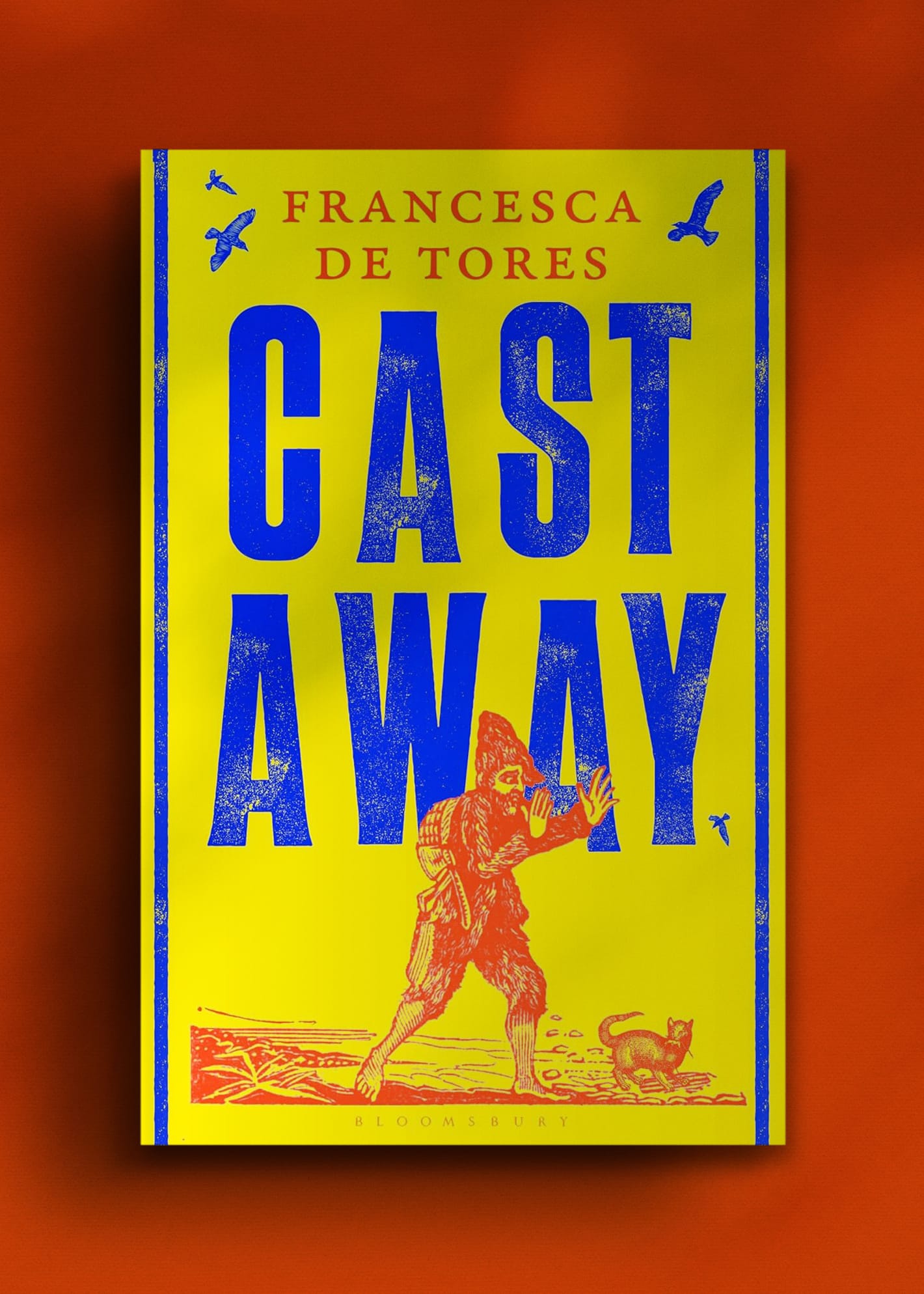
Cast Away: or, the Surprising Adventures of Alexander Selkirk by Francesca de Tores
Bloomsbury, 21 May 2026
The premise of Daniel Defoe's novel Robinson Crusoe remains enchanting three centuries after its publication. A traveller is abandoned on a distant tropical island. Cast out of society he has to rely solely on his own imagination and resource if he is to survive.
Defoe's tale was, as many know, inspired by the true story of Alexander Selkirk, a Scotsman who was castaway on the uninhabited Juan Fernández Islands in the Pacific in the first years of the eighteenth century.
Here, in Cast Away, de Tores has toyed with Selkirk's story very much as Defoe did before her, converting it into dreamy, gripping fiction. Written like a journal, the action is episodic and narrated in a sometimes playful, sometimes anguished, sometimes poetic voice.
'Confronted', as Francesca de Tores puts it here, 'squarely by the fact of himself', she imagines in this rich historical novel, what it would be like if the layers of life were peeled away, until just one human was left, alone with his thoughts, a quill and some paper.
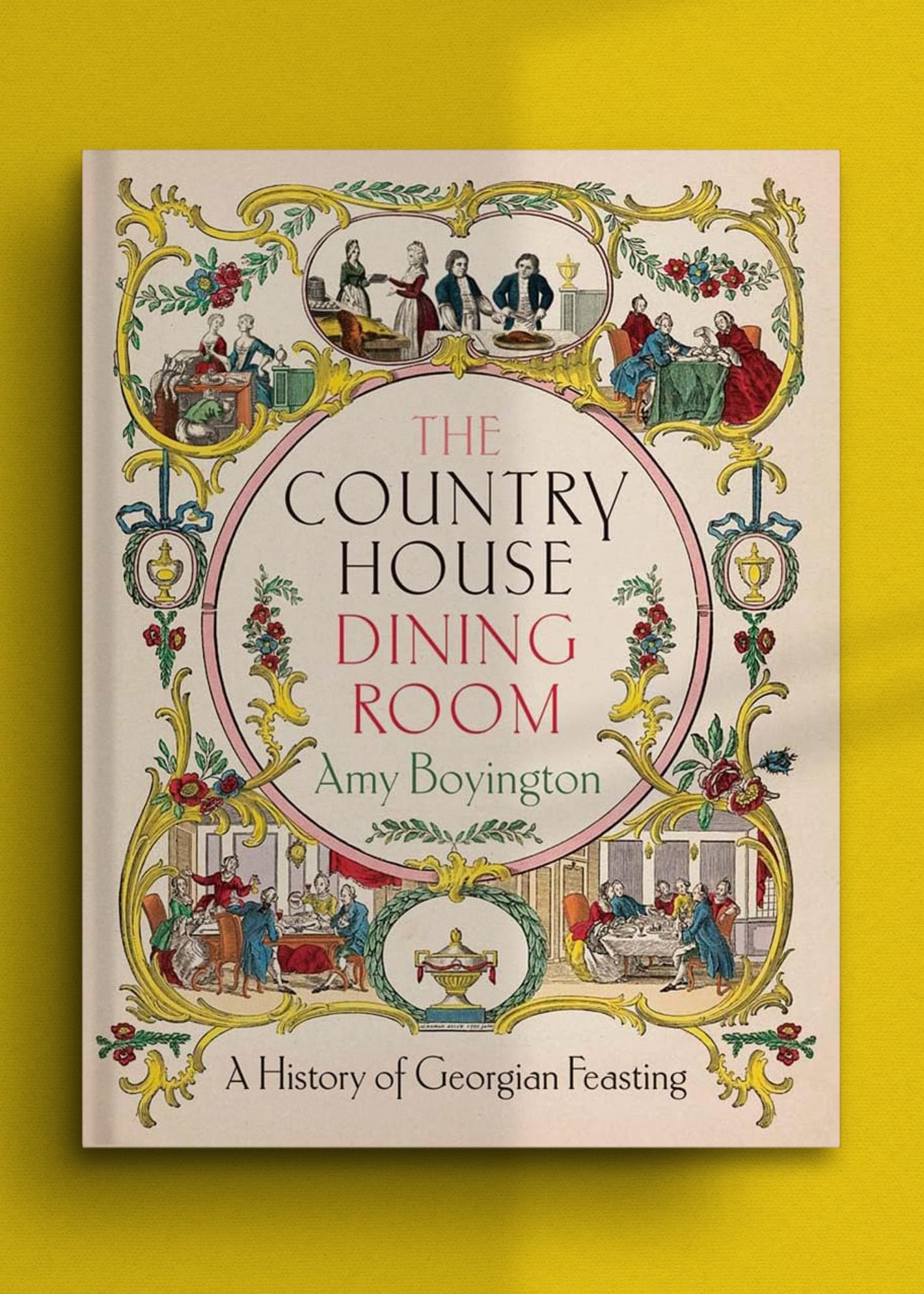
The Country House Dining Room: A History of Georgian Feasting by Amy Boyington
Yale University Press, 26 May 2026
The kind of Georgians who spent the social season in London, heading out to masquerades (see above), were very much the same set who scurried away to fine country houses during the summer. And in fine country houses, as Amy Boyington expertly points out here, the dining room was the central theatre of operations. It was a place not just to eat, but to dazzle, to charm, to plot.
To those who have been re-reading Jane Austen after her own semiquincentennial year, the picture of a party of hearty squires, doctors and clergymen chewing their way through the courses rises instantly in the imagination. Here Boyington shows us how carefully this was curated. There was strict etiquette and ritual at the table. The walls would be decorated with taste and politeness. Topics of conversation would flow to a well established pattern.
To recreate everything with accuracy and illumination, Boyington has mined the archives of the great Georgian families: the Cavendishes and the Cokes and many others. A treat of a book.
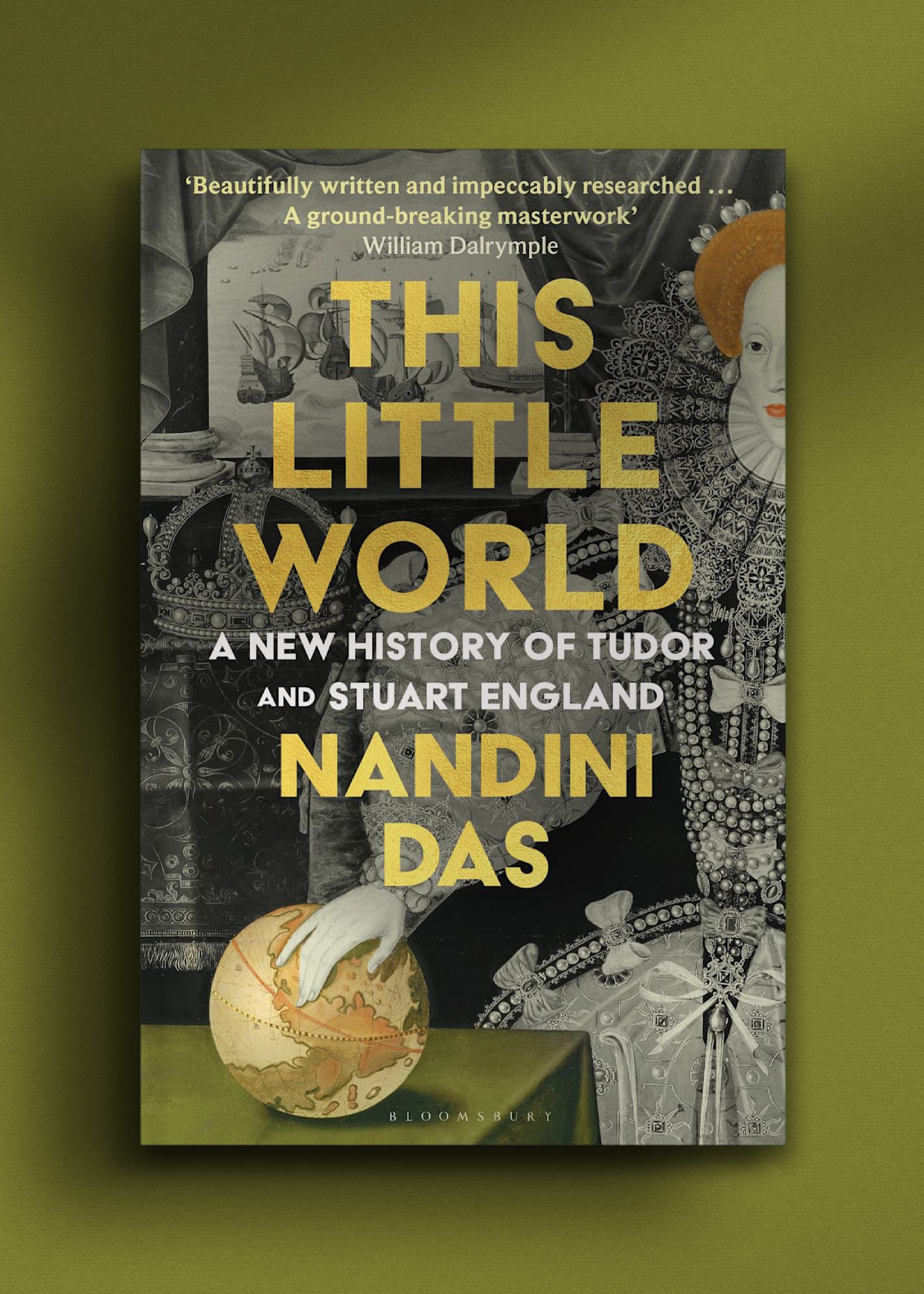
This Little World: A New History of Tudor and Stuart England by Nandini Das
Bloomsbury, 28 May 2026
The past half century has seen a great flowering of writing about Tudor England, a blossoming that reached its most magnificent pitch with Hilary Mantel's Wolf Hall trilogy. This has left us with such a familiar view of the period – the fat and ghastly King Henry, mercurial Queen Anne and so on – that enthusiasts of the sixteenth century are desperately in need of something fresh. Well, here in sparkling style, it comes.
Nandini Das is a professor at the University of Oxford. Her first book outside the university presses, Courting India, won the British Academy book prize in 2023. This follow up is her 'new history of Tudor and Stuart England' and it intends to open readers' eyes to the broad and colourful world beyond the walls of the court.
The Little World, Das explains, is 'the story of a country on the cusp of nationhood and empire, from the perspective of the people coming and going across its borders'. As such, there is a similarity of approach with Courting India – a study of the first English diplomatic mission to India. There's the same sense of freshness, as the comers-and-goers react to what they experience with surprise, excitement and bewilderment. An horizon expanding read.
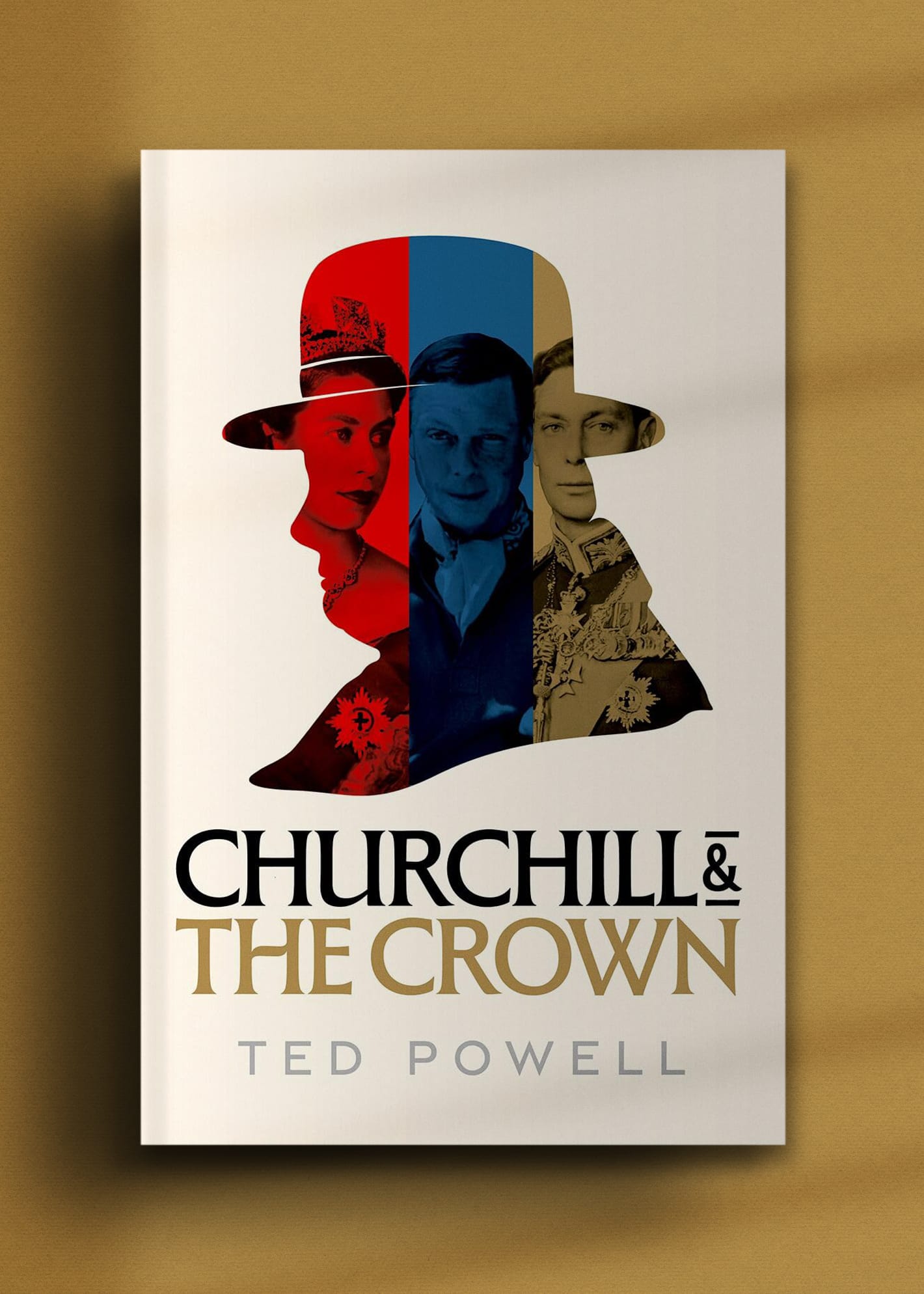
Churchill and the Crown by Ted Powell
Oxford University Press, 28 May 2026
Had Winston Churchill been born a century earlier he would certainly have been among those to eat in elaborate Georgian dining rooms or pass the night at swish masquerades (for reviews of both these topics, see above), for he was born into the very highest stratas in the English hierarchy. Only, perhaps, one rung lay above him – the monarchy itself.
Here Ted Powell, who has previously written a biography of King Edward VIII, examines how Churchill interacted with those at the top of the ladder. As with any book on our most famous prime minister Powell necessarily covers a great sweep of twentieth century history, beginning in the heady Edwardian Age and carrying on through to the early years of Elizabeth's reign.
At less than 300 pages, though, this is a brisk read and it has a determinedly split perspective. What did each of the royals make of Winston? And, equally important, what did Churchill make of them?
📸 Dive into our Features
🎤 Read Interviews
🎧 Listen to Podcasts
🖼️ Buy fine art prints & more at our Store


