
Hans Welser and John Rayner: Experts of Cold War British Propaganda
Rory Cormac tells us about Hans Welser and John Rayner two British propaganda agents who operated from WW2 through the Cold War


In 1948 a secret propaganda unit of the British Foreign Office was established. A shadowy organisation with a vague name – the Information Research Department (IRD) – its activities have long remained beyond the sight of historians.
Recently, however, Rory Cormac, Professor of International Relations at the University of Nottingham, has at last managed to study the IRD archives.
These reveal that two prominent figures, named Welser and Rayner, were central to much of its activity. Here he tells us about these contrasting and hitherto unknown characters.

Hans Welser and John Rayner were an unlikely double act. Both men were journalists-turned-propagandists; both had wartime experience; and both spent the Cold War exposing and smearing Britain’s adversaries across the world.
Although very different characters, one strait-laced and the other flamboyant, both were outsiders in their own ways, trying to fit into the stuffy Foreign Office establishment while overseeing a decidedly undiplomatic programme of phantom groups and forgeries. Welser and Rayner were fakers.
Their story can now be told.
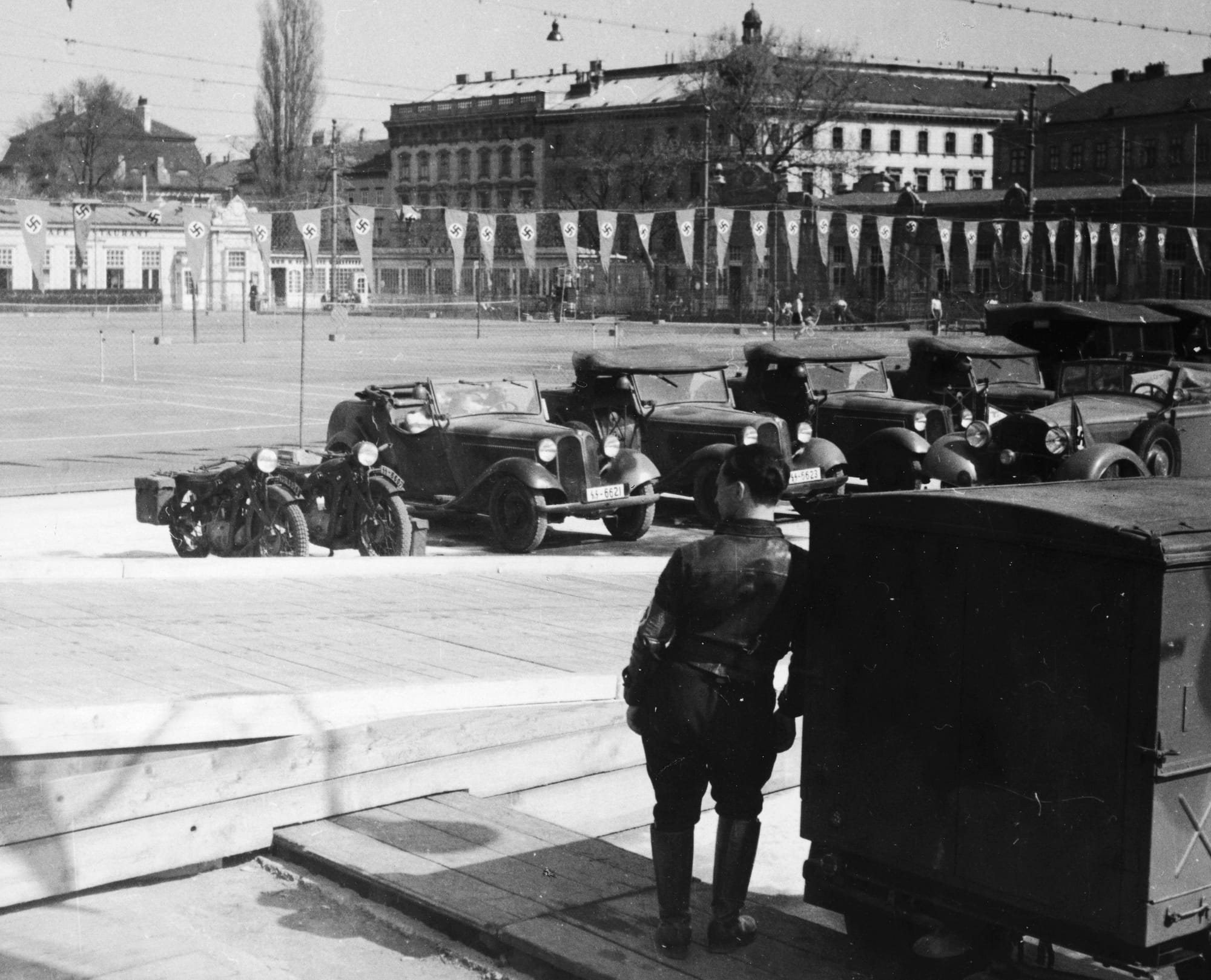
Welser was a refugee who became the UK’s leading expert in disinformation. Born in Vienna, he arrived in Britain as a young, penniless journalist fleeing Nazism. His life – professionally and personally – was characterised by improvisation and opportunistic manoeuvring.
His in-laws, to give one example, suspected that his quick (and ultimately ill-fated) marriage to a young, wealthy English lady took place for reasons beyond love. When interned during the war, to give another, he cannily turned MI5 suspicion to his advantage by cultivating intelligence contacts and presenting himself as both useful and loyal.
Welser adopted the mannerisms of an English gentleman; colleagues noted how readily he took on ‘British’ opinions and behaviours. He could be charming, but also calculating, conscious of reputation, and keen to project an image of expertise. He enjoyed the role of strategist, even hitman of propaganda, crafting operations designed to discomfort adversaries across the globe.
By the early Cold War, Welser had embedded himself in the heart of the Information Research Department, the Foreign Office’s banally named unattributable propaganda unit created in 1948. Here, he became the central architect of Britain’s black operations: fabricating documents, creating fake organisations, laundering intelligence through fictitious sources.
One of Welser’s earliest creations was a phantom research institute which he used to expose Soviet subversion, outing names, tactics, and finances under the guise of independent investigations.

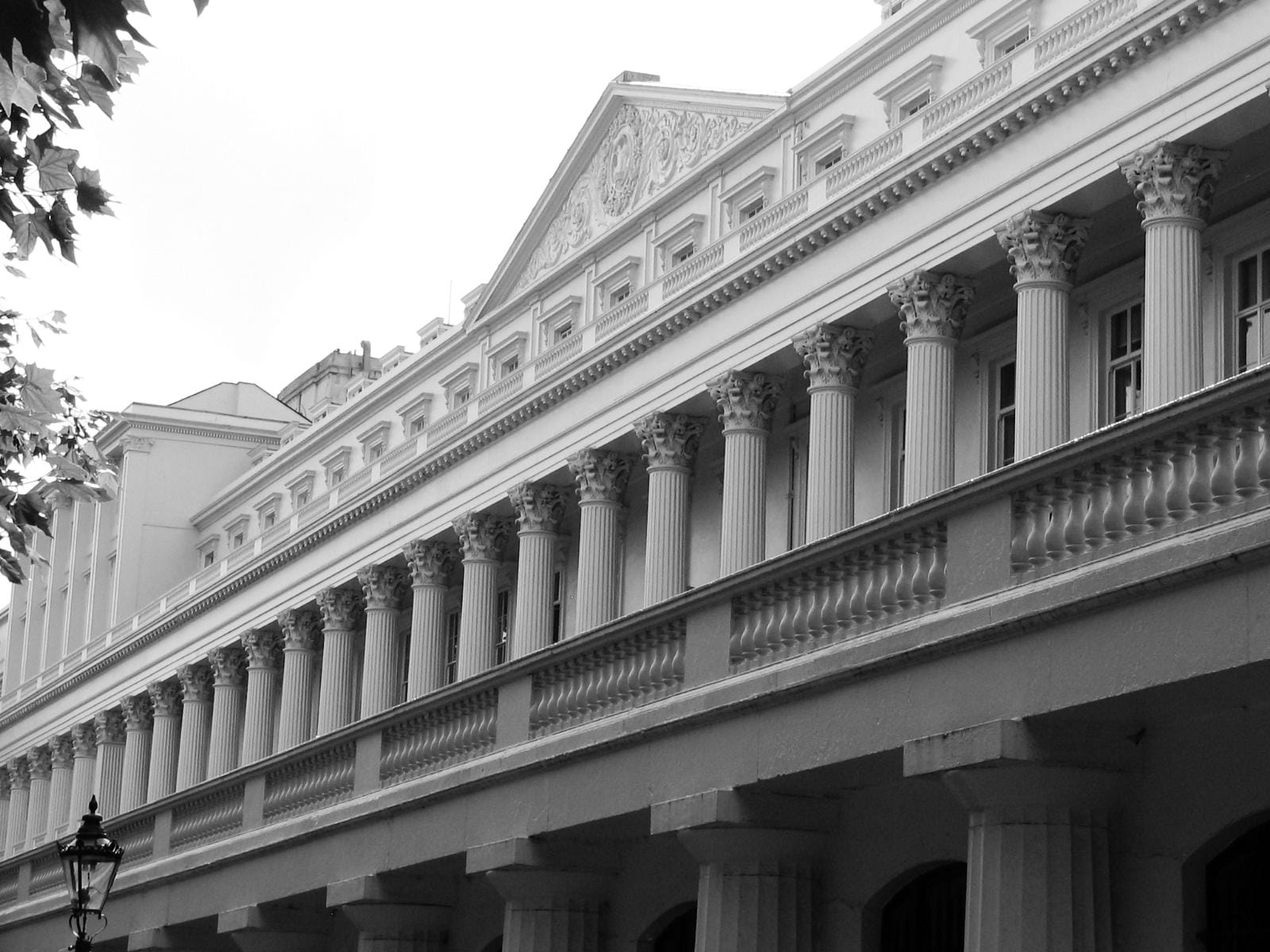
If Hans Welser embodied the architecture of propaganda, John Rayner enigmatically embodied its performance. Rayner had been a prodigy of Fleet Street and he became a leading wartime propagandist specialising in seeding rumours. Stylish and self-consciously performative, he projected an air of carefully cultivated sophistication. Yet this polish belied an instability. He drank heavily and had a string of failed marriages.
By the 1960s, Rayner had become Welser’s number two, responsible for the creative output of Britain’s most sensitive propaganda operations. However, the conditions of the global Cold War exposed the limits of Rayner’s craft. Unlike during the Second World War, his team of writers no longer operated with deep cultural knowledge of their targets or with sufficient institutional resources. As a result, their work oscillated between inventiveness and bluntness.
Together, Welser and Rayner produced the most audacious propaganda of the period, but their relationship appeared tense and complicated. Rayner had held more senior wartime roles than his boss and he was older too. And yet he ranked as the junior – and seemingly second choice - partner. Because he moved in artistic circles some regarded him as unserious; Welser, who was strict and did not suffer fools gladly, was sometimes sceptical of Rayner’s excesses..
Rayner brought imagination but also a willingness to test the boundaries of plausibility. Keen to push the envelope, he could excitedly drift into implausibility or overstatement. On one occasion, his writers produced a particularly scurrilous attack on the Indonesian president, Sukarno, spitting insults in the name of a fake group of émigrés:
BROTHERS! THE END IS APPROACHING FOR SUKARNO – the slimy leech who is sucking the blood of Indonesia. HE FLAUNTS HIMSELF AS A WOMANIZER – BUT the millions of rupiahs which Sukarno spends every year on girls only brand him as a would-be old-time potentate like the petty colonialist stooge leaders.
Welser interjected to tone it down. It was ‘too much’, he said, and needed to be ‘more restrained, more nuanced, more factual.’
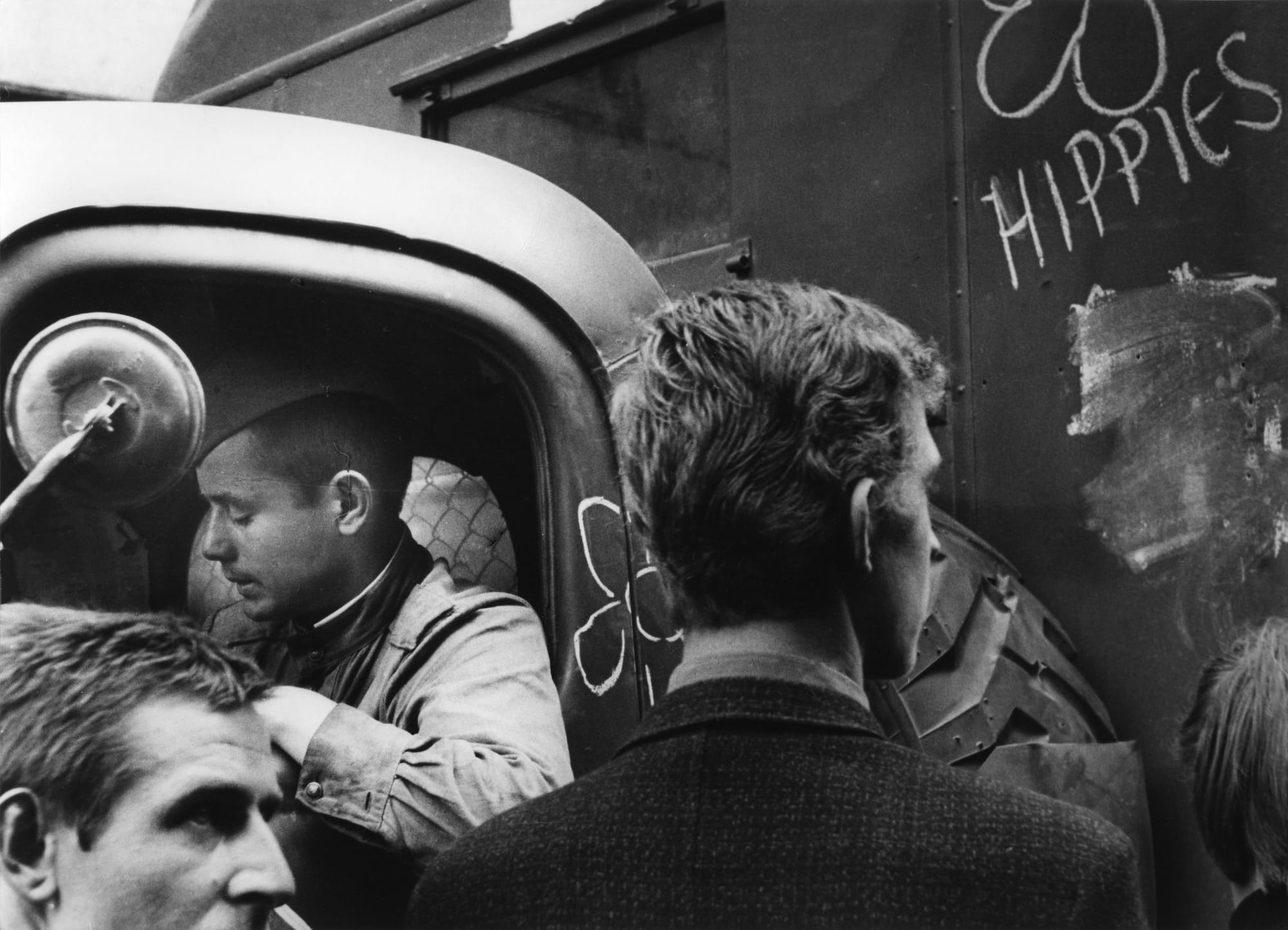
Welser was not all discipline, however, and did not always ruin the fun. He would back the team, even on bizarre operations, so long as he thought they would not backfire. In 1968, Rayner came up with the elaborate idea of creating a group of what he called ‘flower power people’ to invite hippies to descend on Bulgaria and turn the communist-supported World Youth Festival into a giant love in.
This, Rayner hoped, would disrupt and embarrass the organisers. Welser knew it was ‘facetious’ and ‘improbable’ but supported it anyway, demonstrating what might be called a ‘spray and pray’ approach. It was not too risky, he reasoned, and would certainly turn heads. Might as well have some fun.
Rayner understood that propaganda, once released, could not be controlled. He had seen during the Second World War how rumours mutated as they spread, and the Cold War confirmed the lesson on a global scale. His forgeries were sometimes taken up by adversaries – and he was willing to improvise within a chaotic field of competing narratives to exploit this.
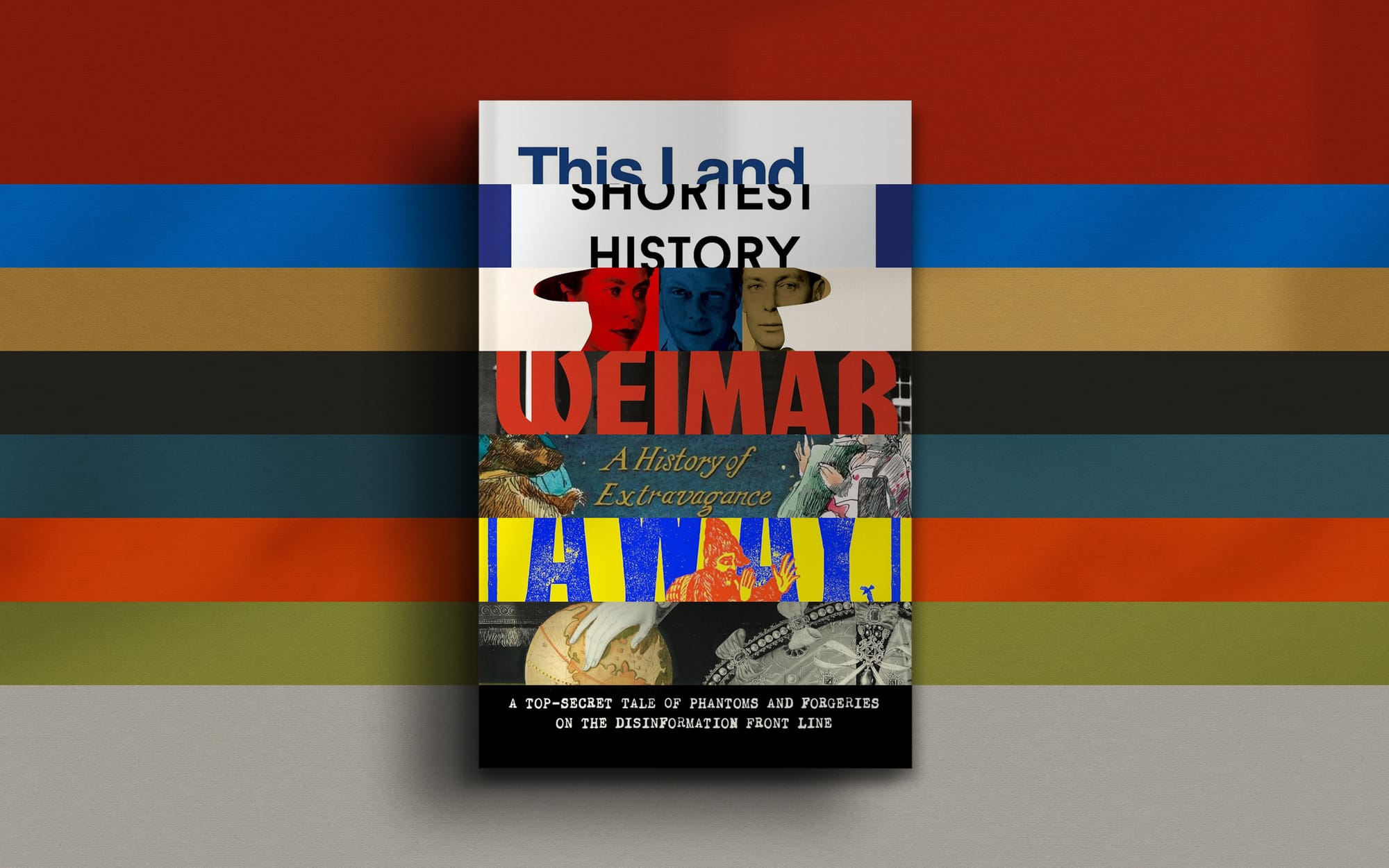
📚 Previews
Fakers: A Top-Secret Tale of Phantoms and Forgeries on the Disinformation Front Line by Rory Cormac features in our May 2026 previews. Find out more about the book and explore the full list
One of Rayner’s favourite fake groups was the Freedom for Africa Movement, in whose name he issued pamphlets under the rallying cry ‘Loyal African Brothers!’, exposing Soviet and Chinese encroachment into Africa. When a (real) French language magazine ran an article on the group, Rayner, never one to miss a trick, quickly fired off a response to the editor in the group’s name reeling off its greatest hits.
One day, the Soviets forged a Freedom for Africa Movement pamphlet of their own exposing CIA bribery on the continent. Rayner, ever the opportunist, was keen to run with it, incorporating it into his next pamphlet; after all, it made the group seem more believable. He received a dressing down for being too reckless. What would the Americans say?
All the while, Rayner was a busy man, working with an underfunded and overstretched team. His speed and enthusiasm brought risk. On one occasion, he quickly forged a document which stoked disagreement within a Soviet front organisation. Unfortunately, his haste bred small but consistent typos which, to a trained eye, could have given the game away as having been written in French on English typewriters. Welser was furious and ordered a counterintelligence review. Rayner, in his defence, complained again about lack of resources.
As the Cold War drew on amid evermore British decline, another force pushed Welser and Rayner closer together. A new generation of diplomats and civil servants were sceptical that these old ‘dark arts’ made a difference. In an increasingly impecunious and metric-heavy world, they struggled to prove conclusively that a particular forgery led to a particular outcome.
Those inside the Information Research Department had their instincts, of course they did, and they could count press coverage of their fabrications. But that was no longer enough. When huge cuts slashed their budgets in the early 1970s, Welser protested wildly. Rayner, older than his boss, meanwhile, was retired off.
Welser had one last thing to sort out before he, too, left Whitehall. It is a revealing episode. For over a decade, he had cultivated a journalist as his star agent. He was a man who would run propaganda pieces under his own name in newspapers across Central Europe.
Ruthless and charming, Welser had encouraged this journalist. He had wined-and-dined him, picked him up off the floor, shouted at him, and, seeing conspiracies everywhere, supported his career in the face of supposed communist intrigue. When the journalist’s eyesight failed shortly before Welser was due to retire, the propagandist covertly arranged private surgery in London – and received the bill personally.
It was a curiously idiosyncratic incident, but one which captured Welser’s mix of friendship and instrumentalism. In a way, propagandists are agent runners too. Only once this agent had been attended to did Welser follow Rayner into retirement.
The departure of these two men marked the end of an era. Gone with Welser and Rayner were experience and expertise in specialist propaganda. Such skills are, once lost, hard to rekindle •
Fakers: A Top Secret Tale of Phantoms and Forgeries on the DIsinformation Front Line
Oxford University Press, 14 May 2026
RRP: £25 | 400 pages | ISBN: 978-0198917007
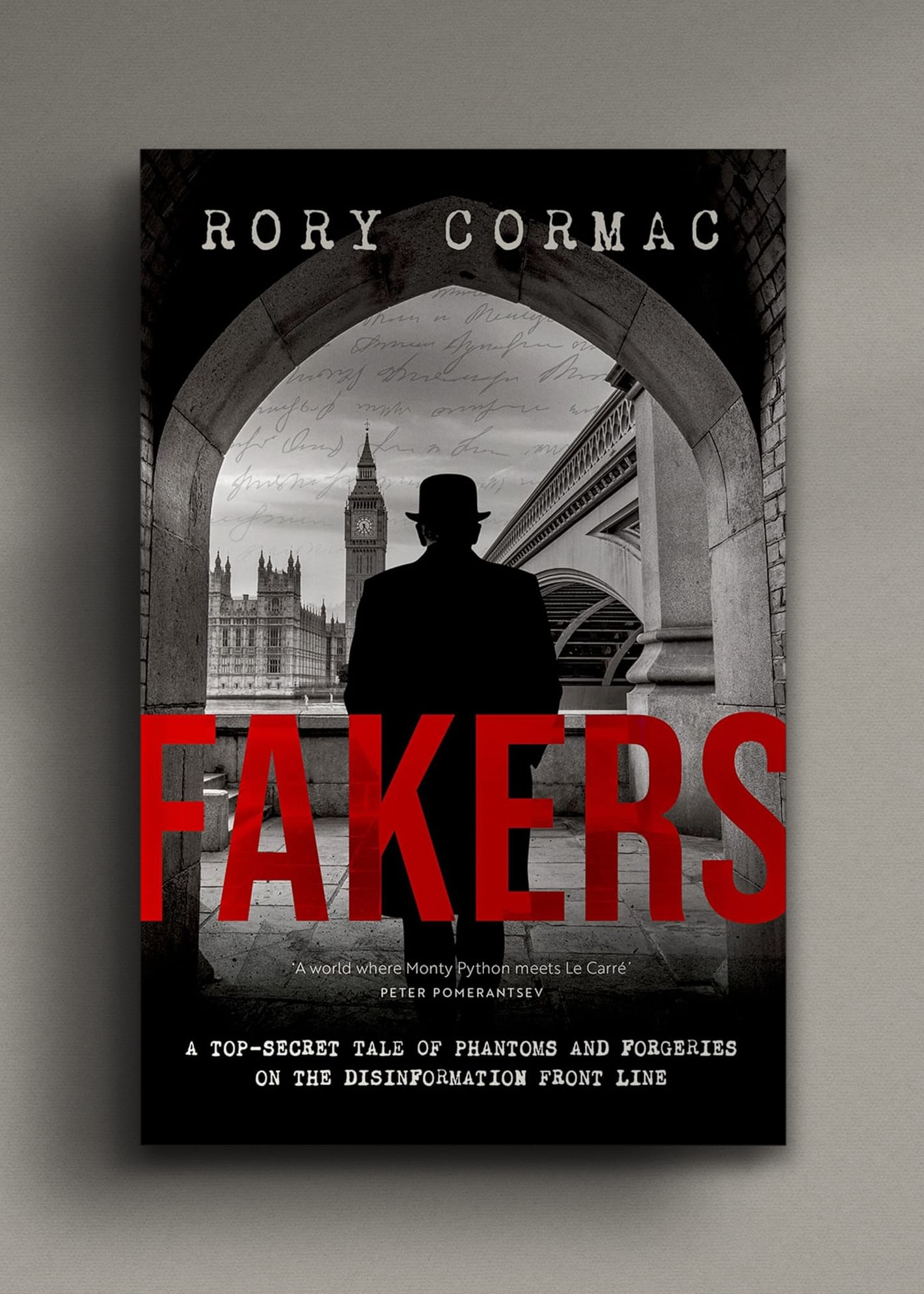
Intrigue, espionage, and deception. The truth behind 8,000 once top-secret files, so explosive their authors never dreamed they would be released.
Fakers reveals the rise and fall of the mavericks running Britain's Cold War forgery empire. Their secret mission was audacious: to disrupt and discredit adversaries across the world using phantom groups, fake sources, and counterfeit documents.
The leader was a remarkable character, wrestling with personal and professional dilemmas: Hans Welser. An Austrian refugee and one-time MI5 suspect interned behind barbed wire, Welser was a great survivor who rose to become special operations adviser to the Foreign Office, working hand in glove with MI6. His second in command was an eccentric, hard drinking, and high-flying journalist-turned-propagandist called John Rayner. Brought out of semi-retirement, for one final posting. Their team of bowler-hatted refugees, voluble ex-journalists, trailblazing women, and licentious literary sorts navigated loyalty and betrayal — both professionally and romantically — from the diplomats' attic, in the most sensitive part of the Foreign Office's secret propaganda department.
The newly declassified files expose an array of plots, some comically absurd and others dangerously controversial. The forgery empire impersonated everything from hippies and ghosts to Islamists and ballet composers in their campaign to smear hostile politicians, stir tensions among adversaries, and even stymie the career of a contentious British historian. All took place against a high stakes backdrop — both overseas as states competed beneath the looming threat of nuclear war and in the corridors of power at home where grey-suited bureaucrats circled, keen to shut down the team for good.
With timely insight into how propaganda works and how to respond to disinformation, Fakers is a thrilling journey into a secret world where nothing was as it seemed.
With thanks to Anna Silva.
📸 Dive into our Features
🎤 Read Interviews
🎧 Listen to Podcasts
🖼️ Buy fine art prints & more at our Store


