
'Persuasion Not Coercion' – British Politics in the Second World War
Between 1939-45 Britain's politicians were confronted by a huge domestic challenge. Here Steven Casey analyses how Churchill's government 'sold the Second World War'.


As Great Britain fought Nazi Germany in Europe, at home the coalition government of Winston Churchill confronted another challenge – explaining their political choices to the British people.
Here Steven Casey, the author of The Sceptic Isle: How the British Government Sold the Second World War, explains the challenges of policy and personality that arose after 1939.

In the years leading up to the Second World War, no one did more than Winston Churchill to generate popular scepticism about the direction that Britain was heading. In his powerful indictment of Neville Chamberlain’s appeasement strategy, Churchill focused not only on the impossibility of negotiating with Adolf Hitler. He also emphasised the deep-seated fear that Chamberlain was not moving fast enough to mobilise the country for a war that looked increasingly inevitable.
Once he became Prime Minister in May 1940, Churchill’s powerful and prescient prewar critique helped to immunise him from political attack. The government’s critics focused instead on The Guilty Men of Munich, popularised by that summer’s publishing sensation, which condemned Chamberlain and his Ministers for putting ‘the bravest sons of Britain ... in such jeopardy.’
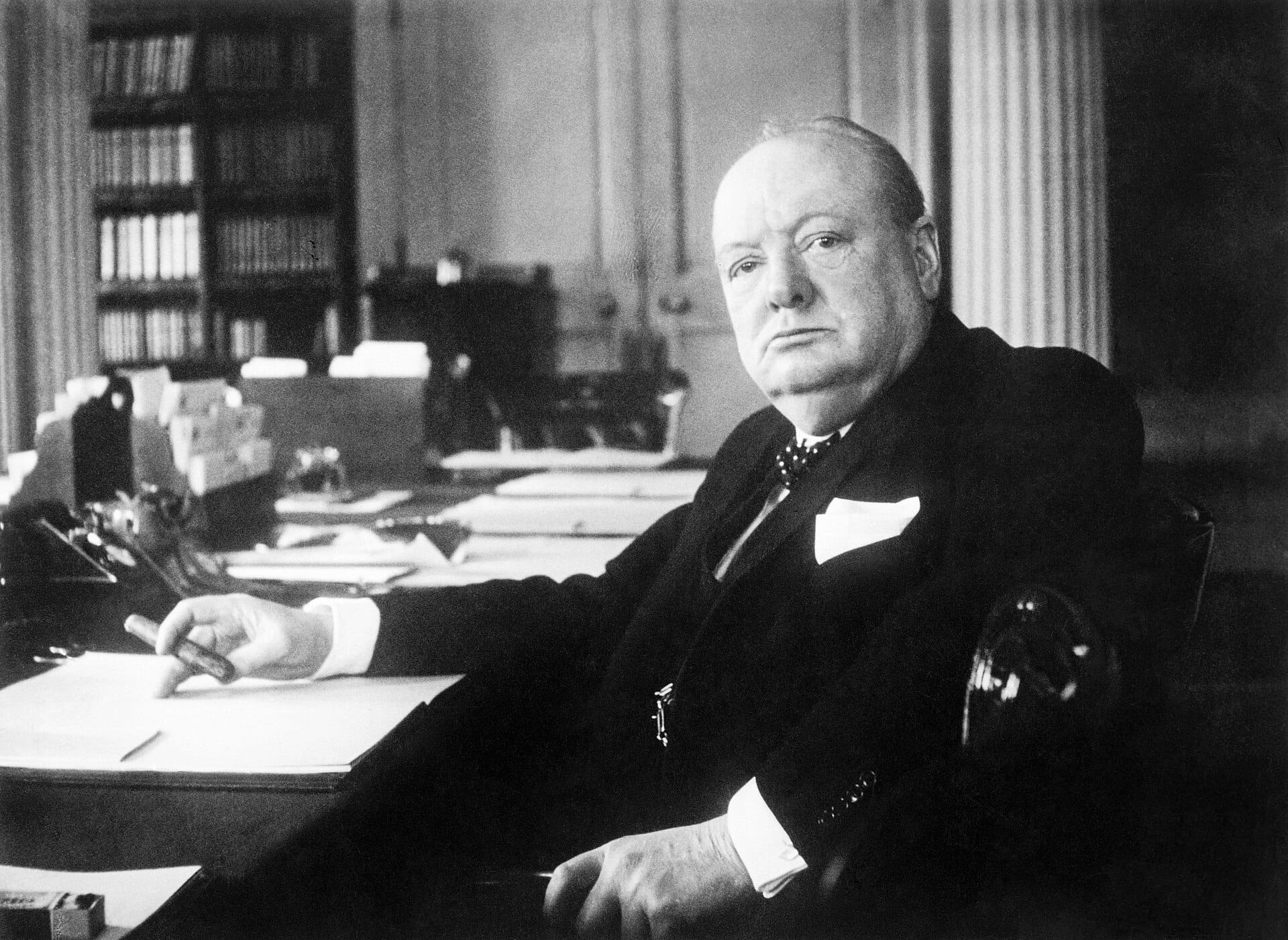
For the first two years of his premiership, Churchill needed all the political protection he could muster, as Britain faced a string of stinging defeats, from the fall of France to the evacuation of Greece, from the surrender of Singapore to the retreat to El Alamein.
As one aide recorded Churchill saying at a particularly dark moment, ‘He could not quite see why he appeared to be so popular. After all, since he came to power, everything had gone wrong and he had had nothing but disasters to announce.’
While Churchill personally evaded blame for these disasters, his prewar rhetoric provided a fresh set of critics with a powerful template to attack his government. ‘Public opinion,’ these detractors frequently insisted ‘has been ahead of the Government,’ while Ministers have been ‘constantly caught napping in the face of the aggressive energy and drive of the German leaders.’
Throughout 1940 and 1941, mobilisation remained the critics’ main target. One of Churchill’s first acts on reaching Number 10 was to make Ernest Bevin, the powerful union boss, his Minister of Labour.
This proved a shrewd choice, for Bevin, as his biographer Alan Bullock observed, immediately became ‘the representative of the trade unions and the working class in Cabinet and the spokesman of the Government to organised labour.’
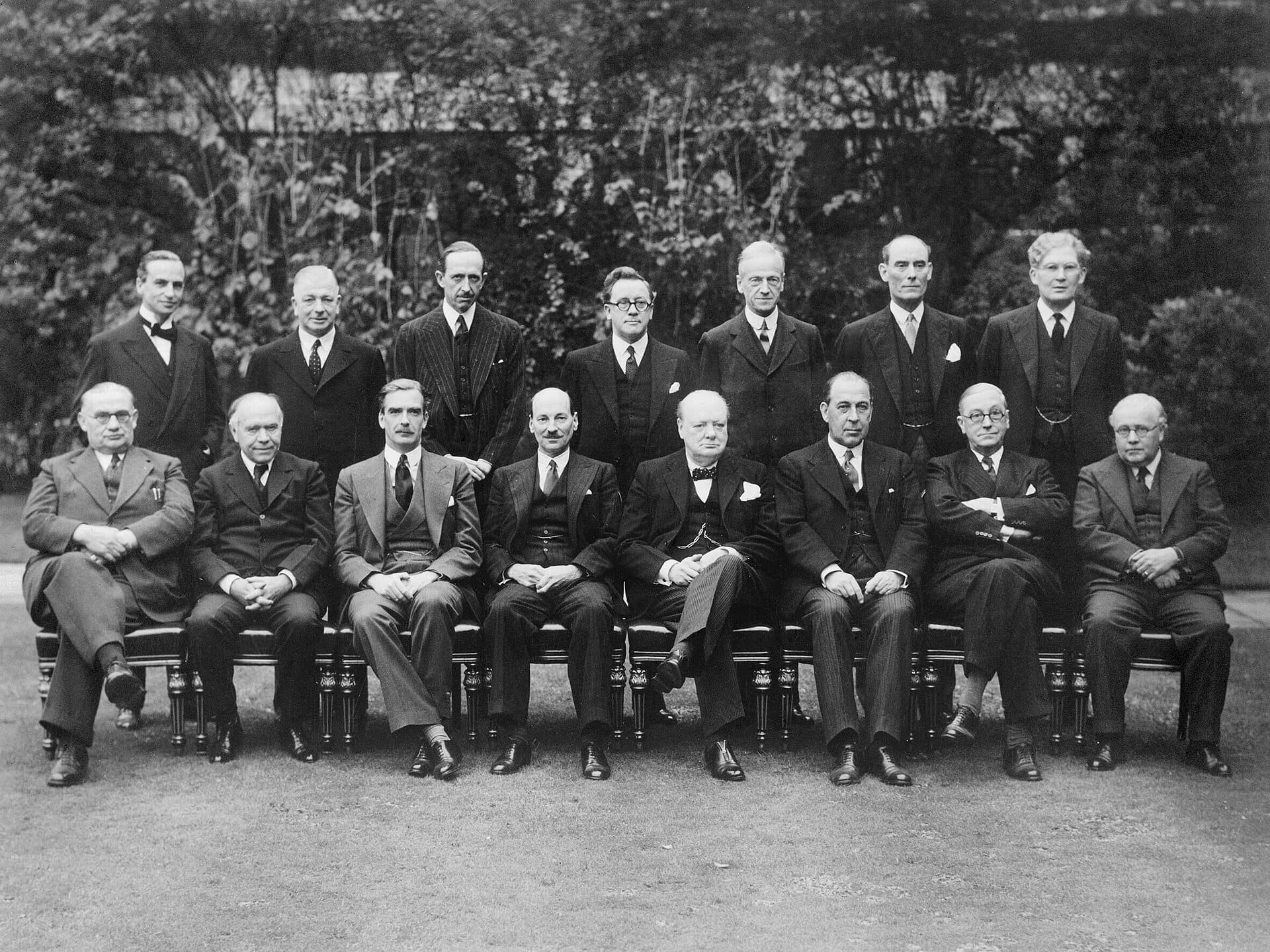
Yet Bevin also faced tough problems. The military required more than 1.5 million new men by the end of 1941, but to equip them would require 1.5 million additional workers.
The government had no trouble getting people to enlist in the army, navy, or air force. On the contrary, Churchill’s radio speeches—especially his ‘finest hour’ broadcast – were a powerful call to arms. But this itself created a problem. The frenzy to enlist became so intense during the summer of 1940 that key sectors, such as coal mining, suddenly faced a shortage of workers.
Although Bevin had the authority under the Emergency Powers Act (1940) to direct anyone over the age of sixteen into any form of war work, he was reluctant to wield this power. At root, he believed that persuasion, not coercion, would make the workforce more productive. And besides, he believed that Britain ought not to stoop to Germany’s level to defeat it, reassuring Parliament that he had no intention of becoming a ‘dictator.’
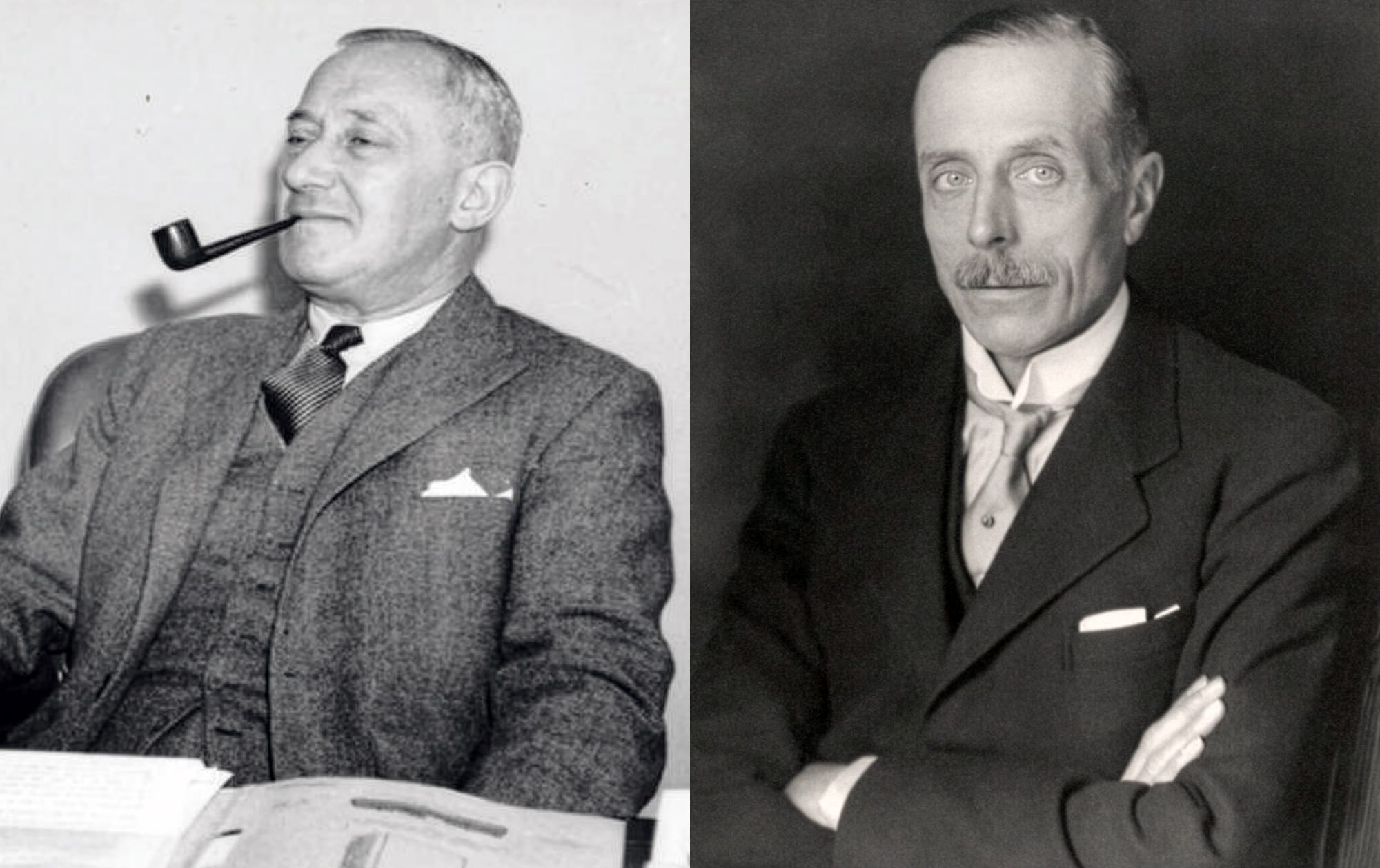
As defeat followed defeat, Bevin’s position was attacked from both left and right. In the House of Commons, Emanuel Shinwell and Edward Winterton were in the vanguard. Dubbed by journalists ‘Arsenic and Old Lace’, the two MPs were a study in contrast – Shinwell an advocate of socialist planning, while Winterton hailed from a Conservative tradition that in this war, as in the last, advocated coercion and conscription to produce the military power necessary to beat the Germans.
According to Winterton, these critics did not see themselves as an Opposition ‘in the ordinary parliamentary sense of the term.’ ‘We did not want to be stepping-stones,’ he claimed, ‘for anyone’s ambitions to overthrow the Government in order to have a place in a new one. Our object was not to destroy or embarrass the Government.’
Others were less sure, especially about Shinwell who seemed sore at having been passed over for a ministerial post. Still, whatever their motives, the simple fact that civilian mobilization increasingly lagged behind military recruitment gave them an opening to launch a sustained offensive. ‘The Government were reluctant to use their powers,’ declared Shinwell in a debate in November 1940. ‘There were too many appeals and polite requests.’
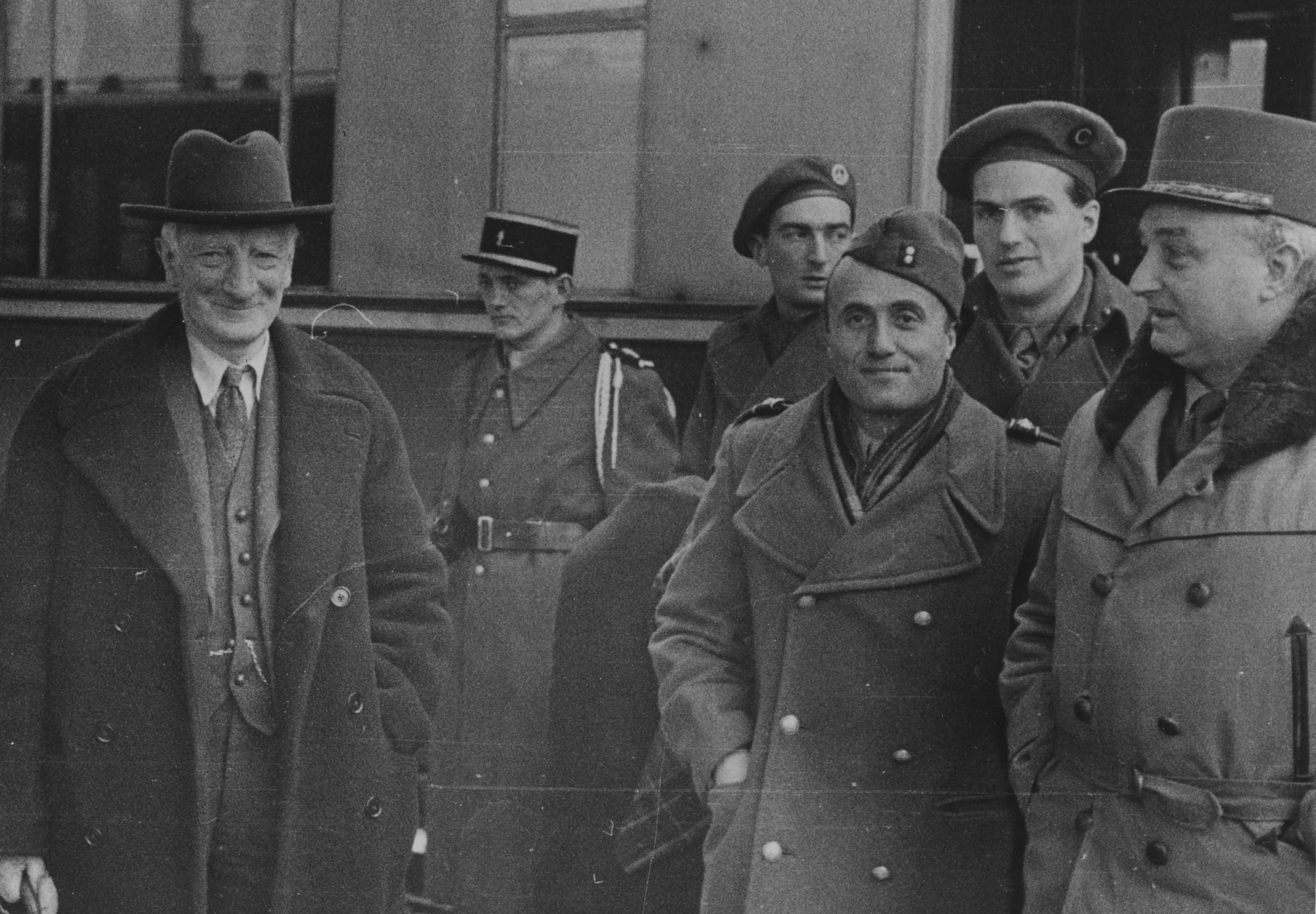
Focusing on the speed, not the substance, of policy proved such a powerful line of attack that it soon spread to other areas. Thus the critics challenged Lord Woolton, the businessman in charge of food supplies, not for instituting rationing, which the British public widely accepted. Instead, they attacked the Ministry of Food for presenting ‘too rosy a picture’ of the shortages, which prompted them to call for ‘more and more control of the production and sale of food in order to give a just ration to all in proportion to the work they do.’
As the fortunes of war improved in 1942, and Britons began to think about the postwar world, the critics continued to challenge the government’s slowness and diffidence. Once again, Shinwell took the lead. Convinced that the Beveridge Report offered ‘no more than ambulance work intended to conceal the more hideous features of existing society,’ he could be seen ‘rushing about with a maniacal look in his eye’ as he lobbied MPs to vote against what he thought a lacklustre plan to slay ‘the five giants on the road of reconstruction,’ ‘Want, Disease, Ignorance, Squalor, and Idleness.’
Even as the fighting came to an end, calls of ‘too little too late’ persisted. They became particularly virulent during the debate on demobilization in 1945, when Clement Attlee, the new Prime Minister, preached caution, aware of the numerous challenges facing the British Empire, while his own backbenchers pressed ‘the Government to take the country into its confidence and explain exactly why demobilisation under the present scheme could not be faster.’
For their part, thin-skinned Ministers often bristled at what they considered unfair criticism that ignored the enormous complexity of the problems they faced. Bevin particularly hated Shinwell’s constant carping – so much so, that he increasingly refused to attend meetings of the Parliamentary Labour Party.
Yet the shrewdest politicians also recognized the upside that came with the nature of these objections. British propagandists often sold the war as a clash between the Nazis’ savage Teutonic efficiency and their own country’s tendency to muddle through – what one called ‘the freedom to be inefficient, to leave things to the last minute.’
Had the leading Ministers in Churchill’s coalition government – both on the left and right – ruthlessly grasped the enormous wartime powers that Parliament had granted them, they would have undermined this message. Worse, they might have sparked a reaction against having a truculent, bullying union leader like Bevin, or an avuncular, if efficiency-obsessed businessman such as Woolton, in such exalted positions.
As it was, for all complaints and criticisms they had to face, no one could plausibly call either Minister a mini dictator. Their perceived timidity and tardiness might provide a perfect target for short-term attacks, but it did not fundamentally warp the foundations of either the British state or Britain’s national identity, even at the darkest moments of a total war •
The Sceptic Isle: How the British Government Sold the Second World War by Steven Casey
Oxford University Press, 27 August, 2026
RRP: £26.99 | 392 pages | ISBN: 978-0197781876
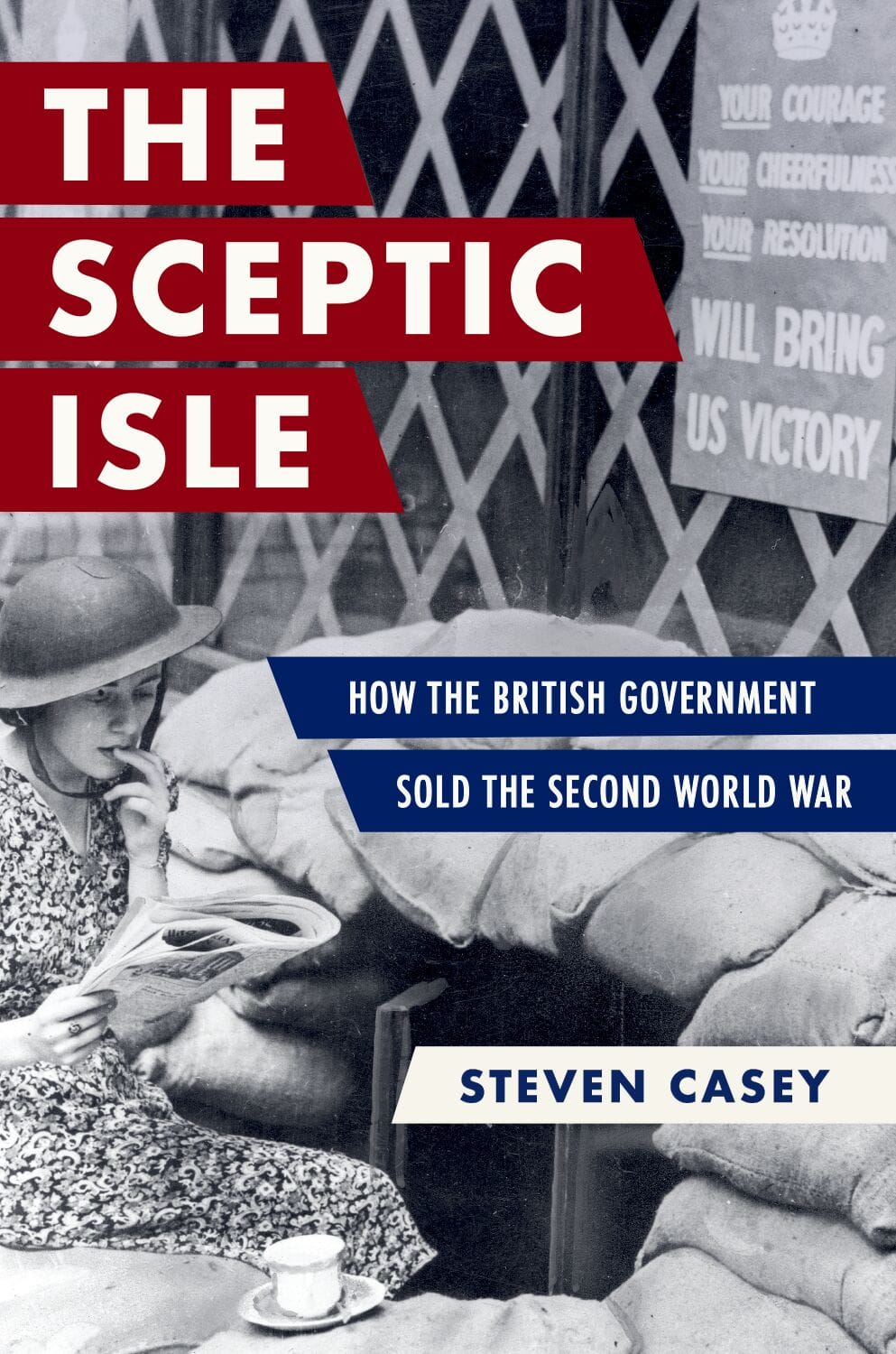
A major reassessment of the British government's communication of the goals of the Second World War and how its propaganda undermined the people's faith in the reliability of war news and the credibility of political leaders.
While waging war against enemies overseas, governments also need to win the hearts and minds of their own citizens. The media is critical to delivering the official message, raising public support for war, maintaining morale, spelling out what is to be achieved, downplaying setbacks, and presenting a bright vision of the postwar future. ln public memory, the British people were united in their support for the Second World War. Yet this popular image of the People's War neglects the fact that the war had to be sold.
In this work stretching from appeasement in 1938 through victory, award-winning historian Steven Casey examines how media, government, and armed forces worked to convince the British public to support the war, as well as the ways the British home front often questioned and challenged the official line. Using a vast array of primary sources, some of them previously untapped, he looks at the broad range of problems and policies that needed to be defended and explained, censored and concealed.
The venues range widely from the battlefield to the football field, from the rubble-strewn cities of blitzed Britain to the faraway outposts of Empire. ln his chronological narrative of the war, Casey shines light on numerous high-profile episodes, including Munich and Dunkirk, the Battle of Britain and the Blitz, evacuation and rationing, and the campaigns in Africa, Asia, and Europe. Throughout, Casey stresses how the British military forged a relationship with reporters, how this relationship shaped news coverage of the fighting, and how this coverage in turn exerted a profound impact on every other dimension of the government's private and public actions.
No one before has examined how all the branches of the armed services kept the home front informed about progress and especially setbacks. Officials, Casey argues, failed to communicate effectively with the British people, which undermined public trust and called the credibility of the political leadership into question. Remarkably, the BBC and Fleet Street sometimes relayed German communiqués to the public because the British government failed to release timely reports of its own.
The Sceptic Isle provides a bold reassessment of how the British government sold the Second World War to the British public. It powerfully showcases how the attempt to mould and manipulate coverage of battles created a major credibility gap that cast a long shadow over the British government's efforts to sell the different dimensions of the Second World War to the home front.
📸 Dive into our Features
🎤 Read Interviews
🎧 Listen to Podcasts
🖼️ Buy fine art prints & more at our Store


.jpg?ref=unseenhistories.com)