
The History of the Proscenium – The Place Where the Imaginary and Real Worlds Divide
The director Dominic Dromgoole, author of Time Frames, explains the historical forces behind the 'Proscenium Playwrights' of today.


The theatre has been a central component of human societies for millennia. The Romans performed in amphitheatres, Medieval actors on village greens and Enlightenment stars in glitzy chambers filled with light and art.
Throughout this time the boundary between the actors and the audience has continued to shift. Here the director Dominic Dromgoole, author of the new book Time Frames: A Century of Proscenium Playwrights, explains how changing tastes and financial pragmatism created the theatre that we know today.

For references please consult the finished book.
Two Dramatic Nights
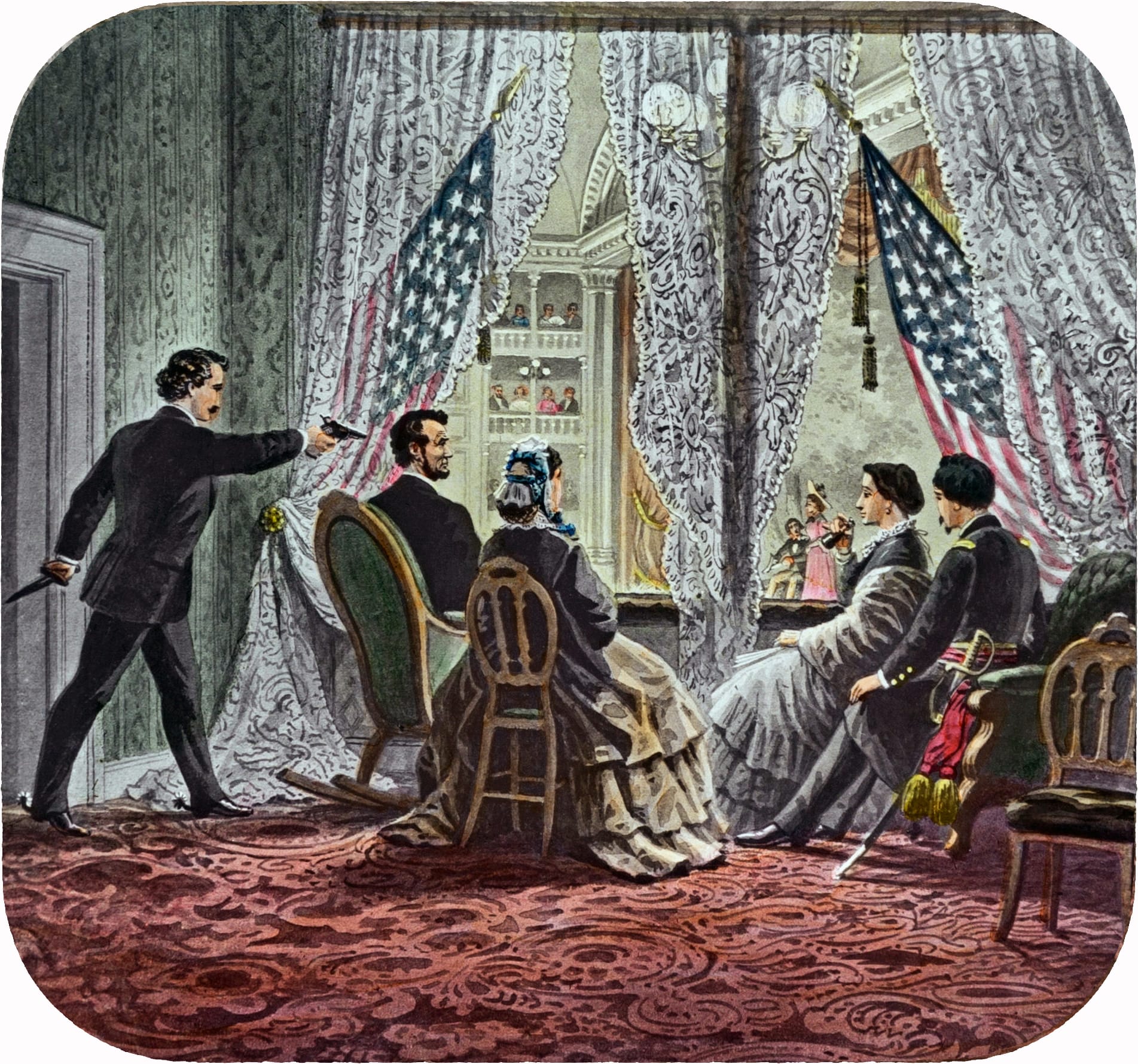
On 14 April 1865, at Ford’s Theatre in Washington DC, an actor with a fixation on Shakespeare in general and Julius Caesar in particular – John Wilkes Booth – erupted into the presidential box positioned above the thrust stage where a company were playing the comedy Our American Cousin.
Before entering, he waited for the guffaw he knew would follow the infallible laugh line, ‘Well, I guess I know enough to turn you inside out, old gal – you sock-dologising old man-trap!’
He placed his revolver behind the head of Abraham Lincoln, who was chuckling merrily in a rocking chair, and fired a bullet into his brain. After a brief melee with the other occupants of the box, Booth leaped the twelve feet down to the thrust stage, shouted ‘Sic semper tyrannis!’ (‘Thus always to tyrants!’) and stumbled off into the night.
The following evening, 15 April, 3,700 miles away in Tottenham Street, London, the Prince of Wales Royal Theatre opened. Carriages crowded the entrance and the surrounding streets as society’s finest bustled and hustled to squeeze their way in.
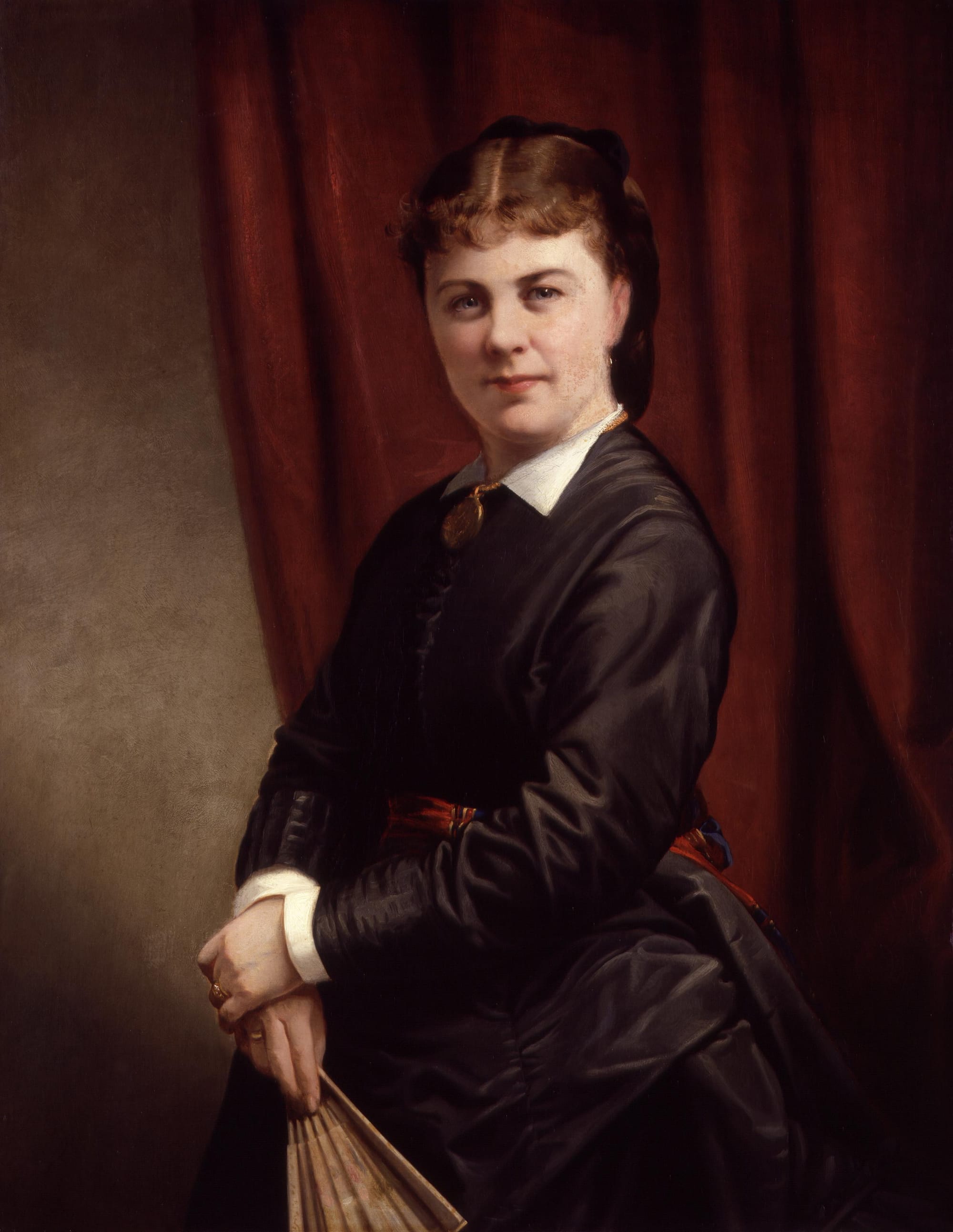
News of the death of an American president would take another ten days to cross the Atlantic, so there was little to dampen the merriment as royalty mingled with literati and the thespian elite. A brilliant entrepreneur – Marie Bancroft – was opening a new auditorium with an architectural adjustment that would change theatre for the next century.
Had Booth tried the same leap from a box in the Prince of Wales Theatre, he would have fallen a lot further and never got up again – for here the thrust had been removed. The separation between the stage and the audience had been completed. On that night the full proscenium theatre was born.
History of the Proscenium
The history of the proscenium theatre is replete with paradoxes, not the least being that its creation involved the gradual elimination of the proscenium itself.
Classically, the proscenium referred to the thrust space that stuck out beyond the arch which separated backstage from the public. A platform on which actors could strut and share the play in a democratic arena. Slowly it dwindled and shrank away from the audience, until the distinction between stage and spectator became complete. Actor and audience no longer enjoying a shared light, now that the action was observed in its own unique illumination, an imagined membrane between the two.
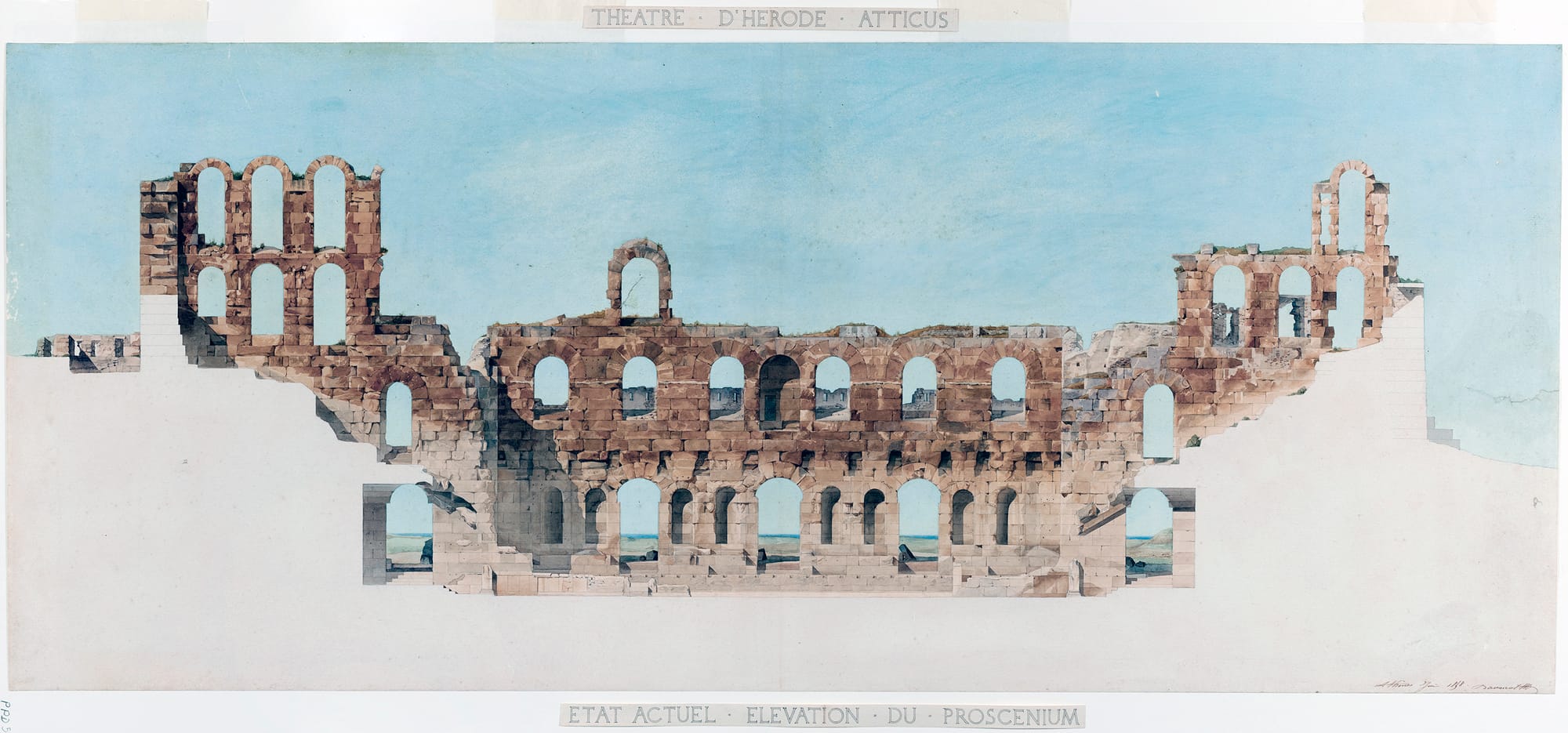
The first theatres evolved out of festival and ritual, broad open spaces under a common sun. The Greeks and Romans took a little of the temple, the forum, and the sports arena, together with a desire for visual focus and acoustic clarity and confected the amphitheatre.
Different forms swept the Western world, and further afield, for a millennium. The religious dramas of the late medieval period, the Mysteries, took ritual stories and scattered them across public spaces, with small cities enlivened by immersive promenade carnivals. One group told a story here by the church, another there by the market cross, and another over yonder on the bridge. Every corner of a city would be filled with chaotic storytelling. Spectators joined the dots at their own pace and with their own imagination.
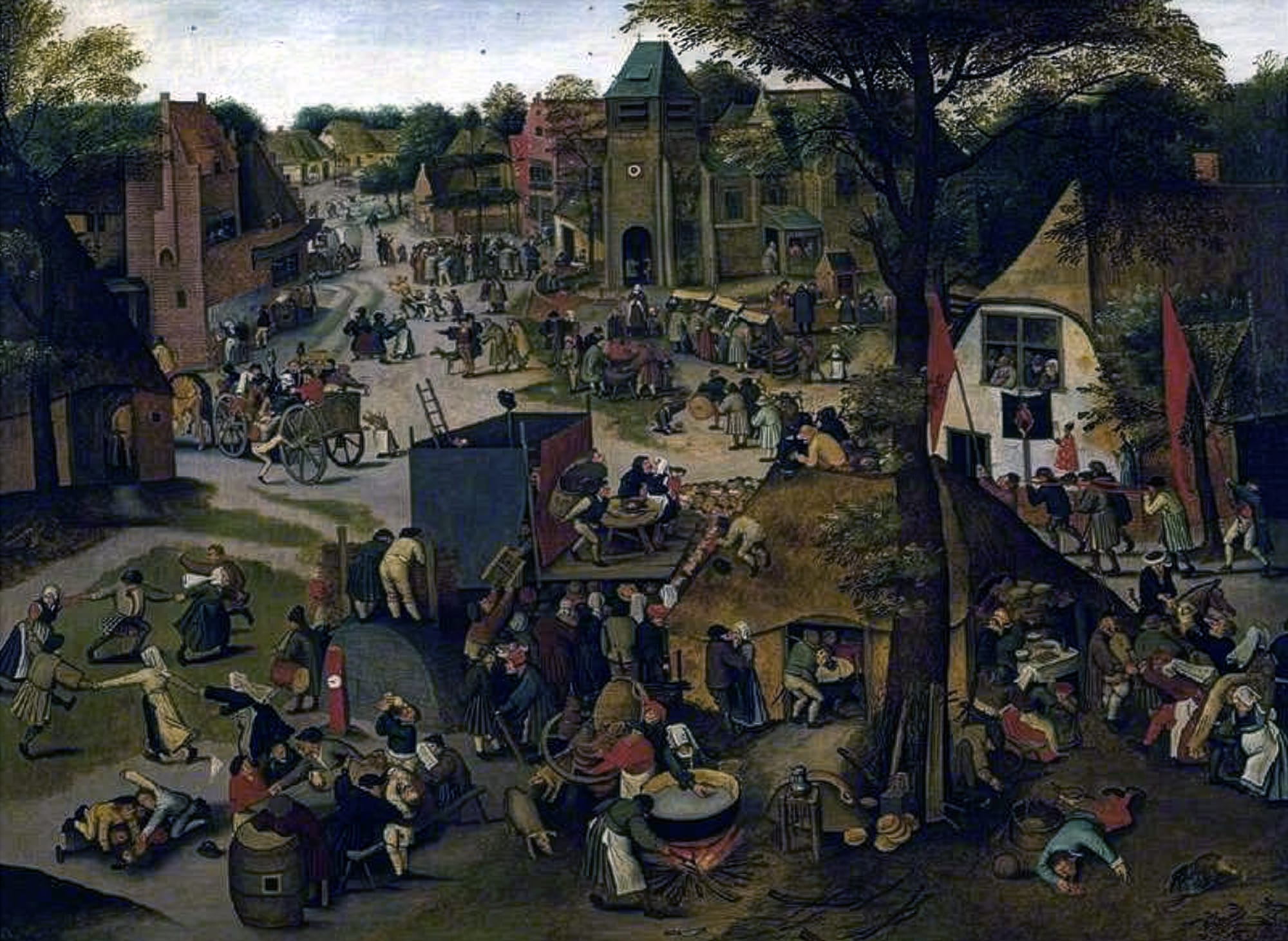
Touring companies emerged from these religious festivals and, though prepared to perform anywhere, they found their happiest homes in the courtyards of inns. Makeshift stages raised the actors above a standing crowd, and above the actors’ heads more people squeezed into the courtyard galleries circling the upper floors.
When the opportunity came for companies to build dedicated theatres, they were modelled on these makeshift spaces – a raised stage, audiences standing below, and galleries of spectators around and above. This shaping brought us the corral theatres of Spain – several of which still exist – and the Elizabethan theatres of London, including the Globe. The frons scenae, an ornately decorated screen at the back of the stage, was modelled after Greek and Roman theatres. There was no need for scenery here, all was left to words and fancy.
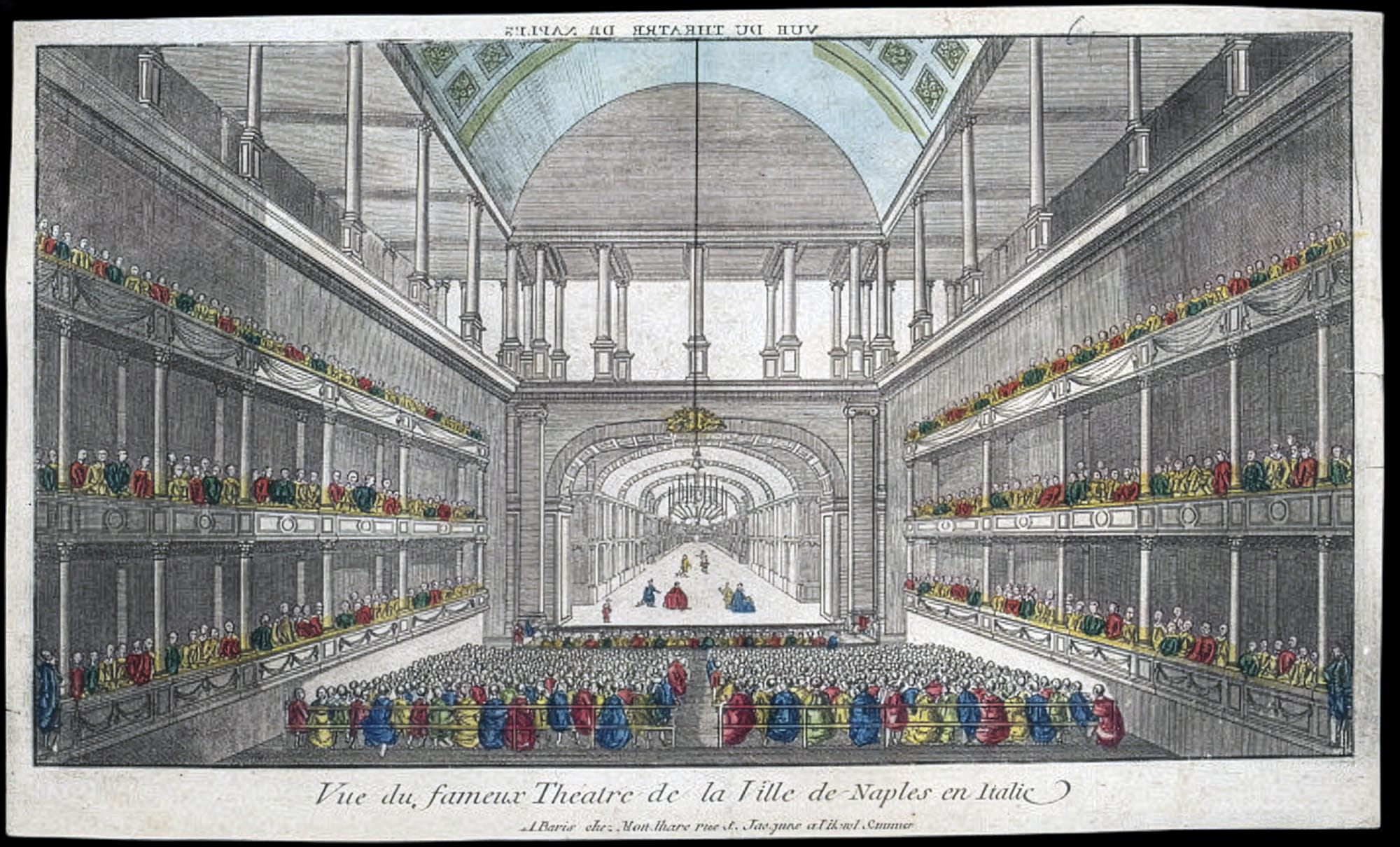
Even as the Elizabethan open-air structures with thrust stages were being created in London, experiments were beginning in Italy. The framing arch began its life in their court theatres. Its task was to hide the elaborate machinery that moved painted scenery on and off as if gliding on God’s hand.
The result, arranged with the genius for perspective of that age, was stage pictures of a beauty and sophistication never before considered possible. England’s greatest architect and designer, Inigo Jones, saw these Italian innovations and their capabilities, and was determined to import them to England. With this technology he created dazzling court masques for James I and Charles I.
Shakespeare and his company saw these phantasmagorias and resolved to learn and exploit their magical properties in the indoor theatre they were opening, the Blackfriars. Indoors meant candlelight, and scenery, and greater control of theatrical effects; it also meant reduced spectator numbers. Smaller audiences necessitated higher prices, and thus the inculcating of a new clientele. The old public theatre, open to all levels of society, was beginning its unholy transformation into a new specialism and exclusivity.
Theatres, whether inclusive or exclusive, were unwelcome to the Puritans and all were shut down during the Commonwealth. While England indulged its sulky-pants faction, Charles II and his court were in Continental France developing a taste for the latest theatrical wizardry, where the fashion was for expanded use of painted perspective scenery.
On Charles II’s return to power in 1660, he and his courtiers encouraged such fashions in British theatre, together with the advent of actresses. Two courtiers received royal patents permitting them to produce plays: Sir Thomas Killigrew, who opened the first Drury Lane Theatre, and Sir William Davenant, who converted a former tennis court in Lincoln’s Inn Fields.
Both realised the public wanted fancy scenery as much as heaving cleavage, and encouraged those with a design instinct to unleash their imaginations. At this time, the proscenium still meant the thrust space where actors performed surrounded by the audience. Here they could maintain eye contact with – and talk to rather than at – their auditors as they occupied a shared space. Collaboration was key, even if the imagination was being slowly usurped by scenery.
An entrepreneurial spirit was flourishing in the theatre, and entrepreneurs are greedy. The thrust space was taking up territory which could be filled with paying customers. In the 1690s, the manager of the Drury Lane cut four feet off the thrust stage to accommodate a couple of rows of seats.
Imitating another Continental fashion, he surrounded the remaining stage with boxes. To be fully seen by the swells within these boxes, the actors retreated further back towards the scenery. And if the actors were back there anyway, why not take a little more off the forestage? In 1776, David Garrick brought in the architect Robert Adam to take another ten feet off the thrust of Drury Lane. There is an ineluctable connection between the profit motive and the slow retreat of the play from the audience.
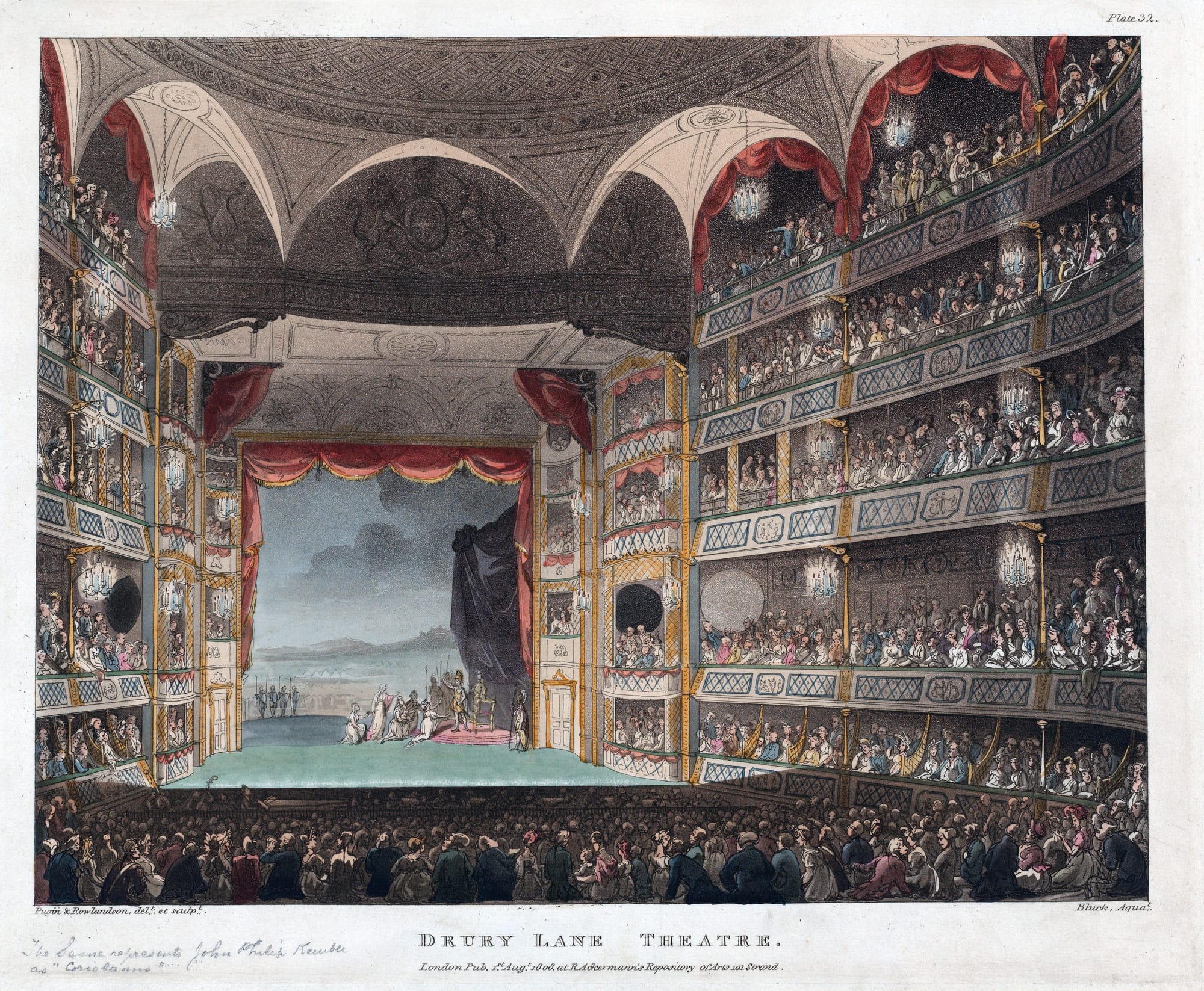
A later architect, Benjamin Dean Wyatt, carried out another transformation of Drury Lane in 1812. He justified his choices in an essay, which includes one of the first definitions of the proscenium arch as a point of division between audience and show: ‘the Proscenium is a line of separation between the two, and is to the Scene what the frame of a Picture is to the Picture itself; namely, a boundary line to confine the eye to the Subject within that line, and prevent it from wandering to other objects.’
The imaginary and the real world were now becoming separate. A short forestage survived his design, but the actors were under strict instruction not to cross the line drawn by the arch. One actor, a William Dowton, complained, ‘If I can’t be heard by the audience in the frame, I’ll walk out of it!’ But the desire of the owners to maximise gains was against him, and soon that small area of forestage would disappear.
Historically, an auditorium was split into three areas: the gallery, with its cheap seats; the boxes, the priciest tickets and the reserve of the posh; and the pit. The pit was below the stage, often with benches and, as with the yard in Shakespeare’s theatre where the groundlings stood, it was the heart of the house.
Here the educated and the enthusiasts sat at a medium price – students, clerks, and young lawyers. The connoisseurs were here, and it was their approval or lack of it which determined the success of a show. It didn’t take long for this area to fall under the purview of the profit-makers, who realised – surprisingly late – that the front of the pit was the best place to watch.
Such premium space was clearly wasted on intellectuals and the like. Benches were upended and replaced with rows of plush armchairs, the space rechristened the ‘orchestra stalls’, since it now butted up against the orchestra pit. The Haymarket announced to its audience in 1843, ‘By curtailment of the useless portion of the Stage in front of the Curtain . . . the lessee has been enabled to appropriate the portion so obtained, to form a certain number of orchestra Stalls.’
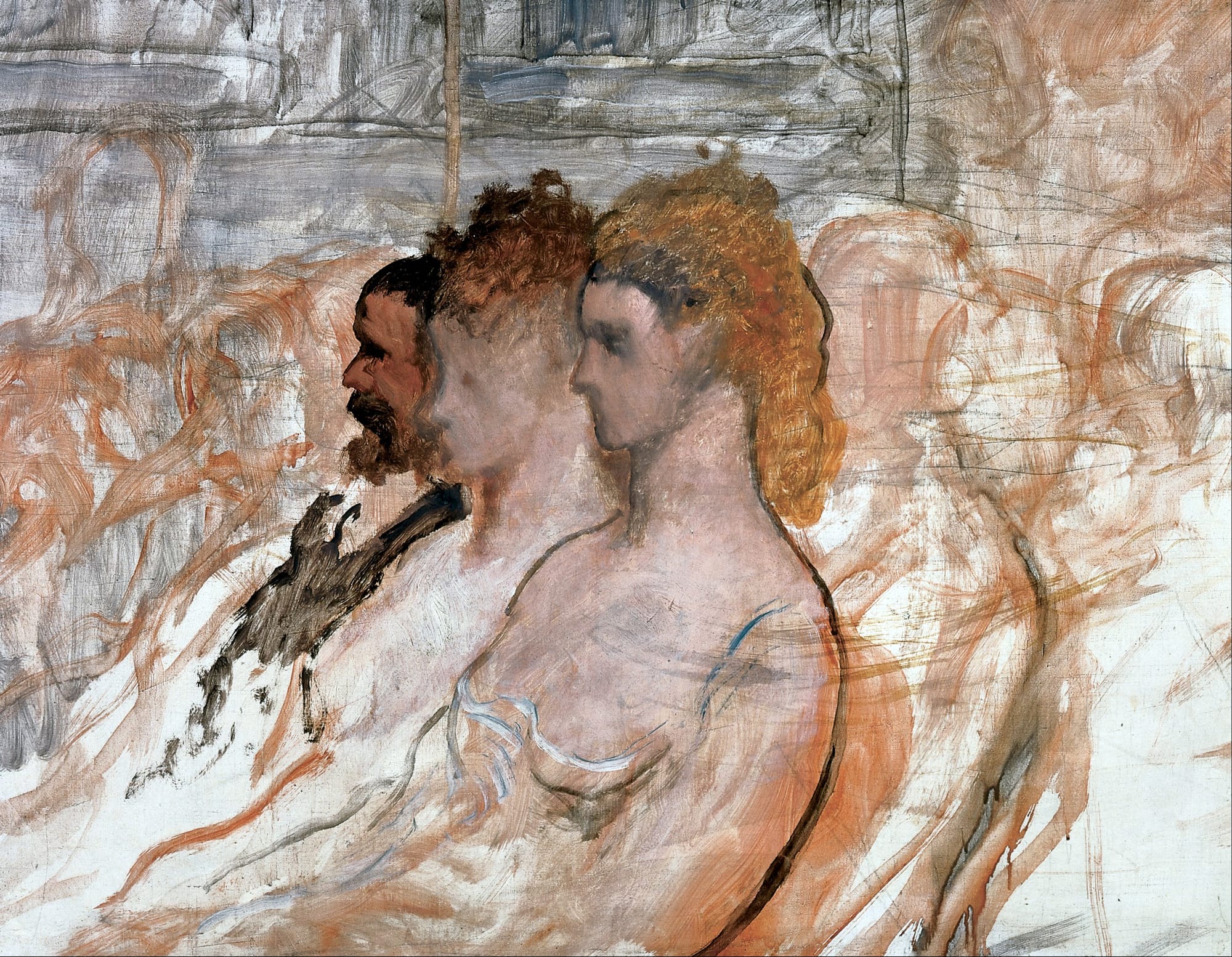
The movement towards separation wasn’t driven by profit alone. For many, there was an artistic impetus to create a theatre where the director could dictate the nature of an evening rather than influence it.
The old public theatres offered joy and communication and a sense of the collective, but little or no focus. No one was more avid for focus than Richard Wagner. To that end, he built a temple to himself and his work at Bayreuth, the Festspielhaus. Not satisfied with the single proscenium, Wagner went for the grandstanding ‘double’, which, through a trick of trompe l’oeil, gave the audience the feeling they were even further separated.
He reconceived the orchestra pit, burying it under the stage and covering it with a hood to render the musicians invisible. Nothing – not least the whirling dervish conductors – should distract. For him, this unity would create ‘a mystic gulf’ between performer and spectator. He wanted to induce an uninterrupted, dreamlike state where mythic archetypes would be free to transport the minds of those watching. Control was everything, and the theatre had travelled a great distance from the public stages of old.
The all-powerful theatre-artist never caught on in England, for good or ill. Something in the local tradition, dating back to the Mystery plays, had too much inbuilt irreverence and human breadth fully to accommodate the tyrant artist. Edward Gordon Craig, a self-proclaimed designer of genius who only ever managed a couple of produced shows, had a stab at creating total theatre in London and ended up in self-imposed exile.
Yet what was missing in British vision was made up for in appetite for guineas. Although a few theatres retained a short forestage through to the 1870s, in 1880 the Bancrofts, took over the Haymarket. They refashioned the auditorium in a way that meant the end of the forestage. Their gilded arch became the admiration and envy of Europe •
Time Frames: A Century of Proscenium Theatre by Dominic Dromgoole
Faber, 27 August, 2026
RRP: £25 | ISBN: 978-0571374113
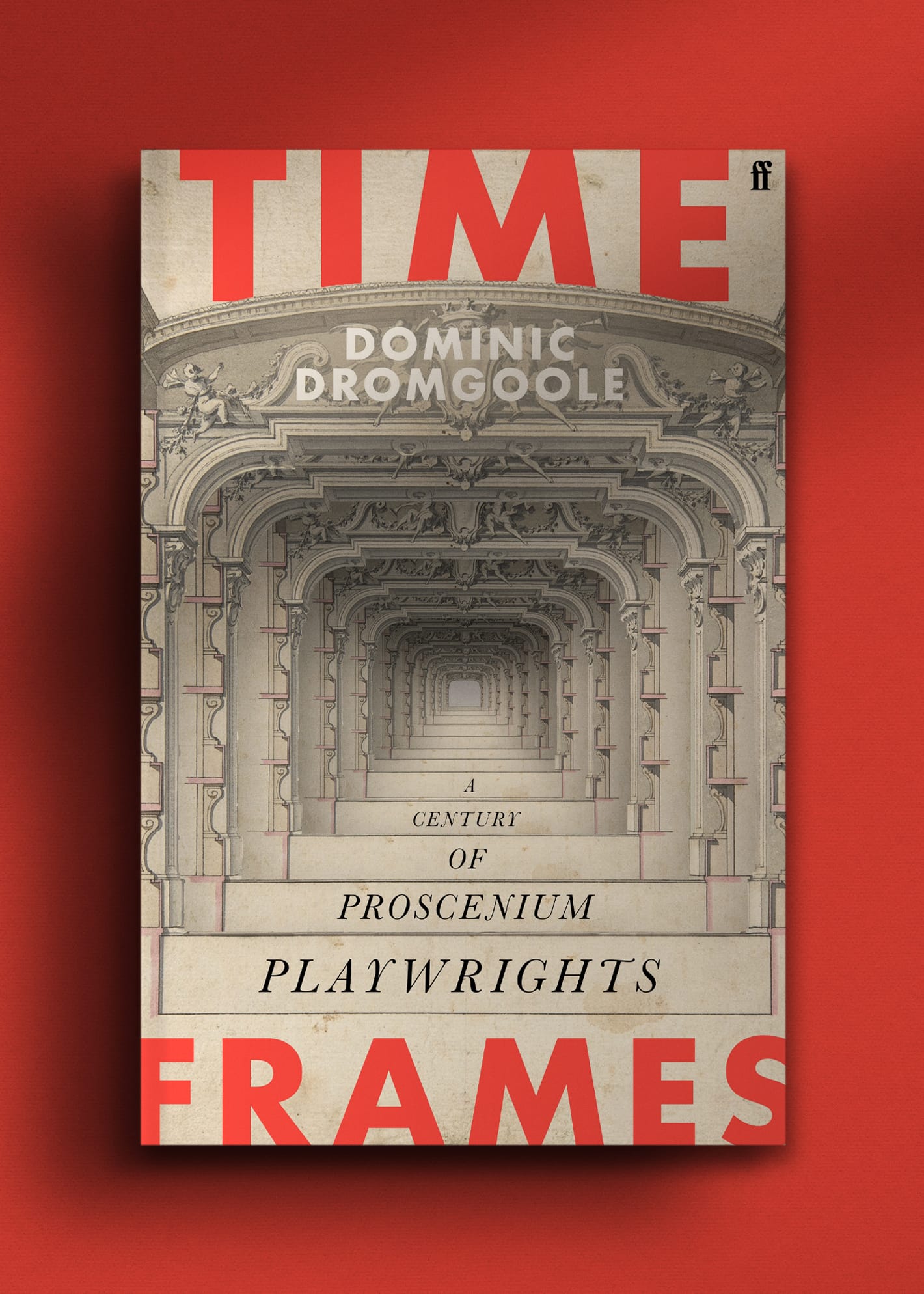
As Shakespeare and his contemporaries wrote for the epic scale, the imaginative commitment and the 360-degree embrace of the Globe so, three hundred years later, generations of playwrights wrote for the velvety darkness, the enclosed acoustic and the picture framing of the proscenium arch.
For a century, the story of the changing world was told inside proscenium theatres, by a series of remarkable playwrights. In over sixty irreverent, illuminating pen portraits - of both famous giants and lesser-known talents - Dominic Dromgoole takes us on a journey from 1865 to 1965, revealing how these writers used the framed stage to reflect the social upheavals of their times.
Brought vividly to life by a generously erudite and experienced theatre director, Time Frames is a hugely entertaining journey through a fascinating theatrical century, the era of the proscenium playwrights.
With thanks to Lauren Nicholl.
📸 Dive into our Features
🎤 Read Interviews
🎧 Listen to Podcasts
🖼️ Buy fine art prints & more at our Store


_-_Village_Festival_in_Honour_of_Saint_Hubert_and_Saint_Anthony_-_1192_-_Fitzwilliam_Museum.jpg?ref=unseenhistories.com)


,_Lady_Bancroft_by_Thomas_Jones_Barker.jpg?ref=unseenhistories.com)