
New History Books for October 2026
Our pick of new history books for October. From Wireheads to Chaucer, Napoleon's Marshals to Sherlock Holmes.


We cast our eyes over a selection of new history books that will be released over the month ahead.

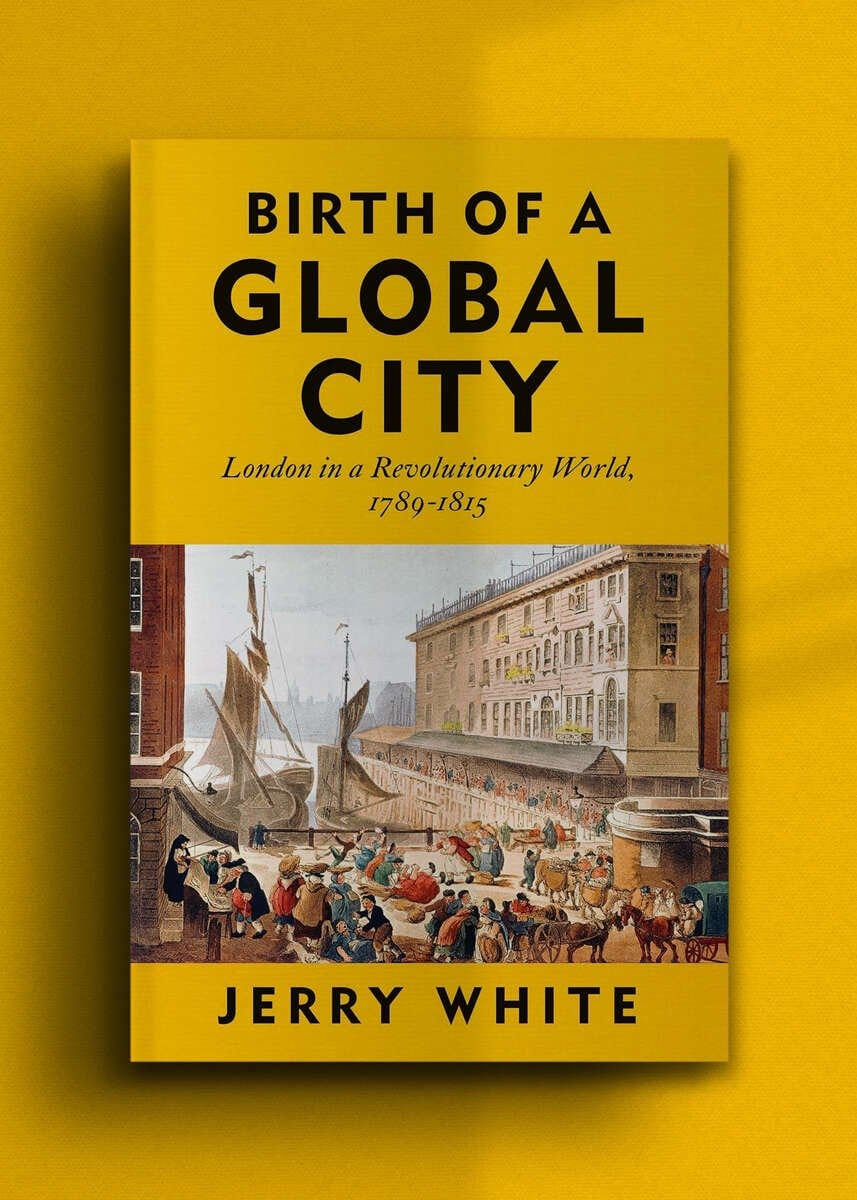
Birth of a Global City: London in a Revolutionary World, 1789-1815 by Jerry White
Bodley Head, 1 October 2026
Over the past two decades Jerry White has established himself as the pre-eminent historian of London. Readers will be familiar with his sweeping and superbly-researched surveys of the great city in the eighteenth, nineteenth and twentieth centuries and here, in Birth of a Global City, he brings all his skill to a fine focus as he frames those revolutionary years: 1789-1815.
This was the time, of course, of what was once called 'The Great War' between Britain and France. White opens his narrative with the assertion that this contest could never have been won by Britain 'without the seemingly inexhaustible prosperity of the port and the City of London and the industrial and residential suburbs of the wider metropolis.'
Cue an erudite and perceptive narrative bookended (oddly enough for a book about London) by the Fall of the Bastille and the Battle of Waterloo. White is the most sure-footed of guides to this time – following the émigrés and inventors, bankers and projectors – who were spurred forwards by the energy of a restless age. This is a book for lovers of London and for lovers of the Georgian Age.
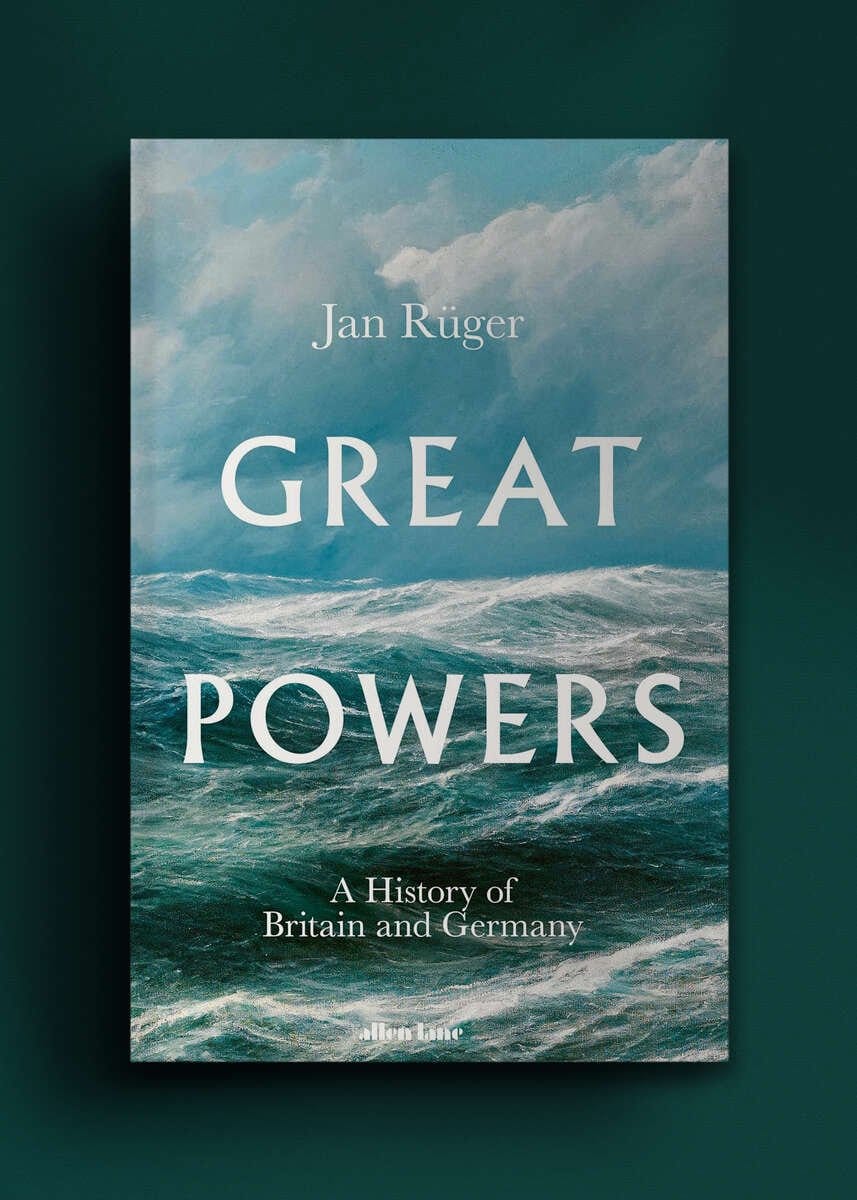
Great Powers: A History of Britain and Germany by Jan Rüger
Allen Lane, 1 September 2026
Like Jerry White (above) Jan Rüger teaches at Birkbeck, University of London, where he is currently Professor of History. After a sequence of books with the academic presses, Great Powers is his first for a general readership and readers that pick it up will find a bold, excellently researched and perceptive study of the Anglo-German relationship since 1714.
This is, of course, a relationship of great contrasts. In the eighteenth century the two nations were flung into a union as the Hanoverians ascended the British throne. There was a honeymoon period, of course, but the affection turned out to be enduring. During the Victorian Age, it must be remembered, there were few figures more beloved than Prince Albert of Saxe-Coburg and Gotha. Then came the terrible break with the dreadful wars of annihilation in the twentieth century.
There is great range here. Rüger would have had more than enough material had he simply written a book of political analysis. But Great Powers is far more human and ambitious a book than that. There is music in its pages as well as literature and personality. This is an excellent study of a singular historical relationship. An immersive autumn read.
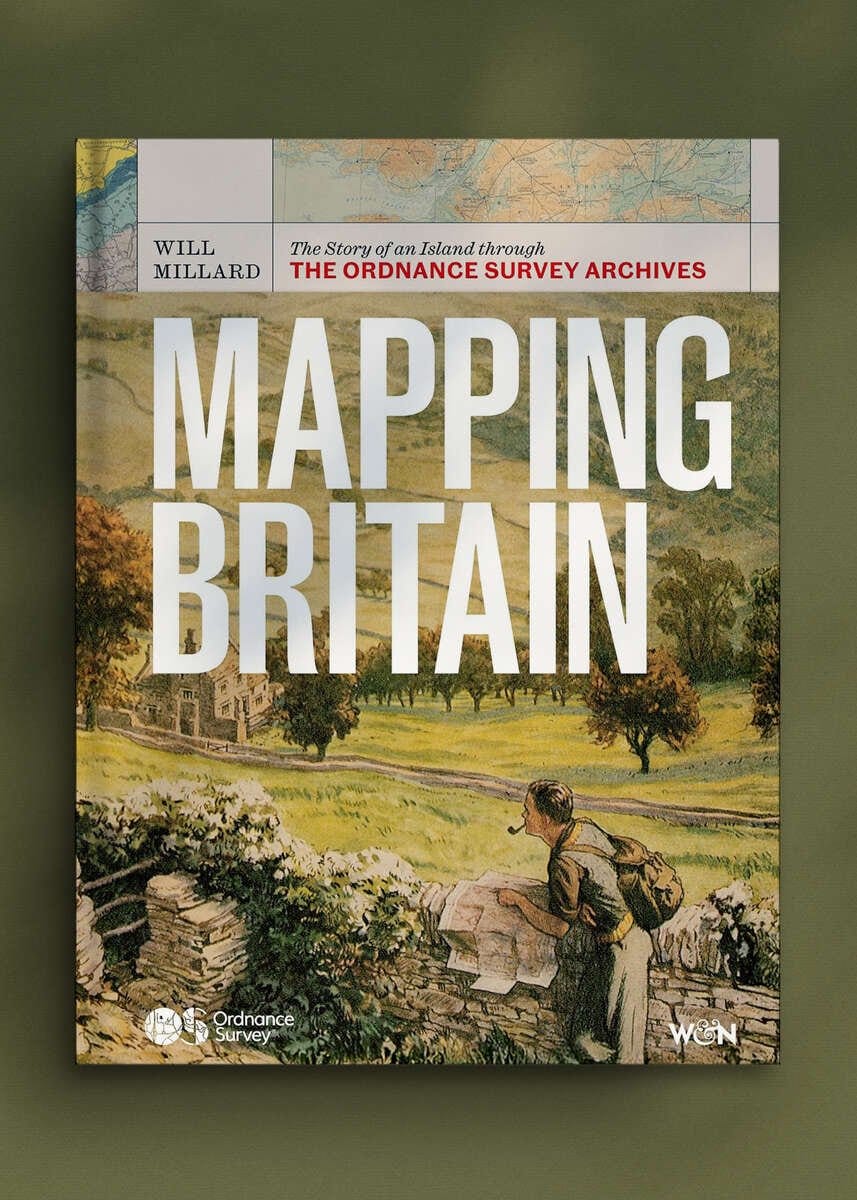
Mapping Britain: The Story of an Island through the Ordnance Survey Archives by Will Millard
Allen Lane, 1 September 2026
Who doesn't like maps? And when it comes to historical maps, there are few that can compete for interest, detail and surprise than those produced by the Ordnance Survey. Here, in this lavishly-produced, engrossing book, readers can trace the evolution of Britain from 1791 to the present day.
Seasoned readers may already be aware of the adventurous early history of the OS from works like Rachel Hewitt's Map of a Nation. The author Will Millard has this for a foundation and soon his story is bounding forward through the Victorian Age in a range of beguiling maps that depict not just geography but also other details like population distribution and the development of footpaths, roads and railways. Occasionally, too, the story stretches beyond Britain's shores with OS maps of the trenches and battlefields of the First World War.
We might have Google Maps today but the reader who spends time with Mapping Britain will doubtless reflect that much has been sacrificed on the altar of progress – what craft, what application, what thought. A book to treasure.
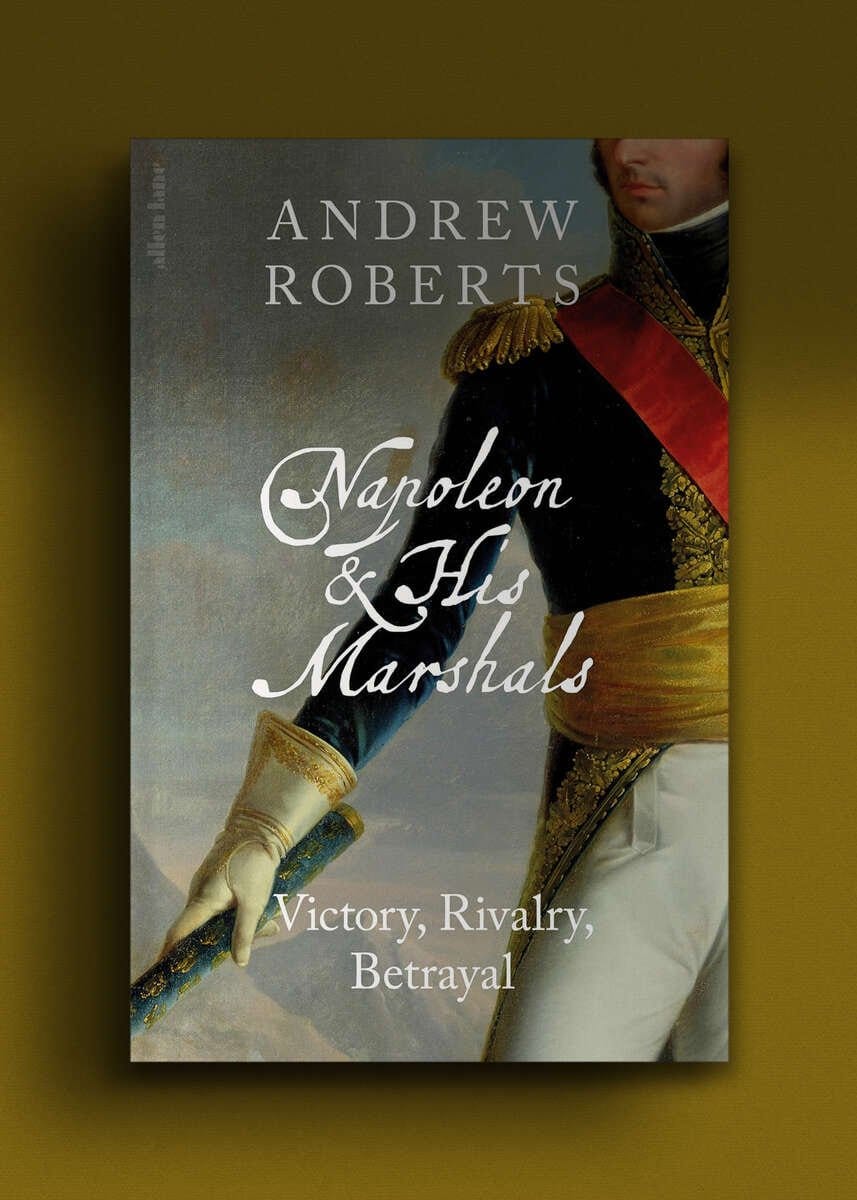
Napoleon and his Marshals: Victory, Rivalry, Betrayal by Andrew Roberts
Allen Lane, 8 October 2026
Almost four decades have passed now since David Chandler's classic study, Napoleon's Marshals tracked the careers of the 26 officers who were elevated to supreme military command 1804. This new study by Andrew Roberts, therefore, is very much due and is bound to appeal to a military history readership both old and new.
Roberts is something of a curiosity in the 2026 bookshop. In an age that has seemingly fallen out of love with the exhaustive, cradle to grave biographies that predominated a generation ago, he continues the grand old tradition in the most unapologetic way. The story of Napoleon's Marshals is a natural one for him and he presides over the archival sources, weighing them and shaking the sense out of them, like an urbane barrister.
The subject matter, if daunting in range, is nonetheless compelling. The catalogue of stories, from Bernadotte to Ney, Murat to de Moncey, each have their draws and peculiarities. Napoleon, meanwhile, toys with them all as his grand plans play out. A compelling new take on an old epic story.

The Book of Lost Languages: An Epic Quest to Decipher the Past by Daniel Harbour
Bloomsbury, 8 October 2026
If historians are to be regarded as excavators, digging into the depths of the past, one of the limitations on their reach is their ability to decipher ancient languages. As Daniel Harbour, a scholar of writing systems and formal linguistics, explains at the start of this engrossing narrative, the frontiers have been pushed dramatically back. A century ago we had linguistic knowledge that allowed us to study history as far back as the Bronze Age. Today we can pry thousands of years further back than that.
We can do so because of 'decipherment', an academic discipline compounded of, among other things, history, anthropology, linguists, logics. This has developed into a formal, if somewhat unconventional, discipline over the two centuries since Jean-Jacques Barthélemy, a French Enlightenment scholar, unlocked the secrets of a language used at Palmyra in Syria. Harbour's Book of Lost Languages takes Barthélemy's feat as a starting point. From there he works through the advances that followed, interleaving the history with stories from his own career.
There is magic in this book. As Harbour himself notes, 'to decipher a script' from some distant era, 'is to converse with people from those times, their writers, readers and inventors.' One of decipherment's great contemporary figures himself, Harbour is an authoritative guide to this beguiling subject. A playful book, loaded with puzzles for the reader, it's the perfect passport into lost worlds.
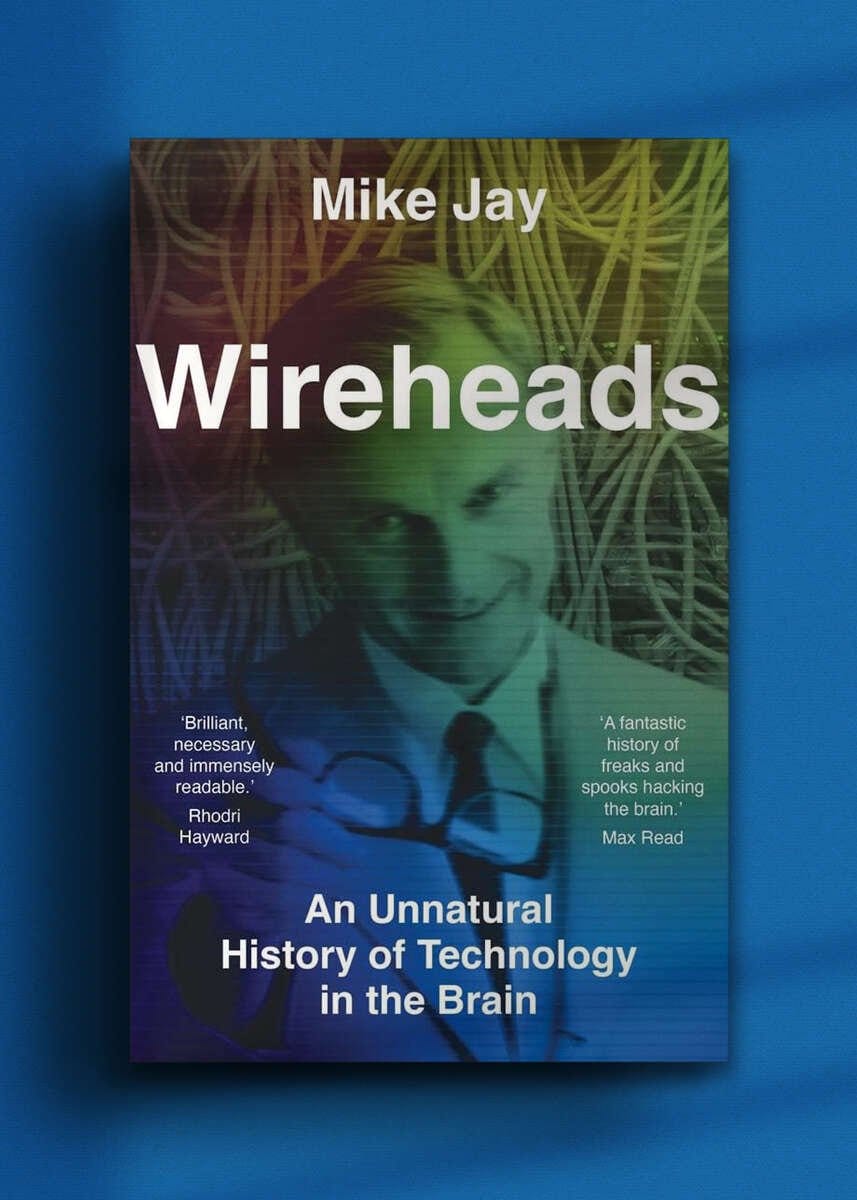
Wireheads: An Unnatural History of Technology in the Brain by Mike Jay
Yale University Press, 13 October 2026
Thank goodness for Mike Jay. In our unsettling times, when we are constantly terrified and exhilarated by predictions of a future in which man and machine merge, we could all benefit from a little context. This, in elegant, authoritative style, is what Wireheads offers. Set over the past two centuries, it examines what Jay calls 'an unnatural history of technology in the brain'.
That's a subtitle to make your toes curl and the squeamish might be challenged by some of the book's contents. Jay revisits experiments from the rudimentary days of science when humans tampered directly with the brain. This research was deemed admissible because benefits were expected to follow. Regions of pleasure were to be discovered and activated. Mind control was to be achieved. To achieve this latter end José Manuel Rodríguez Delgado devised his 'stimoceiver' experiment in 1964 when, through the aegis of an implant, he sought to halt a charging bull in its tracks.
Wireheads is freighted with extraordinary stories like this, from the utopian to the sinister, from the laudable to the curious. For those of you searching for a book that transcends the hysteria of our current AI debate but nonetheless looks clearly at a great issue of our time – Wireheads is a stellar choice.
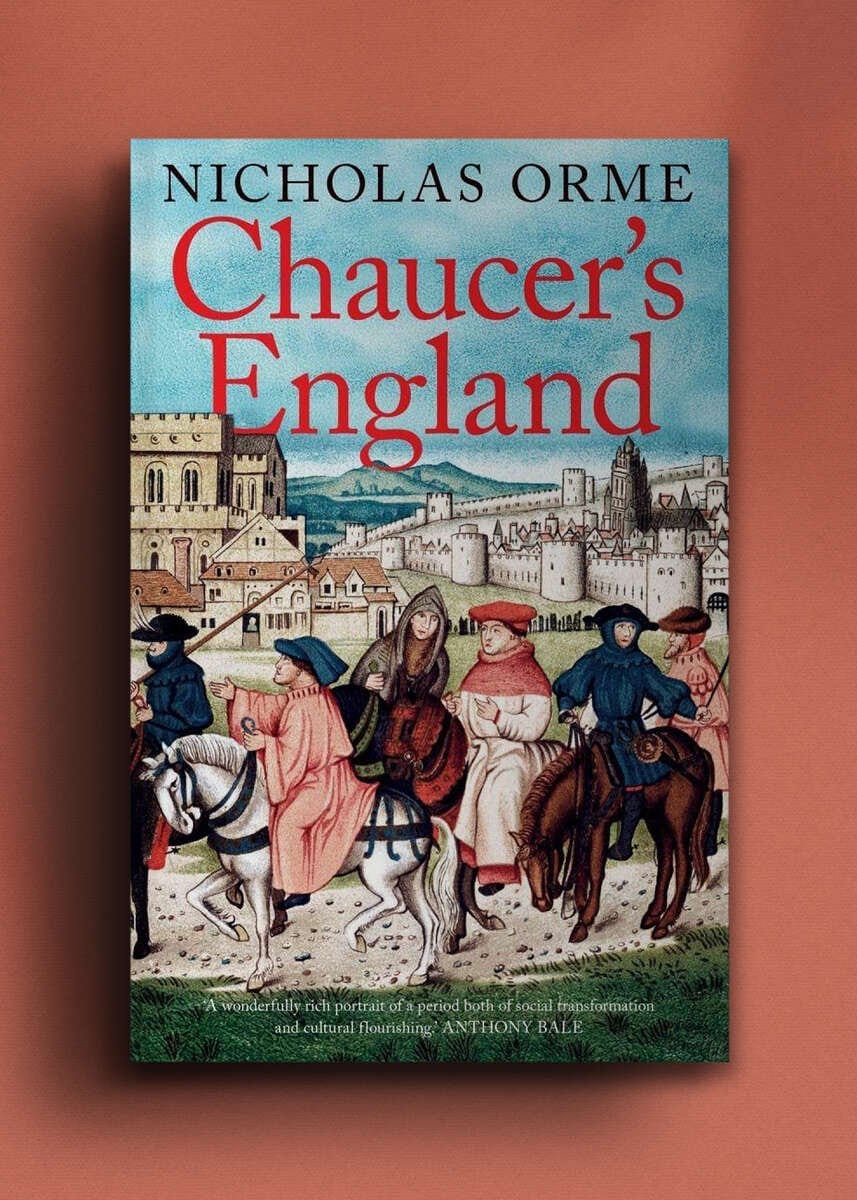
Chaucer's England by Nicholas Orme
Yale University Press, 13 October 2026
The name 'Geoffrey Chaucer' alone is enough to produce a series of mental images. We can picture the parish church and the smooth country road. Around these are dotted the labourers and pilgrims, crusaders and lords, all of them bound together in the rigid security of the feudal hierarchy. It is, at a distance, rather a beckoning scene.
This is a world that Nicholas Orme, one of England's great living historians, knows as well as anyone and he has sensed Chaucer's usefulness to lay it bare for us. Here the great storyteller becomes a storytelling device. And in ten neat chapters Orme investigates the central social questions of the time through the life of its greatest writer. Where did people work? How much leisure time did they have? What were their hopes and fears and what did they believe?
Such questions are at the heart of any human society. Here Orme portrays one of the most intriguing moments in English history afresh.
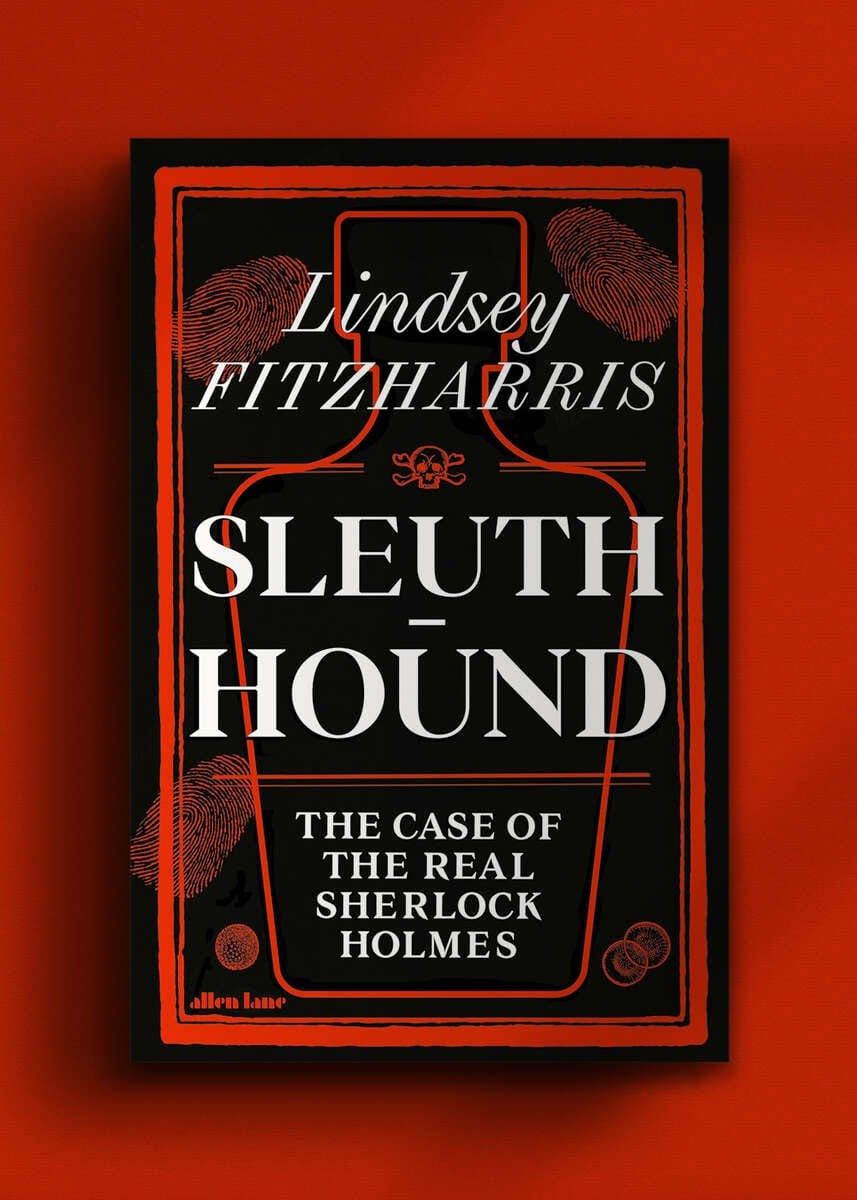
Sleuth-Hound: The Case of the Real Sherlock Holmes by Lindsey Fitzharris
Allen Lane, 20 October 2026
Nineteenth century Edinburgh produced a succession of extraordinary characters – from Dugald Stewart to Robert Louis Stevenson. But one, perhaps, has had an influence to eclipse all the rest. Dr Joseph Bell was a surgeon and a lecturer at the University of Edinburgh, where he enchanted students with his incisive eye for the telling detail. This was all very impressive in his day, but the reason that we still talk about Bell's genius is because he become the prototype for that greatest of all private detectives. Sherlock Holmes.
Just like Holmes, as Lindey Fitzharris points out in this fizzing narrative, Bell's skills were reckoned to be somewhat otherworldly in his day. But the triumph of this gripping book is bringing Bell back down to earth and setting him squarely back in his fascinating historical moment. This was a late-Victorian Edinburgh that buzzed with fierce energy. The Burke and Hare bodysnatching story that shortly preceded Bell's time showed just how far people were willing to go to satisfy the demands of modern science. Medicine, in particular, was undergoing a profound shift away from its gritty past.
Fitzharris is an evocative writer. Here she slips into a story that feels suspended between fact and fiction with a prose that sometimes feels equally so. Bell's story deserves to be drawn out from behind Holmes's shadow and here, at last, it comes – into plain sight.
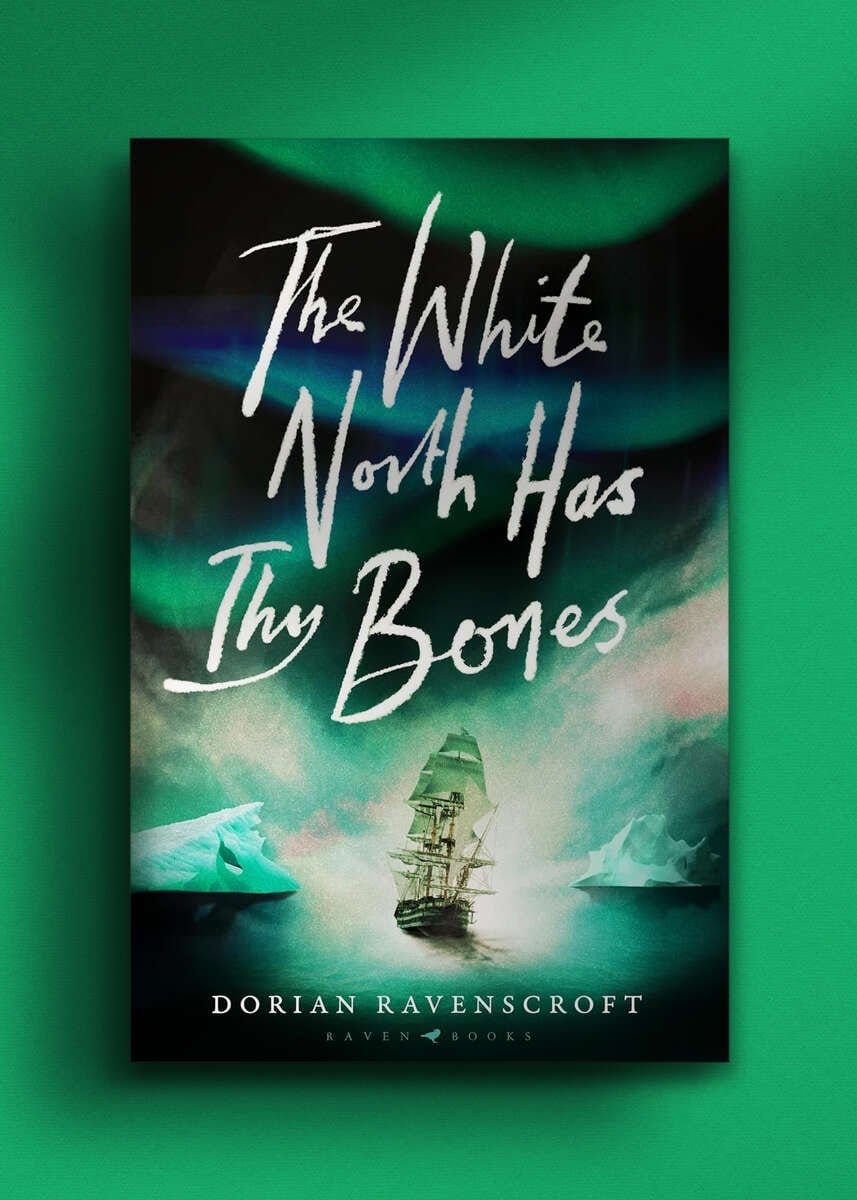
The White North Has Thy Bones by Dorian Ravenscroft
Raven Books, 22 October 2026
For those of you who love history but are looking for something rather different this month, how about our Unseen Histories fiction pick? The White North Has Thy Bones is a novel that has been drawing a great deal of interest in the run up to its release. Set in an enchanting historical setting – the Arctic in the post-Franklin world of the 1860s – it combines Victorian spiritualism, exploration and queer history with what has been termed 'a classic survivor narrative'.
Narrative non-fictions like Michael Palin's Erebus and David Grann's The Wager have recently captured the imaginations of readers, reminding us that the seas are both a place of horror and possibility. While the form is different, the emotional energy in Dorian Ravenscroft's book is just the same. All this makes for what promises to be a spellbinding autumn read.
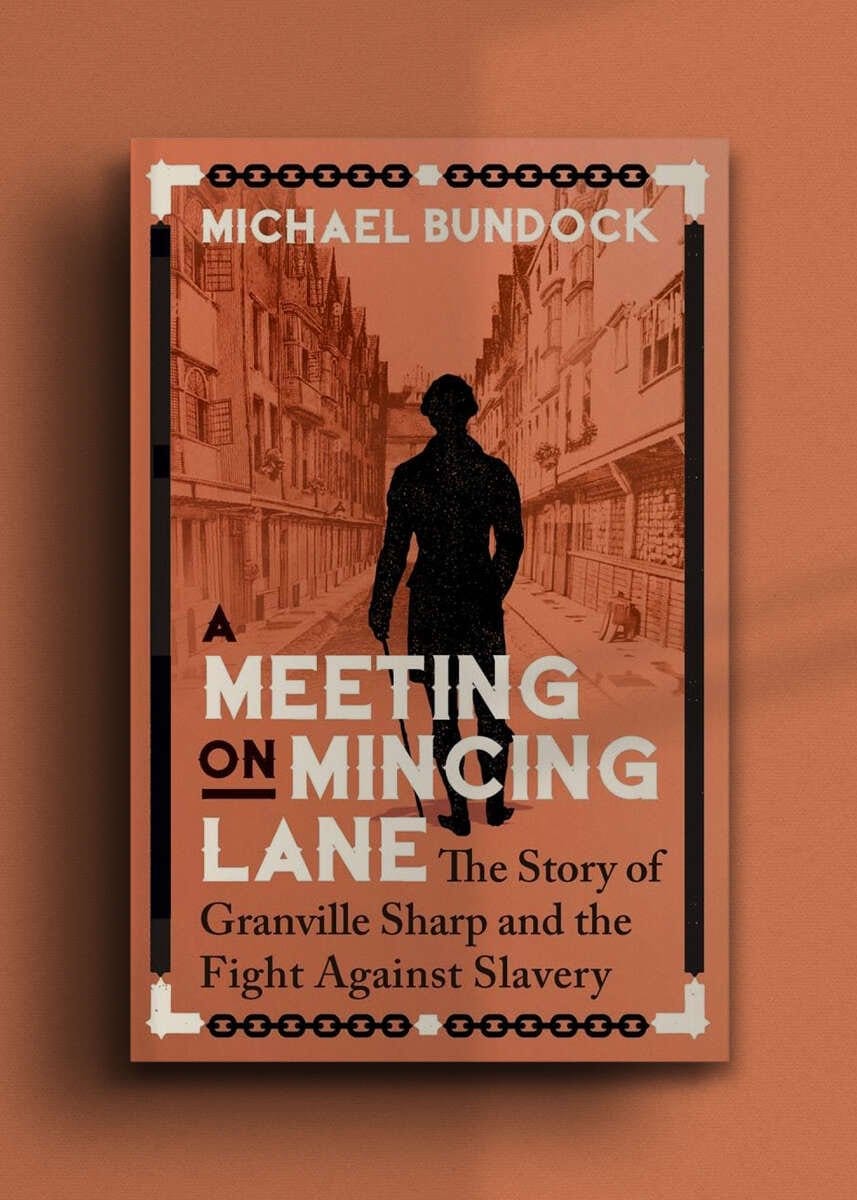
A Meeting on Mincing Lane: The Story of Granville Sharp and the Fight Against Slavery by Michael Bundock
Yale, 27 October 2026
Considering today's interest in the history of slavery and, in particular, the Trans-Atlantic Slave Trade, it is a peculiarity that Granville Sharp (1735–1813) has not received much attention. For, after all, it was Sharp who first started to make the public case against slavery in the 1760s. As the years passed his lone voice would be joined by an increasing number. The great movement for Abolition would win its historical argument in the early years of the nineteenth century.
Sharp, then, richly deserves the biographical attention that Michael Bundock gives him here. Bundock is an excellent researcher who has already distinguished himself with his pioneering life of Francis Barber – the ex-slave who became the heir of Dr Johnson. As such he comes to this subject with a strong grounding in the high Georgian period and its maze of extensive sources.
Sharp emerges from these in the year 1765 when he witnesses a confrontation on Mincing Lane in London. What happens thereafter is remarkable. Granville Sharp, as Bundock astutely explains, is ready to embark on a fight all of his own.
📸 Dive into our Features
🎤 Read Interviews
🎧 Listen to Podcasts
🖼️ Buy fine art prints & more at our Store


