
An Unnatural History of Technology in the Brain with Mike Jay
In his new book 'Wireheads', Mike Jay looks at the stories of those who sought to use technology to gain control of the brain.


Of all the mysteries in nature, the human brain remains one of the deepest. The fact, however, has not deterred generations of scientists, mavericks, politicians and utopians from trying to control it in some way.
Mike Jay is the author of the cultural history, Wireheads, which reflects upon those, over the past two centuries, who have sought to integrate technology with the brain.
Questions by Peter Moore

Unseen Histories
An episode that you have returned to throughout your writing career is the strange case of James Tilly Matthews and the ‘Air Loom’. Can you remind us of Matthews’ story and explain why you used it at the opening of Wireheads?
Mike Jay
James Tilly Matthews was a tea merchant with radical political sympathies who was locked up in the Royal Bethlem Hospital – Bedlam – in 1797 as an incurable lunatic.
He’s the first person on record to believe that his mind was being controlled by a machine. In fact he drew precise technical diagrams of it: it combined the cutting-edge technologies of the day, voltaic pile batteries and gas chemistry, to power a magnetic ‘warp’ which was targeted on his brain, in which the machine’s operators had secretly implanted a magnet as a receiver.
I wrote a book about Matthews around twenty years ago. His story seemed incredibly topical: the early internet was awash with mind control conspiracies and people who believed that they had alien brain implants. I kept finding more resonances of his story in the present day, and this became the jumping-off point for Wireheads.
Unseen Histories
Your story, however, soon moves towards the end of the nineteenth century when people were beginning to integrate electricity into all corners of society. Electrical brain stimulation was an idea that started to surface in the literature of that period, wasn’t it?
Mike Jay
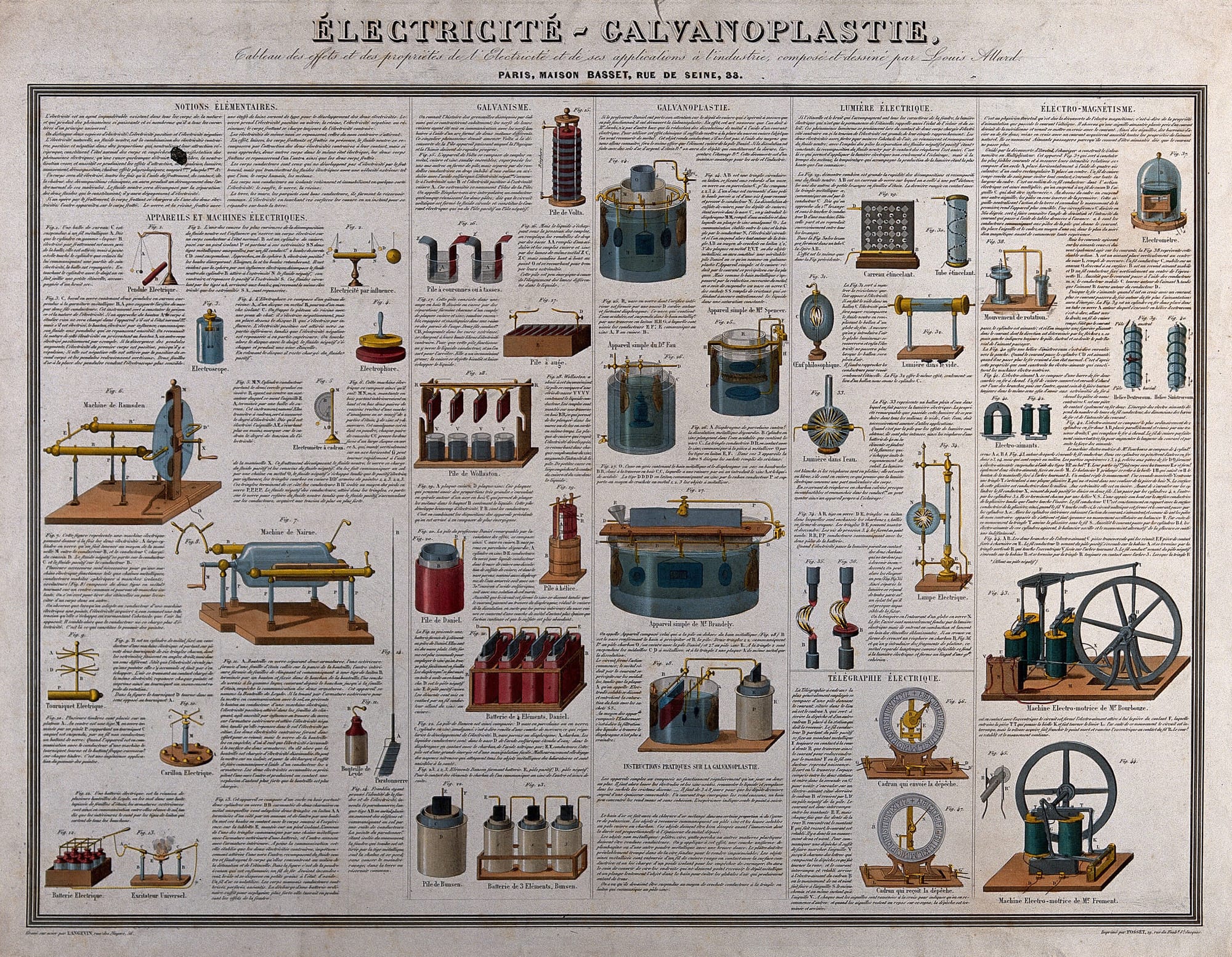
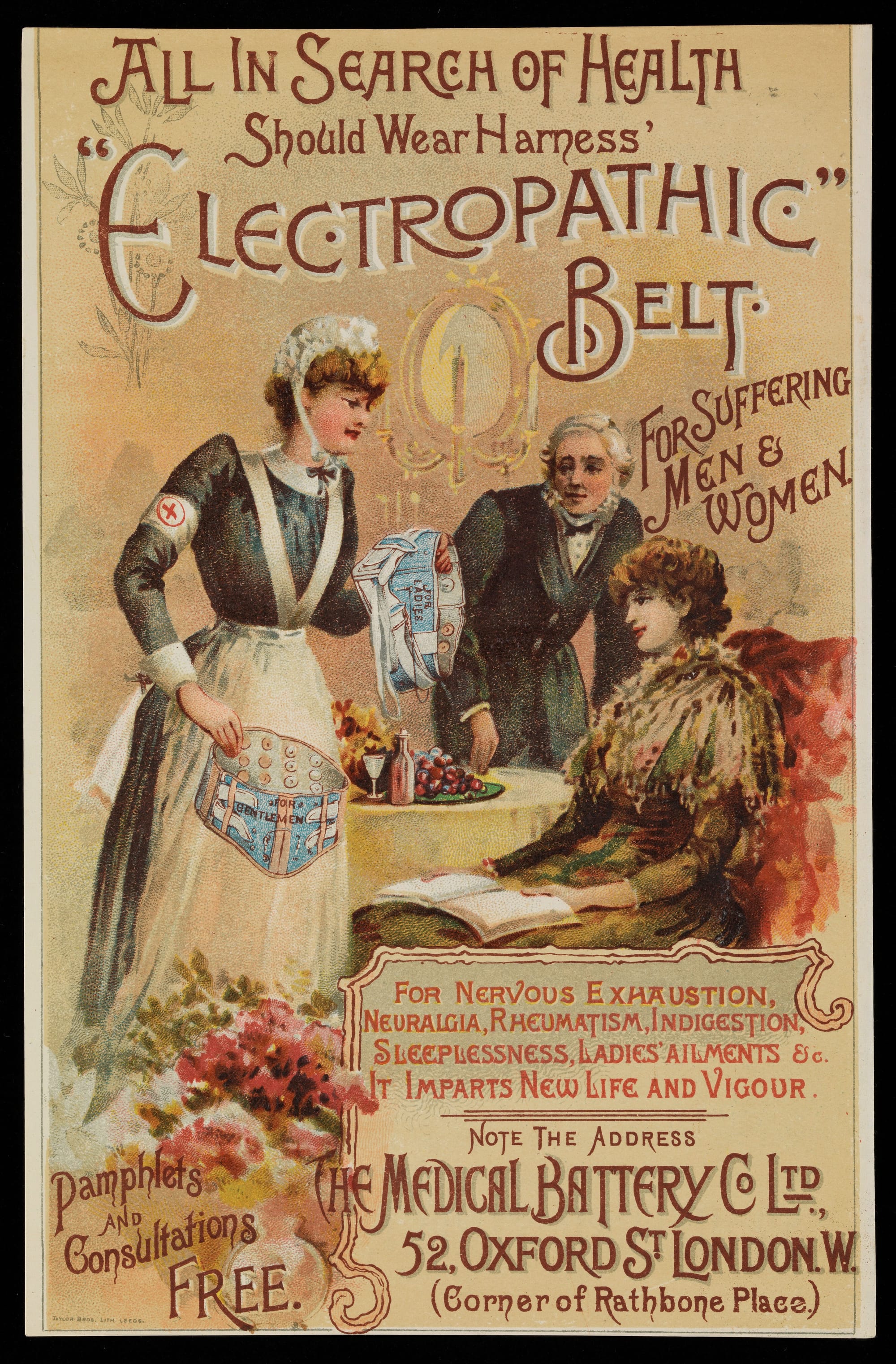
Yes, the electrical age and the discovery of the brain travelled in tandem from the beginning. New technologies such as the telegraph gave medical science powerful metaphors for the operation of the nervous system, and by the 1870s it was understood, via the study of epilepsy, that the brain was in some sense an electrical organ.
Doctors and surgeons found that if you exposed an animal’s brain by removing a section of skull and stuck electrified needles in different spots, you produced twitches and convulsions in different parts of the body. So from that point the race was on to map the brain and identify the functions connected to each region.
Unseen Histories
Electric helmets or magnetised schoolrooms seem fanciful to us today, but at least these types of technology were external to the human body. But concurrently there were attempts to tamper directly with the human brain. Can you tell us about any of these?
Mike Jay
Experiments on the living human brain were considered taboo, because it was so poorly understood and the consequences of damaging it were so severe. But there was a notorious case in 1874 where an opportunistic doctor in Ohio persuaded an Irish servant called Mary Rafferty, who had an ulcer on her skull that had eaten through the bone, to allow him to probe her brain with a needle attached to an electric battery.
As he moved the needle around she felt no pain, but different parts of her body twitched, her pupils dilated and she reported strange tingling sensations. He persisted until she had a seizure, went into a coma and later died.
The reaction in the medical press was condemnatory: the experiment was an appalling breach of ethical norms and should never be repeated. But it had clearly opened up a vast new frontier of knowledge, which was pursued with animal experiments, mostly using primates such as orang-utans whose brains were deemed most similar to humans.
These were also controversial, and indeed were prosecuted under the new Cruelty to Animals Act, but they led to new techniques for delicate and precise brain surgery.
Unseen Histories
Mind control was aspiration during the Cold War, wasn’t it? What steps were taken at that time to investigate this possibility?
Mike Jay
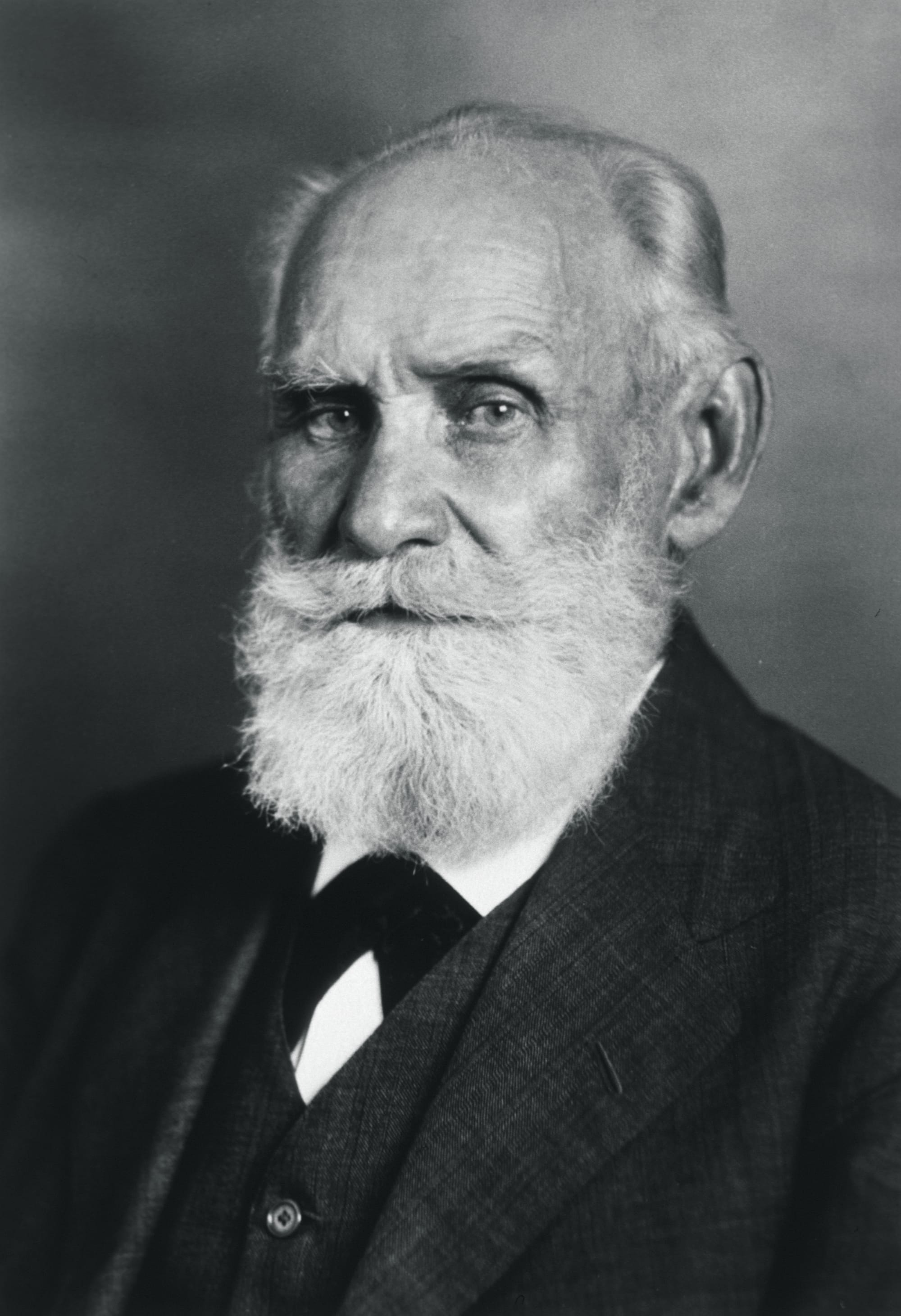
In the 1950s the US government became convinced that the Soviets and Chinese had developed ‘brainwashing’ techniques, based on the behavioural conditioning experiments of the Russian scientist Ivan Pavlov, which allowed them to wipe people’s minds, implant new memories or programme their behaviour.
The newly constituted CIA was tasked with developing such techniques themselves, and embarked on a series of brutal and unethical experiments with drugs, electroshock, hypnosis and sensory bombardment aimed at reprogramming the brain.
Such experiments became familiar from Cold War fictions such as The Manchurian Candidate and The Ipcress File, but in private the CIA admitted that popular ideas about brainwashing were in reality unachievable.
Minds could be destroyed and memories wiped, but subjects could not be forced to tell the truth or ‘programmed’ without their conscious knowledge.


Unseen Histories
Wireheads is filled with examples of bravura scientific experiments. One of the most memorable for a reader must be Jose Delgado’s one with a 'stimoceiver' in the 1960s. Can you tell us what that was and what lasting influence it had?
Mike Jay
In 1964, in the bullring in Córdoba, the Yale neurophysiologist José Delgado implanted an electronic transmitter in a bull’s brain and encouraged it to charge at him. When he activated the implant with his remote-control ‘stimoceiver’, the bull halted in mid-charge and walked away, its violent impulse seemingly muted.
Delgado’s demonstration was filmed and widely reported, and became a defining image of the power of brain implants to control behaviour. He followed it with an ambitious book which set out his ideas for a ‘technocivilised society’ in which brain implants would be used to suppress antisocial and undesirable impulses. This provoked a huge public backlash, which led in turn to a US Senate Committee report that mandated strict regulations on brain implants and banned their use for behavioural control.
Unseen Histories
A touchstone character throughout Wireheads is the neurophysiologist Grey Walter. Can you tell us who he was and why he was so integral to your story?
Mike Jay
Grey Walter was a British scientist who was an early champion of EEG (electro-encephalograph) technology and its potential to unlock the secrets of the brain. His work with brainwaves and feedback loops brought him into contact with the pioneers of cybernetics and early computing, such as Norbert Wiener and Alan Turing.
In 1953 he published The Living Brain, a hugely popular book on the latest discoveries in brain science which outlined a future in which our brains might merge with electronics and computers.
Walter was a maverick who worked across different scientific domains. His professional colleagues were often sceptical of his ideas, but his eye-catching prototypes – for instance, ‘robot tortoises’ that seemed to display intelligent movement – grabbed the public’s attention and he was a fixture on BBC broadcasts such as The Brains Trust.
He’s a wonderful illustration of how postwar brain science and computing were embraced by the wider culture: his trademark gadgets – EEG displays and stroboscopic ‘flicker’ devices – became familiar in the sixties through pop art and psychedelic light shows.
Unseen Histories
From Victorian ‘stimulation’ to Cold War ‘control’ you explain how interest in brain science was steered by the interests of wider society. By the 1960s a new front, however, had emerged. This was the utopian search for ‘super-pleasure’. Can you tell us about the psychologist James Olds?
Mike Jay
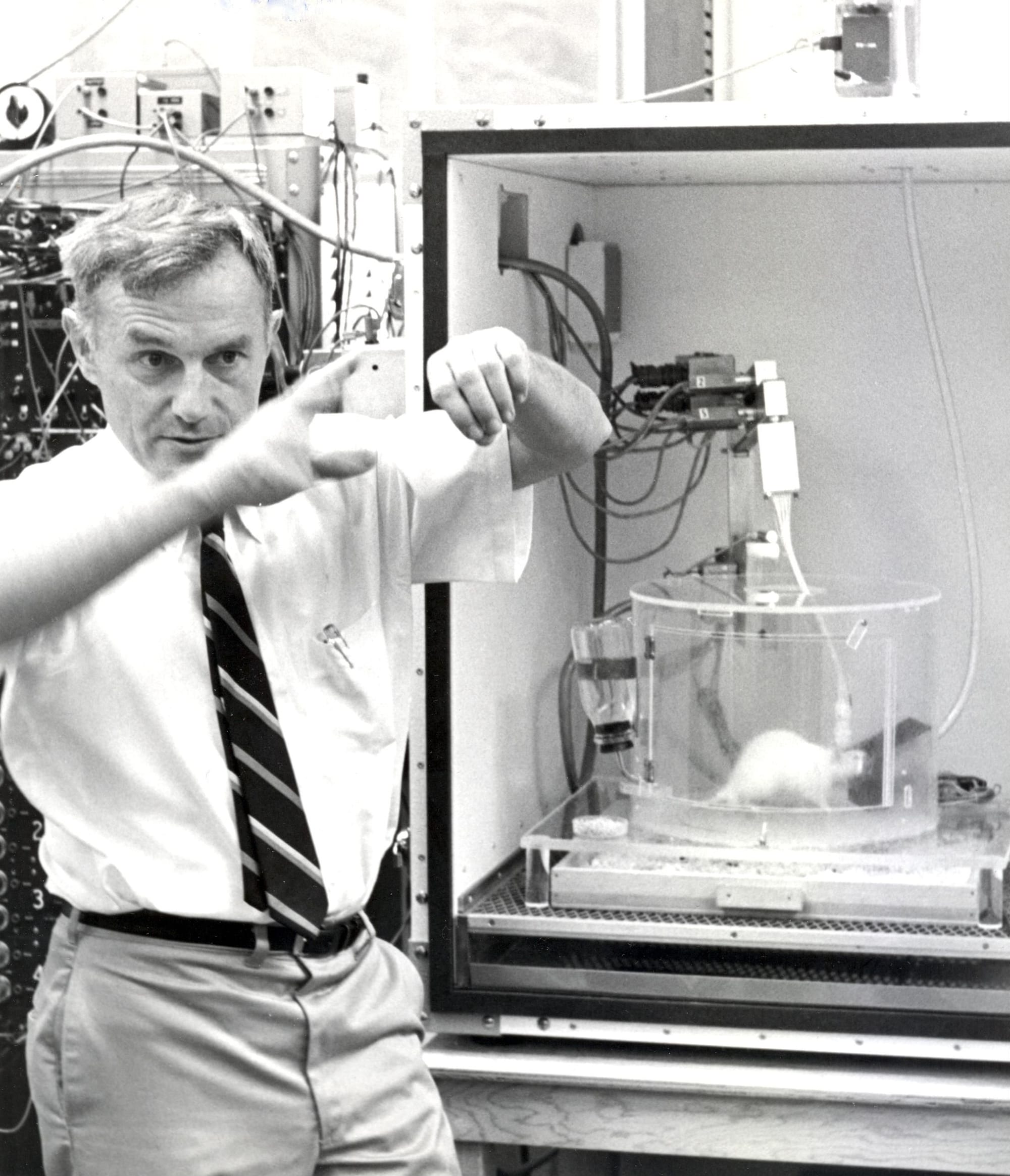
In 1954 James Olds, a psychologist at McGill University in Montreal, was experimenting with inserting electrode wires into the brains of lab rats when he made an unexpected discovery.
When the wire was placed in a particular region of the brain, the electric current didn’t produce the usual painful shock, but a sensation that appeared to be highly pleasurable. When given a lever to press to repeat it, rats would do so compulsively, ignoring other stimuli such as food or female rats in heat. Olds announced that he had discovered the brain’s pleasure centre.
This discovery had huge implications, and became a flashpoint in the culture wars of the sexual revolution, where it was portrayed as the terrifying end-point of an amoral and hedonistic society. Many feared that a technology which could reward us with irresistible pleasure would erode our morals, our work ethic, and civilisation itself.
These fears were unfounded: Olds’ discovery was gradually eroded by the emerging science of neurotransmitters, such as dopamine and serotonin, which revealed the brain as a complex network of circuits and pathways with no specific pleasure centre.
Unseen Histories
Whereas literature was an outlet for many of the earlier ideas about mind control, film becomes a powerful new medium in the twentieth century. A Clockwork Orange is a powerful exploration of the idea of brainwashing? Which other films connect with the Wireheads story?
Mike Jay
A Clockwork Orange is an interesting case in point: Anthony Burgess’ novel captures the 1950s themes of brainwashing, teen gangs and the new psychiatric medications, and Stanley Kubrick’s film adds the 1970s preoccupations of a violent society and José Delgado’s psychosurgery.
The hallucinatory brainwashing scene in the film of The Ipcress File draws heavily on Grey Walter’s stroboscope devices: Michael Caine’s hidden interrogator even instructs the technician to ‘fit the sound and vision to the pattern of his brainwaves’, exactly as Walter did!
Futuristic brain devices took centre stage in the cyberpunk movies of the 1980s and 1990s, which drew on the novels of Philip K. Dick and William Gibson. The androids and cyborgs of Bladerunner, The Terminator and Robocop set the template, which reached an aesthetic peak in Japanese animé films such as the Ghost in the Shell series, which combined layers of analogue and digital media to reflect hybrid perspectives of brain and machine.
Unseen Histories
Many of these ‘wireheads’ worked in a morally questionable realm. Were many people damaged by their experiments or their ideas?
Mike Jay
Inserting wires and electronic devices into the brain is a highly complex procedure, and it never became a widespread practice – unlike, say, lobotomy, which was a standard surgical procedure in psychiatry in the 1940s and 50s, with tens of thousands of patients subjected to it. By contrast, the surgeons who experimented with electrode implants in the 1950s and 60s, often on prisoners or mental patients without informed consent, encountered fierce resistance from their colleagues and public opinion as soon as their initial trials were published.
José Delgado claimed to find lobotomy ‘horrendous’ and argued that his brain implants would render it unnecessary. But the public protests against his first experiment to implant a ‘stimoceiver’ in a human subject were viewed in a similar light, and he never attempted it again.
It was only once the recommendations of the 1977 Senate Committee report were firmly in place, mandating strict protections for vulnerable patients, that today’s medical implants, such as deep brain stimulation for Parkinson’s disease, could progress towards medical approval and licensing
Unseen Histories
Your narrative runs right up to recent history and the outbreak of so-called ‘Havana Syndrome’, which some believe to be the consequence of some mysterious psychotronic weapon. Does this bring the story full circle to James Tilly Matthews again?
Mike Jay
I’ve described James Tilly Matthews as ‘patient zero’ of the mind control device, or psychotronic weapon, and his story resonates far more powerfully today than it did in his own time. We live in a world humming with invisible rays, beams, currents and signals, powered by machines and networks we barely understand, and the number of people who believe that they’re being negatively affected by 5G towers, WiFi signals, electric power lines – or, perhaps, a Russian secret weapon beamed at a US embassy – is growing exponentially.
The psychoanalyst Victor Tausk, who first described ‘influencing machines’ in 1919, argued that, despite their fantastical qualities, they should be considered as rational creations that explained actual experiences. Matthews’ ‘Air Loom’ may not have been a real machine, but I have no doubt that he was really suffering the mental and physical torments he attributed to it.
Tausk also stressed that this underlying confusion was not limited to those with mental illness: rather, it was part and parcel of modernity, technology and the media age. The telephone, TV, the internet and social media all create an uncanny twilight zone, blurring the line between the external world and our inner lives, making the two impossible to separate •
Wireheads: An Unnatural History of Technology in the Brain
Yale University Press, 13 October 2026
RRP: £20 | ISBN: 978-0300278880
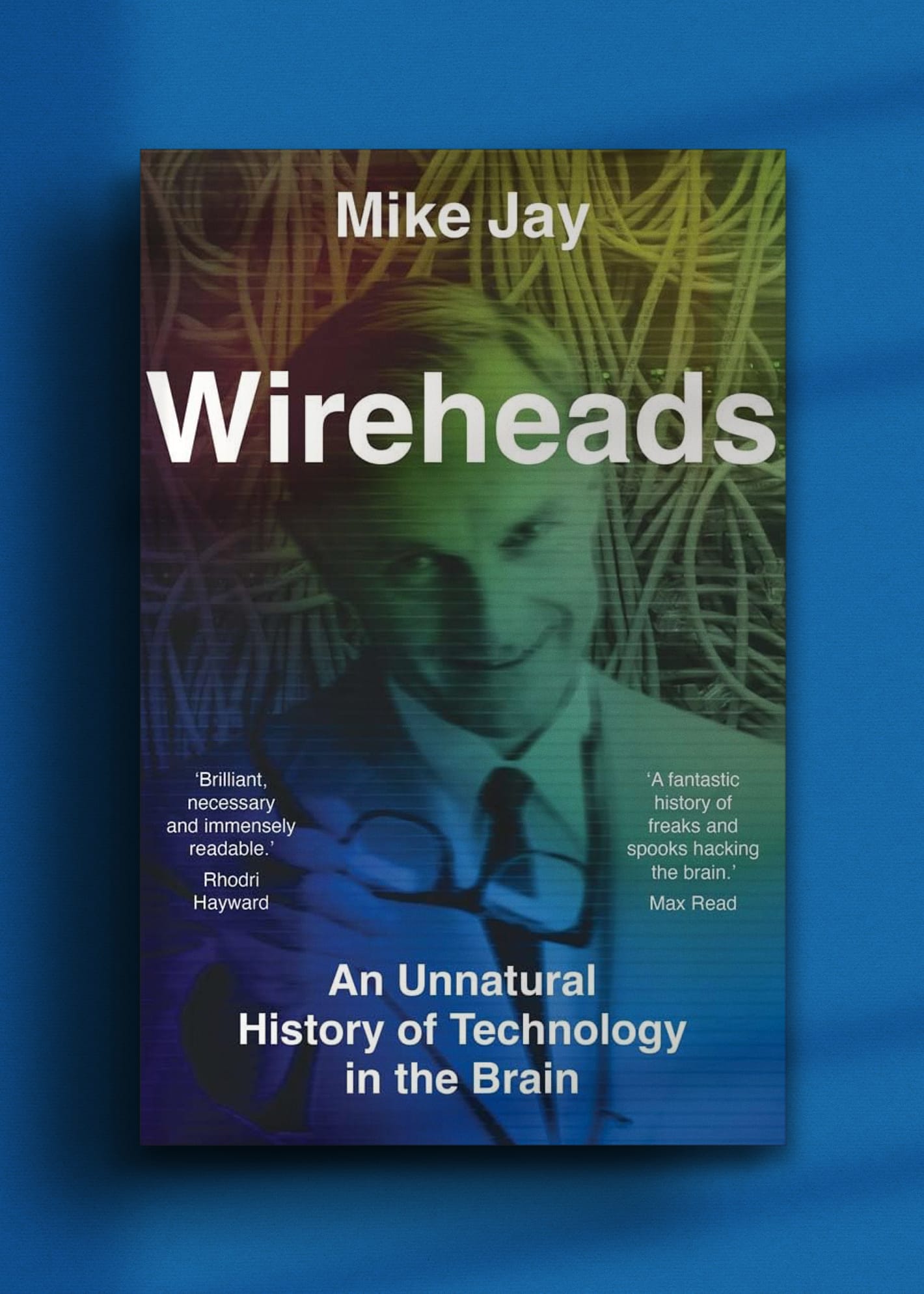
The story of the mavericks and scientists, crackpots and artistic visionaries who imagined a future where machines fuse with our minds
As humanity and technology become ever more tightly interwoven, Wireheads explores the final and most intimate frontier: the brain, and the electronic devices, magnetic signals, implants, and computer interfaces that promise to merge it with the world of the machine. Will these technologies eventually direct our thoughts and behaviour—or are they doing so already? Will they maintain us in states of artificial bliss, or connect us to higher intelligences, or replace the world of our senses with simulated realities?
Mike Jay, acclaimed author of Psychonauts, now traces the tangled, paranoid history of these real and fantastical brain technologies. From the fictions of H. G. Wells and Philip K. Dick to The Matrix, the CIA’s Cold War experiments and Elon Musk’s Neuralink, scientists and visionaries have long chased the dream of neural enhancement and control, with wildly varying degrees of success.
Encompassing covert military operations and psychedelic art, moral philosophy and cybernetic theory, Jay has assembled a thrilling narrative out of our attempts to understand and rewire the brain—and a brilliant meditation on what it means to be human in a posthuman age.
With thanks to Katherine Powell.
📸 Dive into our Features
🎤 Read Interviews
🎧 Listen to Podcasts
🖼️ Buy fine art prints & more at our Store



