
The History of Aston Villa Football Club with Rob Bishop
Rob Bishop is Aston Villa's club historian. Here he tells us how he landed this singular job and about the rich history of one of England's greatest football teams


Aston Villa, a founding member of the football league in 1888, are one of England's historic teams. The task of remembering the club's eventful story – from the European cups to the dismal relegations – is the day job for Villa's official historian, Rob Bishop.
Here we put several questions to Bishop about the history of Aston Villa, about what his job entails, and about the archives a sporting institution like Villa possess.
Questions by Peter Moore

Unseen Histories
Aston Villa’s ‘Club Historian’ is a unique job title. What does it involve week to week?
Rob Bishop
I assumed the role almost by default, essentially because I am, by some distance, the club’s oldest employee and I was formerly the programme editor.
Our archive material is currently in storage off-site while construction work continues on the North Stand expansion in readiness for the 2028 European Championship finals.
But there is still plenty to keep me busy. My job as part-time journalist involves generating ideas and historical content for the Vintage Villa section of the match day programme, plus occasional features for the website.
I also answer enquiries from families who believe their relatives played for Villa, and write obituaries. Sadly, several former players who have died in recent seasons, most notably Gary Shaw, were younger than me.
Unseen Histories
You spent many years working in journalism around Birmingham for titles like the Evening Mail. When did you start to report on Aston Villa?
Rob Bishop
My first job was as a junior reporter on the Dudley Herald in 1968. Before joining, I envisaged covering football but was quickly brought down to earth. I was told to write wedding reports and obituaries – and make the tea.
After a few years of general reporting, I became the Herald’s sports editor in 1973 and subsequently spent a couple of years as a sports sub-editor with the Wolverhampton Express & Star.
I joined the Birmingham Mail in 1979 and for several years covered non-League football and speedway (and even reviewing classical music albums for a while!) During that period, I was lucky enough to accompany local teams to four FA Vase finals at Wembley and cover World Speedway finals in Poland, Sweden, Germany and the Netherlands.
It wasn’t until 1987 that I reported on Villa. I started in March that year – and they were relegated in May.
Unseen Histories
Aston Villa has one of the richest histories of all English football clubs. Your comprehensive book Aston Villa The Complete Record tells the whole story but how would you summarise this history? It’s not a tale of non-stop glory, is it?
Rob Bishop
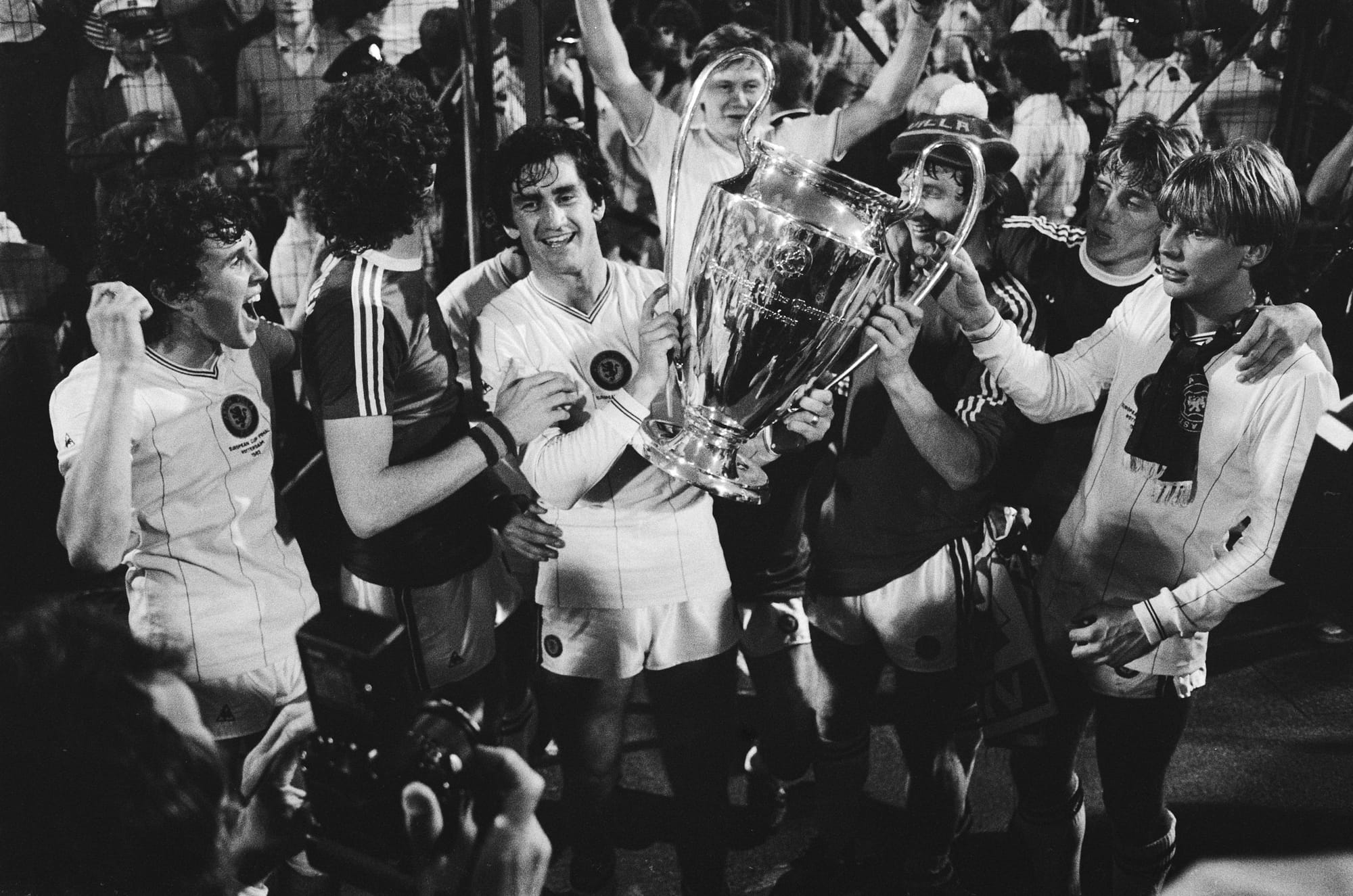
Far from it. Since the club’s formation in 1874, they have achieved seven League Championships, seven FA Cup triumphs and five League Cup victories, plus the European Cup in 1982.*
There have, however, been numerous low points, including relegation to English football’s second tier in 1937, 1959, 1987 and 2016. Worse still, in 1970 they went down to the old Third Division, which was undoubtedly the nadir of the club’s history.
Strangely, though, supporters embraced those encounters of the third kind and opposition clubs benefited financially from uncharacteristically large attendances when Villa were in town.
Just before Christmas in 1970, over 62,000 witnessed a famous League Cup semi-final victory when Third Division Villa beat a star-studded Manchester United team which included George Best, Bobby Charlton and Denis Law.
* To this list must be added the UEFA Europa League, which Aston Villa won on 20 May 2026, shortly after this article's publication.
Founded: 1874
Major Honours: Football league (7), FA Cup (7), League Cup (5), European Cup, European Super Cup, UEFA Europa League
Grounds: Wellington Road (1876–1897), Villa Park (1897–Present)
Notable Players: George Ramsey, Harry Hampton, Billy Walker, Tom Waring, Dennis Mortimer, Paul McGrath, John McGinn, Emi Martinez.
Most appearances: Charlie Aitken (657)
Quote: 'A proud man George Ramsey ought to be, and is, when he reflects that the team that was once a tender nurseling among the great professional teams has twice in ten years, under his management, won the English Cup, and twice in seven years been acclaimed the champion team in the League.' – Illustrated Sporting and Dramatic News, October 1896
Unseen Histories
What kind of historical archives does a football club generate? Are there comprehensive lists of fixtures and an abundance of match reports from years gone by?
Rob Bishop
It varies from club to club. Some invest heavily in their history, others less so.
At Villa, the archives have been an integral part of the club for many years. Before everything went into storage, I compiled an inventory of all the material and even I was staggered by the amount of material and memorabilia we have.
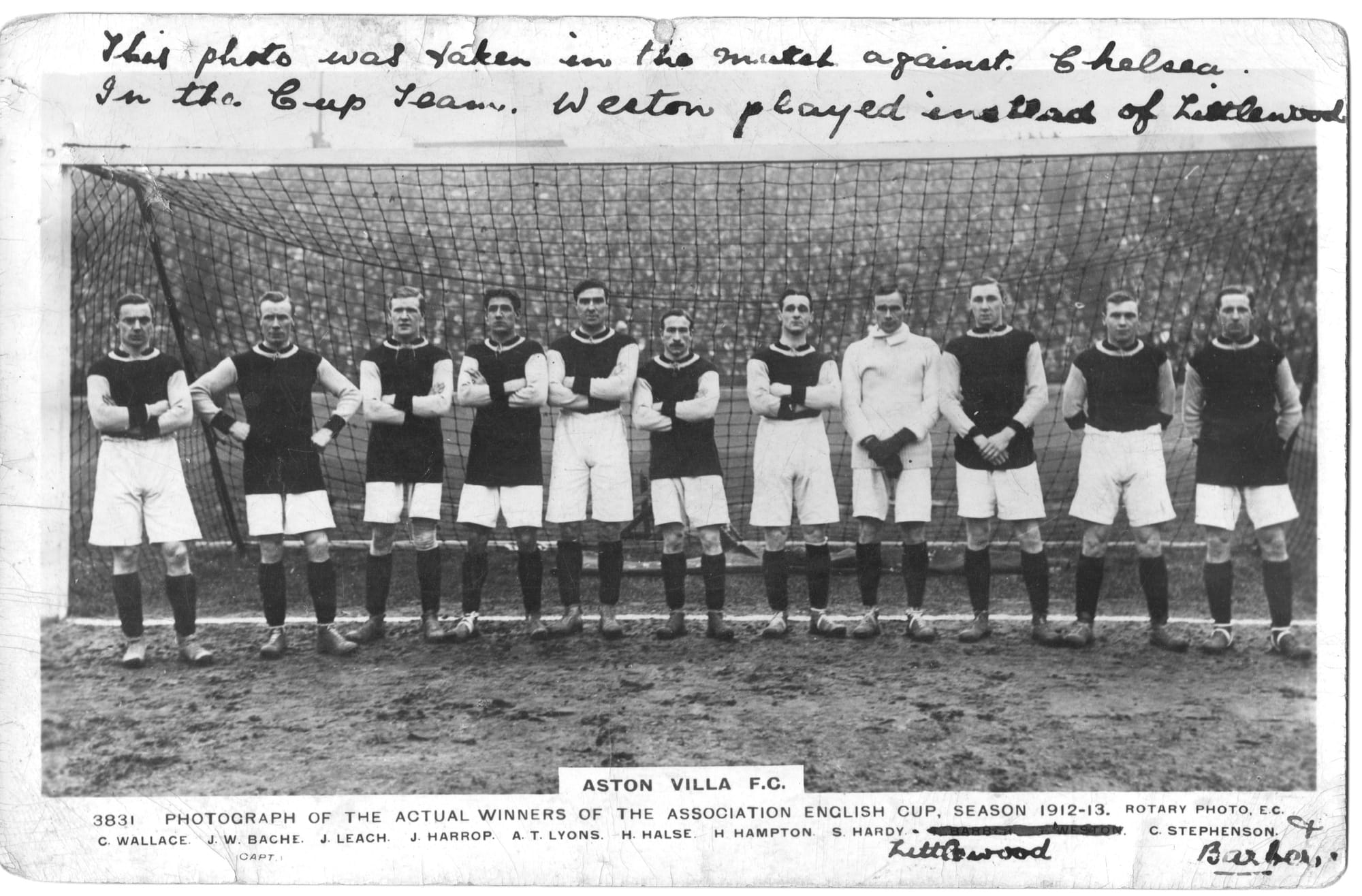
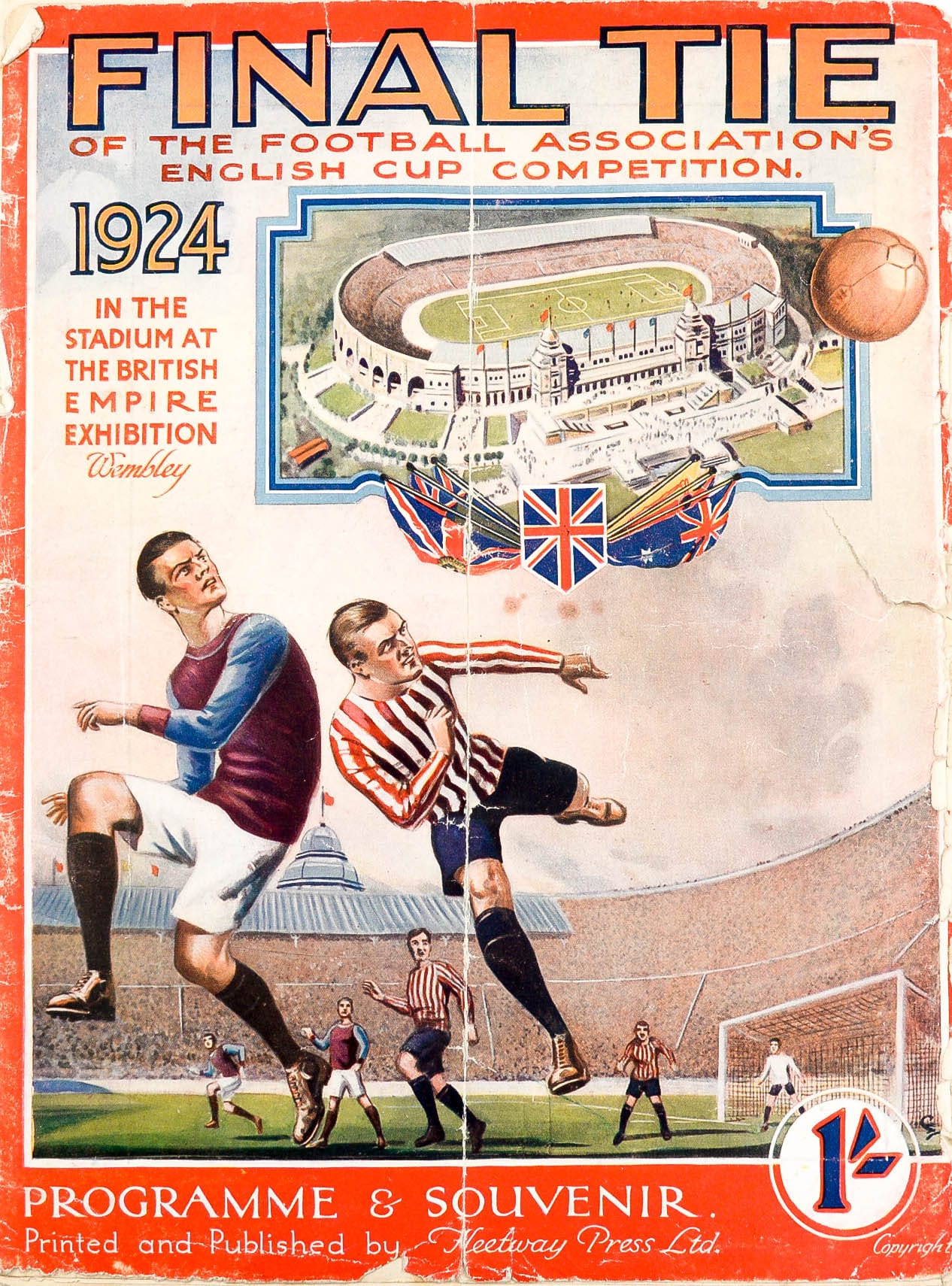
It includes bound volumes of programmes from 1906, boxes of photographs of players, managers and matches down the years, framed team photographs dating back to the nineteenth century, minutes of board meetings, trophies and items presented to Villa during overseas trips (some of them quite grotesque!)
There were also players’ contracts, each one sealed in brown paper, with a date when they could be opened. Paul McGrath’s deal can be revealed in 2061, and Paul Merson’s in 2072!
Unseen Histories
Presumably much of the photography of the team would have been conducted by local photojournalists. Is this correct and can you think of any superb images that capture something about the club’s past?
Rob Bishop
For the past couple of decades Villa – like most other clubs – have employed an in-house photographer, and the vast majority of his images are stored digitally.
Previously, a guy called Terry Weir did the job on a part-time basis, and almost all the photos in the archive were taken by him.
Terry was quite a character. Apart from his camera, he always carried a packet of wine gums, and frequently threw them to supporters. In 2002, the club published a book of his photos under the title The Weir and the Wonderful and I had the pleasure of ghost-writing his thoughts on each image.
There are only a couple of action shots among the 200-plus photos, so it was a very different kind of publication.
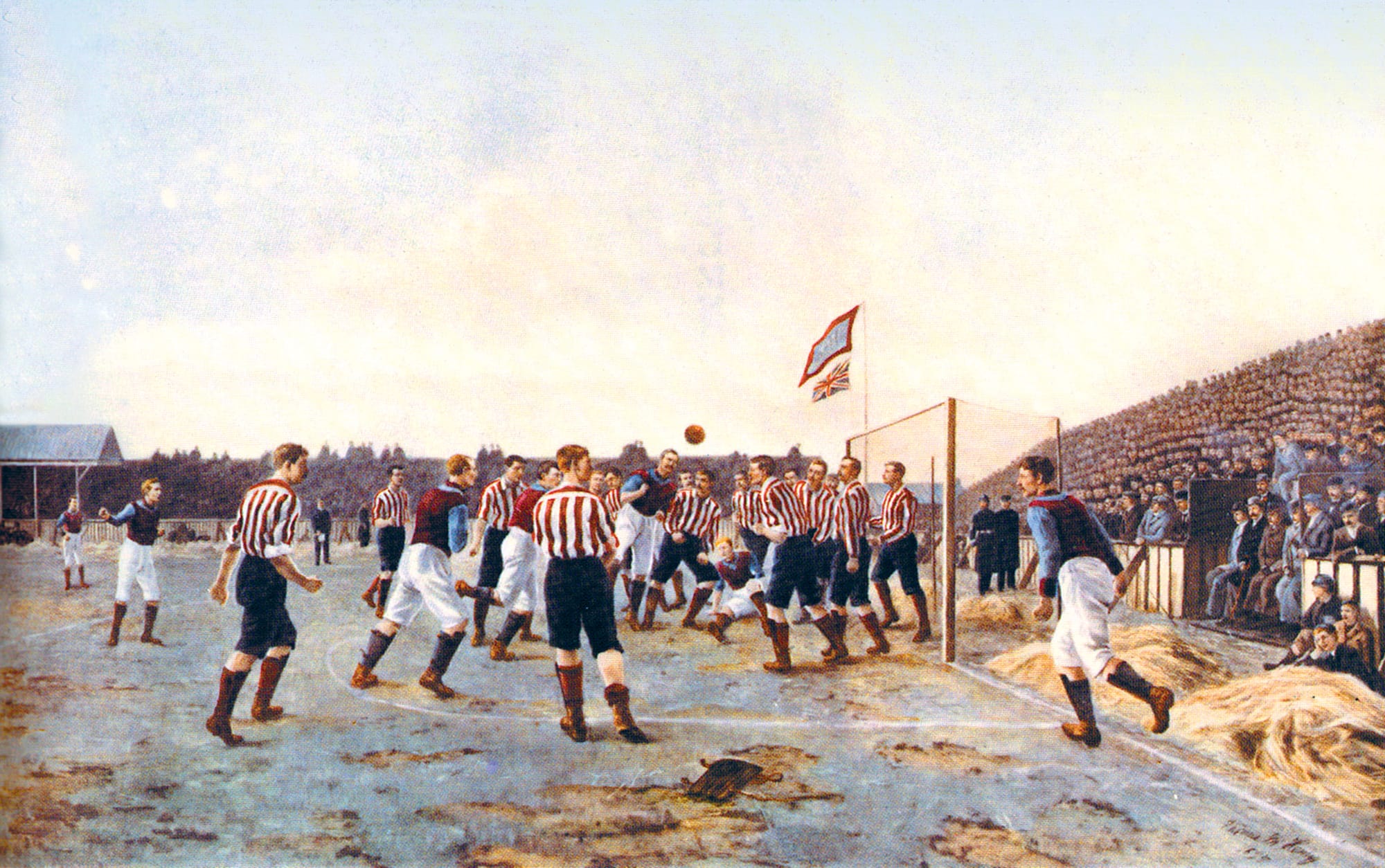
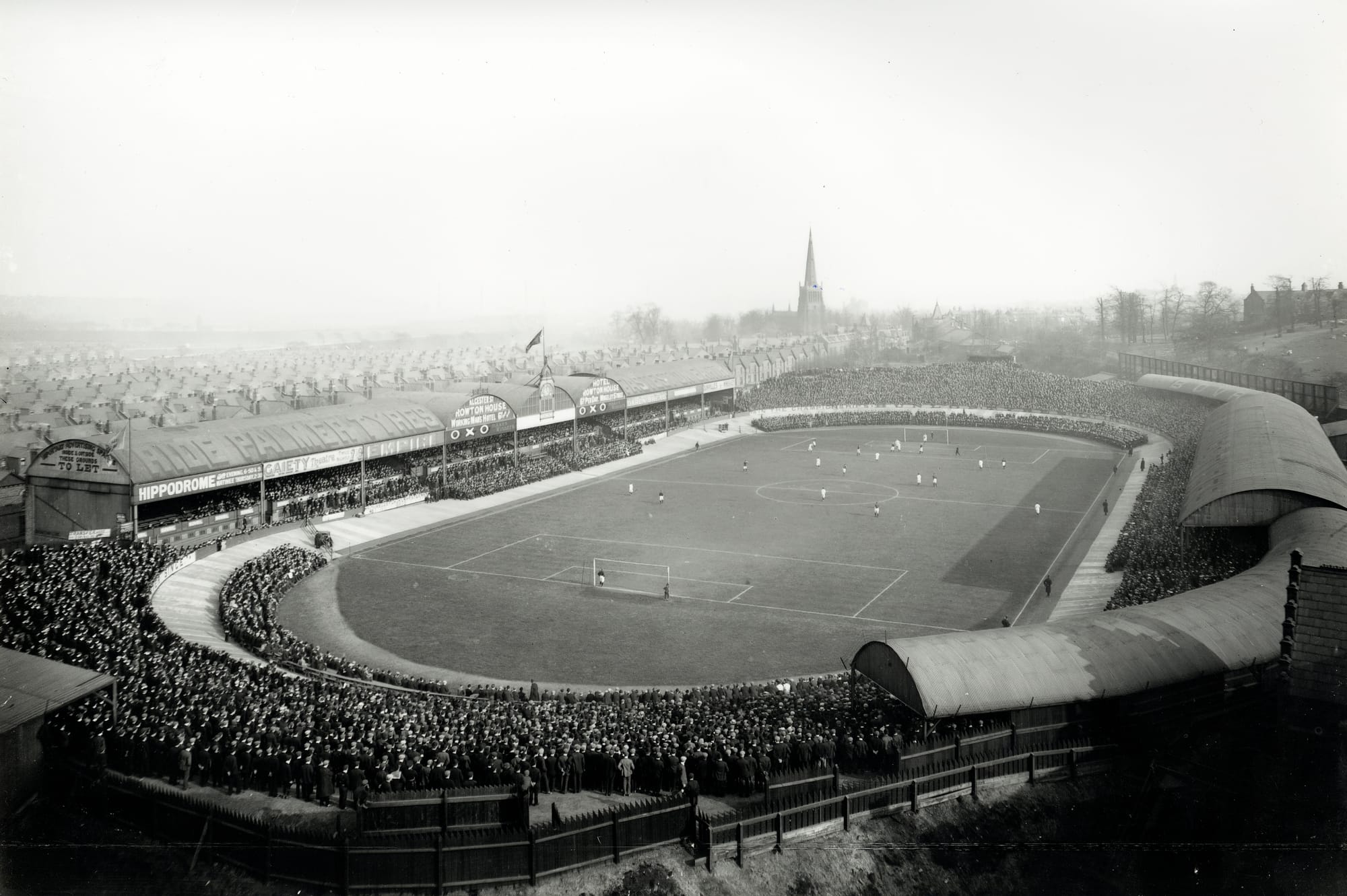
As for images capturing the club’s past, I love the one of Villa Park in 1907, featuring a barrel roof on the Witton Lane stand, a covered terrace on what is now the Trinity Road stand, two open terraces behind the goals and a cycle track – with Aston Parish Church in the distance behind the Holte End.
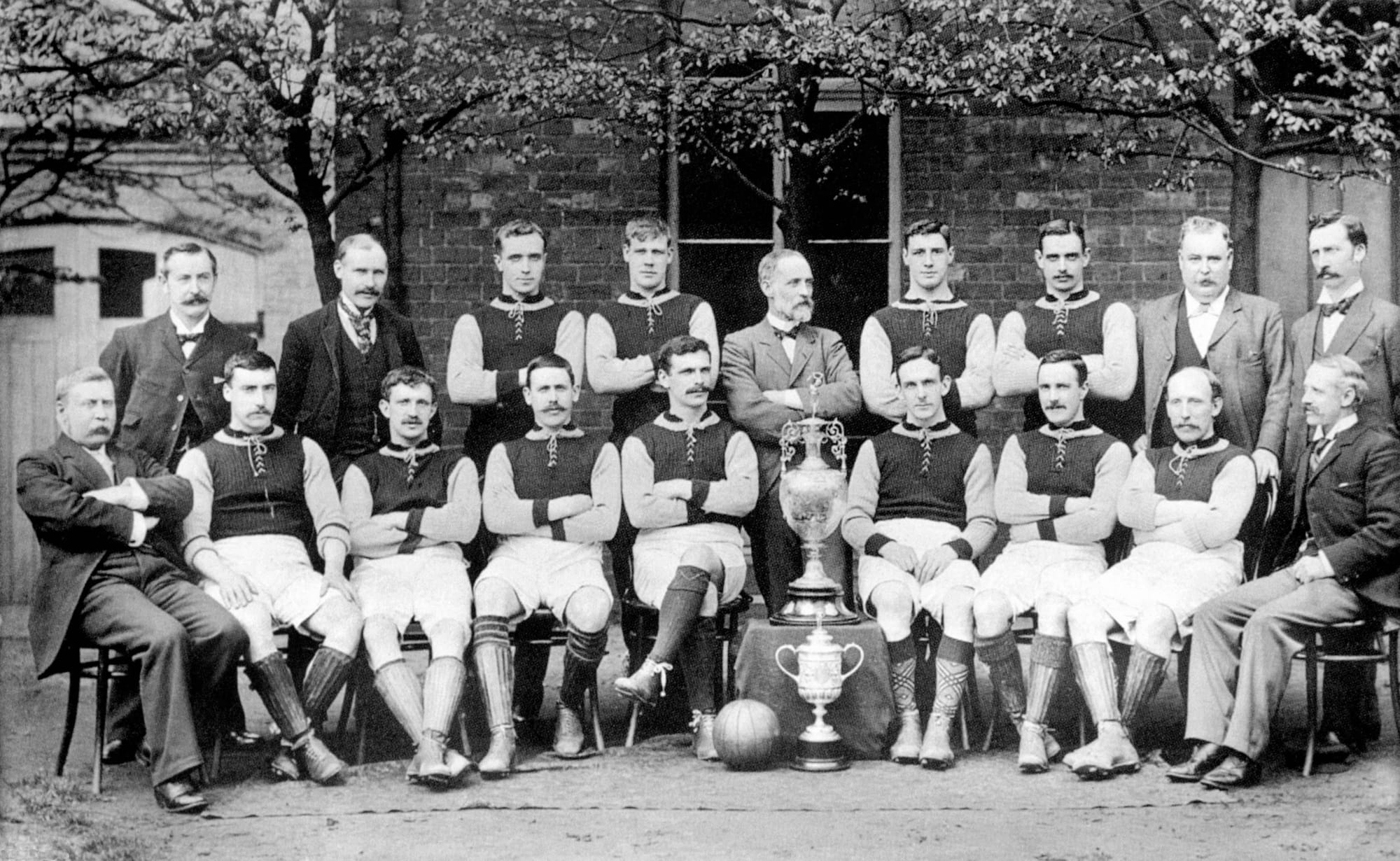
Among the many squad groups, the one of the 1880 Birmingham Senior Cup-winning side is special because it was the club’s first trophy. At that time, the players wore black shirts with a red lion emblazoned on the front.
Unseen Histories
Football clubs are traditionally thought of as being rooted in local communities. What have your years of researching and writing about Aston Villa taught you about Birmingham and its people?
Rob Bishop
Despite its 'Second City' tag, Birmingham is often considered a poor relation in terms of British cities, which is a pity because it has so much to offer.
There are some beautiful buildings, including the cathedral, the Town Hall and the Council House, an abundance of restaurants and atmospheric pubs, and a network of canals to rival Venice.
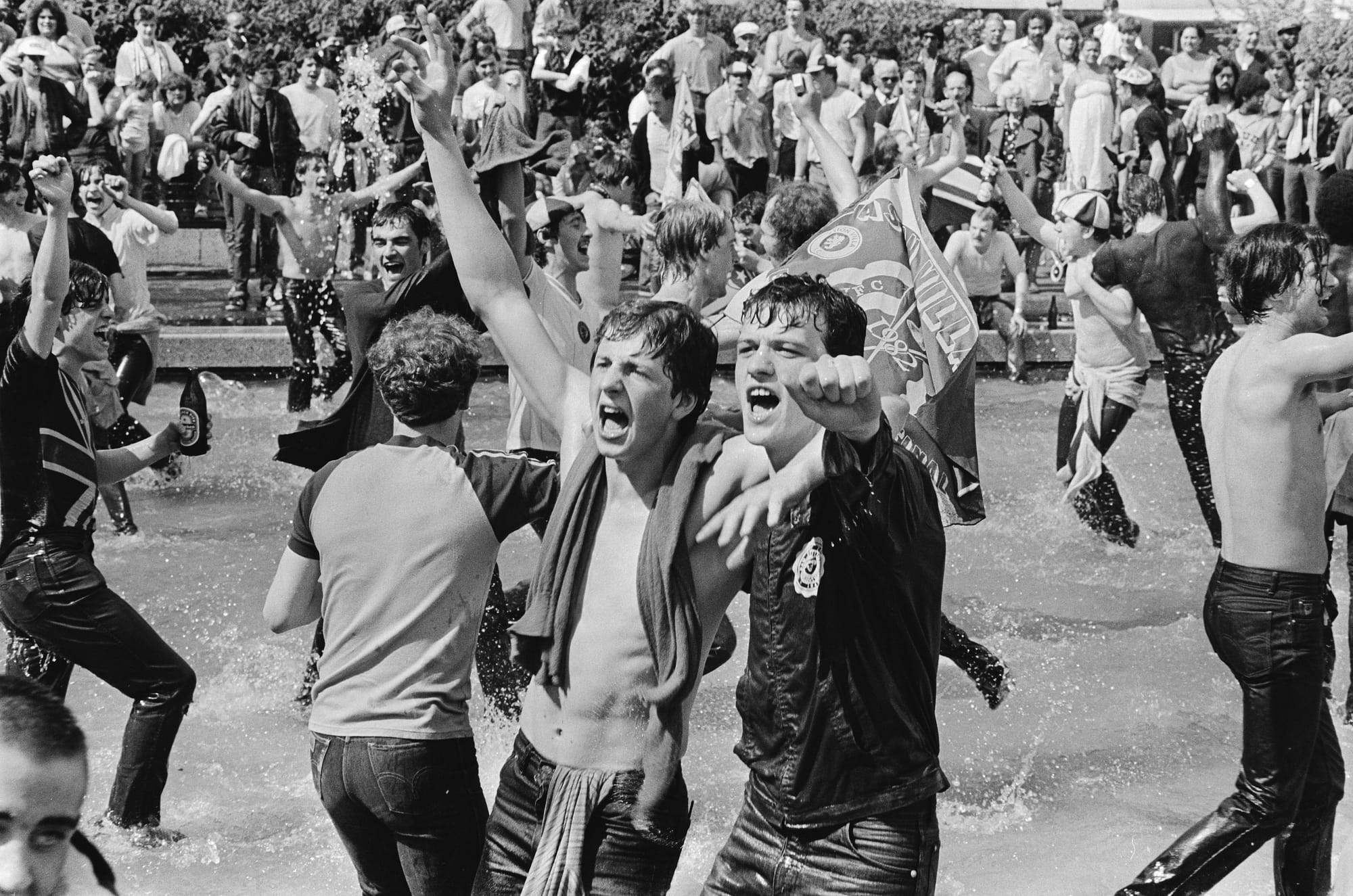
In the club’s early days, many supporters lived within walking distance of Villa Park or the former Wellington Road ground in nearby Perry Barr. The area now houses a predominantly Muslim community, and most residents don’t attend games – although many greet me with 'Up the Villa!' when I wear my club coat.
There’s a sense of pride that the Aston/Witton area is represented by a world-famous football club.
Unseen Histories
The last generation, with the rise of the Premier League, has seen regional clubs transform into large international brands and businesses. As such, are people starting to think more about the heritage of clubs like Villa – with the interest in retro kits, stadium tours, museums and so on?
Rob Bishop
Villa have always been proud of their history, and it’s good to see the past being reflected in the future.
While supporters love going into the dressing rooms or standing pitch-side during stadium tours, they also take a great deal of interest in the club’s history.
Retro kits have also become very popular in recent years, particularly the 1982 European Cup final shirt.
Shirt manufacturers are also increasingly aware of incorporating the past into their designs. I recently attended a meeting with Adidas, to offer some Villa historical background. I was initially under the impression we were discussing the 2027-28 shirt, but they are already working on 2028-29. It will be interesting to see what impact my input has!
Unseen Histories
Are there any wonderful moments or players in Villa’s history that have been forgotten that you wish were better known today?
Rob Bishop
There have been several quirky occurrences throughout the club’s history. In 1879, for instance, Villa entered the FA Cup for the first time, winning their opening tie against a Wolverhampton team called Stafford Road. But they then withdrew from the competition after being drawn against the powerful Oxford University side!
When Villa won the Cup for the first time in 1887, their semi-final opponents were Glasgow Rangers – at Crewe.
Villa have the unique distinction of being the only club to clinch a League and Cup double on the same day. After beating Everton in the 1897 Cup Final at the Crystal Palace, they received a telegram informing them that Derby County had lost to Bury – a result which ensured that Villa were League champions.
And a classic quiz question – whose only game for Villa was a cup final? The answer is Ralph Brown, who stood in for the injured Harry Burrows in the first leg of the inaugural League Cup final against Rotherham United in 1961 •
Aston Villa: The Complete Record by Rob Bishop and Frank Holt
Twocan, 16 September 2022
RRP: £49.99 | ISBN: 978-1915571274
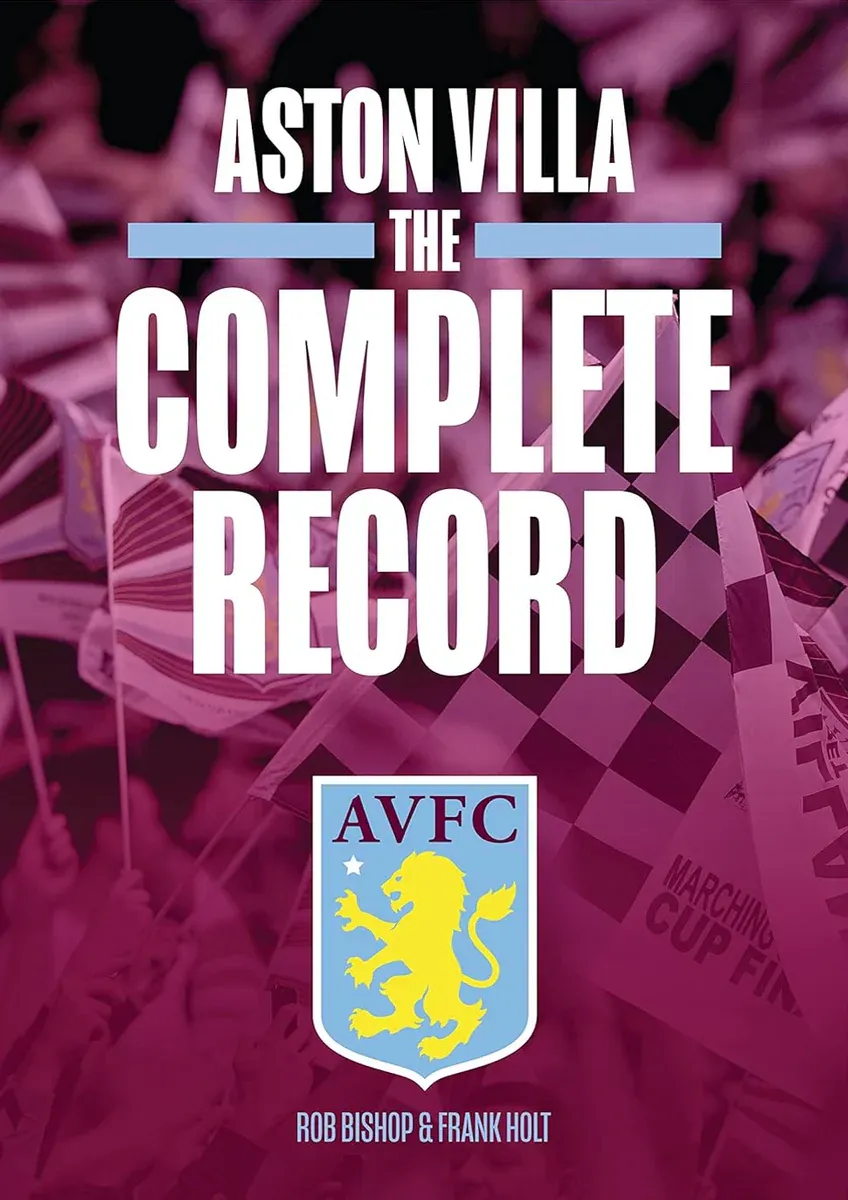
An impressive 600-page hardback publication, The Complete Record provides a comprehensive guide to the fortunes of the boys in claret and blue since Villa’s formation in 1874. The Complete Record includes:
An illustrated season-by-season guide, providing the highlights of every campaign, plus squad photos and images from memorable games.
Two pages on every one of the club’s seasons since becoming founder members of the Football League in 1888, featuring line-ups, scorers, attendances and final league tables.
An A-Z of Villa stars, with profiles and photos of nearly 200 players who have helped to shape Villa’s history, from Gabby Agbonlahor to Ashley Young.
Profiles and photos of every Villa manager, from Jimmy McMullan in 1934 to Steven Gerrard, who took over as head coach in November 2021.
A comprehensive list of every player to play a first-team league or cup game, together with career statistics.
The story of Villa Park.
Players’ appearances and scorers during the Second World War.The history of the Villa News & Record
📸 Dive into our Features
🎤 Read Interviews
🎧 Listen to Podcasts
🖼️ Buy fine art prints & more at our Store



