
Iran's Stolen Revolution with Bozorgmehr Sharafedin and Yeganeh Torbati
The story of post-revolutionary Iran has been one of missed opportunities and of a government betraying its people, explain the authors of a new history of the period


The Revolution of 1979 that swept away the Shah brought dreams of equality, justice and prosperity to the people of Iran.
What materialised over the decades that followed, however, was not the vibrant, progressive society that many had sought. It was narrow-minded, corrupt and paranoid.
Here Bozorgmehr Sharafedin and Yeganeh Torbati introduce us to the story they tell in Stolen Revolution.
Questions by Peter Moore

Unseen Histories
Charting such a complex history as that of post-Revolution Iran is a formidable task. In Stolen Revolution you do so through the elegant device of following six specific storylines. How did you choose these?
Bozorgmehr Sharafedin and Yeganeh Torbati
We chose our characters from different generations and walks of life to reflect the full arc of Iran’s history and the many layers of its social, cultural, political, and economic experience.
A number of the final characters were different from the ones we originally had in mind. Some of the people we interviewed were unable to continue speaking with us. One was imprisoned because of her political activism, while we believe another cut contact due to pressure from the security forces.
Also during the five years we worked on the book, Iran itself went through profound changes. For example, the country experienced the Women, Life, Freedom movement in 2022, one of the largest protests in its history. As these events unfolded, we decided to introduce new characters to help tell these new chapters of Iran’s history.
Unseen Histories
One of these is the extraordinary story of the cleric Mehdi Karroubi. Why was he such an appealing subject for you and what access to him did you have?
Bozorgmehr Sharafedin and Yeganeh Torbati
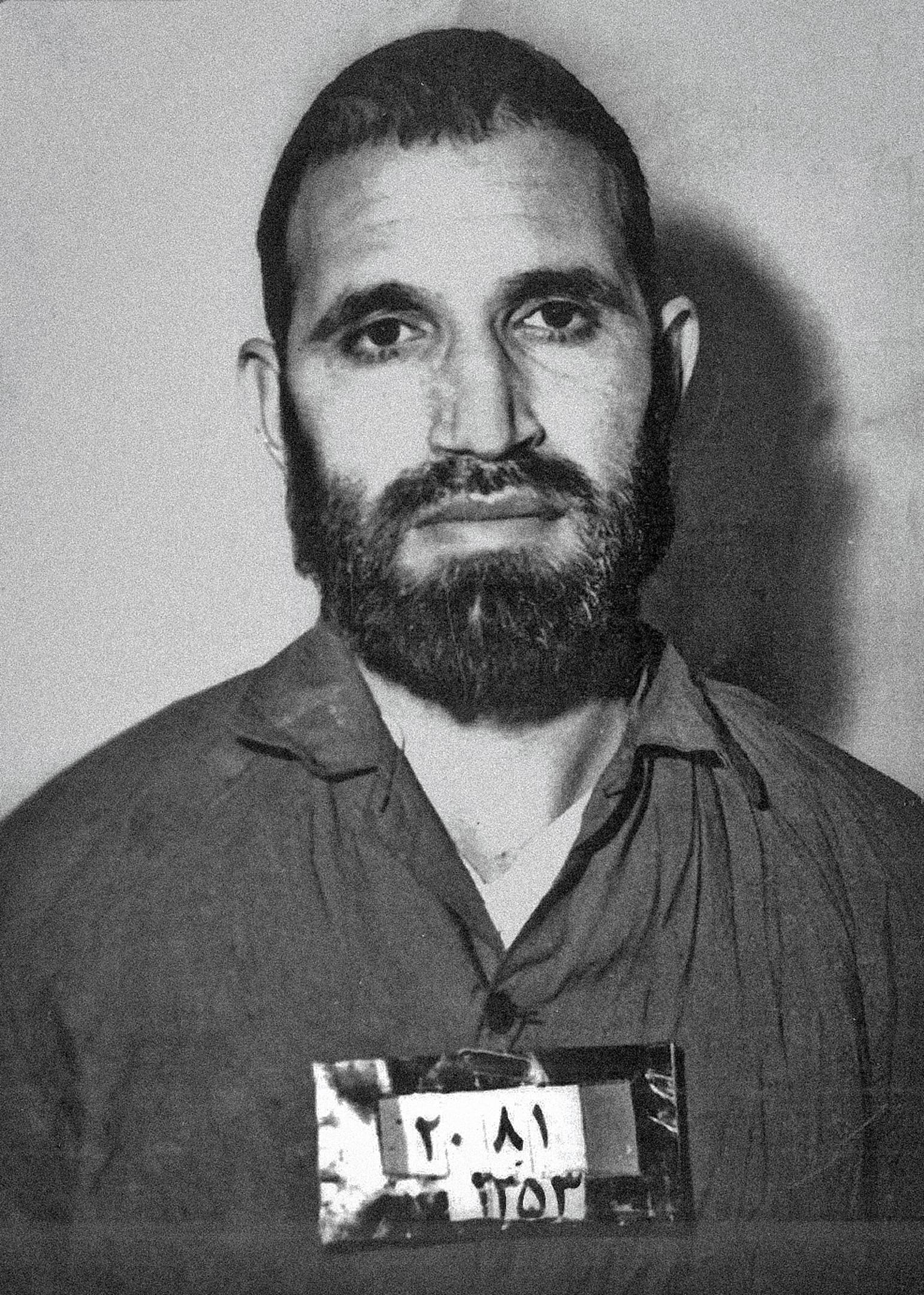
We found Mehdi Karroubi a fascinating character for the book as his complex personality was perfect for telling the complex history of the Islamic Republic.
Karroubi was one of the students of Ayatollah Ruhollah Khomeini, and the book starts with his secret journey from Iran to Iraq to visit his teacher in exile.
When he was in prison under the Shah, he met communists and was inspired by their economic ideals, and their goal of forming an egalitarian society. After the victory of the revolution, Karroubi was appointed by Khomeini to manage some of the most important revolutionary foundations.
He began his Robin Hood-style mission to take wealth from the rich and distribute it among the poor. In this era, he also looked away from or was complicit in the repression of his former revolutionary comrades, particularly the communists, and took some decisions that helped to create a style of rule that would then exclude and repress him and his allies in later years.
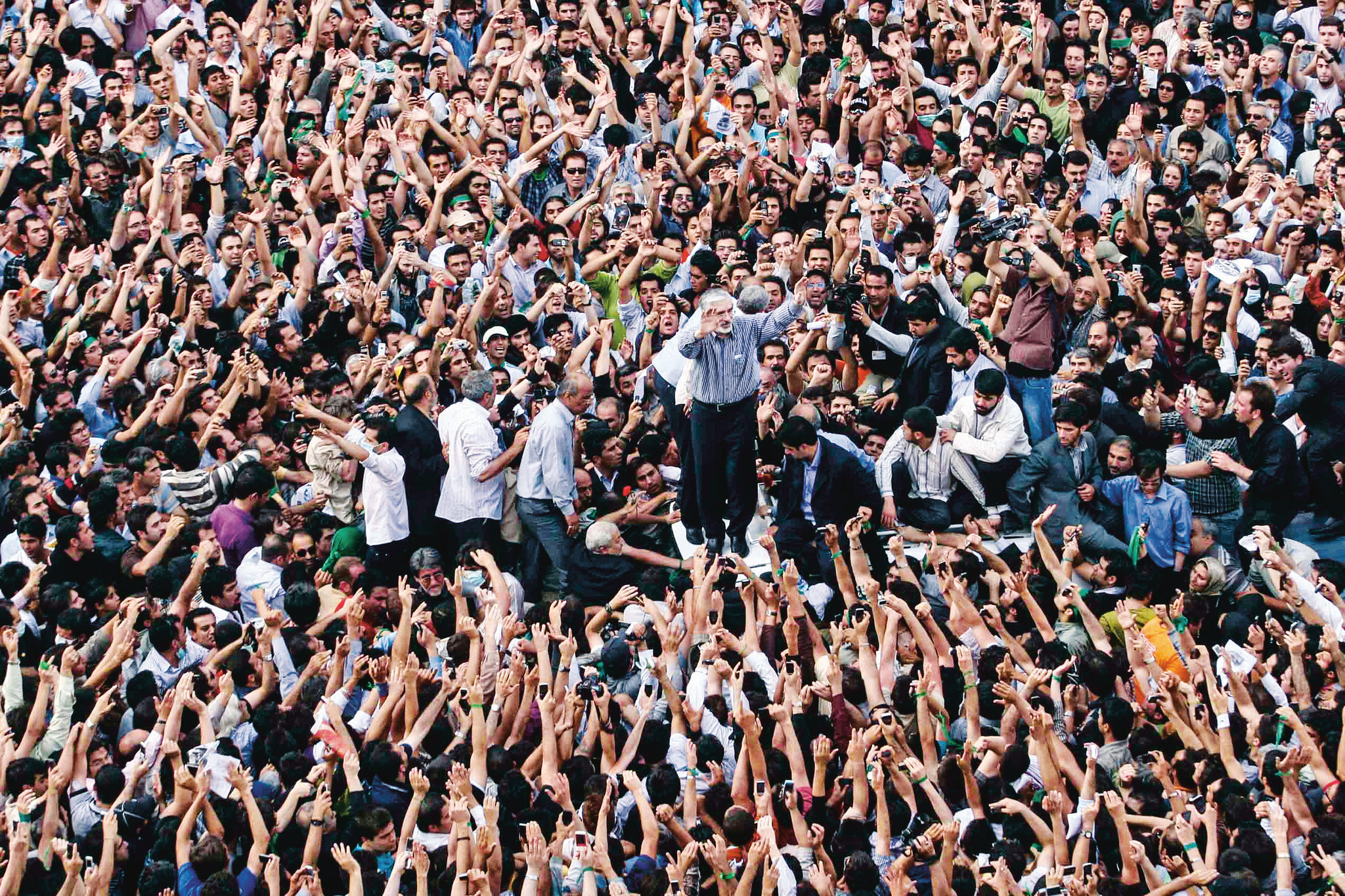
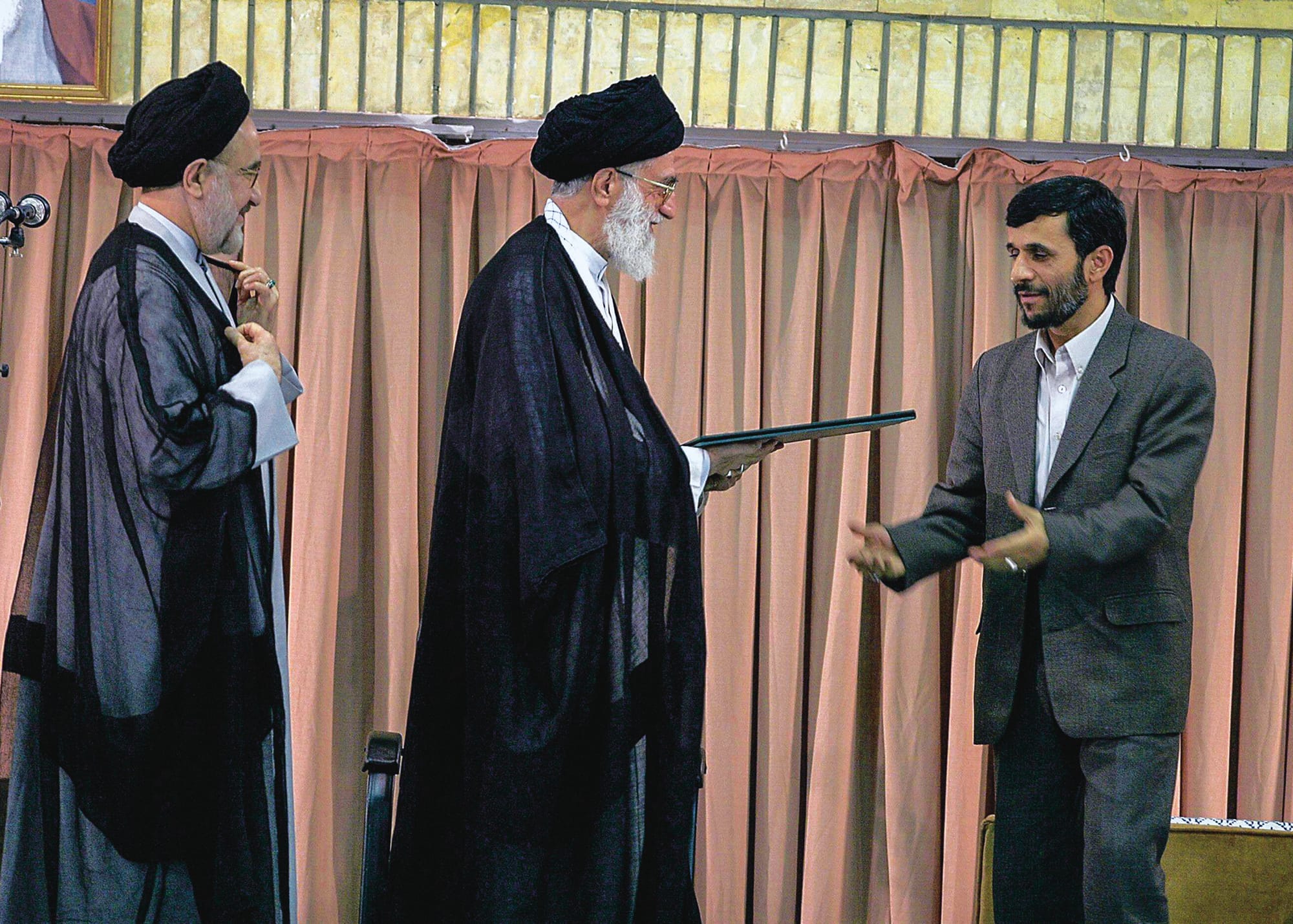
Karroubi's transformation as a character was in tandem with that of the Islamic Republic from a theocracy into a mafia state. As we see the Revolutionary Guards taking a larger role in the economy, we also see Karroubi becoming increasingly critical of the system. Karroubi turned into one of the main critics of the Islamic Republic under Khamenei's leadership and paid a very high price for it, and was put under house arrest for more than a decade.
Another thing that fascinated us about Karroubi was his honesty and perhaps his stubbornness. He voiced his opinions regardless of the price. However, that doesn't mean that he ever cut ties with the Islamic Republic. While he challenged some of the core values of the system, for example a single cleric ruling the country, he still fundamentally believes that the Islamic Republic is the best form of governance, and he is still hopeful to reform it from within.
Karroubi generously shared with us parts of his unpublished memoirs. We also went through thousands of pages of newspapers from before and after the revolution to better understand his ideas and actions.
We spoke to many people who knew him personally, including human rights activists, politicians, journalists, and members of his family, who shared their insights into his personality.
Unseen Histories
It is unsafe for both of you authors to visit Iran due to the writing that you have produced. But do you think that this distance has allowed you to gain critical perspective?
Bozorgmehr Sharafedin and Yeganeh Torbati
We cannot travel to Iran because some of the reports we published during our journalism careers showed corruption within the Islamic Republic.
Reporting on Iran from outside the country has its own challenges and limitations. But it also has some advantages. One of the main advantages is that people inside the country feel more comfortable sharing confidential documents and leaking secret information to journalists in exile. They know that after the publication of these reports, Iranian security forces cannot put reporters under pressure to reveal their sources.
We compensated for our absence from Iran by doing lengthy interviews with our sources and asking them to describe scenes and events in great detail. We have also relied heavily on visual material to help us reconstruct and describe those scenes.
Unseen Histories
At its most simplistic level, the story post 1979 is of a betrayal of the Iranian people. But one of your central interests is to pinpoint moments when different paths could have been taken. Can you tell us about one of these?
Bozorgmehr Sharafedin and Yeganeh Torbati
That's a very good point. This book is the story of a transformation: the transformation of the Islamic Republic from a revolution that promised to create an egalitarian society into its exact opposite, a mafia state. For us, it was important to show exactly how this process happened and what the turning points and deviations were that changed the system into what it is today.
Interestingly, what we found was that many such turning points began with good intentions. For example, Karroubi tried to import wheelchairs from Germany for veterans of the Iran-Iraq War, but the government blocked those imports to support domestic production. Karroubi, who was an MP at the time, helped pass a bill in parliament allowing the foundation under his management to import goods without government supervision.
Years later, that autonomy gave such foundations significant freedom to import and export without supervision, audits, or paying taxes. That was one of the examples that the book examines to show the gradual creation of this mafia state.

Unseen Histories
While Iranian society has been reshaped by the Islamic Revolution of 1979, in the years since the world has been upended by the online revolution. While this seems a mix of progressive and conservative forces, you note that by 2010 Iran had a lively internet culture. Is this correct and how much of this remains today?
Bozorgmehr Sharafedin and Yeganeh Torbati
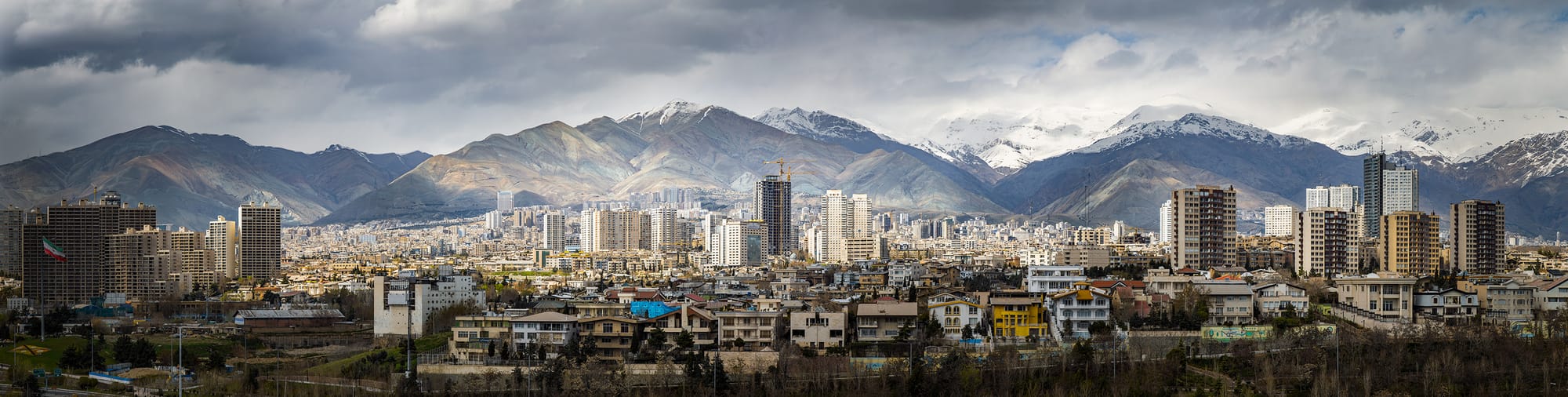
The internet culture in Iran is very active and vibrant. Since free speech is restricted in society, many come to the internet to express themselves and hear from one another. Of course, the same strict rules apply to the virtual space as well, and many people are persecuted for their posts on social media.
The internet culture has allowed many Iranians to gain access to information that otherwise they couldn't reach because of state censorship. This space allows them to familiarise themselves with global ideas, and ways of life in other countries, and express themselves.
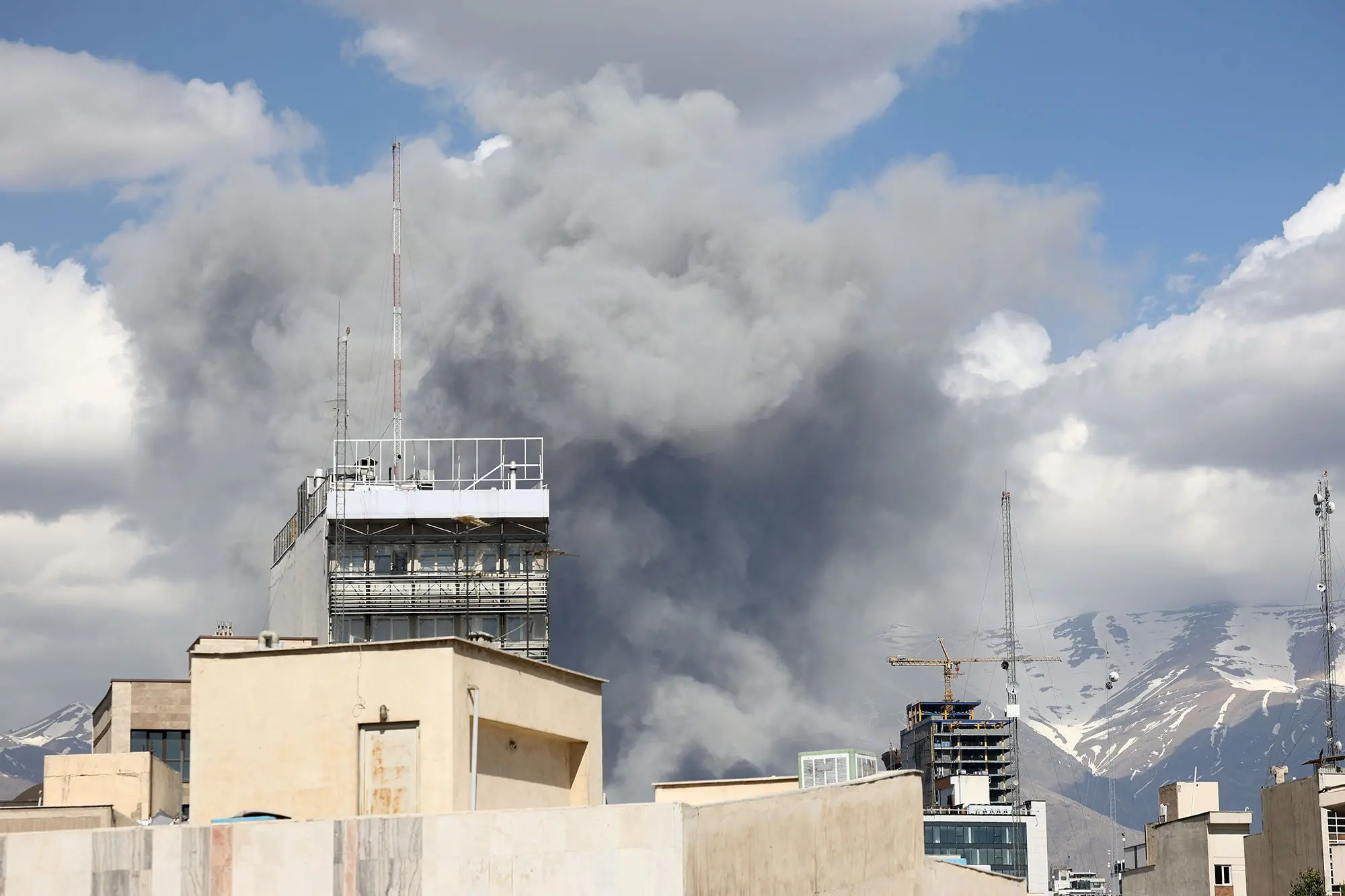
That's why the Islamic Republic shuts down the internet in critical moments. They cut access after the launch of U.S. and Israeli attacks on 28 February that lasted almost three months. Before that, they shut down the internet after the massacre of protesters in January 2026.
The shutdown has caused immense economic damage, so the government always has to reconnect to stop the significant losses.
Unseen Histories
The paranoia of those in power isn’t only the product of an ideological threat. You show that it is heightened by a knowledge of the corruption that is embedded in Iranian society. Were even you shocked by what you learned from the whistleblower Amir Moghadam?
Bozorgmehr Sharafedin and Yeganeh Torbati
Amir is a unique character as he narrates the story of corruption from within the establishment. He is somehow the fly on the wall who narrates the everyday lives of Iranians in great detail, their lives at home, in offices, and during government travels inside and outside the country. He also shows the hypocrisy of officials in the Islamic Republic and the lavish and luxurious lives they lead in private.
We interviewed Amir for hundreds of hours, and he revealed many shocking stories but we included only some examples to show the nature of corruption in the system. We mainly focused on the lives and corruption of the sons and sons-in-law of Iranian officials and the privileged connections they enjoy, which has become a problematic phenomenon in Iran.
Unseen Histories
Your narrative opens with a heroic act of defiance by Rozhin Yousefzadeh at the start of the 2022 Women, Life, Freedom Movement and contains the stories of many other women like Hila Sedighi. Is it with such women that the ‘hope’ your subtitle alludes to lies?
Bozorgmehr Sharafedin and Yeganeh Torbati
We chose many women as central characters of the book, and we believe that they have been intrinsic to the resistance movement in Iran. As we have seen with Hila, Rozhin and Kosar, they have worked and fought tirelessly to gain their rights. The truth is that most of the rights women gained after the revolution are rights that they fought for, not the ones that the Islamic Republic voluntarily decided to give them.
But the hope in our book as reflected in its subtitle, goes beyond women. We have included people from different layers of society – social, cultural, economic, and political – to show how Iranian society has fought for decades, maybe even a century, to build a democratic society.
Unfortunately, those efforts have been blocked over and over again. But that does not mean Iranian society has given up. If people had wanted to give up, they would have done so after the 1979 revolution, when one of their major efforts to reach democracy failed.
But as we show in the book, Iranians came back again and again: during the reform movement in the 1990s, in 2009 through the Green Movement, and later through repeated protests, to voice their anger and demand a better life.
We do not know what will happen in Iran, but judging by history, we are absolutely certain that this resilience will continue.
Unseen Histories
Your book was completed in the tense interval between the US air strikes of June 2025 and the military assault of ‘Operation Epic Fury’. Has anything about the regime’s response to this surprised you?
Bozorgmehr Sharafedin and Yeganeh Torbati
Our book ends with the war in June 2025. We believe that was a turning point in the history of Iran. The Islamic Republic came to power in 1979 promising independence from foreign powers, but nearly half a century later, we saw some people celebrating the foreign attacks on their land, as they felt incapable of confronting the government through peaceful means.
The June war also showed the rigidity of the Islamic Republic, its lack of flexibility, its disregard for public opinion, and the growing militarisation of Iran.
We saw all of these trends again in February 2026 during Operation Epic Fury. The government shut down the internet to silence people, and the Revolutionary Guards took over much of the decision-making.
Unseen Histories
Stolen Revolution investigates the historical context for one of the great geopolitical stories of this year. If there was one lesson you would like readers in the West to draw from it, to better know and help the Iranian people, what would it be?
Bozorgmehr Sharafedin and Yeganeh Torbati
We found out that the roots of many problems in Iran lay in moments when officials made decisions with the best intentions. But because they decided to bypass the law to expedite their actions, they became complicit in the formation of the mafia state.
If Iran goes through another fundamental political change or another revolution in the future, people can read this history book, learn from these mistakes, and not repeat them •
Yeganeh Torbati is an award-winning reporter at the New York Times with fifteen years of experience covering Iran, US national security, business and immigration. She has worked at the Washington Post, ProPublica, Reuters and the Baltimore Sun.
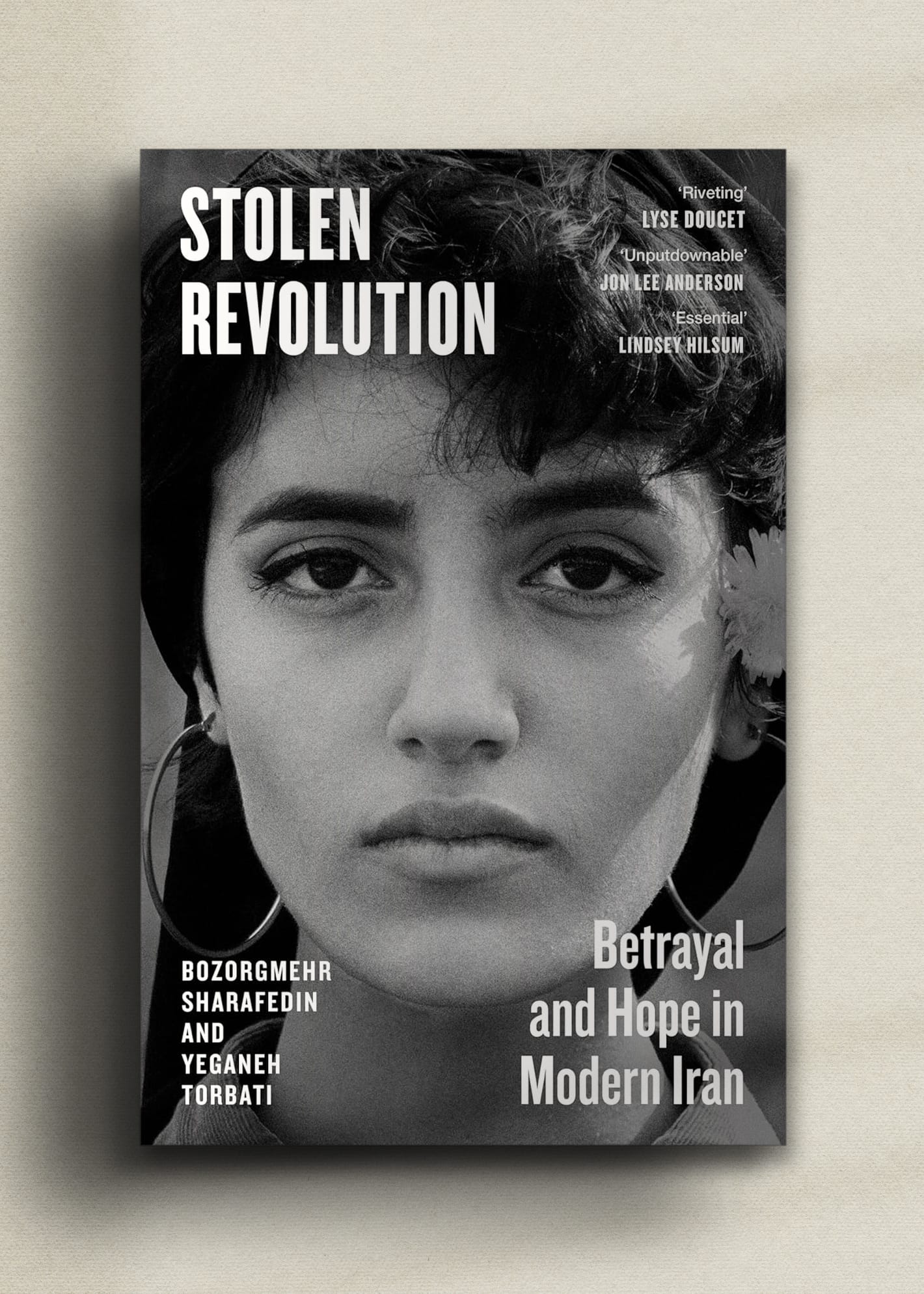
Stolen Revolution: Betrayal and Hope in Modern Iran
Viking, 4 June 2026
RRP: £22 | ISBN: 978-0241744017
The New Story of Iran.
The moving, riveting and immersive story of six Iranians who, together, lived the entire arc of modern Iranian history: from the promise of the 1979 revolution to its betrayal by the Islamic mafia state and a people’s undying spirit of resistance.
Fuelled by Iranians’ dreams of social justice and political freedom, the 1979 revolution swept aside the shah’s ailing, repressive monarchy. But in its place the revolution’s leader Ayatollah Khomeini and his acolytes built a system that served his narrow Islamic fundamentalist faction and worsened every failing and brutality that had existed under the shah. In this landmark new book, award-winning journalists Bozorgmehr Sharafedin and Yeganeh Torbati tell the entwined stories of six Iranians, providing a powerful new lens on Iran’s recent history in all its bitter twists and stubborn hope.
With thanks to Connor Hutchinson.
📸 Dive into our Features
🎤 Read Interviews
🎧 Listen to Podcasts
🖼️ Buy fine art prints & more at our Store



