
New History Books for June 2026
Our pick of new history books for June. From Alexander the Great to the Great Exhibition, the South Seas to Iran


We cast our eyes over a selection of new history books that will be released over the month ahead.

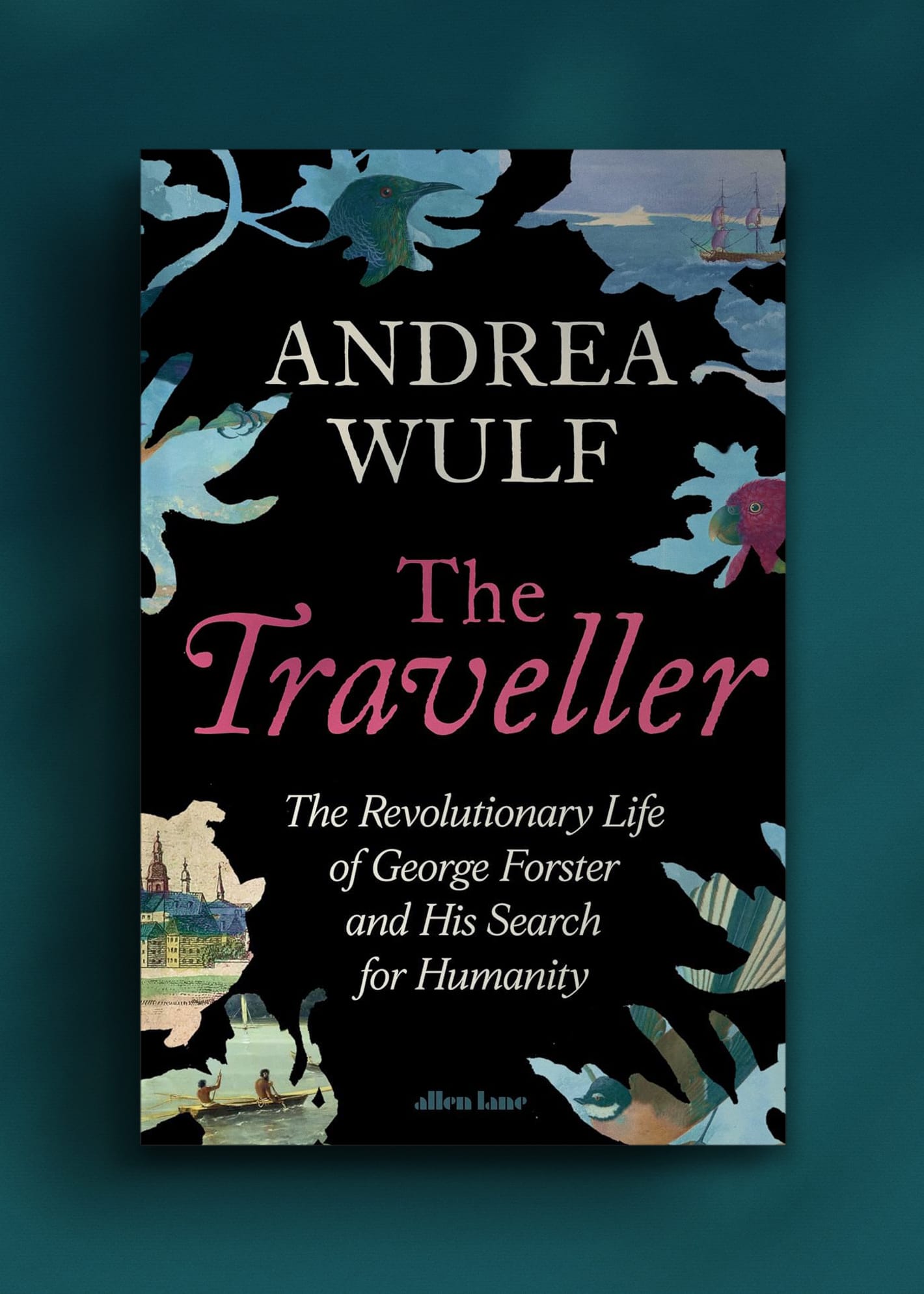
The Traveller: The Revolutionary Life of George Forster and His Search For Humanity by Andrea Wulf
Allen Lane, 2 June 2026
A new book from Andrea Wulf is something to stir excitement in readers this month. Known for her brisk, eloquent biographies of Enlightenment figures like Alexander von Humboldt, The Traveller sees a continuation of this trend as she trains her focus on the intriguing and much-overlooked George Forster.
Forster's life was short and spectacular. His break came by chance in the early 1770s when his father was engaged to sail with Captain Cook on the second of his South Seas voyages. A keenly intelligent boy with a sympathetic eye, much of Wulf's story is grounded in Forster's experiences in the Pacific about the Resolution. Many of the encounters that the voyager had then, Wulf argues, still hold deep meaning for us today.
But there was much more to Forster's story than that one voyage. Arriving back in Europe he became a respected writer, translator and teacher – a proponent of truly liberal ideas about humans and the societies in which they lived. A transporting read.
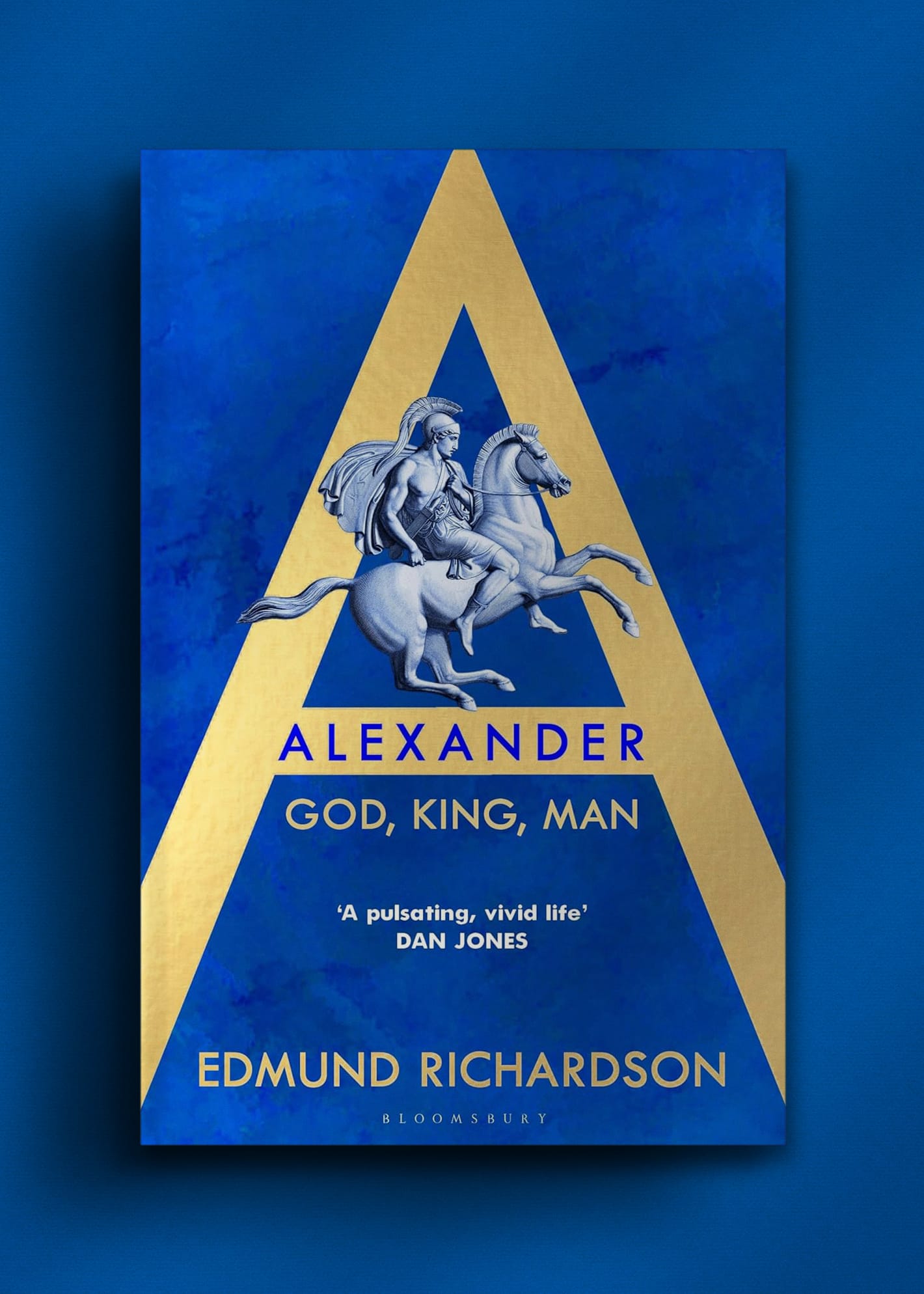
Alexander: God, King, Man by Edmund Richardson
Bloomsbury, 4 June
The story of Alexander the Great has delighted generation after generation. The Romans admired his spirit, the Medieval crusaders his moral cause, the empire-builders his unquenchable thirst for territorial gain. But what is it about Alexander that still enchants us today?
This question hangs over Edmund Richardson's magnificent new biography of this extraordinary man. His narrative, of course, is grounded in the famous old tale of the young man from the hills of Macedon struck out and made conquest after conquest until he had reached as far east as India.
But this core is embroidered with a wealth of new research. The last ten years, Richardson points out, have provided us with revelatory new information about Alexander and the age in which he lived. So, along with reconstructions of the great battles like Issus, readers will find whimsical stories about baboons in CT scanners. All this is written in Richardson's dreamy, questing, ornate prose. Surely one of the history books of the year.
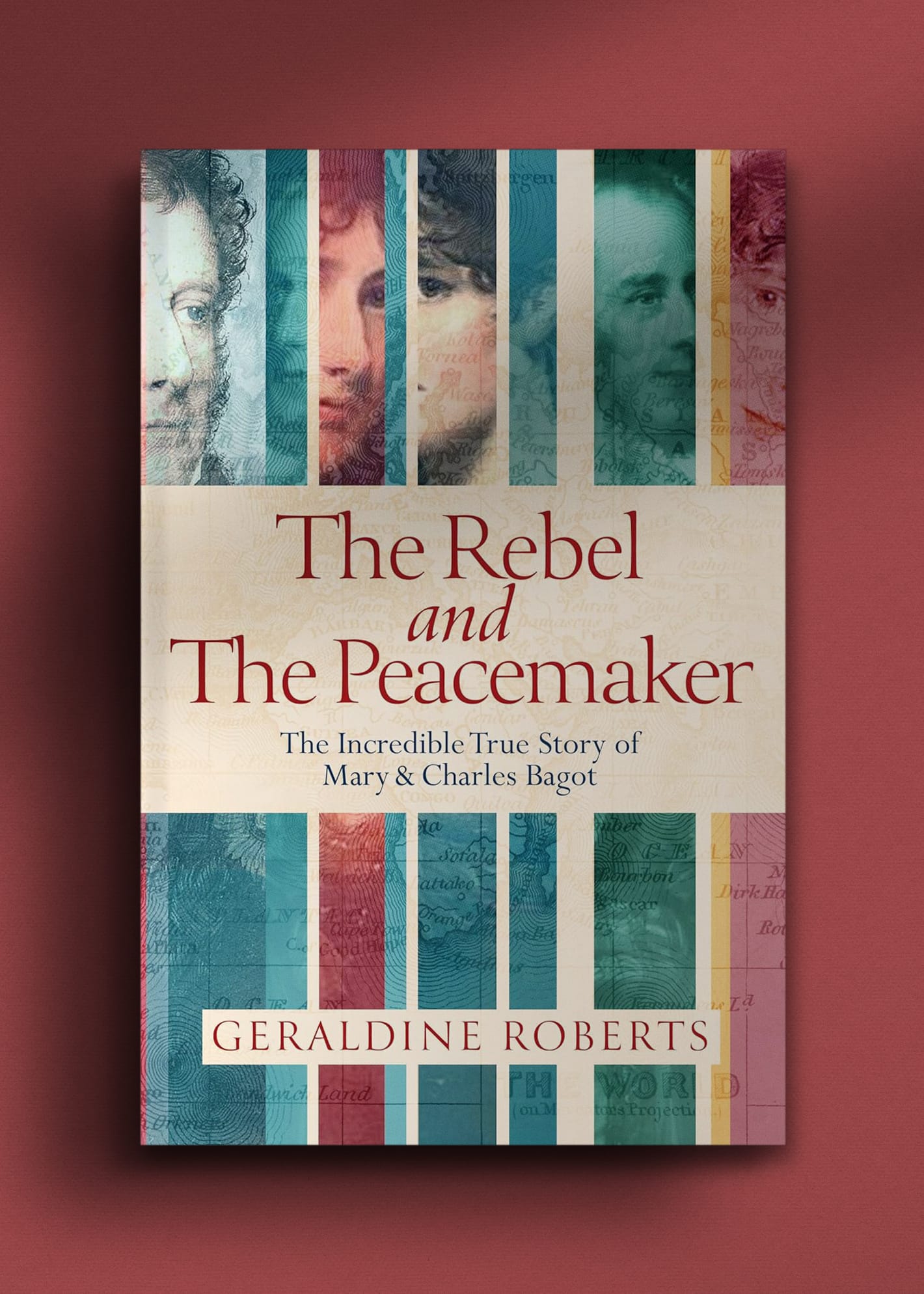
The Rebel and The Peacemaker: The Incredible True Story of Mary and Charles Bagot by Geraldine Roberts
August Books, 4 June 2026
The worst moment in Anglo American relations came in August 1814 when the British burned the White House to the ground. It was in the wake of this incredible historical moment, once the War of 1812 had come to a formal end, that Charles Bagot arrived in the USA as the British ambassador.
Bagot's story, along with that of his wife, Mary, is recounted in Geraldine Roberts' crisply written dual biography. Charles and Mary's life was extraordinary, Roberts points out, because they passed through such rich worlds: the extravagant 1790s, the drawing rooms made famous by Jane Austen, the elegant House of Commons, the USA and, later, Russia.
The idea of visiting such places along with the Bagots is a prospect that will appeal to many a reader. Roberts is able to draw the colour out all the more because she has spent years working on the family's private archive in Cumbria. This is a book for lovers of the gossipy, energetic Regency World.
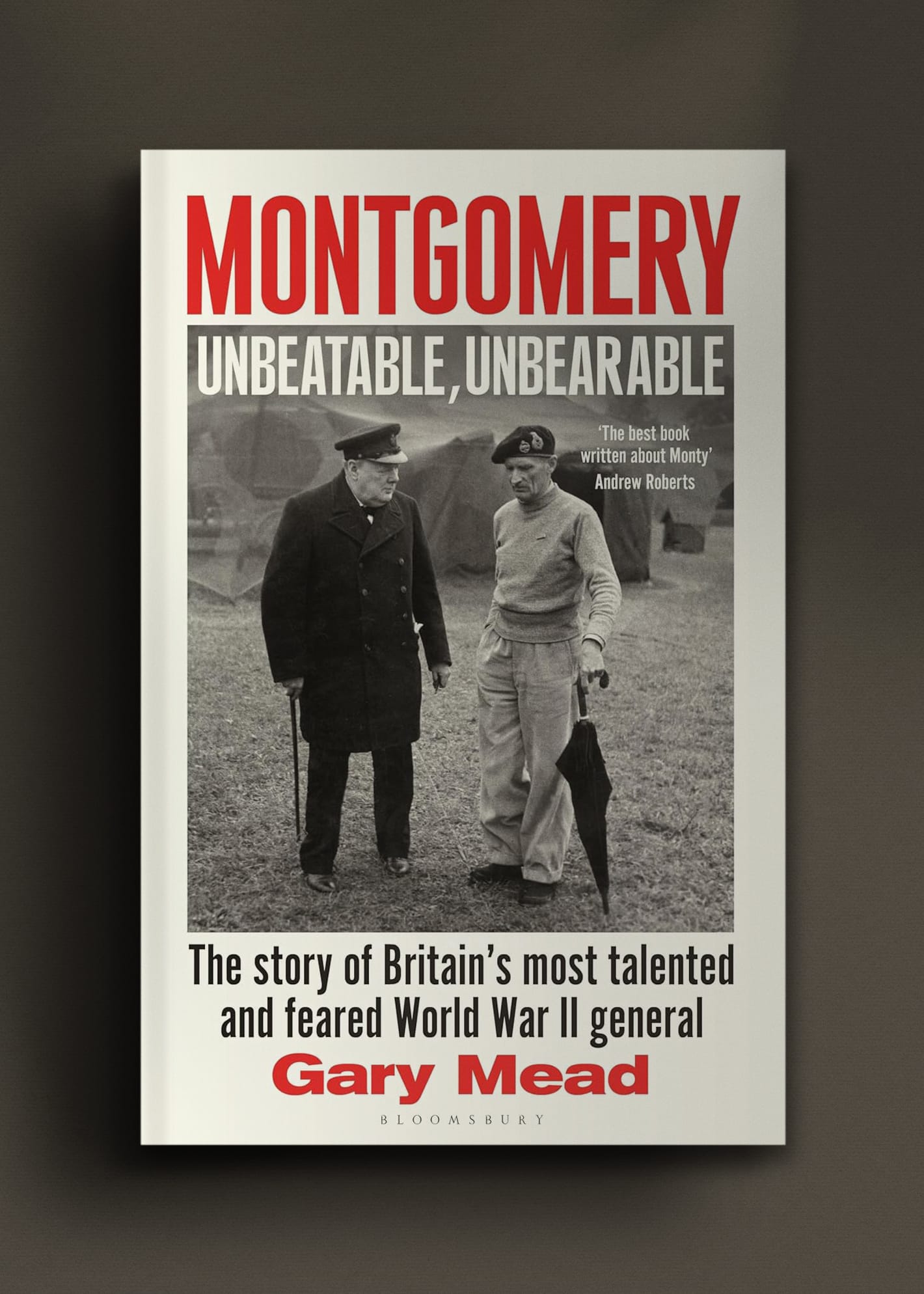
Montgomery – Unbeatable Unbearable: The Story of Britain's Most Talented and Feared World War II General by Gary Mead
Bloomsbury, 4 June 2026
The single word, 'Monty', is enough to conjure pictures for those who know their World War Two history. There's the dust of North Africa; the lines of marching troops; the jeeps and the tanks; the ferocious tussle with Field Marshal Rommel and the stiff old English face at the centre of it.
Bernard Law Montgomery is a figure who demands attention. His life was such a long one that he both saw the high Victorian Age and the split of the Beatles. It was a testing life, too, as Gary Mead shows in this penetrating new study. His early years were challenging, leaving scars that he carried into adulthood. Montgomery was charismatic, as Mead shows, and beloved by his men. But he was also known for his obstinacy and intransigence.
Mead's own objective is to tease out the peculiarities of a man whose contribution to Britain's war effort in the dark days of 1941–2 perhaps ranked only second to Churchill's. This is a book full of balanced research. It flits from triumphs like El-Alamein to dismal failures like Arnhem.

Stolen Revolution: Betrayal and Hope in Modern Iran by Bozorgmehr Sharafedin and Yeganeh Torbati
Viking, 4 June 2026
'The 1979 Revolution that swept aside monarchy was the product of a movement that harboured dreams of social justice, equality, independence, and political freedom'. So write Bozorgmehr Sharafedin and Yeganeh Torbati at the opening of their haunting chronicle of their country's descent into totalitarianism. With Iran being the political story of 2026, for those interested in geo-politics this really is essential reading.
The authors' approach is attractive. Their narrative is structured around the stories of six individuals – including a devotee of Ayatollah Khomeini to young activists and bureaucrats – all of whom have acute experiences of the 1979 Revolution and its aftermath. All these strands, once woven together, present the nightmarish history of the rise of a 'mafia state' at the expense of the individual.
But the writers' story is more complex than that. There were moments, particularly in the 1990s, when, tragically, different paths could have been taken. That they were not has led us towards the dangerously unstable situation that exists today – when a ferocious, paranoid regime finds itself pitted not only against a restless people, but against an angry superpower as well.
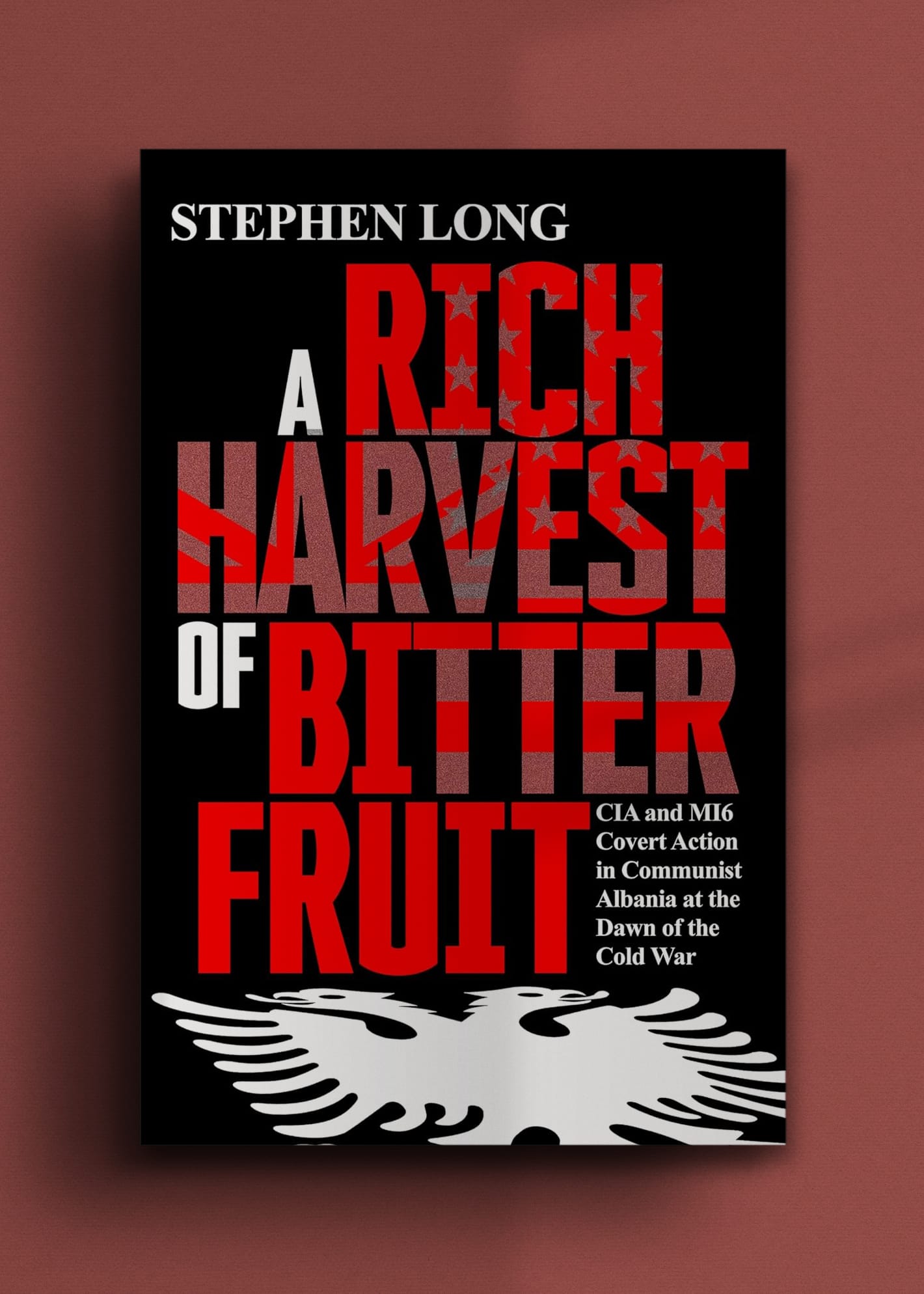
A Rich Harvest of Bitter Fruit: CIA and MI6 Covert Action in Communist Albania at the Dawn of the Cold War by Stephen Long
Icon Books, 4 June 2026
In the summer of 1949, three years after Churchill's chilling 'Iron Curtain' speech when the Cold War was just beginning, a secret operation was planned in Albania. This was to be a joint UK/US mission with its objective being the overthrow of the hardline Communist government of Enver Hoxha.
The power of Stephen Long's narrative comes very much for its historical moment. 1949 was an unsettled year of suspicion and activity when the Soviet Union was poised to conduct its first nuclear test. Adding to this is the book's setting. Albania has long stood in the borderlands of different peoples and religions. Here Long depicts it as an ideological frontier, a battleground between the Communists of the East and Capitalists of the West.
Such is the gripping background to this intriguing 'tale of subterfuge, secrecy and skulduggery'. And dramatic it certainly is. Readers should expect covert missions, illicit border crossings, the machinations of secret police forces and brinkmanship aplenty. A non fiction thriller.
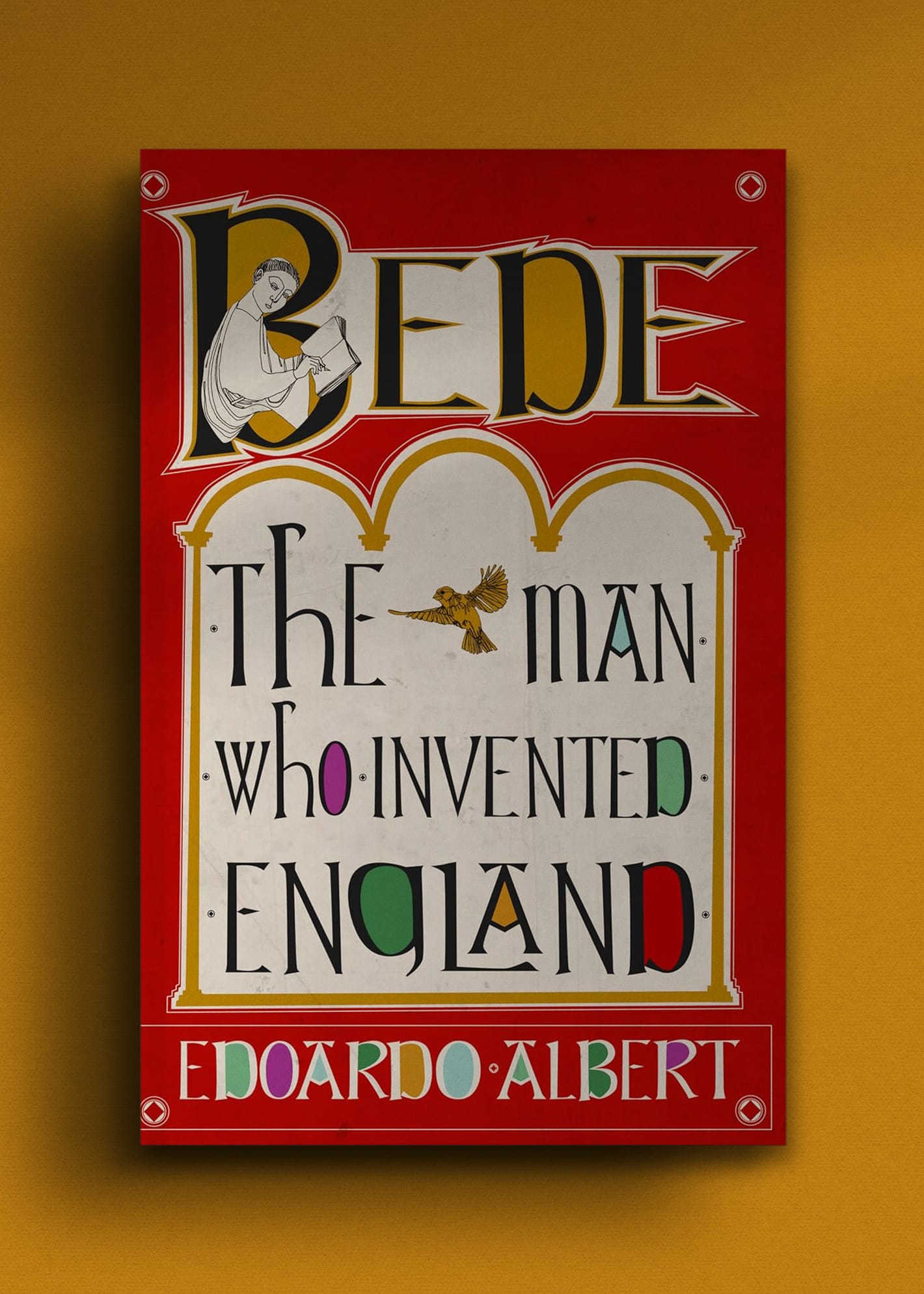
Bede: The Man Who Invented England by Edoardo Albert
Birlinn Ltd, 4 June 2026
'Venerable', wrote Samuel Johnson a millennium after Bede died, 'to be regarded with awe; to be treated with reverence'. One wonders whether Johnson had Bede in mind when he jotted this definition down. Because, after all, there are few figures in English history as admired as the monk from Jarrow whose remains lie in a noble tomb inside Durham Cathedral.
This might be the easy impression. For a deeper dive into Bede's life and legacy, readers should turn to Edoardo Albert's incisive new study. Bede was, as Albert explains, quite a phenomenon. Despite living a static life that never took him further south than York, his mind wandered incessantly. Alongside his devotional duties he wrote books, interrogated nature and determinedly gathered together historical materials for his great Ecclesiastical History.
Perhaps Bede's greatest achievement of all is the one Albert alludes to in his subtitle. He depicted the land in which he lived in entirely new terms. He wrote of 'England' and 'Englishness', revolutionary concepts at the time, that inspired those like King Alfred in later years. An enchanting book.
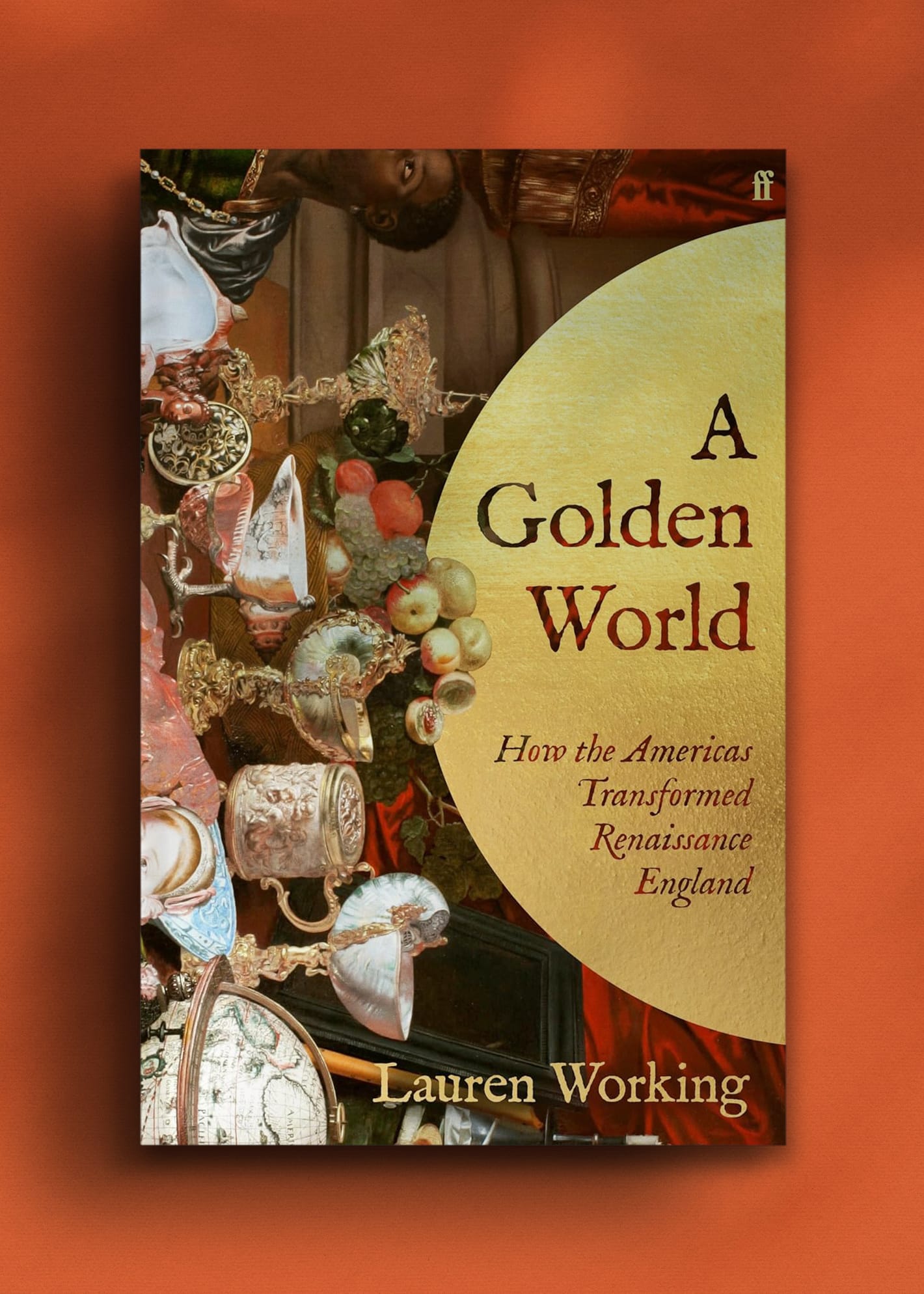
A Golden World: How the Americas Transformed Renaissance England by Lauren Working
Faber, 4 June 2026
Now that our sense of the globe's geography is settled and secure, it is hard to conceive what a jolting reconfiguration the voyages of the 1490s made in peoples' minds. And in this beautifully researched and tenderly written survey, Lauren Working looks closely at how England was 'transformed' by the plants, materials, ideas and legends that came back from America – a beguiling, wondrous place.
This is a clever idea. Usually historians focus on how the arrival of Europeans impacted those in the Americas but in Working's book this dynamic is reversed. She shows how the Elizabethans, for instance, were intrigued by Inuit clothing and how court painters like Nicholas Hilliard and Anthony van Dyck were drawn to American flowers and animals in their art.
Both of these, and a huge cast of others throughout the Early Modern period, were enchanted by what Working calls 'a Golden World' of delights and novelties. This is a debut full of scholarship and insight.
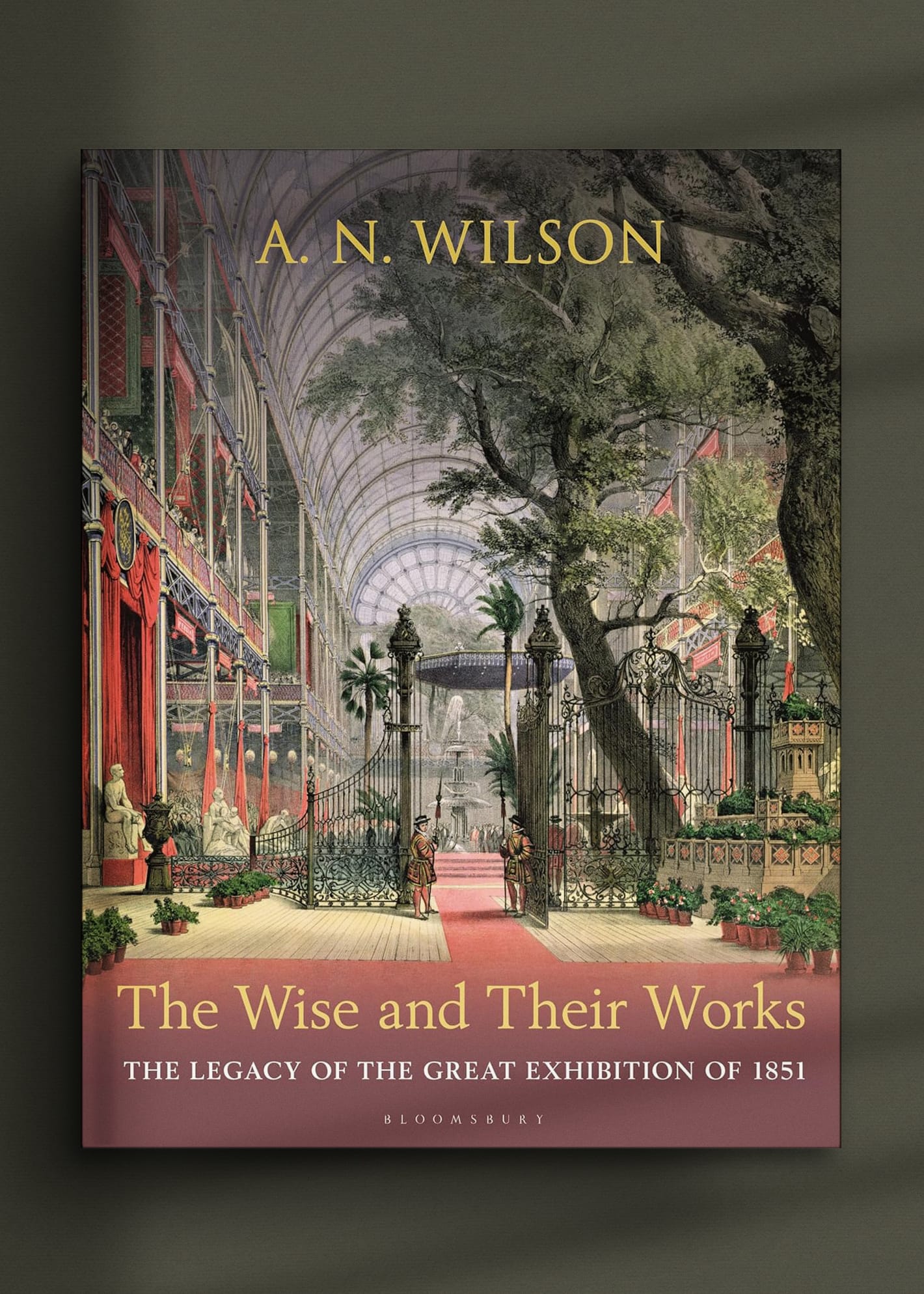
The Wise and Their Works: The Legacy of the Great Exhibition of 1851 by A.N. Wilson
Bloomsbury Continuum, 26 June 2026
For a blend of sheer splendour, enthusiasm and creativity, the Great Exhibition of 1851 is a difficult historical moment to beat. Famously held in a glittering Crystal Palace in Hyde Park and championed by Prince Albert who was then in his pomp, it has ever since been looked back upon as a thrilling high point; a testament to the best qualities of the Victorian World.
It is with this impression that one picks up A.N. Wilson's beautifully assembled book on the exhibition. In this he looks carefully at the forces and personalities that brought the idea of such a gala moment to life. Prince Albert is chief among these, of course, as is the civil servant and inventor Henry Cole and the ex-prime minister, Sir Robert Peel.
But Wilson has an equal interest in the exhibition's legacies. One of these, the Royal Commission for the Exhibition of 1851, is still doing work today, awarding scholars with fellowships and allowing us to feel – far away as we are – a faint flicker of that old Victorian Dream.
📸 Dive into our Features
🎤 Read Interviews
🎧 Listen to Podcasts
🖼️ Buy fine art prints & more at our Store


