
How the Building of Llyn Celyn Reservoir Stirred a Wave of Welsh Nationalism in the 1960s
The novelist Clare Clark explains why the construction of Llyn Celyn Reservoir became such a divisive political story


As the city of Liverpool grew in the mid-twentieth century, its council realised that it needed to locate a new source of water. To solve this problem they decided to follow the example of their Victorian forebears by flooding a Welsh valley to create a reservoir.
But the political culture of the 1950s was very different to that of the 1870s. In Wales the initial local resentment developed into something far more potent.
Clare Clark's new book, Adder Stone, is set in Wales as plans to flood Tryweryn were developed. Here she explains the singular historical context to her novel.

It must have been 1976 when I first heard about the Welsh valley that had been drowned to provide water for the city of Liverpool. That summer the fierce drought burned away the lake, exposing the remains of the village beneath. The place was not far from my grandmother’s house where we spent much of our school holidays. Newspaper photographs showed people posing beside the foundations of long-demolished houses, walking over bridges thought to be lost forever.
In 2022, another devastatingly dry summer, it happened again. The waters of the reservoir receded, the ruins of the drowned village emerged. It was only then, looking at photos on Google, that I realised what I had failed to grasp as a child.
In its voracious thirst for water Liverpool had drowned not one but two Welsh valleys. Llyn Vyrnwy was officially opened in 1892, Llyn Celyn in 1965. I could not be sure which was the one from the newspaper nearly fifty years before. They looked so alike.
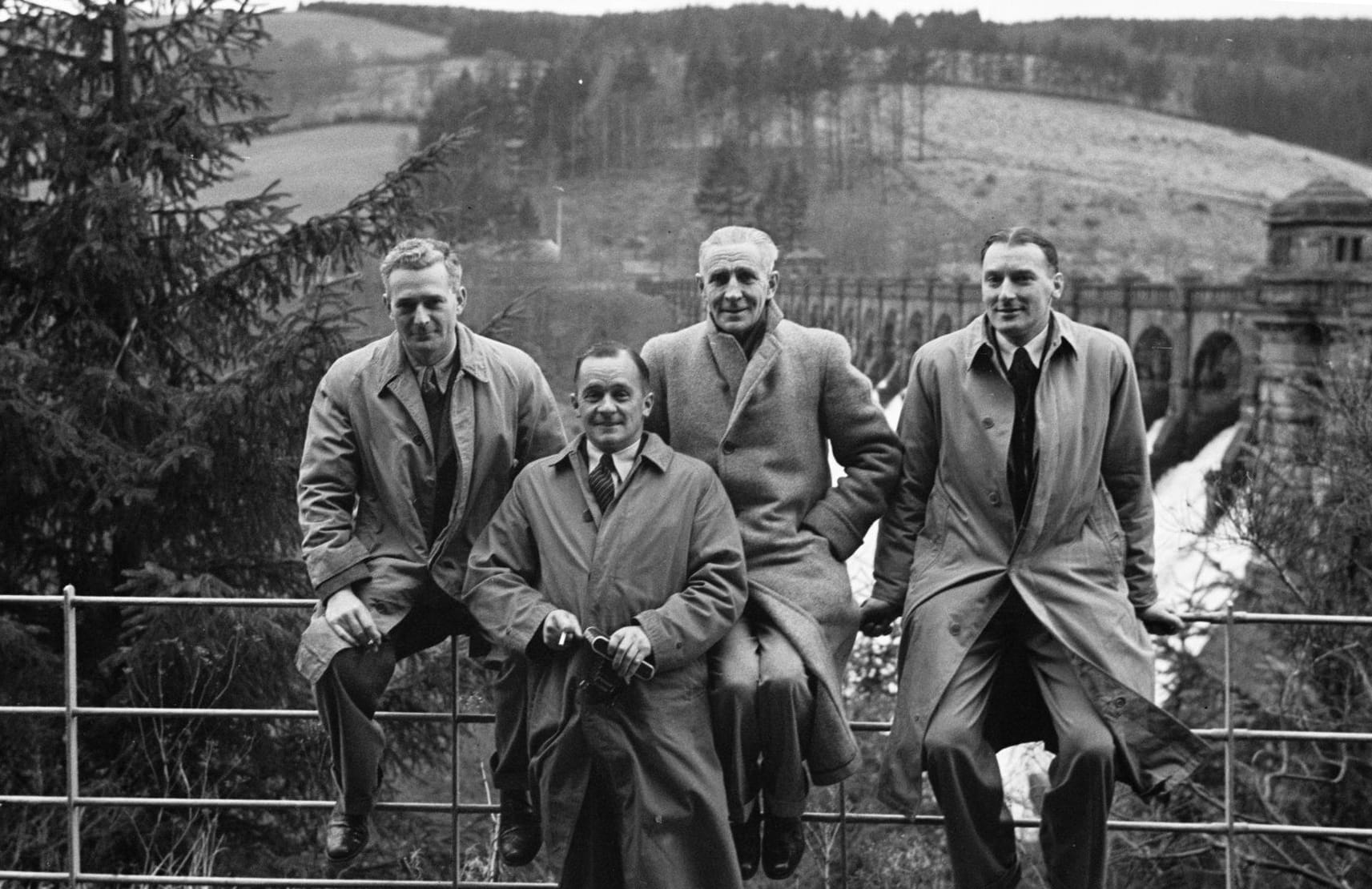

These two stories were startlingly alike too. Like Tryweryn eighty years later, the valley Liverpool chose in the 1870s encompassed several farmsteads and a thriving village, Llanwddyn, with a church, two chapels, a school, three inns, and nearly 40 houses. Its 433 residents were never consulted.
The Liverpool Waterworks Act was passed by Parliament in 1880; construction began the following year. The monumental granite dam, topped with 31 gothic arches, was considered a triumph of Victorian engineering. In 1889, when water flowed over its lip for the first time, Llyn Vyrnwy became the largest man-made reservoir in Europe.
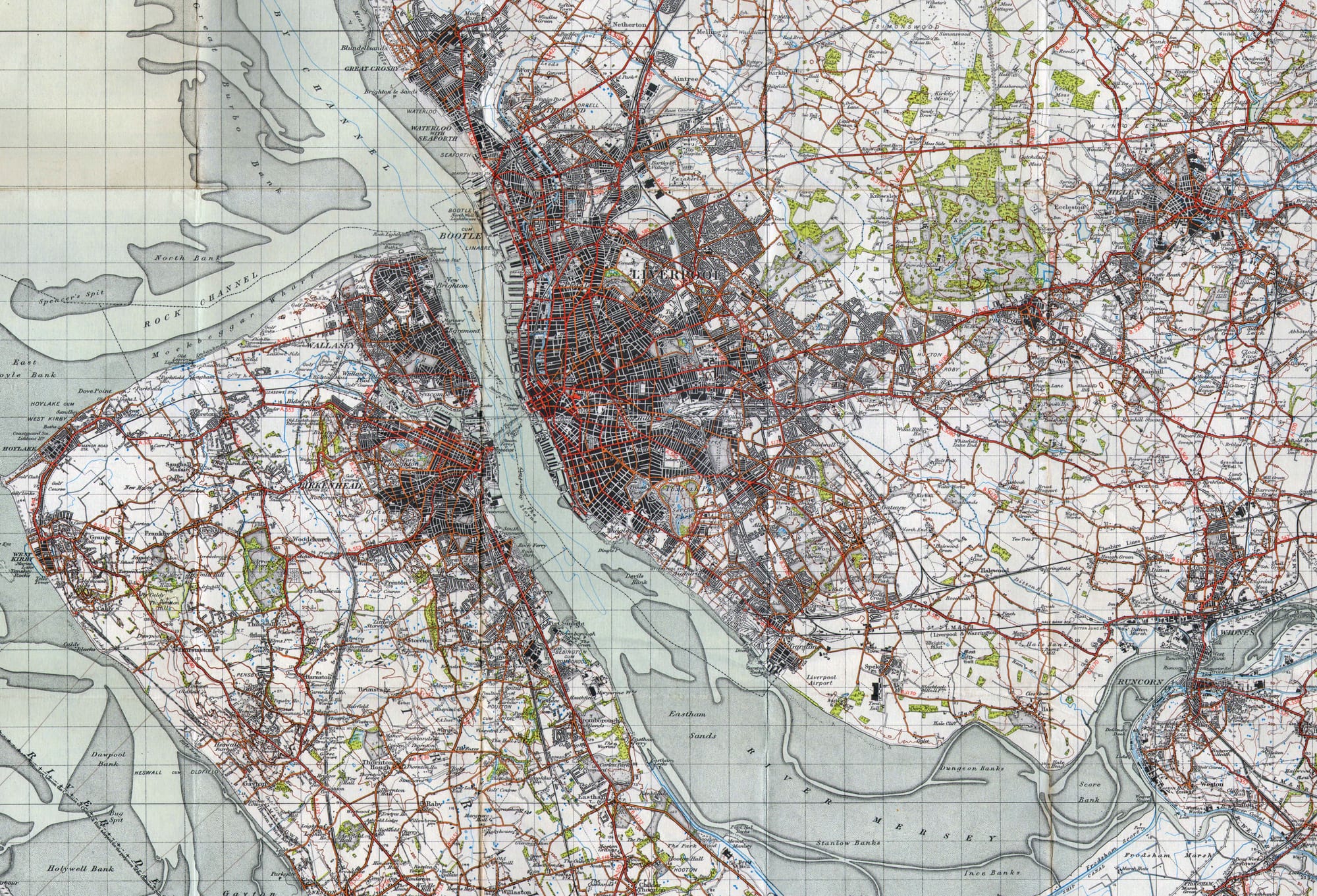
By the 1950s Liverpool was drawing more than 50 million gallons of water from Vyrnwy every day but the city needed more. With its industries growing and new housing increasing the demand for water, the local officials started to look for another valley to flood. They settled on Tryweryn, near Bala in Gwynedd. The valley’s village, Capel Celyn, was smaller than Llanwddyn but it had a school, a post office and a chapel. Including the farms it was home to nearly 70 people, many of whom had lived there for generations.
Once again there was no consultation. According to the memoirs of Gwynfor Evans, then President of Plaid Cymru (the National Party of Wales), the people of Capel Celyn learned of Liverpool’s plans like everyone else, from the newspapers. As Lord Macdonald, a prominent Welsh Labour peer, told the House of Lords in 1957, 'we heard nothing … until the complete scheme was there. That is not a fair way to treat Wales. I do not suggest that Liverpool is a “big bully,” but that is the treatment a bully metes out.'
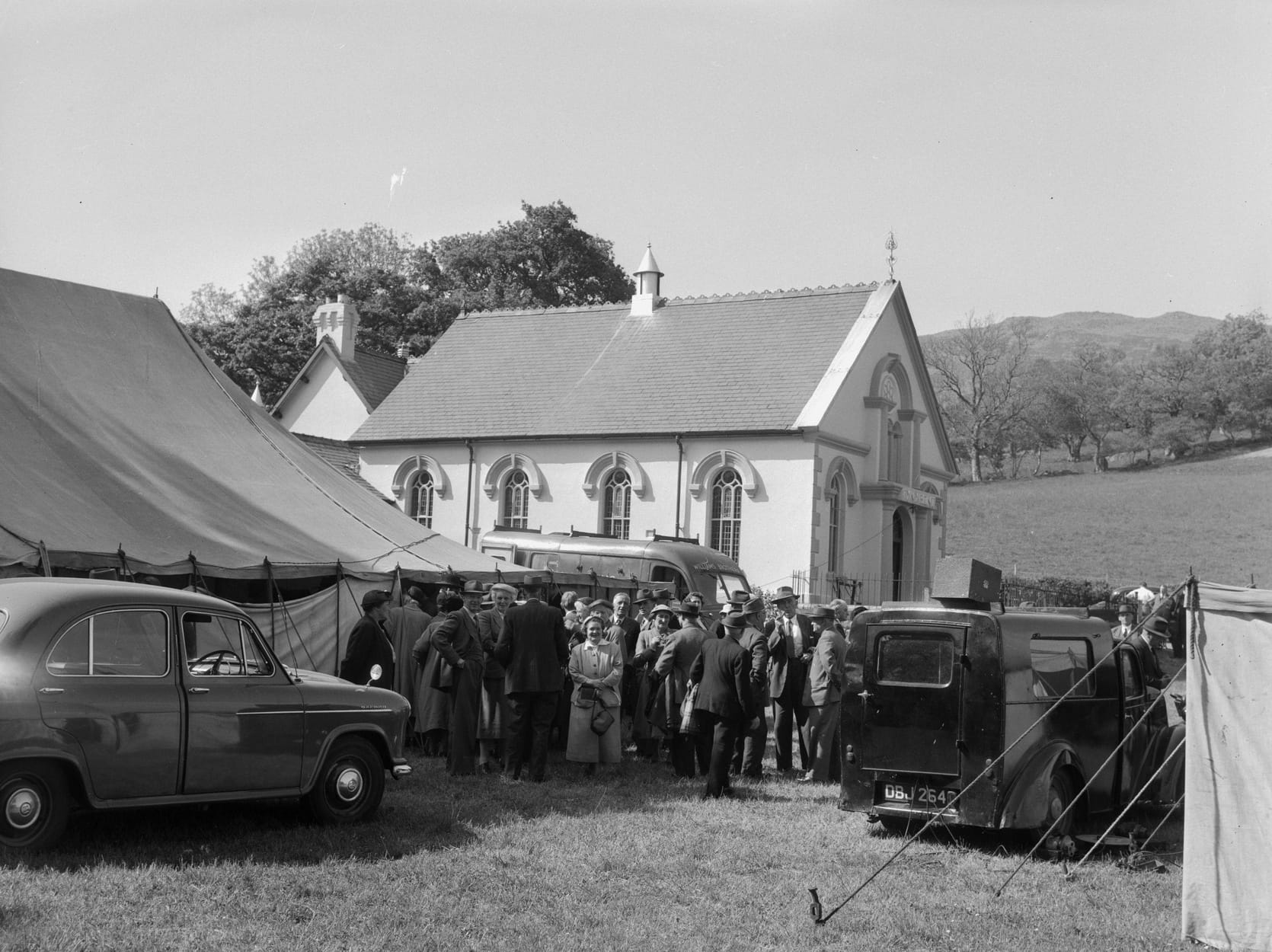
For nearly a decade the villagers fought fiercely to save their homes. They established the Tryweryn Defence Committee to mobilise opposition to the scheme and sent a delegation to address a meeting of Liverpool City Council.
In November 1956 the whole village travelled to Liverpool for a protest march, brandishing placards that read 'Hands off Tryweryn Valley' and 'Capel Celyn Must Live'. They won considerable support. With all 125 local Welsh councils adopting resolutions opposing Liverpool’s plan, the General Secretary of Plaid Cymru could claim with some justification that ‘all Wales was on our side’.
It changed nothing. In 1957 the Liverpool Corporation Act passed safely through Parliament. Work began in 1959. By 1963 only three families remained in Capel Celyn. The Parry Joneses at the post office were the last to go, forcibly ejected by compulsory purchase order.
That July the village school closed its doors. In September, after its final service, the chapel was deconsecrated. The headstones in the graveyard were dug up. At their families’ request, some of the bodies were exhumed and laid to rest elsewhere. The rest remained in the earth, buried beneath a thick layer of concrete.
In September 1964 the river was dammed. It was expected to take a year to reach capacity but it was a miserably wet winter. By Easter 1965 the reservoir was full.
Llyn Celyn far surpassed Vyrnwy in capacity, holding more than 16 billion gallons of water, and its construction caused a much bigger splash. If Vyrnwy was framed by the Victorian love affair with progress and technology (the Illustrated London News in 1889 declared it ‘one of the grandest works of modern times’ and dismissed the demolition of the ‘dwellings of forty or fifty families’ in less than a sentence), the drowning of Capel Celyn came amid the 1960s reckoning with the British colonial legacy.
Across the world, countries were rising up, determined to cast off the chains of imperial rule. In 1960 alone, seventeen nations gained their independence, including Nigeria, Senegal and the Democratic Republic of the Congo.
It is hardly surprising that the idea of an independent Wales gained traction in these years. Nationalists had long argued that Wales was the original colony, the model for Britain’s imperial ambitions. Decisively conquered in the thirteenth century by Edward I, it had been occupied and annexed, its princes executed, its language and laws suppressed, its culture denigrated, and its people reduced to second-class citizens.
When Plaid Cymru was founded in 1925, its president Saunders Lewis maintained that its chief aim was to ‘take away from the Welsh their sense of inferiority... to remove from our beloved country the mark and shame of conquest’.
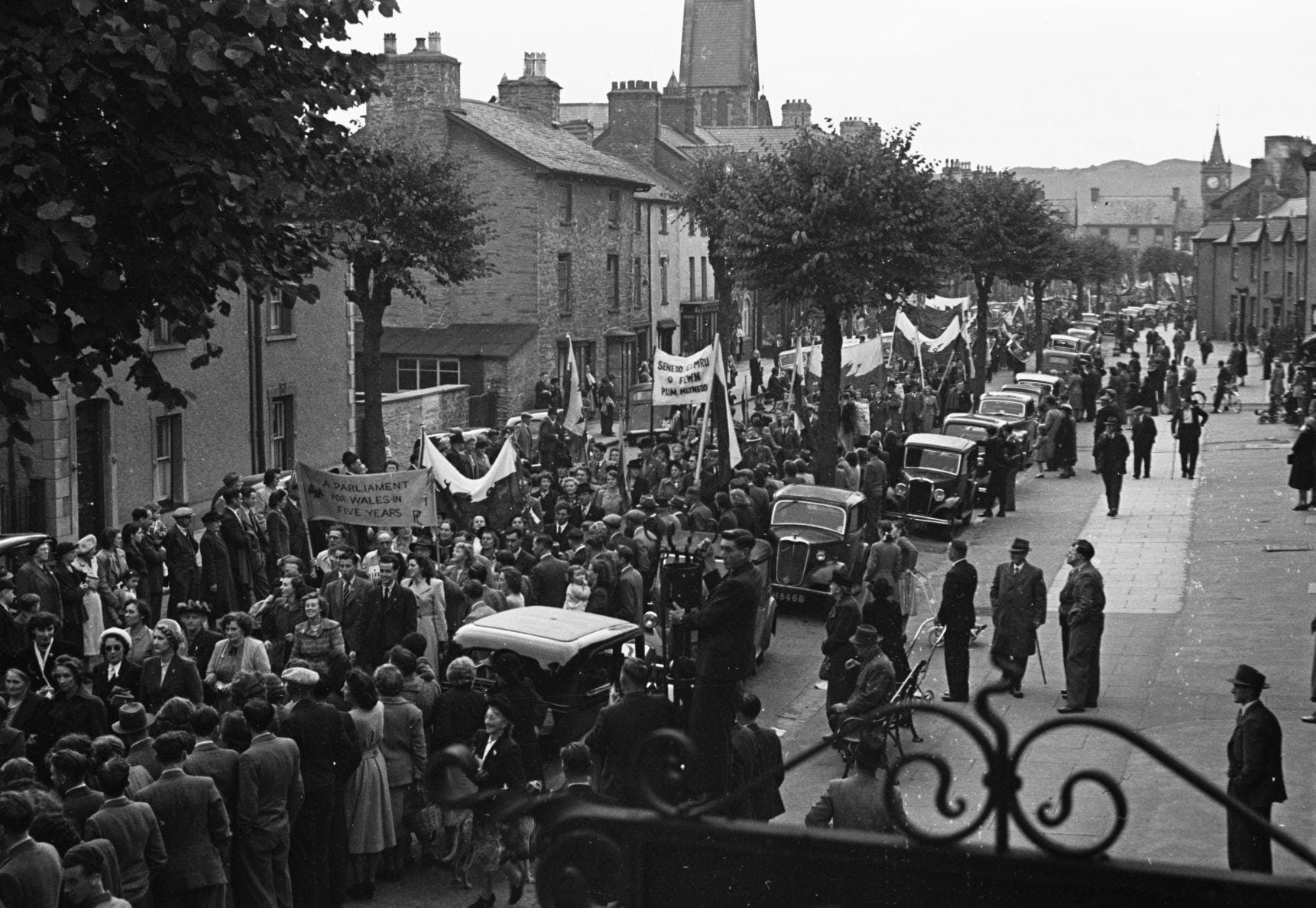
For decades Plaid was more of a social movement than a political party, its focus on reviving the Welsh language, but anger at the high-handed expropriation of Welsh land by a government based in Westminster continued to intensify.
In 1936 Saunders Lewis was imprisoned for nine months after he and two fellow nationalists deliberately set fire to an RAF bombing school on the Llŷn peninsula, and from 1949 a fierce campaign was waged against Ministry of Agriculture plans to commandeer more than forty Carmarthenshire farms for forestry.
Yet still the march continued. By the end of the Second World War nearly 10% of Wales was owned by the British Armed Forces; by 1951 the Forestry Commission was the single largest landholder in the country. Rigid grids of (non-native) conifers scarred the hillsides, deepening hostility and resentment.
It took Capel Celyn to light the spark of a militant Welsh nationalism. The small Welsh-speaking village became a symbol of Welsh culture and traditions that were at risk of disappearing altogether.
Almost half the Welsh population had spoken Welsh in 1911; by 1950 that figure had dropped to less than a third. Wales’s economic prospects were bleak, young people leaving in their droves, but the reservoir would not bring jobs. Welsh water would power Liverpool’s industrial growth and the Welsh people would not be a penny better off.
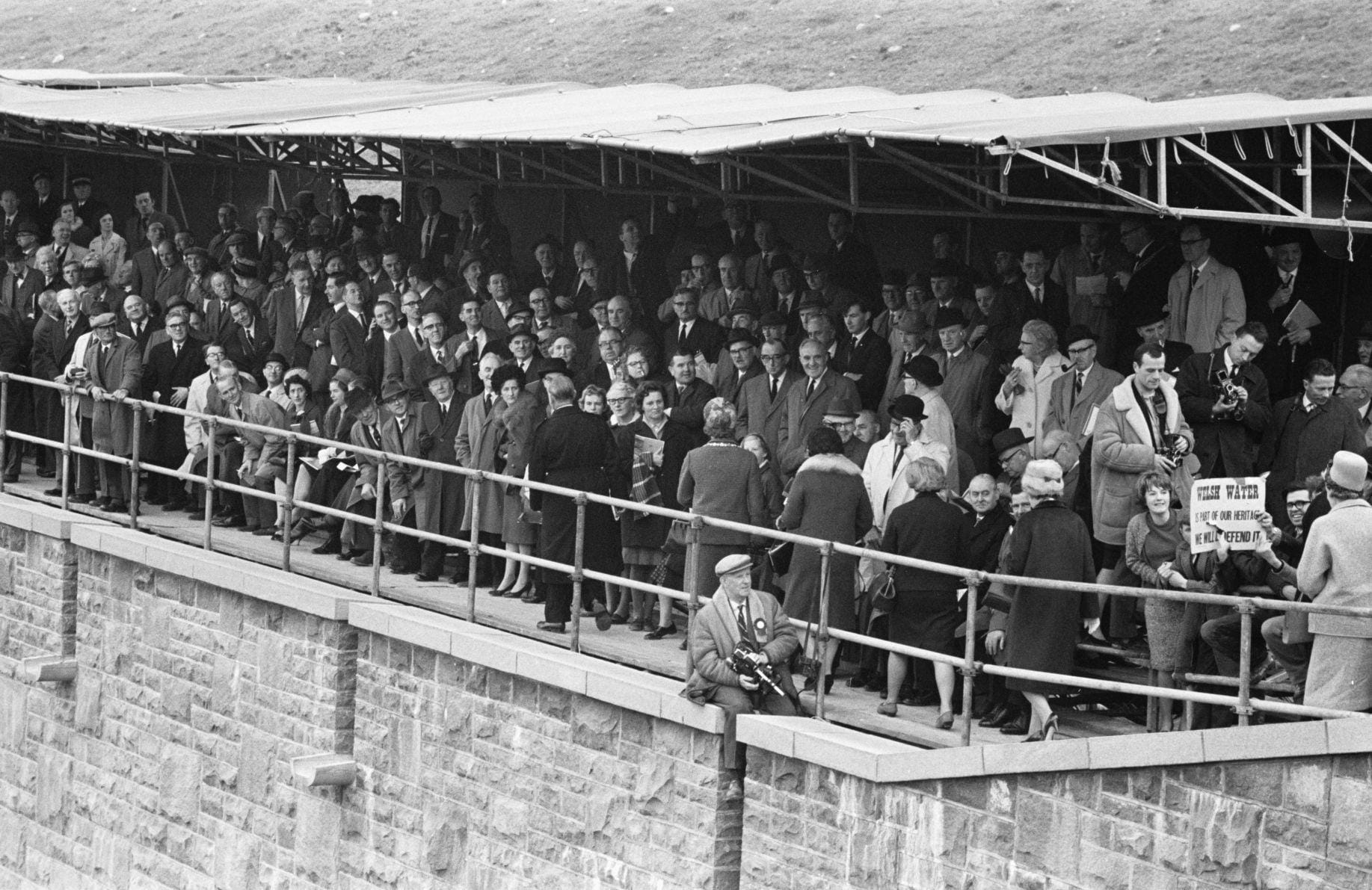
Most of all, Capel Celyn served as a bitter reminder of Wales’s powerlessness and lack of political autonomy. In Parliament, all but one of the 36 Welsh MPs had voted against the scheme but in a house of 630 seats their protests went unheard.
Little wonder then that, according to Thomas Jones, the local Labour MP, the reservoir ‘aroused the nation’s feeling to white-hot indignation’. Little wonder, perhaps, that for some it seemed that the democratic process would always fail them, that violence was the only way to force change.
The first bomb was set at the Tryweryn dam in February 1963. It destroyed an electricity transformer and set back work at the site for several months. The three men responsible called themselves Mudiad Amddiffyn Cymru (Movement for the Defence of Wales) or MAC. All three were eventually jailed but, while the bombing was divisive, it attracted many supporters across Wales.
Under the leadership of John Jenkins, a sergeant in the Royal Army Dental Corps, MAC went on to conduct a four-year bombing campaign, using explosives stolen from a Welsh coal mine and targeting what they saw as the symbols of the English subjugation of the Welsh people: water pipelines, tax offices, and prominent businesses. In 1966 they attacked the construction site of yet another new dam at Clywedog, causing an estimated £30,000 of damage.
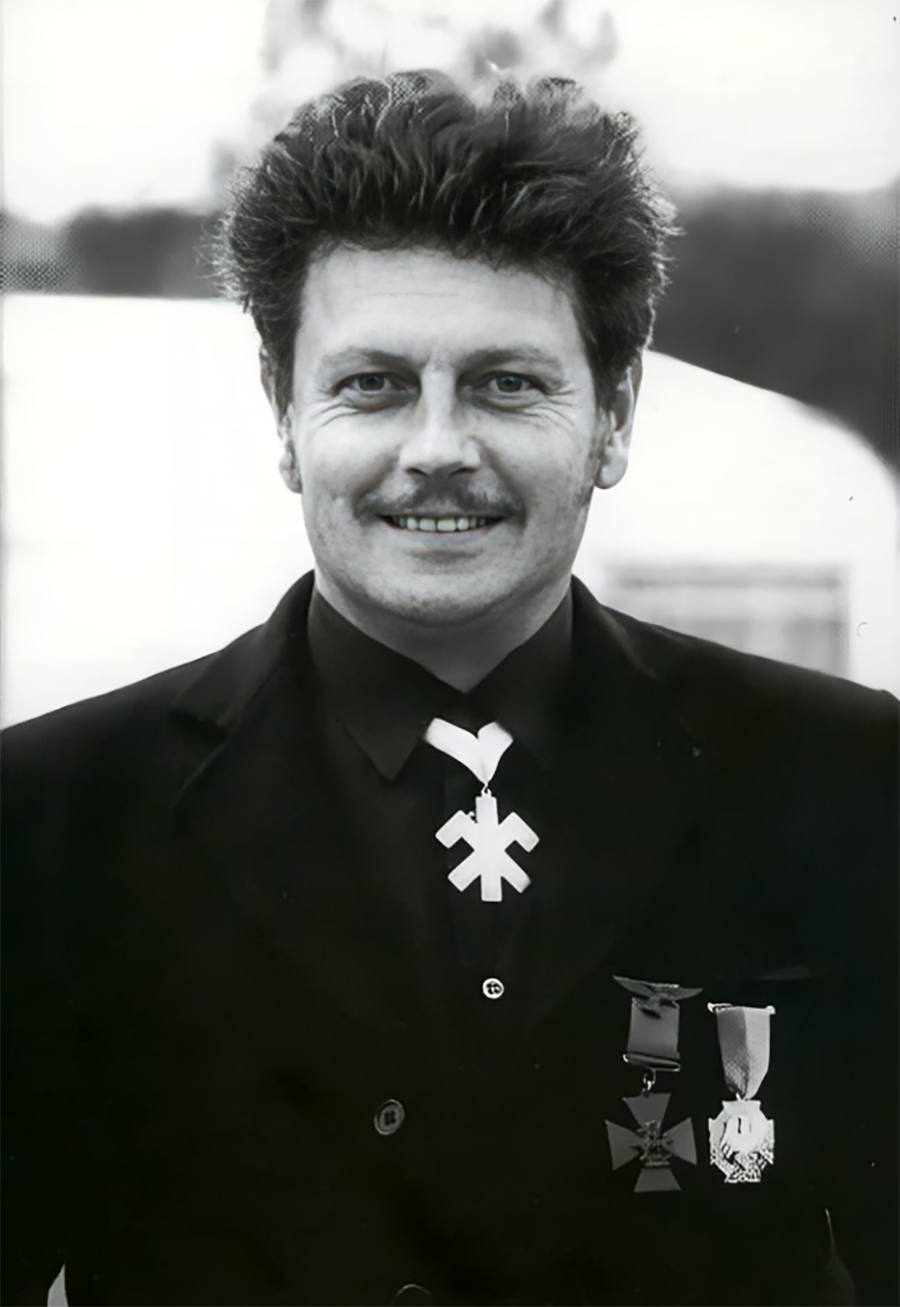
MAC evaded police detection for so long in part because of its sophisticated cell system of operatives. It was also helped by the posturing of the Free Wales Army, a second nationalist paramilitary group led by charismatic horse trainer Julian Cayo-Evans, who claimed responsibility for the MAC campaign.
Cayo-Evans made his first appearance at the official opening of the Llyn Celyn reservoir in 1965 where a public protest disrupted proceedings so badly that the ceremony had to be abandoned. He and his associates wore home-made military uniforms and courted a willing media with extravagant assertions: extensive links with the IRA, thousands of trained men, financial support from millionaires like Howard Hughes, and a cache of weapons that included an atomic bomb.
The FWA only ever planted one bomb, a device supplied by MAC that in their panic they failed to detonate, but their relentless propaganda did much to raise the profile of Welsh nationalism. In 1967 Cayo-Evans was invited on television by David Frost; a year later the Telegraph colour magazine devoted several breathless pages to what the FWA claimed was a bomb-making training camp in mid-Wales.
It was these photographs, alongside the story of the drowning, that formed the seed of my novel, Adder Stone. Who were these young men in their cobbled-together uniforms and what terrible things would they be willing to do for their country?
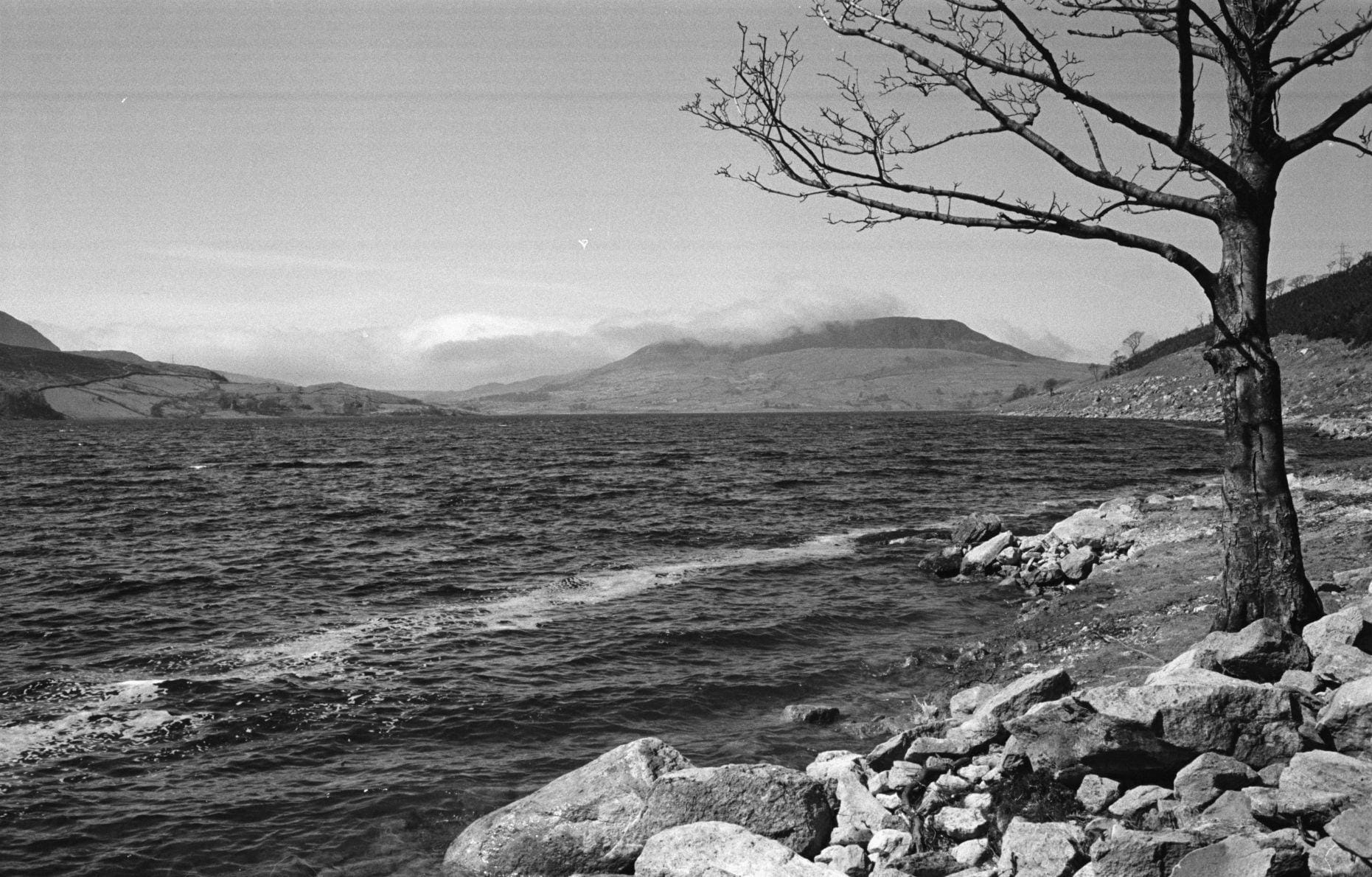
Cayo-Evans was finally arrested when he threatened disruptions to the Prince of Wales’s 1969 Investiture that ‘would make the whole world hold its breath’. MAC went ahead with their bombing campaign. Later Jenkins would claim that ‘we were not into taking life. We wanted to save our soul; the soul of the nation,’ but bombs are dangerous things. One exploded prematurely, killing two MAC members. Five days later 10-year-old Ian Cox was playing near the castle in Caernarfon when a bomb planted to disrupt the royal procession went off. Ian lost his leg.
Cayo-Evans was imprisoned in 1969, Jenkins in 1970. There were no more bombs. While these days Welsh children are taught about the drowning of Capel Celyn in school, the brief and violent flowering of militancy that followed has, until recently, been mostly overlooked by historians.
Did it change anything? Jenkins would say so, that after the 1960s the authorities in London could no longer ignore Wales. Martin Luther King would counter that ‘an eye for an eye leaves everybody blind’. Either way, as nationalism burgeons, polarisation deepens and the rhetoric grows ever angrier and more frightening, our past exists. We cannot learn from it if we do not know it ever happened •
Adder Stone by Clare Clark
Wilton Square Books, 5 November 2026
RRP: £17.99 | ISBN: 978-1806770519
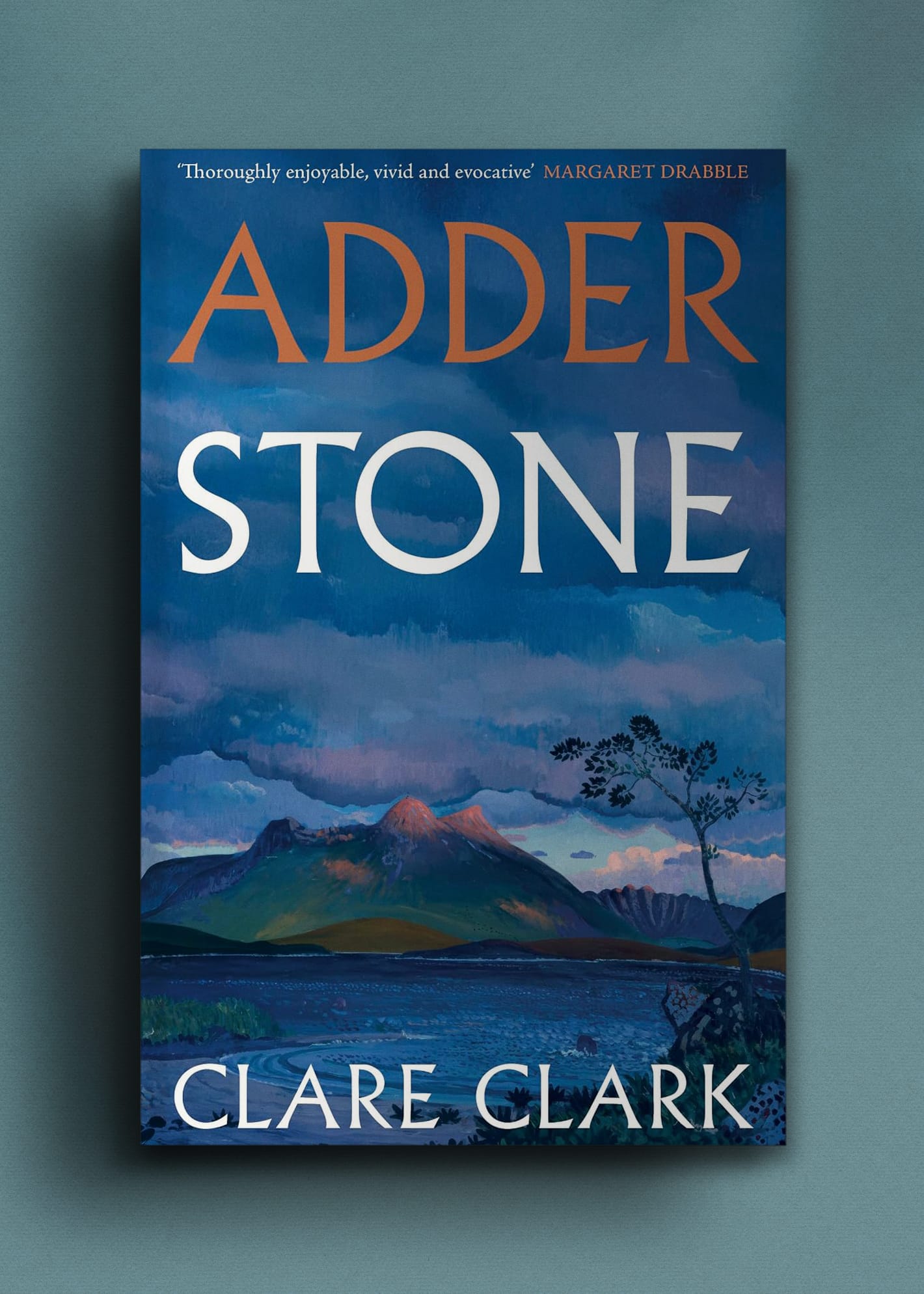
It is 1963 and in north Wales the Jones family are being forcibly ejected from the land they have farmed for generations. Their valley is to be drowned, turned into a reservoir for the people of Liverpool.
While her husband Dai is grief-stricken, Olwen Jones privately sees it as a blessing, an unforeseen chance to escape the narrow confines of the valley. But for her teenage son Emyr, Liverpool’s careless arrogance is proof that Wales will never be free to decide its own future until, like Ireland, it breaks the shackles of English imperialism.
Based on true events, Adder Stone is an exploration of personal identity and the possibilities and limits of love. How far will we go for our child or for our country? Who are we when we lose the places and the people that define us? And how much, in the end, is it possible to forgive?
With thanks to Sophie Portas.
📸 Dive into our Features
🎤 Read Interviews
🎧 Listen to Podcasts
🖼️ Buy fine art prints & more at our Store



