
The World's Largest City Museum to Open – London's History in the News
Here is a selection of stories in the news this week – all of them connected with the history of London.


London is one of the great capital cities of the world and it has one of the longest and richest histories on record. This week a new museum devoted to London's history opens in Smithfield.

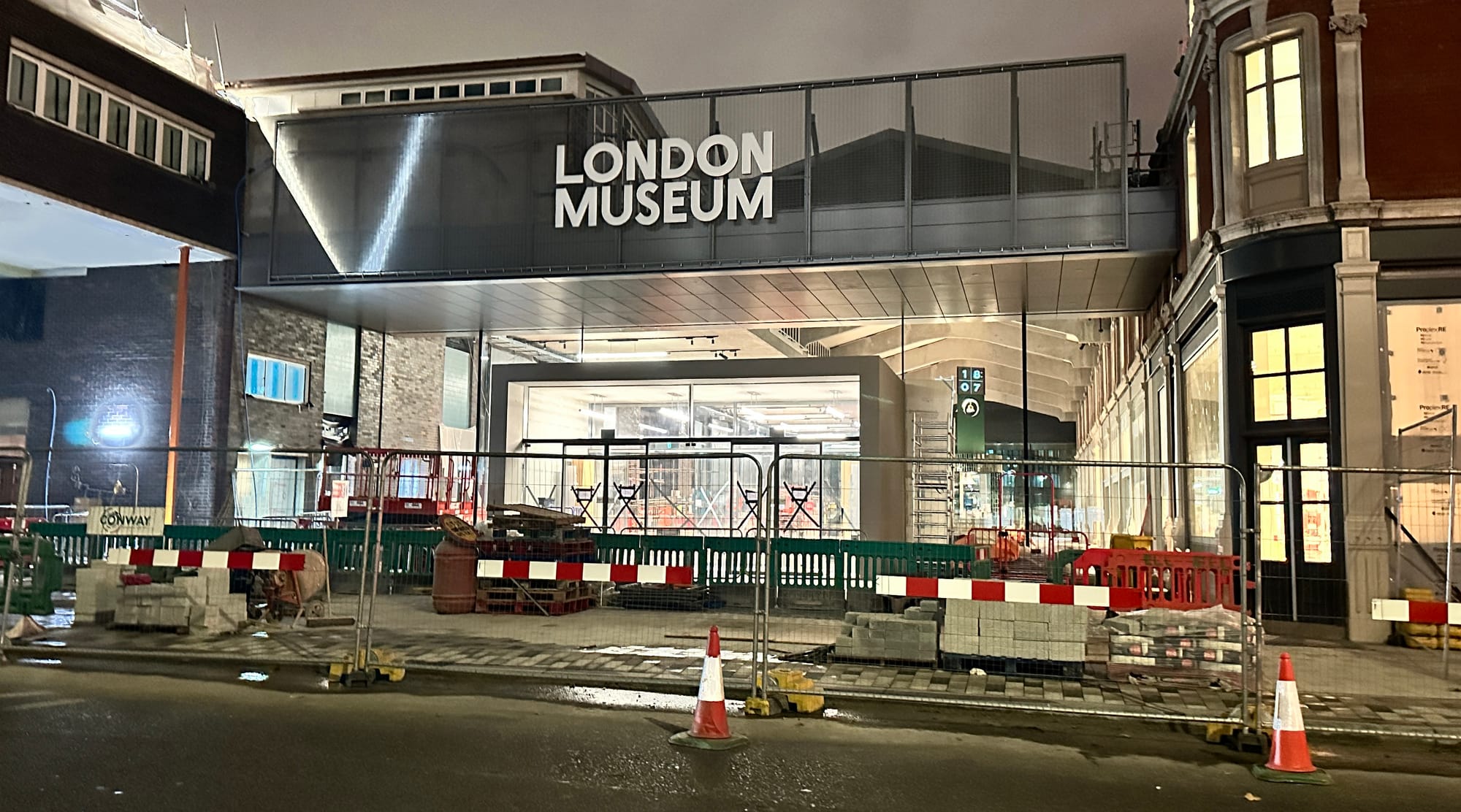
London Museum to open
Almost four years after the permanent closure of the Museum of London in Barbican, ‘London Museum’, its rebranded successor is due to open in Smithfield. Located in the former buildings of the Victorian General Market, from 28 November onwards history-lovers will be able to visit a museum that is both better located and more spacious than its predecessor. More room equals more scope for the display of the museum’s collection of seven million objects, from Charles Dickens's chair to the Whitechapel fatberg.
The museum’s exhibition space has been divided into three. ‘Real Time’ evokes the lives of Londoners today; ‘Our Time’ broadens the story out into ‘living memory’ and looks at moments like The Blitz or the 2012 Olympic Games. For the most devoted history-lovers, it is the ‘Past Time’ area downstairs that will appeal the most. It is here London’s Roman history is charted, along with the city’s development through the Middle Ages and early modern era into the great global city of Victorian times. Visitors can expect lots of interactive exhibitions and videos in a location that is ideal for the purpose. For centuries Smithfield has been a centre of London life – so it shall be again. Tickets free: London Museum.
Unions respond to 'privatisation' plans for the British Library
As well as the Victorian General Market at Smithfield, there is another of London's heritage buildings that has been earmarked for development. The British Library on Euston Road is one of the foremost cultural centres in the country. But along with the arrival of a new chief executive has come plans to repurpose three of its eleven reading rooms into paid-for coworking space that is managed by a private company. In an email to readers on 16 November, the new chief executive, Dr Paul Bate, set out his plans to generate £3.5 million annually with the creation of these new areas with the potential for further rises. Unions and academics have responded furiously to this announcement and a petition entitled 'Stop the Privatisation of the British Library' has now been signed by 29,000 people. Read the petition: Megaphone.
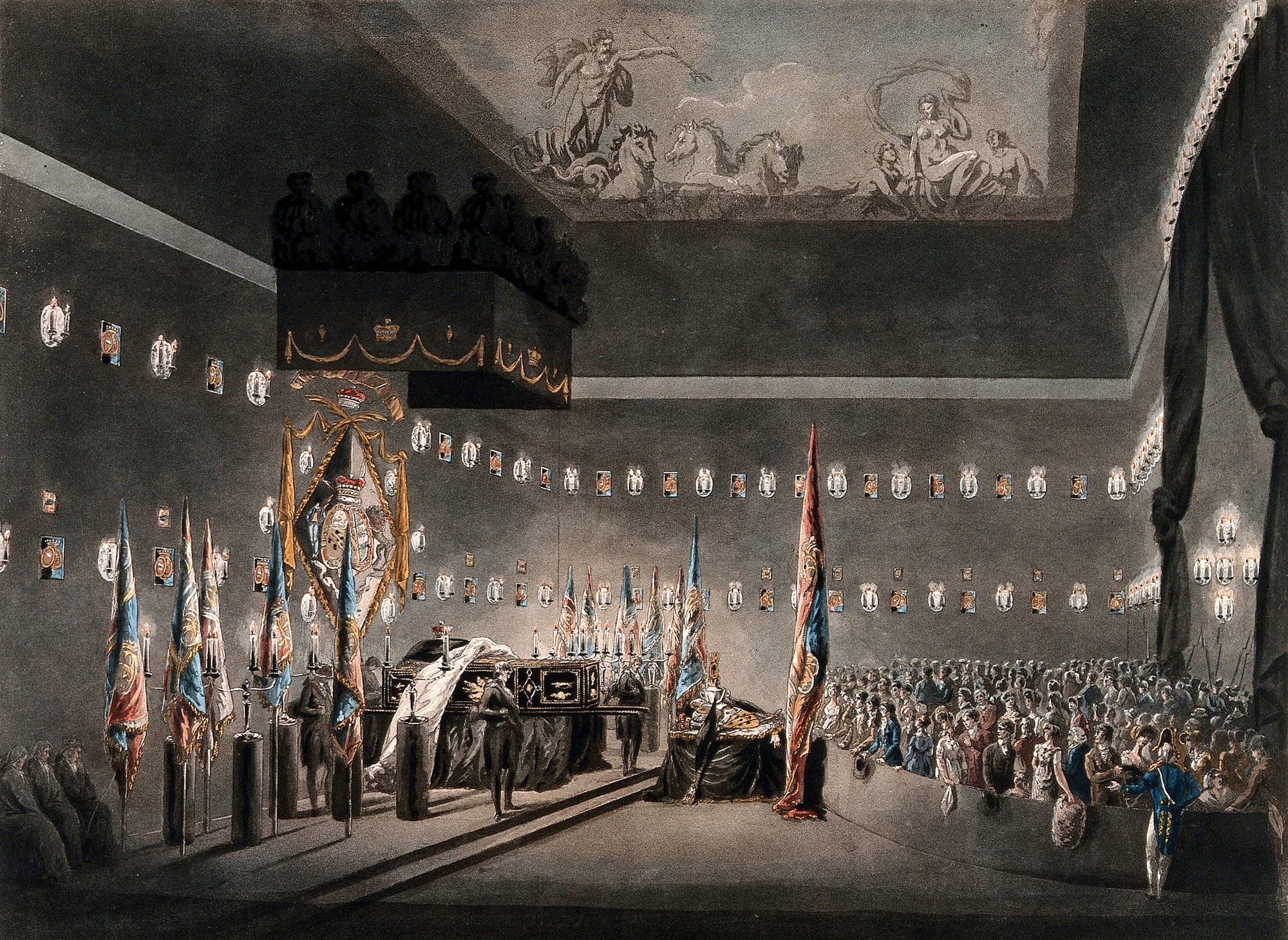
Nelson's letters sold – but to whom?
The British Library, of course, is home to many of the great archives in British history. But as many more of these remain in private hands and, over the past few weeks, there has been much excitement about the sale of one of them. For four decades a man called Clive Richards has been assembling 'the greatest collection' of Horatio Nelson's papers in private hands. Over the years he has acquired 168 autograph letters by Nelson as well as 73 from his lover Emma Hamilton. Last week bidding concluded at Sotheby's for ownership of Richards's entire archive. Who the new owner is, and just how much they paid, is not yet disclosed. But estimates for the letters, which were sold as a single lot, stand at £4–6 million. Read more: Sotheby's
Who was born? Laurence Sterne, 24 November 1713
Who died? Perkin Warbeck, hanged at Tyburn, 23 November 1499
What famous work was published? On the Origin of Species by Charles Darwin, 24 November 1859
'Sweet Thames, run softly, till I end my song'
– Edmund Spenser, 'Prothalamion' (1596)
A Roman gladiator in Colchester?
London has long retained its status as England's capital city. But if you delve back far enough, before England, to the early Roman years, you'll find that modern-day Colchester had a brief, two-decade period of pre-eminence. 'Camulodunum', the name of that settlement, has long been of interest to scholars of Roman Britain and a team from Durham University has recently been analysing a series of burials that date to the Roman period. A study of these remains has emphasised the cosmopolitan nature of that society, with three out of the 22 seemingly of Mediterranean origin. There are hints that one of these 'may have trained gladiators or been a wealthy patron who funded fights'. Read more: Durham University.
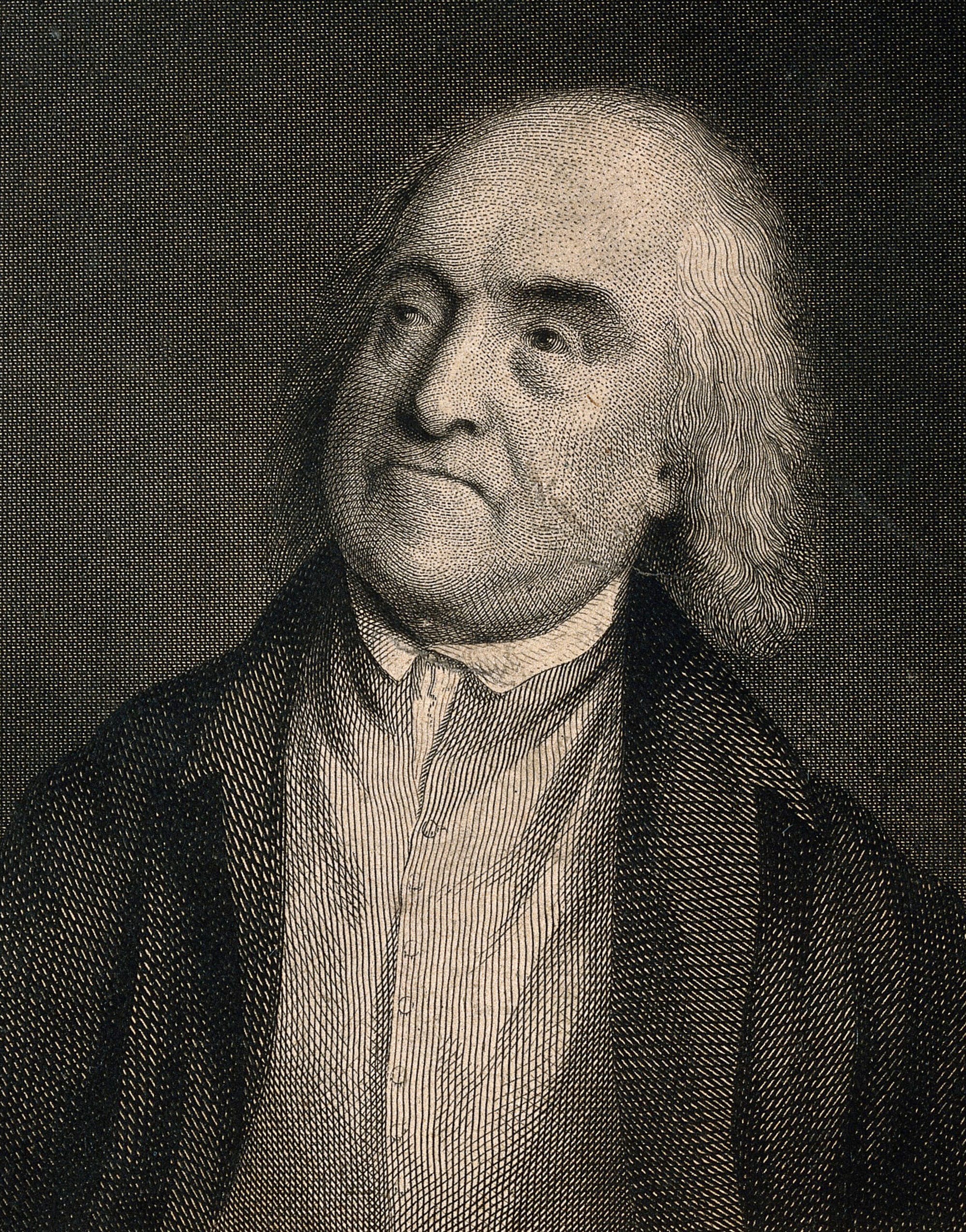
Jeremy Bentham's toothache
As the Durham archaeologists have been busy in Colchester, another group of scholars from University College London have been scrutinising the remains of the philosopher Jeremy Bentham. Bentham's partially preserved head is famously kept in the vaults of the university and recently it made the unlikely journey into a CT-scanner. The images that resulted suggested that Bentham, like many of his time, had terrible teeth and an arthritic jaw. The pain that would inevitably have resulted from this was alluded to by Bentham himself, in an 1830 letter to Robert Peel. Read more: Archaeology Magazine •
📸 Dive into our Features
🎤 Read Interviews
🎧 Listen to Podcasts
🖼️ Buy fine art prints & more at our Store



