
The Royal Air Force's Bombing Offensive Against Nazi Germany
Richard Strachan, author of the WW2 novel Night Fire, examines the history behind the RAF's aggressive bombing campaign against the Germans.


Such was the terror of the 'bomber' that on the outbreak of war in September 1939, the British were hesitant in their use of this devastating new weapon.
But as Richard Strachan, author of the dramatic new novel Night Fire, explains, it was not long before all caution was abandoned.
Here Strachan looks back at one of the longest and most controversial offensives of the Second World War.

On 3 and 4 September 1939, within hours of Prime Minister Neville Chamberlain's declaration of war, the crews of around 35 Wellington, Hampden and Blenheim bombers set off from RAF Scampton to attack the Kriegsmarine at Wilhelmshaven and Brunsbüttel on the north German coast.
Most of the bombers failed to find the target. Little damage was done to the German ships, and five aircraft were shot down. Curiously, the crews were told to avoid at all costs hitting civilian targets like the dockyards or nearby houses. The following day, 5 September, Sir Kingsley Wood, the Secretary of State for Air, refused permission for Bomber Command to attack German munitions works at Essen, on the grounds that they were private property.
In those first weeks of the war, the RAF dropped millions of leaflets rather than bombs on German cities. And yet, three and a half years later, the approach had changed entirely. Over just one week in July-August 1943, for instance, a fleet of around 800 heavy bombers (along with 300 USAAF bombers) dropped 9,000 tons of bombs on Hamburg, immolating the city in a firestorm that killed as many as 40,000 people.
In total, over the course of the war, Bomber Command dropped nearly a million tons of bombs on Germany. This was part of a strategic air campaign that wrecked German cities on a grand scale and killed around 600,000 people.
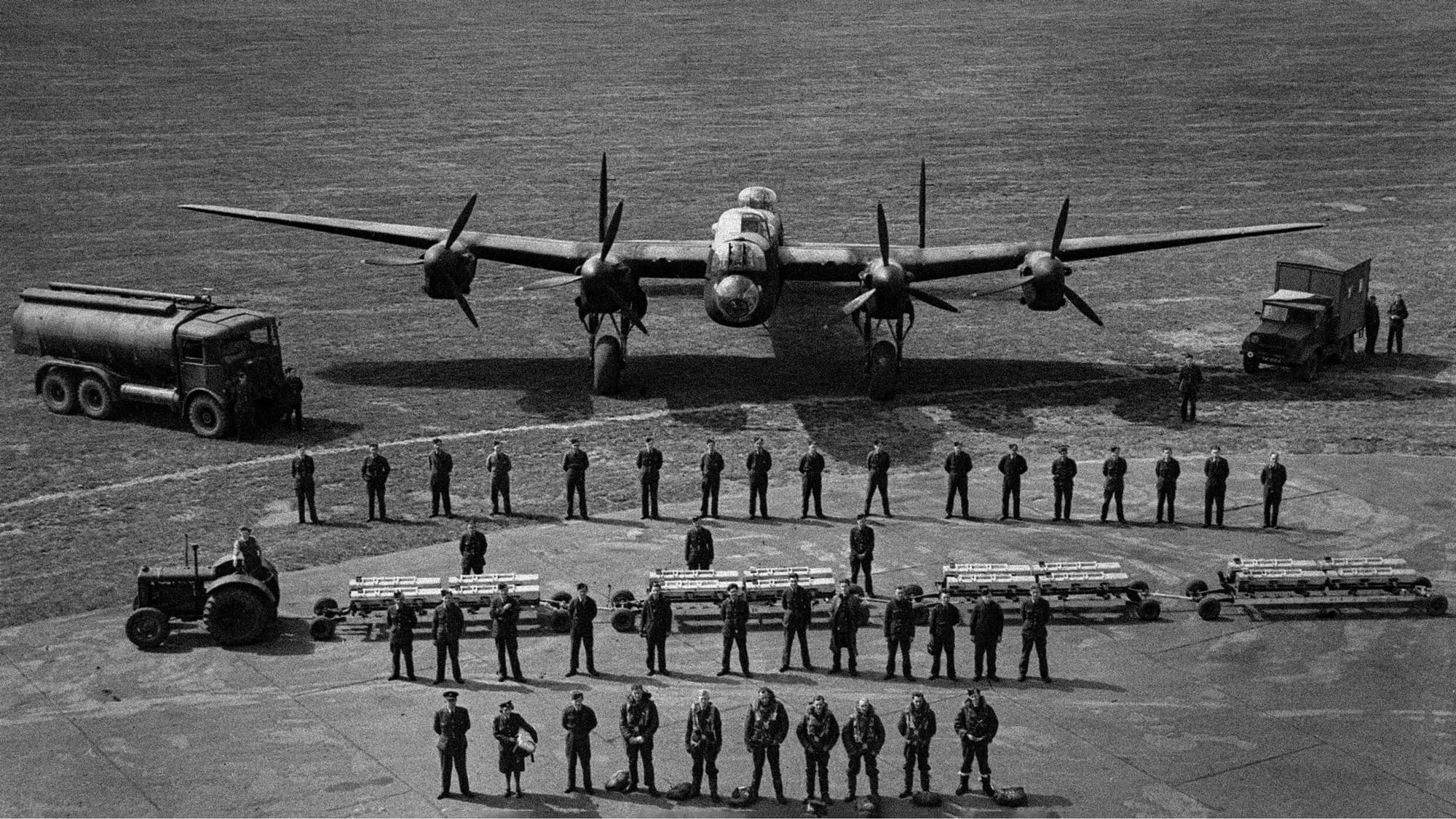
What changed in the intervening period was partly technological, as more modern equipment became available, and partly an incremental development of Britain’s strategic position after the wholly unexpected defeat of France in May 1940.
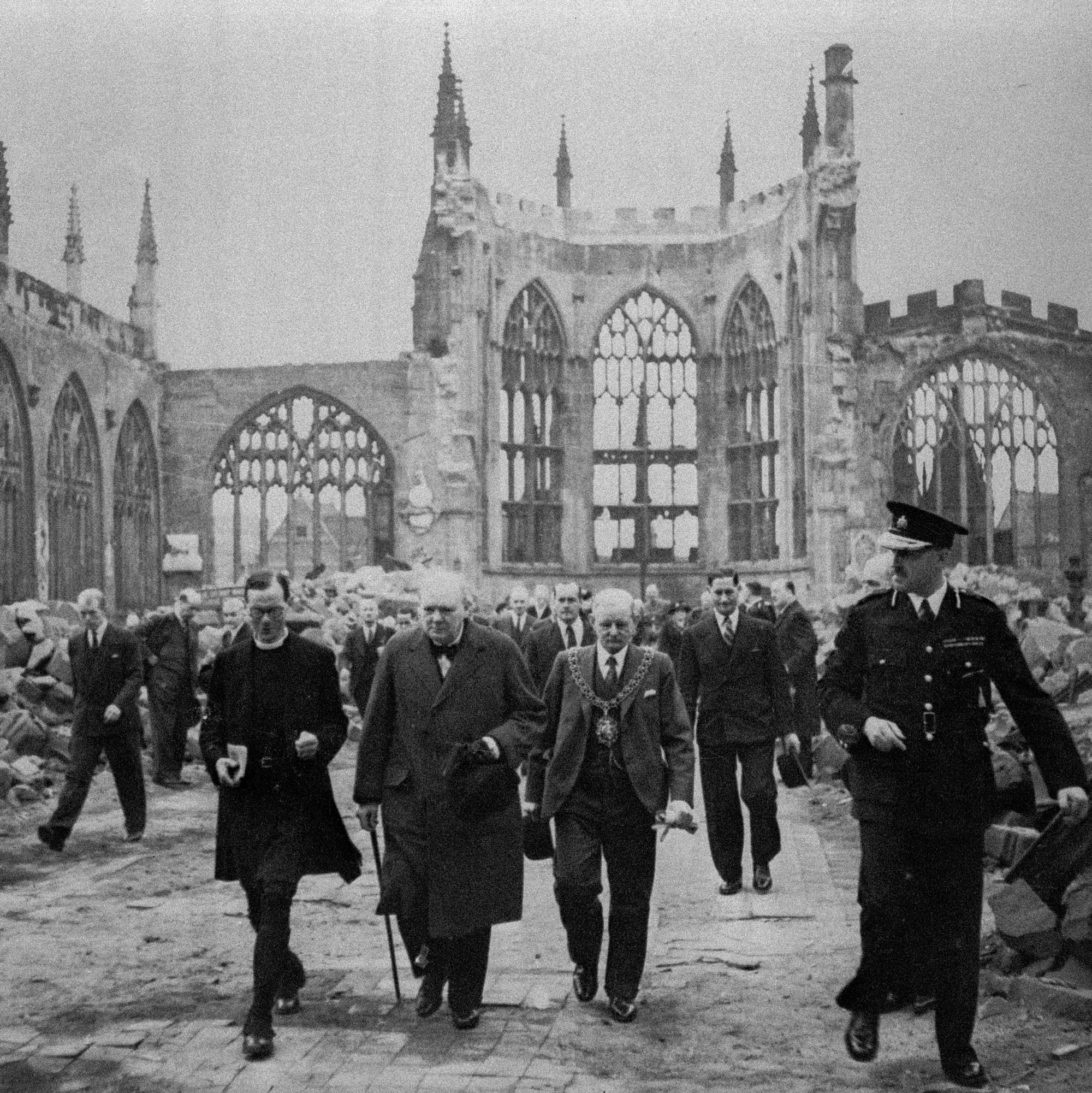
With no army on the continent, Britain needed a means of striking more forcefully at the enemy. At the same time, the Luftwaffe’s destruction of Coventry on 14 November 1940, and the 'Blitz' campaign against London and other British cities, demanded a response in kind.
The conceptual basis of strategic bombing developed during the interwar period. Hugh Trenchard, head of the RAF when it was formed in 1918, became a leading advocate; bombing industrial targets would comprehensively defeat the enemy while minimising your own losses, and the morale effect would be even more powerful than the material.
In the United States, Brigadier General ‘Billy’ Mitchell keenly promoted precision targeting of enemy weapons manufacturing. There would be no need for the mass casualties seen in 1914–18. Air power alone, it was argued, could win wars, and as Prime Minister Stanley Baldwin had warned in 1932, ‘the bomber will always get through.’

The means at Bomber Command’s disposal, however, weren’t sufficient for the task it had been set. Early war bombers like the Handley Page Hampden, the Armstrong Whitworth Whitley, the Bristol Blenheim and the Vickers Wellington, were twin-engined aircraft that carried relatively minimal bomb loads.
While they might have operated more effectively from forward airfields in France, after 1940 they were expected to fly considerably longer distances. Because daylight operations proved practically suicidal against the Luftwaffe’s fighter defences, the RAF soon switched to night bombing.
📚 Previews
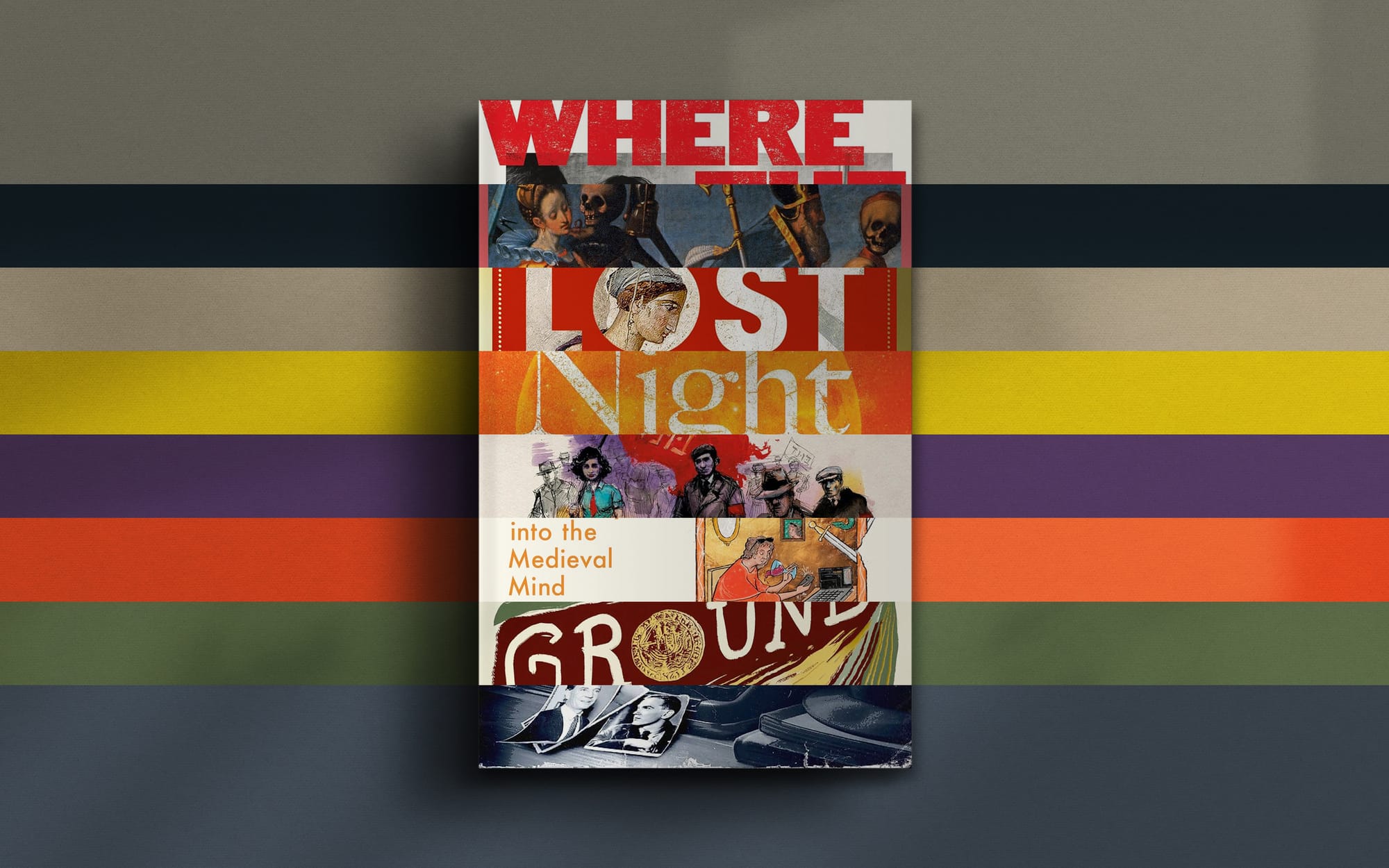
Night Fire by Richard Strachan features in our April 2026 previews. Find out more about the book and explore the full list
But navigation aids at this stage of the war were unsophisticated. Directing aircraft to their targets over nighttime Europe was done with little better than educated guesswork. In August 1941, civil servant David Bensusan-Butt was asked by the war cabinet to assess the effectiveness of Bomber Command’s campaign. The Butt Report’s conclusions were damning: perhaps only a third of the bombs dropped by British aircraft were striking anywhere within five miles of their targets.
It was in this context that the Air Ministry’s ‘Area Bombing Directive’ was issued in February 1942. If precision attacks on individual targets were proving impossible, Bomber Command would instead concentrate on the destruction of the German industrial workforce as a whole, with the corollary effect of demoralising the enemy population. General areas were to be targeted, rather than precise locations.
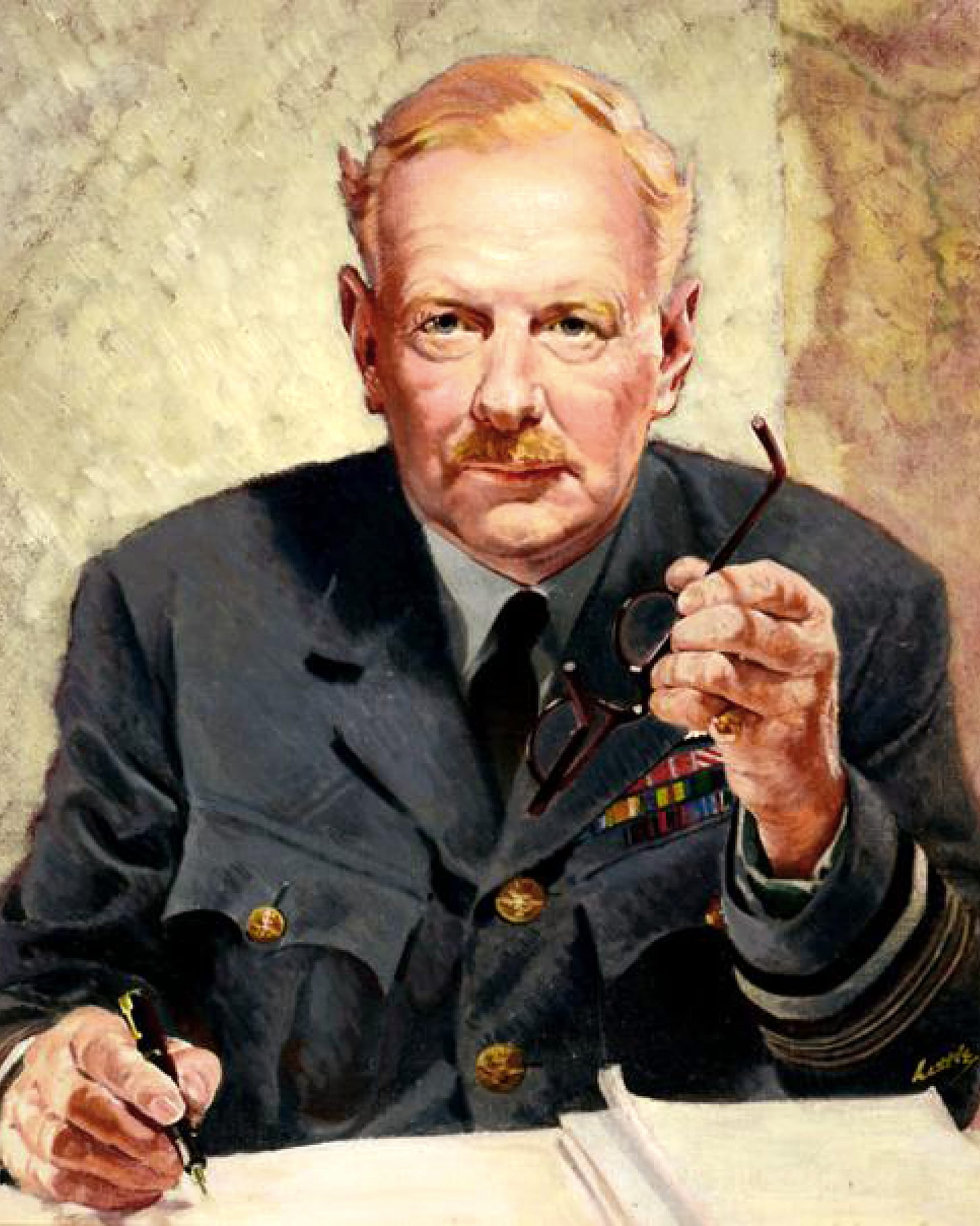
The newly-appointed Commander-in-Chief of Bomber Command, Sir Arthur Harris, addressed himself to this task with gusto. Bombing attacks would no longer be piecemeal, but would be marshalled into specific battles and campaigns; force would be concentrated, and the pressure on the enemy would be relentless.
In this he was helped by technological developments in 1942 and 1943 that made Bomber Command a far more effective force than it had been at the start of the war. The technology improved considerably. 'Gee' was a radio-navigation system that allowed bombers to plot locations more accurately. 'Oboe' was a guidance system that refined the aiming of bombs while 'H2S' was an early form of ground-scanning radar.
However, the chief weapons in Harris’s arsenal were new aircraft: the Handley Page Halifax, the Short Stirling, and (especially) the Avro Lancaster. These were massive, four-engine planes that could carry up to 18,000 lbs of bombs, with considerably expanded operational ranges.
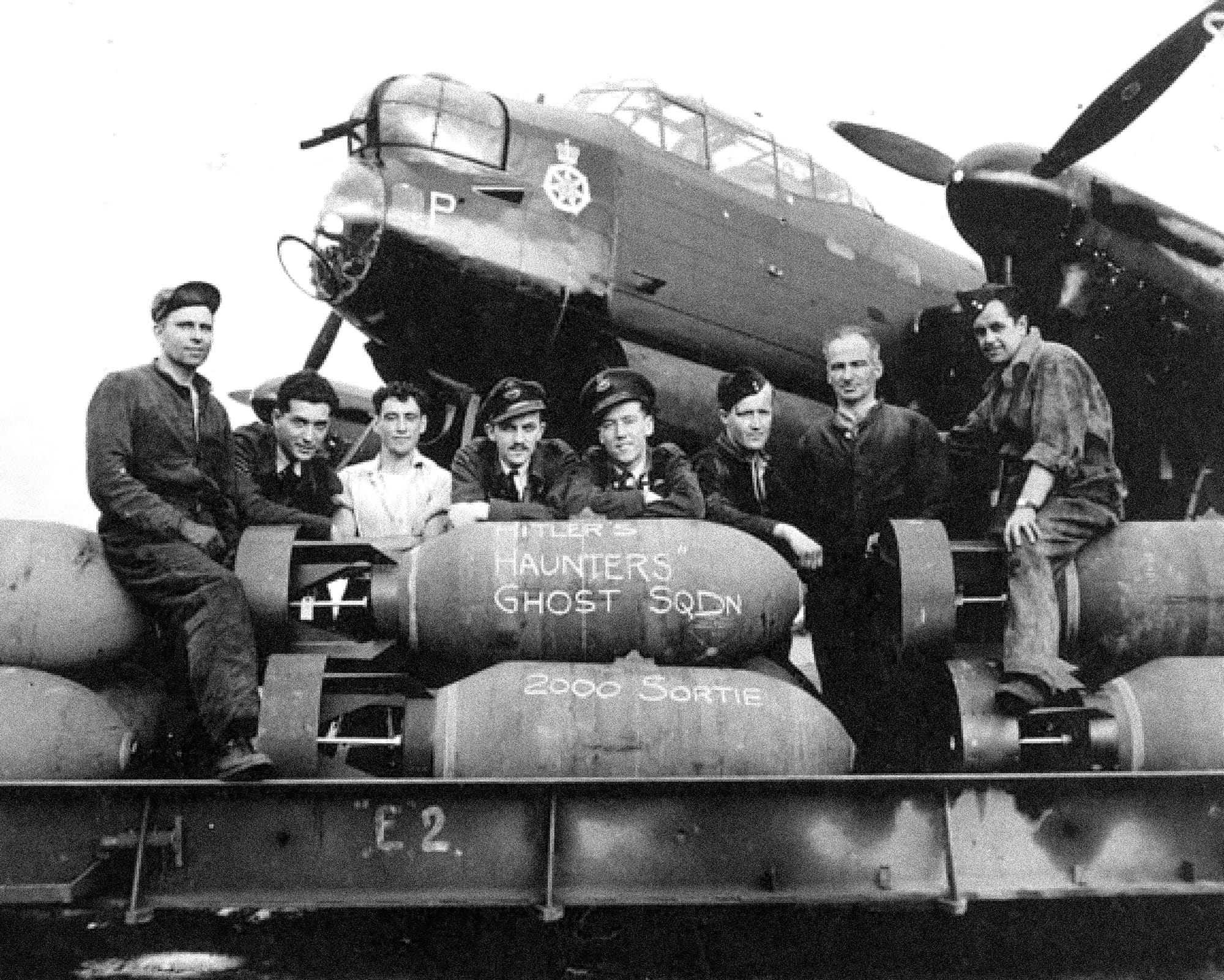
Harris turned this force towards the Ruhr, Germany’s industrial heartland, which provided it with significant proportions of its steel, coal and chemicals.
There were gestures towards a more targeted approach too. Operation Chastise, on 17 and 18 May 1943 – better known as the 'Dambusters' Raid – targeting the Möhne, Edersee and Sorpe dams. But Harris never deviated from his belief that relentless area bombing would win the war. The factories, steelworks, synthetic oil plants and armaments works of companies like Krupp and Rheinmetall became targets of punishing, 800-bomber raids between March and July.
Implicitly, Bomber Command was also targeting the people who lived in the Ruhr’s cities: Essen, Cologne, Duisburg, Dortmund and Dusseldorf. Euphemistically this was described as ‘de-housing’: in practice it meant killing civilian workers as much as destroying the industries at which they worked.
Night after night the bombers set out from airfields in Lincolnshire, Yorkshire and Cambridgeshire. They formed into widely dispersed ‘streams’ that were guided by Pathfinder squadrons. These pathfinders would identify target areas with coloured target indicator flares.
The campaign took a terrible toll on Germany’s western cities, but it was gruelling for the RAF as well. Aircrews were all volunteers, and were expected to complete 30 operations in a tour of duty. They would then be granted six months of further training, before undertaking another 20 operations.
Few would make it that far. Germany’s air defences grew more sophisticated, combining radar-guided flak guns and searchlights. Single engine 'Night Fighters', organised into Wilde Sau (‘Wild Boar’) and Zahme Sau (‘Tame Boar’) patrols, meanwhile used upward-pointing 20mm cannons and machine-guns to attack British bombers from underneath.
By the end of the Ruhr campaign, as many as 1000 British aircraft had been lost.
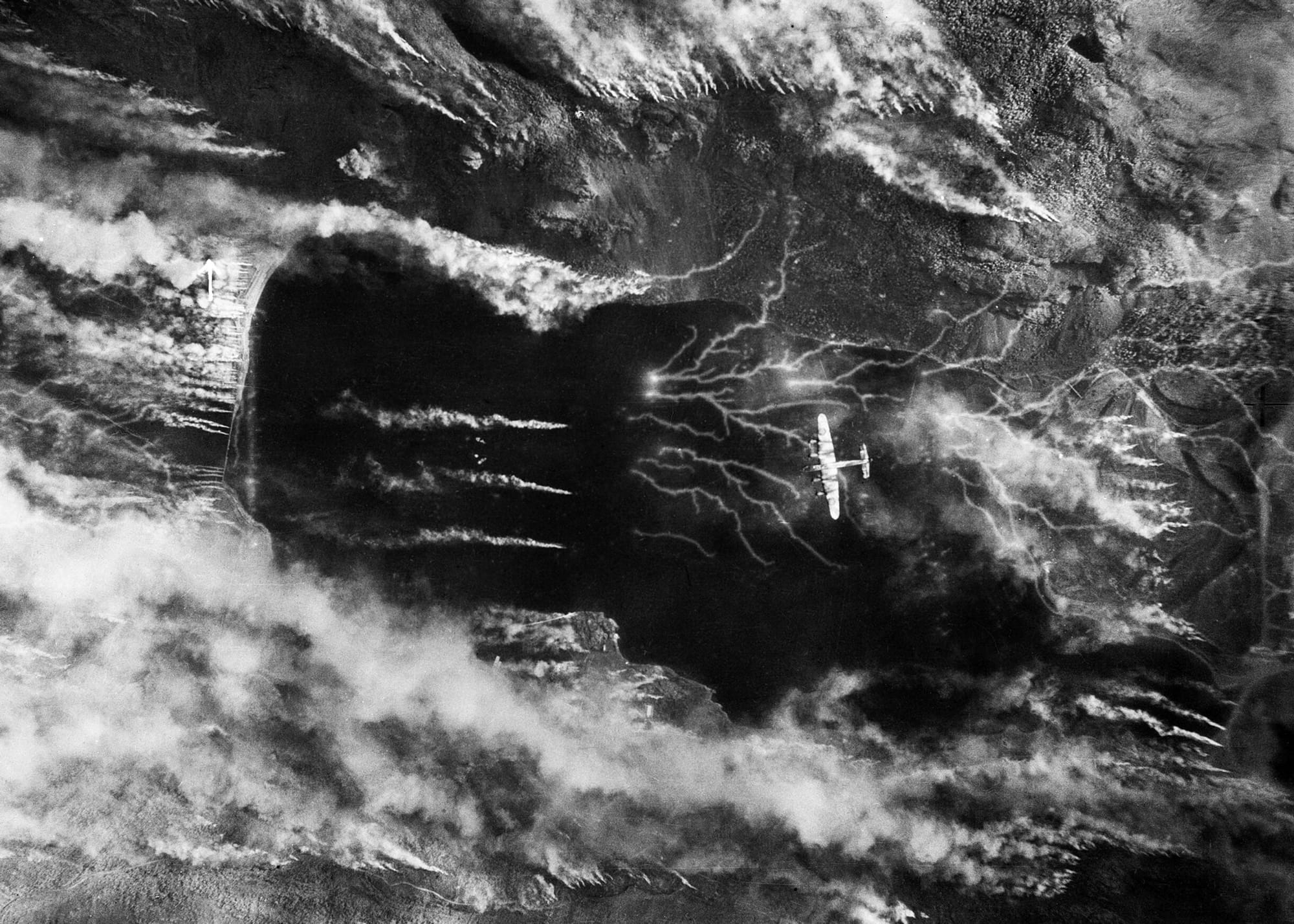
Despite this attrition, in late July 1943 Bomber Command launched its most stunning attack yet on the port city of Hamburg.
Operation Gomorrah ran between 24 July and 2 August. Before the firebombing of Tokyo in 1945 it was the most destructive conventional bombing attack ever seen. In his diary, Nazi propaganda chief Josef Goebbels confessed that it had horrified him. Albert Speer, Hitler’s architect and munitions minister, later claimed that four or five more attacks like Hamburg would have cost Germany the war.
Conditions were perfect. The summer was hot and dry, and the medieval city had a high proportion of wooden buildings. Ratios of explosives to incendiaries were carefully calibrated; the explosives would blow open roofs and allow airflow to stoke the fires started by the incendiary bombs, while also blocking roads and preventing access for firefighters.
Over six separate raids – the British by night and the Americans by day – 60 per cent of the city’s housing stock was destroyed. As the firestorm whipped through the streets, people were literally sucked off their feet into the vortex, while others hiding in bomb shelters were suffocated as the oxygen was pulled into the flames. A million refugees fled the destruction.
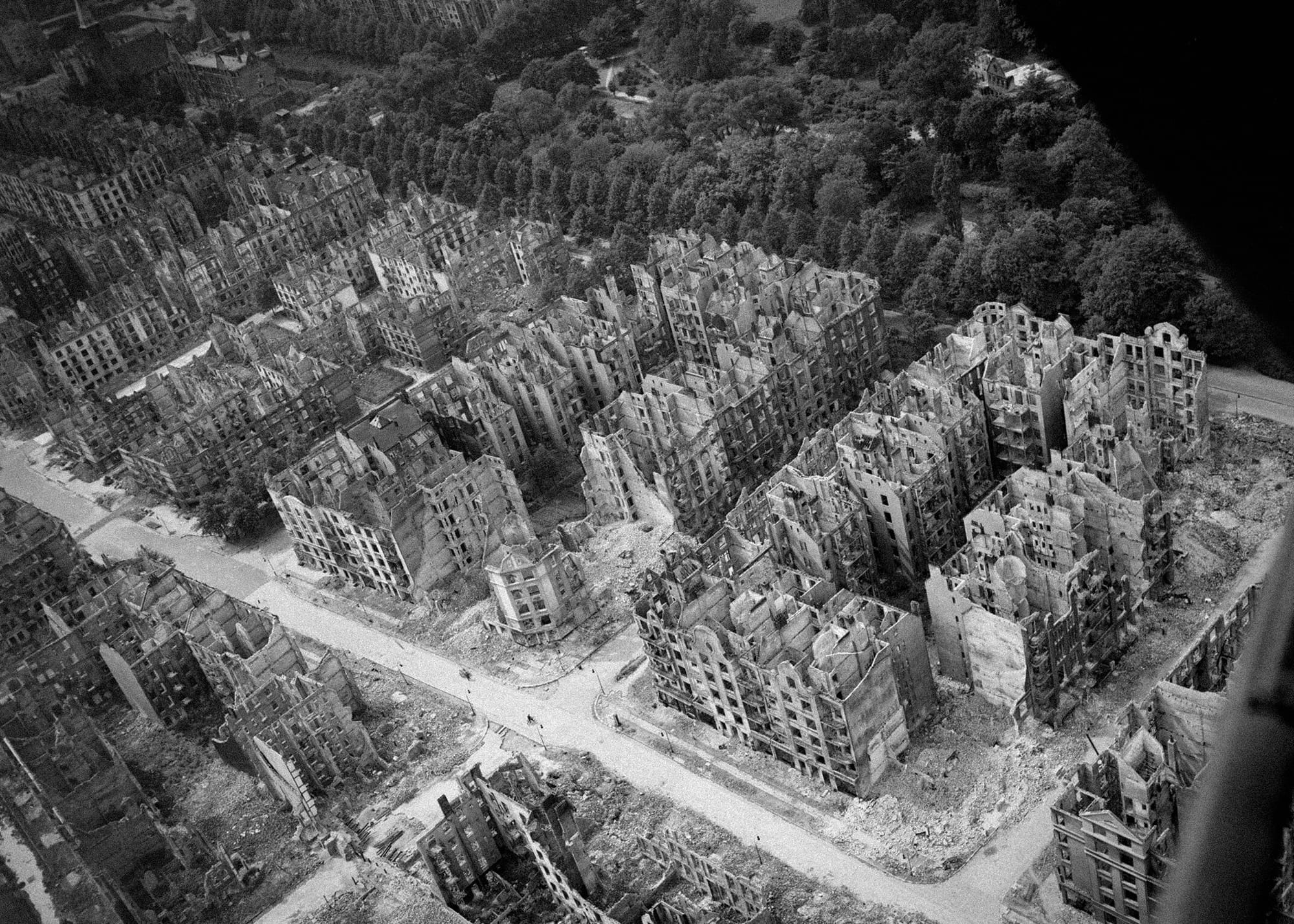
On the surface, the Ruhr campaign seemed to vindicate the concept of strategic bombing and the intentions of the Area Bombing Directive, which had been reiterated in the ‘Casablanca Directive’ of January 1943.
Germany’s key manufacturing had been severely disrupted. The Nazis were forced to divert ever-more of their scarce resources to defending themselves against the bombing campaign, which drastically skewed its war economy.
But the corollary objective of breaking morale did not work. German industry, drawing on a vast pool of slave labour, was still capable of supplying its armed forces. As the British themselves had seen during the Blitz, intensive bombing tends to stiffen resolve rather than break it.
But there was to be no let up in the strategic bombing campaign. While resources were occasionally diverted to other tactical objectives, like Operation Pointblank (the attack on Germany’s fighter production) or the ‘Transport Plan’, which destroyed French marshalling yards and train tracks in the run-up to the invasion of Normandy, the air campaign continued.
As summer 1943 gave way to autumn, everything Bomber Command had learned from the Ruhr was about to be put into practice against the biggest target of all: Berlin •
Night Fire by Richard Strachan
Raven Books, 23 April 2026
RRP: £18.99 | 304 pages | ISBN: 978-1526670601
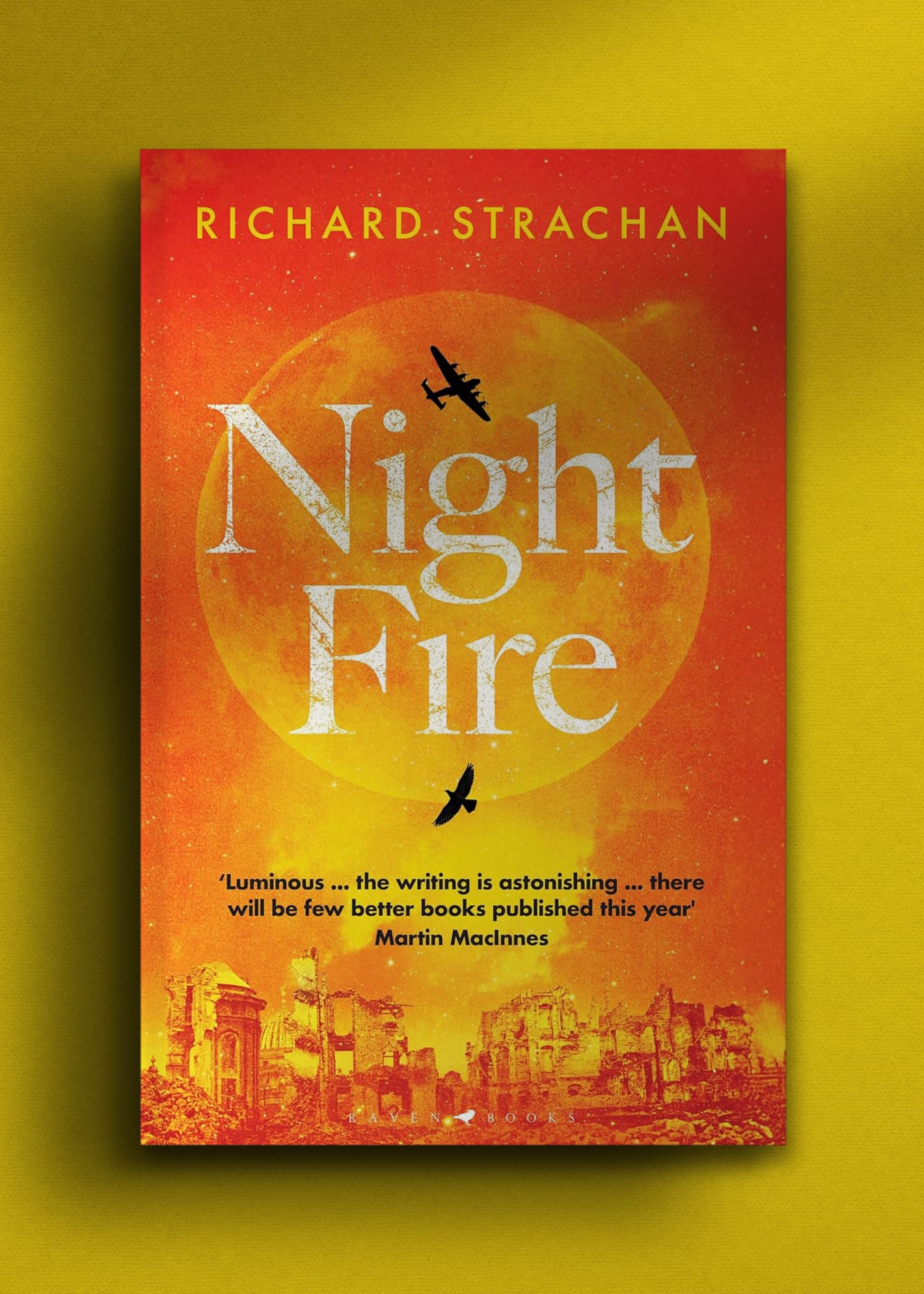
In the skies above war-torn Europe, Stanley Wake and his fellow aircrew at Bomber Command risk their lives on missions that are incredibly dangerous and highly pressured.
As the strains of their work press on him, Stan is beginning to suspect that either their plane is haunted or Stan himself may be haunted by his part in bringing about death and destruction to so many.
On the ground in Lincoln, Abby Sallow is desperately trying to keep her own ghosts at bay. Working in a factory dismantling wrecked aircraft, Abby struggles to escape the nightly visions of her only son, who was killed at the very outset of war. While Stan longs to live, Abby seems intent on bringing about her own death.
And for intensely superstitious Harry Culpepper, one of Stan's crewmates, it is only the Fates can keep him alive. He has crafted a talisman - a bird skull - that he is convinced will guarantee his safety.
But as the bombing intensifies and the crew count down towards 30 flights completed – the point at which they will be given a reprieve from their deadly work – all three characters will discover whether they can find a chance of peace amongst the devastation of war, and whether the ghosts that haunt them can ever truly be laid to rest.
With thanks to Helena Yurdakul.
📸 Dive into our Features
🎤 Read Interviews
🎧 Listen to Podcasts
🖼️ Buy fine art prints & more at our Store


(2)(1).jpg)


