
Did Roman Britain Ever End?
Nicholas J. Higham writes about the long death of Roman Britain.


Pinpointing the moment the Romans came to Britain is not very difficult. In the mid-50s BC Julius Caesar crossed the Channel with his legions and the imperial conquest began.
But defining when Roman Britain ended is rather more challenging. Historians have traditionally regarded the year 410 AD as one of collapse, but recent scholarship has cast doubt upon this assumption.
Here Nicholas J. Higham, author of the new book How England Began: From Roman Britain to the Anglo-Saxons, considers the latest evidence.

Did Roman Britain ever end? Well, yes, it did, but there are areas in which its ending was slower than is generally recognised, with echoes, at least, audible still today.
Even some Romanists are proposing dates significantly later than the generally accepted 410 AD – the year that Rome was sacked by the Visigoths and that the Emperor Honorius told the British cities to 'look to their own defences'.
The wiser approach is to avoid setting any jolting cutoff. It is better to think in terms of a society evolving into something else, as peoples' perceptions and circumstances gradually altered.
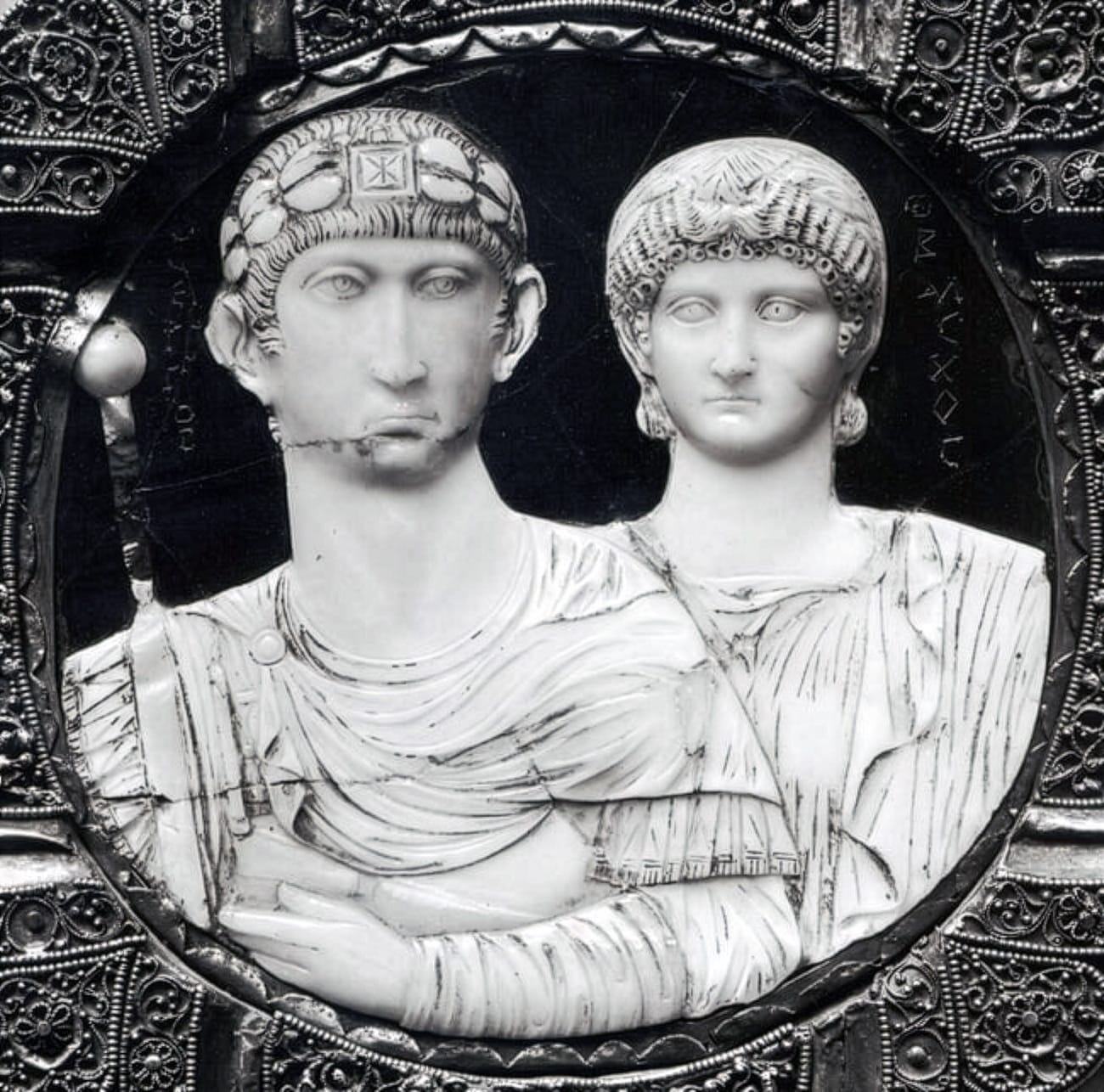
Britain in 410 AD
Many of the archaeological signals linked to Roman Britain’s ending began appearing well before 410. Such include declines in commerce, coin-use, Roman-style building work, town-and villa-occupancy and manufacturing.
These might better be considered internal changes, however, rather than indications of closure. While almost all southern forts were abandoned post-410, we know that some were unoccupied decades earlier, weakening arguments for sudden change. Northern army units remained, too, undermining 410’s relevance in their localities.
What did end in around the year 410 was direct imperial government, taxation and protection. Even so, all sides must have expected that Roman rule would resume, as it always had. Until such time, the Empire retained considerable influence across the Channel, which locals clearly accepted.
That Christianity spread is significant and reflects British engagement with what was primarily an imperial religion. British clerics confronted by heresy late in the 420s naturally asked their neighbours in Gaul to assist. The result was a preaching tour by two bishops. Britons also gave critical support to the papal initiative to convert Ireland, carrying that through successfully.
Faced by fresh barbarian intrusions, British leaders petitioned the Roman general, Aëtius, for assistance, between 446 and 454 (though none arrived). A scatter of brooches, belt-buckles, and the like, imply a British elite still committed to Roman-style dress as late as c. 470.
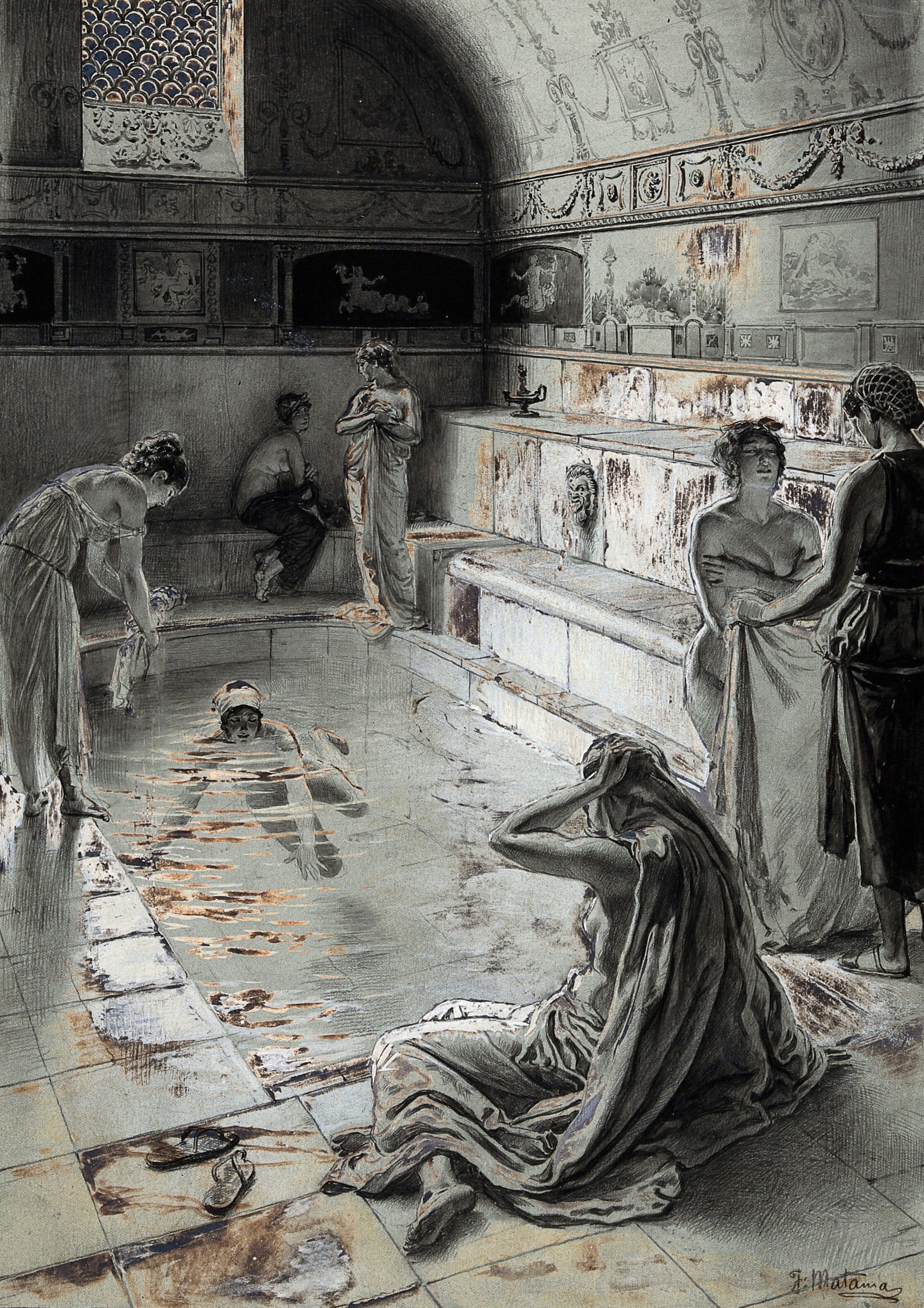
Although most Britons spoke Celtic (as they had throughout the Roman period), the careers of Pelagius, Faustus, Patrick and Gildas reveal that Latin remained the language of elite discourse, as well as the Church, into the sixth century.
Indeed, far more written, British Latin survives from the post-Roman than the Roman periods. Roman-style education likewise remained accessible to wealthier families throughout the fifth century and into the sixth, as Gildas’s letters reveal.
When, midway through the fifth century, competition broke out to rule Britain independently from Rome, Gildas’s recognition of the war-leader, Ambrosius Aurelianus, as a Roman reveals at least influential family still present in western Britain in the later fifth and sixth centuries which was keen to recall they had Continental roots. Even Patrick, engaged in Christianising the Irish, had visiting Gaul on his bucket-list.
When a British ruler did eventually emerge, he hired barbarian mercenaries, stationed them to guard the east coast and supplied them via land taxes, all characteristically Roman strategies.
It is evidenced much later, admittedly, but his genealogy suggests his was a Christian family which habitually used Roman personal-names and had links to Gloucester, a Roman colonia.
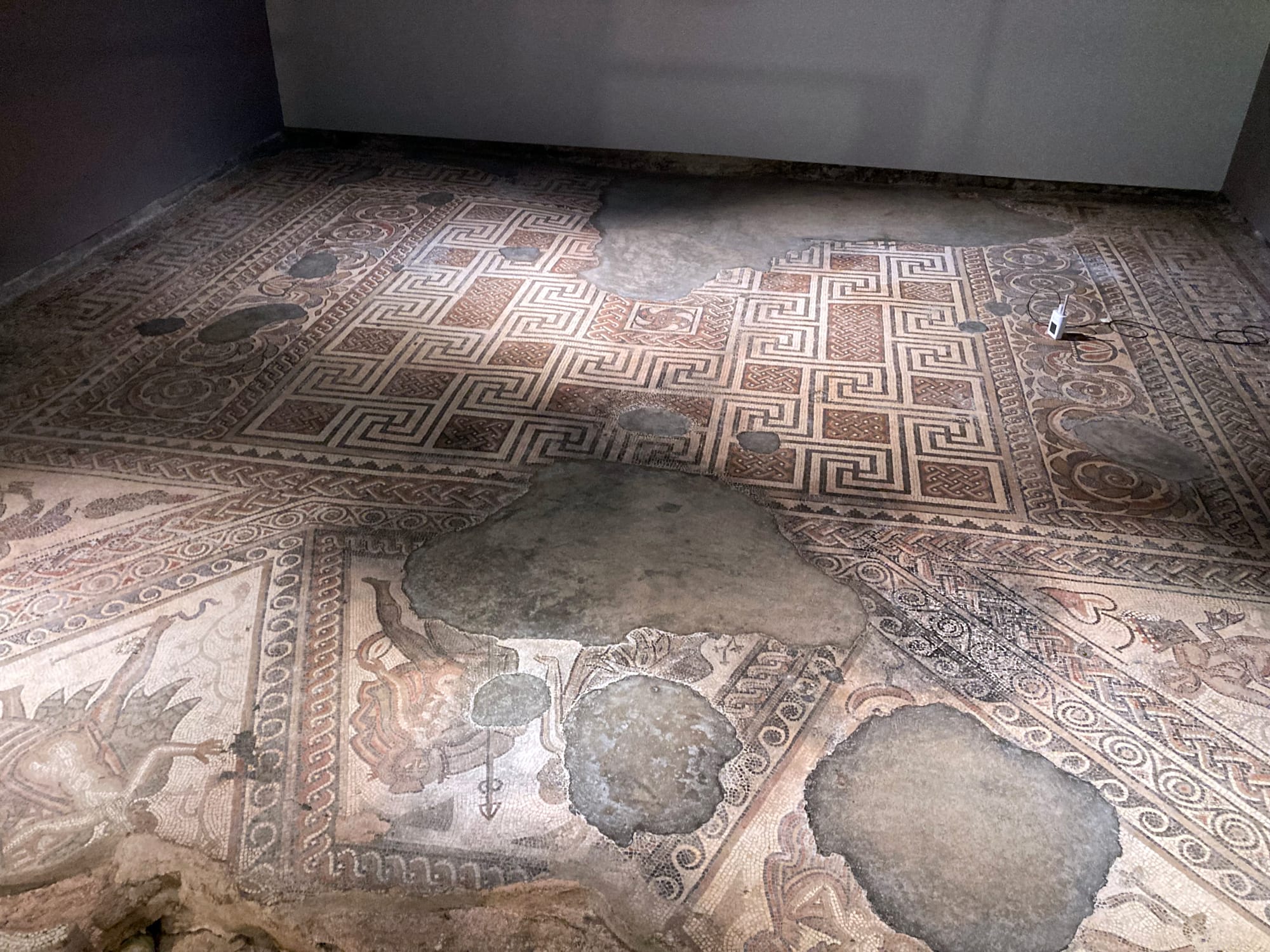
Gloucester lay within a wealthy, agricultural region, where villas remained in use comparatively late: witness the elaborate mosaic recently excavated at Chedworth, which was lain no earlier than the second quarter of the fifth century.
What emerges from all this is just how Roman Britons remained through the fifth century. The Empire never abandoned its claim to Britain, as is made clear from Belisarius’s offer, in the sixth century, to the Goths, to swap Britain (which he did not control) for Sicily (which they did). Therefore Roman authority was not over in 410 from the Continental perspective. It was just in abeyance.
A distinct identity
Even during the long centuries of Roman rule, Britain had exhibited marked differences to the Continent. This involved retention of the Celtic languages, of course, but their identity as a separate people also proved comparatively robust, despite Romanisation.
Gildas, the sixth century monk, for instance, identified as British, not Roman. His writings told the story of a sinful people whom he modelled on the Old-Testament Israelites, whom God was punishing in expectation of their returning to Him.
Gildas envisaged various means of correction. But in his view the Lord’s principal weapon was foreign attacks and domination, initially by Scots and Picts, then Saxons. By the time Gildas was born, Germanic incomers were settling much of lowland Britain, as archaeology confirms, but many Britons remained, despite the incomers.
Christianity in Britain
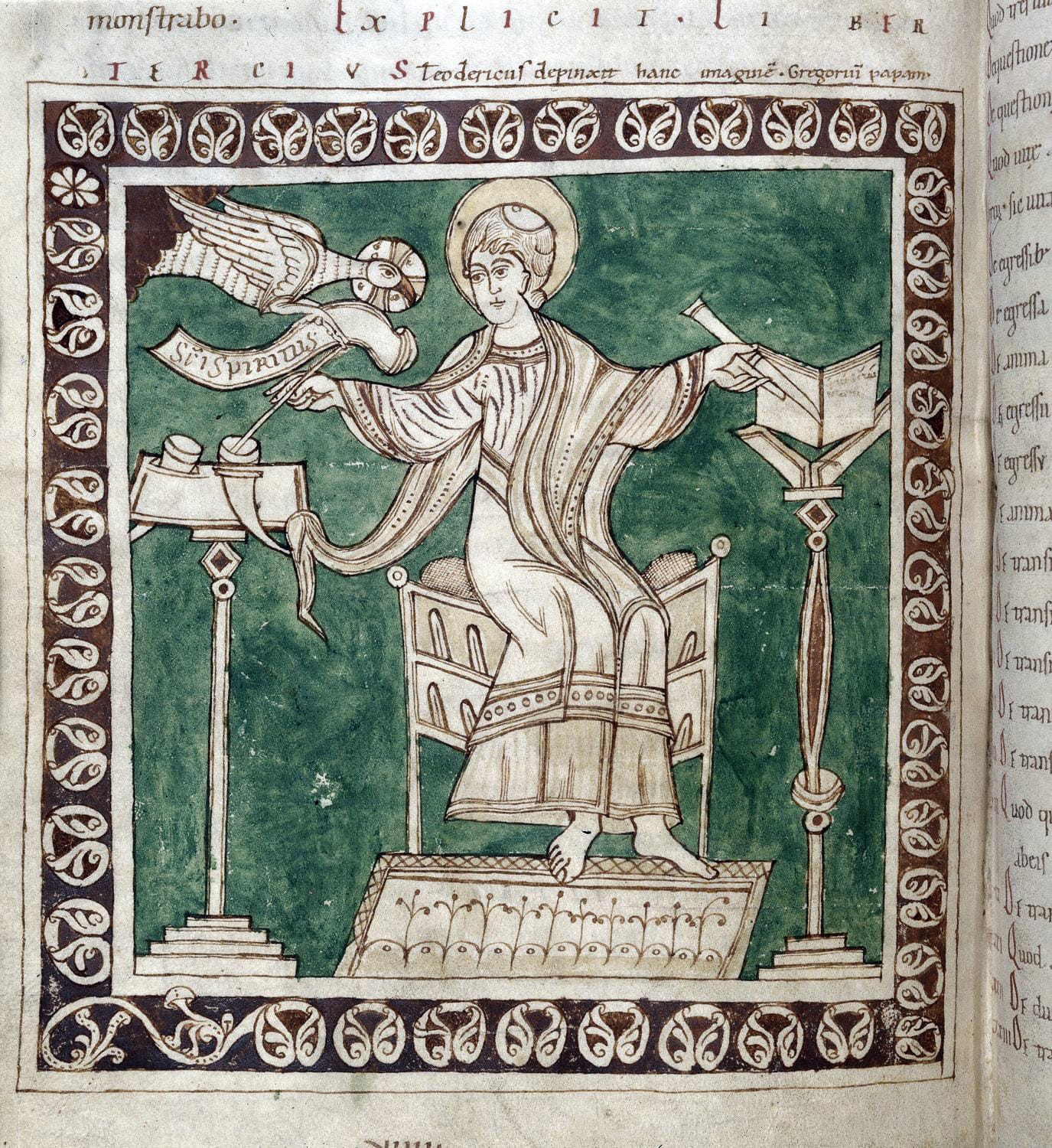
What the British clergy do not seem to have attempted during these years was to baptise the English, whose expulsion they still believed God would one day sanction. Continental Christians, however, did take on that role, initiated by Pope Gregory’s mission to Canterbury, beginning in the year 597.
Once the English were both converted and brought within Canterbury’s remit, Theodore of Tarsus's nomination as bishop by the pope sparked a widespread suppression of divergent forms of Christianity. Both British and Scottish strains of the religion were suppressed and indigenous cults and religious communities cancelled.
Whereas Britons and Romans had previously considered each other fellow Christians, a conversion undertaken from the Continent now rendered the English Roman and Christian.
In the process Britons were stigmatised as barbarians and, worse, they were now considered heretics, on account of their old-fashioned dating of Easter as much as their rejection of Rome’s ecclesiastical authority. In consequence, lowland Britons abandoned British-ness, and with it their distinctive language.
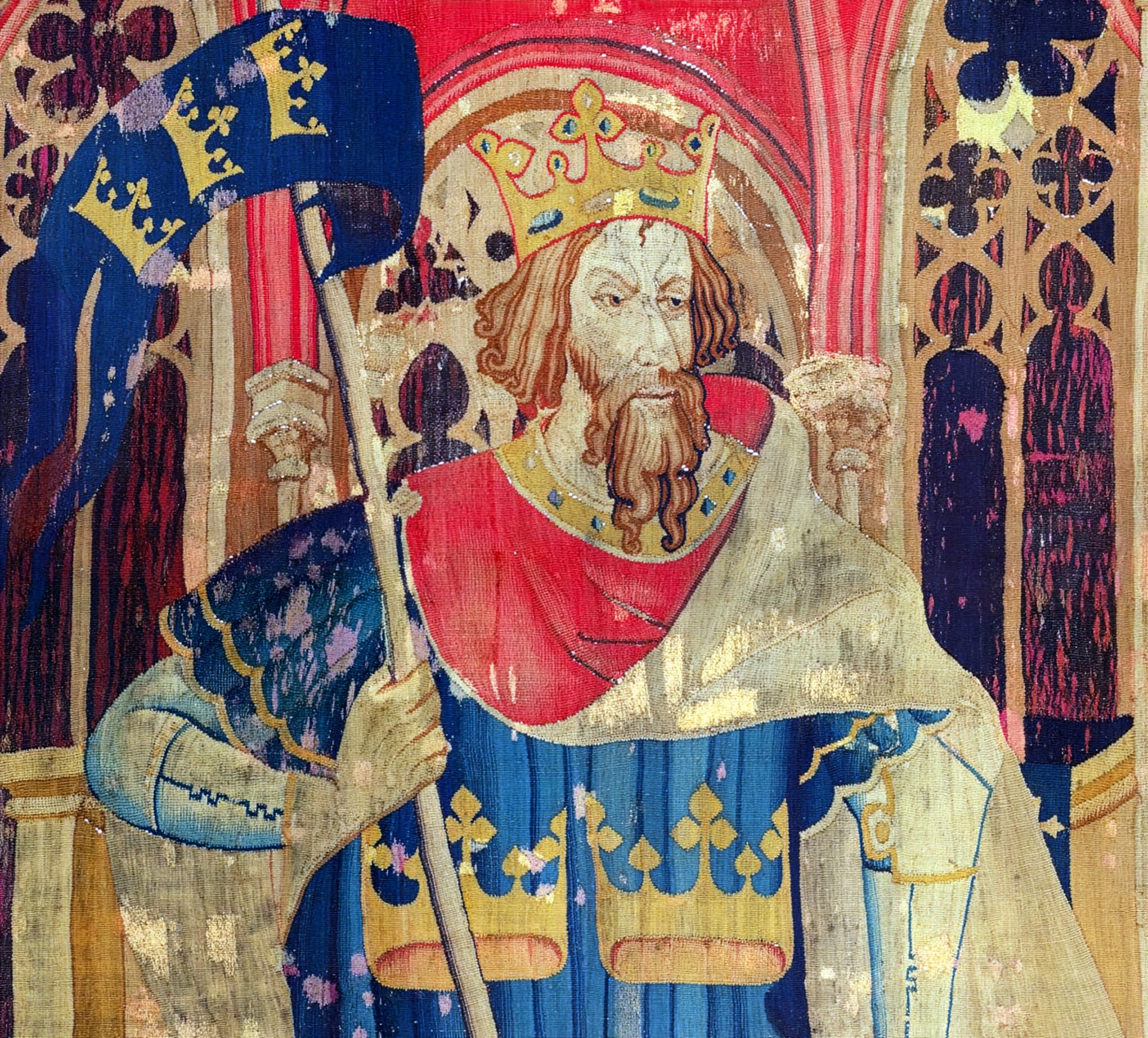
King Arthur: A Briton and a Roman
While British cultural, religious and political identities did survive these setbacks, the old societies were now largely confined to the western fringes of the old imperial regions, from Glasgow to Cornwall, and Brittany.
It was in this reduced state, amid military pressure from leaders like King Offa of Mercia in the eighth century, that people began to reconsider British history anew. Soon afterwards, in the 820s, a work known as Historia Brittonum or the 'History of the Britons' appeared.
This connected the British people with the story of Rome’s foundation legends. Additionally the author (the work is commonly attributed to a Welsh monk called 'Nennius') challenged Gildas’s old assumption that Britons were cowardly. Instead he portrayed them as a heroic people who confronted invaders – with King Arthur the greatest example.
This weaving together of Britons and Romans might have remained a little known story were it not for the events of 1066. But it was in the Norman's interest to minimise English achievements. In the years after the conquest they sought to present themselves as heirs to anti-English, British/Roman stories regarding these lands.
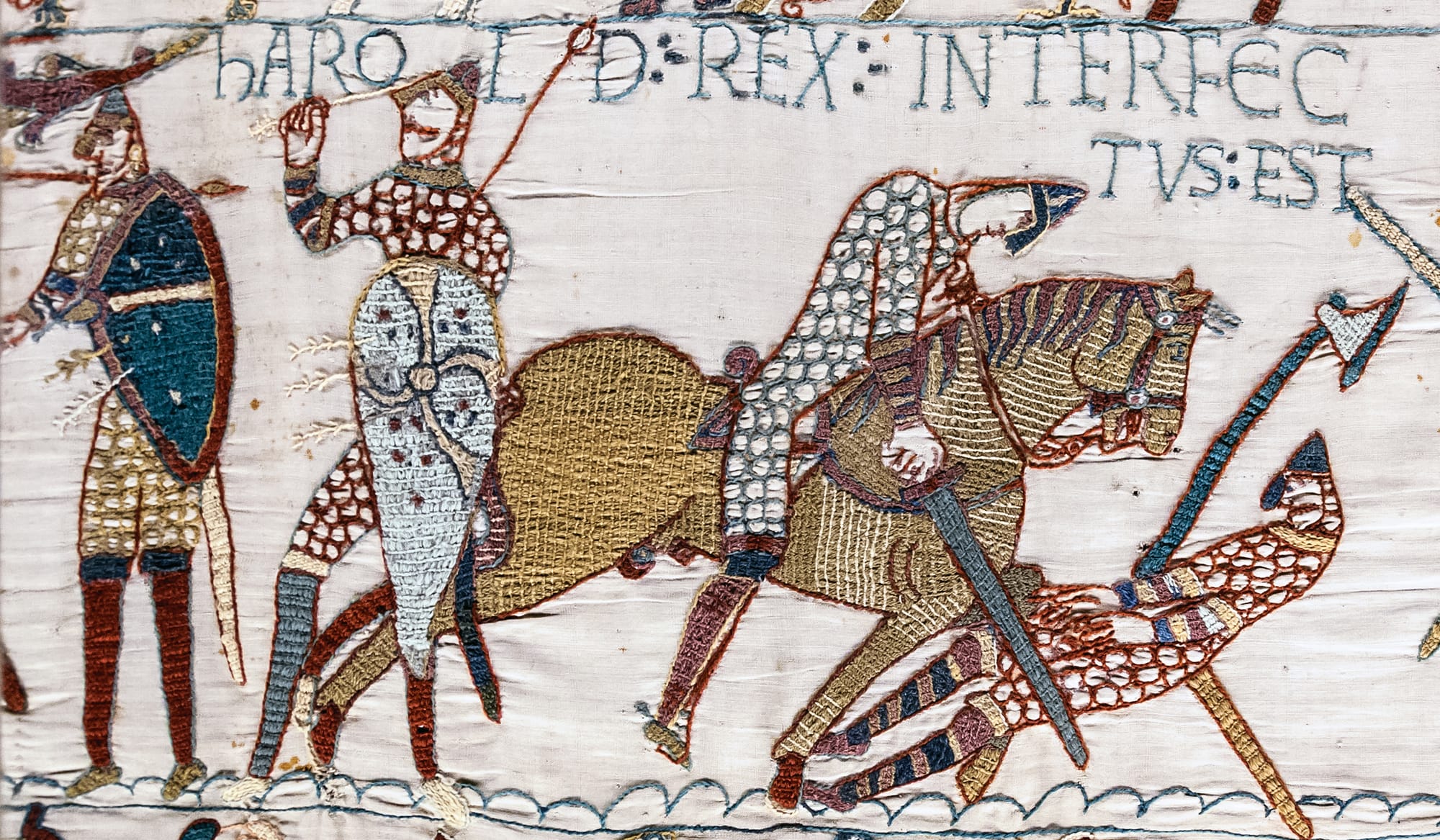
Geoffrey of Monmouth’s early-twelfth-century History of the Kings of Britain elaborated this core material. His work proved extraordinarily popular, spawning an entire genre of Brut literature, initially mostly in French, from which emerged such characters as King Lear, better known today from Shakespeare’s play.
But King Arthur was the character Geoffrey developed furthest, triggering his emergence as a literary figure in his own right, featuring particularly strongly within chivalric story-telling. It is from this base that he later emerged as the most contested figure of insular history.
Of course, modern films and books centred on Arthur are far-distant from Roman Britain. It may, though, be worth remembering his genesis came in The Historia Brittonum – a work designed to draw the Britons closer to ancient Rome.
Some recent versions of his story imagine him as a Roman soldier, connected in some sense with the Lucius Artorius Castus who was commemorated in stone on the Croatian coast during the Roman period.
A spurious connection, admittedly, but this modern representation of Arthur’s story does have some capacity to return us, full circle, to Roman Britain and the problems inherent in its ending •
Nicholas J. Higham is professor emeritus of history at the University of Manchester. His many works include Ecgfrith: King of the Northumbrians, High-King of Britain; King Arthur: Myth-Making and History; and The Anglo-Saxon World.
How England Began: From Roman Britain to the Anglo-Saxons
Yale University Press, 17 March 2026
RRP: £20.55 | 368 pages | ISBN: 978-0300254921
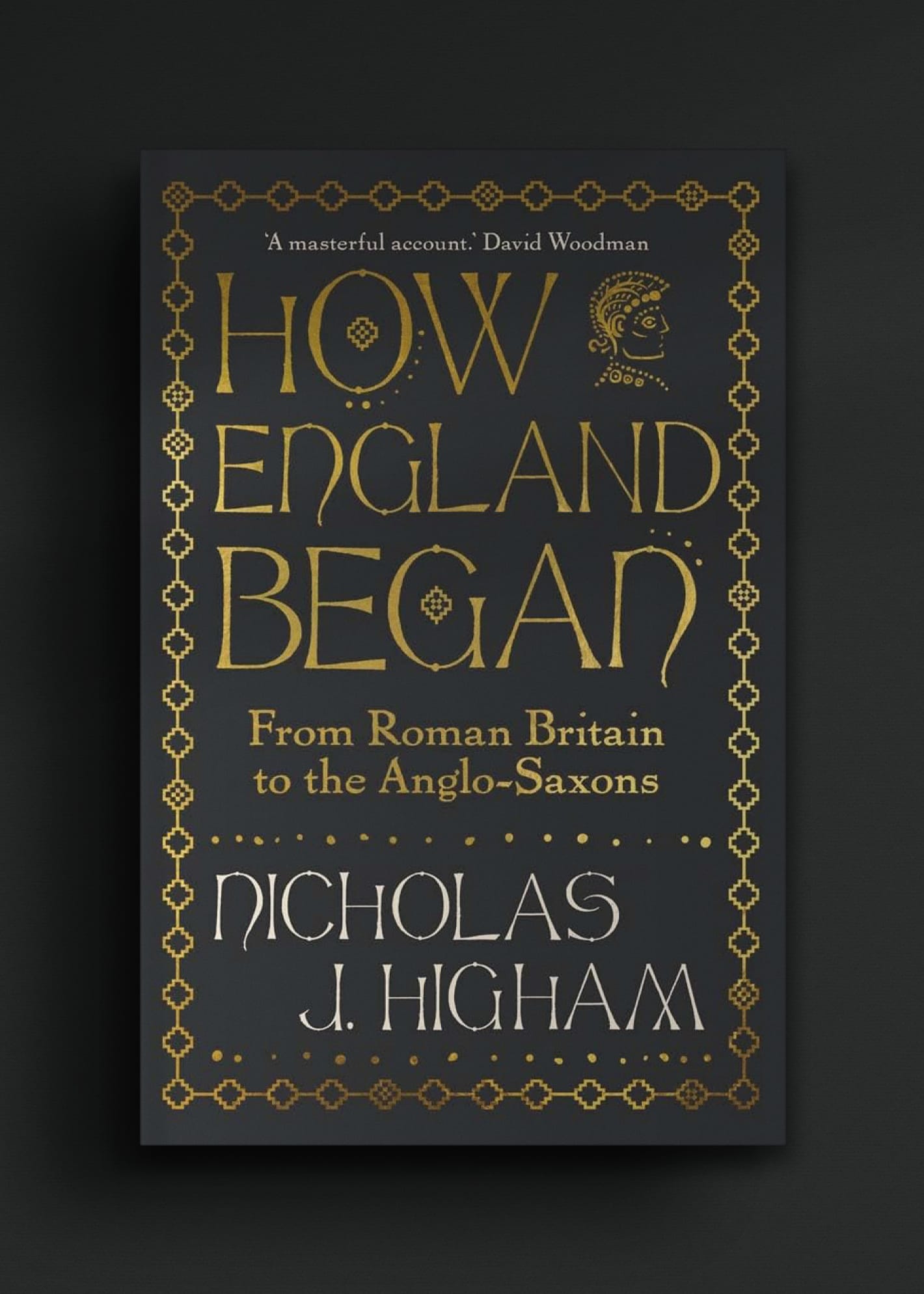
An engaging, wide-ranging exploration of the end of Roman Britain and the beginnings of England
In 410 CE, Roman rule of Britain collapsed, bringing a centuries-long occupation to an end. A century later, Britain was divided into two areas with contrasting cultures, an expansive “Anglo-Saxon” south and east, and a shrinking Celtic west and north. How did this transition happen? And why did the customs of the Germanic incomers prevail in England, unlike elsewhere in Europe?
In this deeply researched account, Nicholas J. Higham addresses these difficult questions head on. Higham draws on archaeological evidence and contemporary literature, including the writings of Gildas, to reconsider the accepted narrative. We see anew the importance of culture, warfare, and language—as the arrival, spread, and dominance of incomers irrevocably changed the country.
This period marked the beginnings of Englishness, and of such insular identities as Welsh and Cornish. Offering surprising new insights, Higham provides a penetrating account of how, as Roman Britain ended, Anglo-Saxon England emerged.
With thanks to Sally Oliphant.
📸 Dive into our Features
🎤 Read Interviews
🎧 Listen to Podcasts
🖼️ Buy fine art prints & more at our Store


