
A Year of Great Peril for the Tudors
In 1497 Henry VII faced multiple threats to his throne. That summer his survival, and that of the House of Tudor, seemed very much in question.


The House of Tudor is the most famous of all England’s royal dynasties. Between 1485 and 1603 they held power, through years of glamour and drama, expansion and threat.
Protecting their crown was a constant challenge for the Tudor monarchs. One of the most testing years they experienced came very shortly after King Henry VII seized the throne at the Battle of Bosworth.
In 1497, confronted by threats on all sides, the first of the Tudors needed all his tenacity to survive.
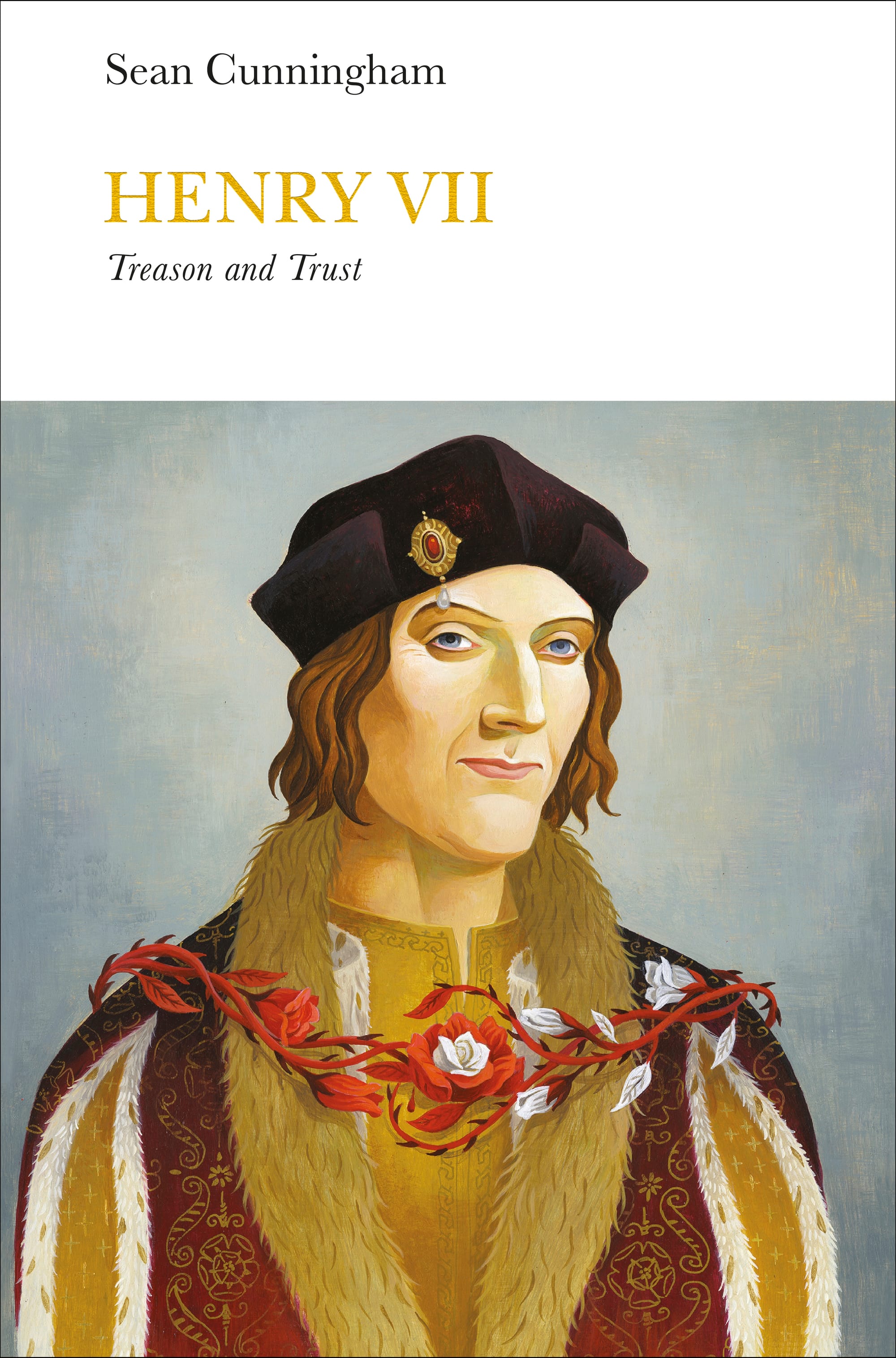
This article accompanies the Travels Through Time podcast episode with Sean Cunningham, the author of Henry VII: Treason and Trust.
Words by Peter Moore

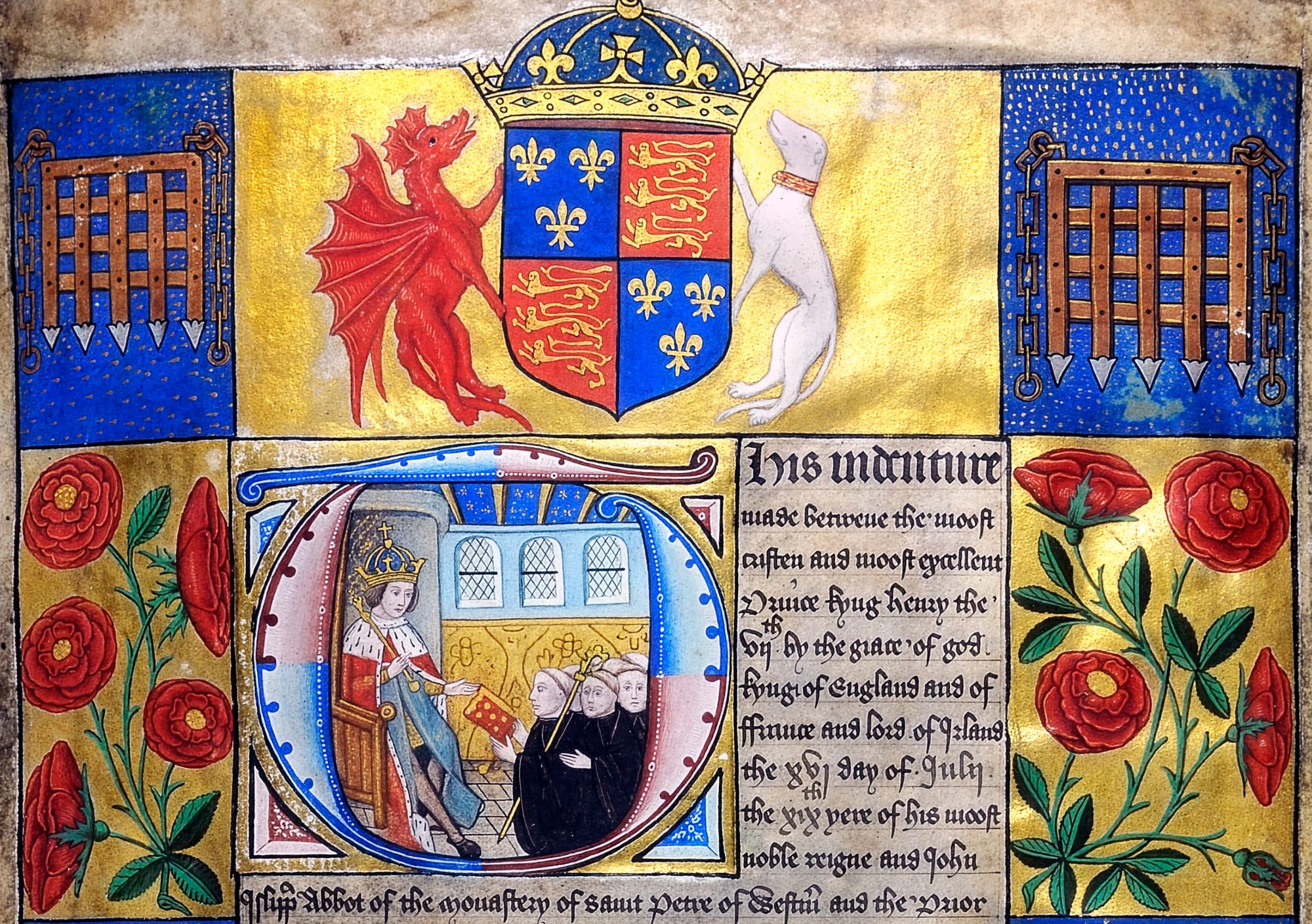
King Henry VII
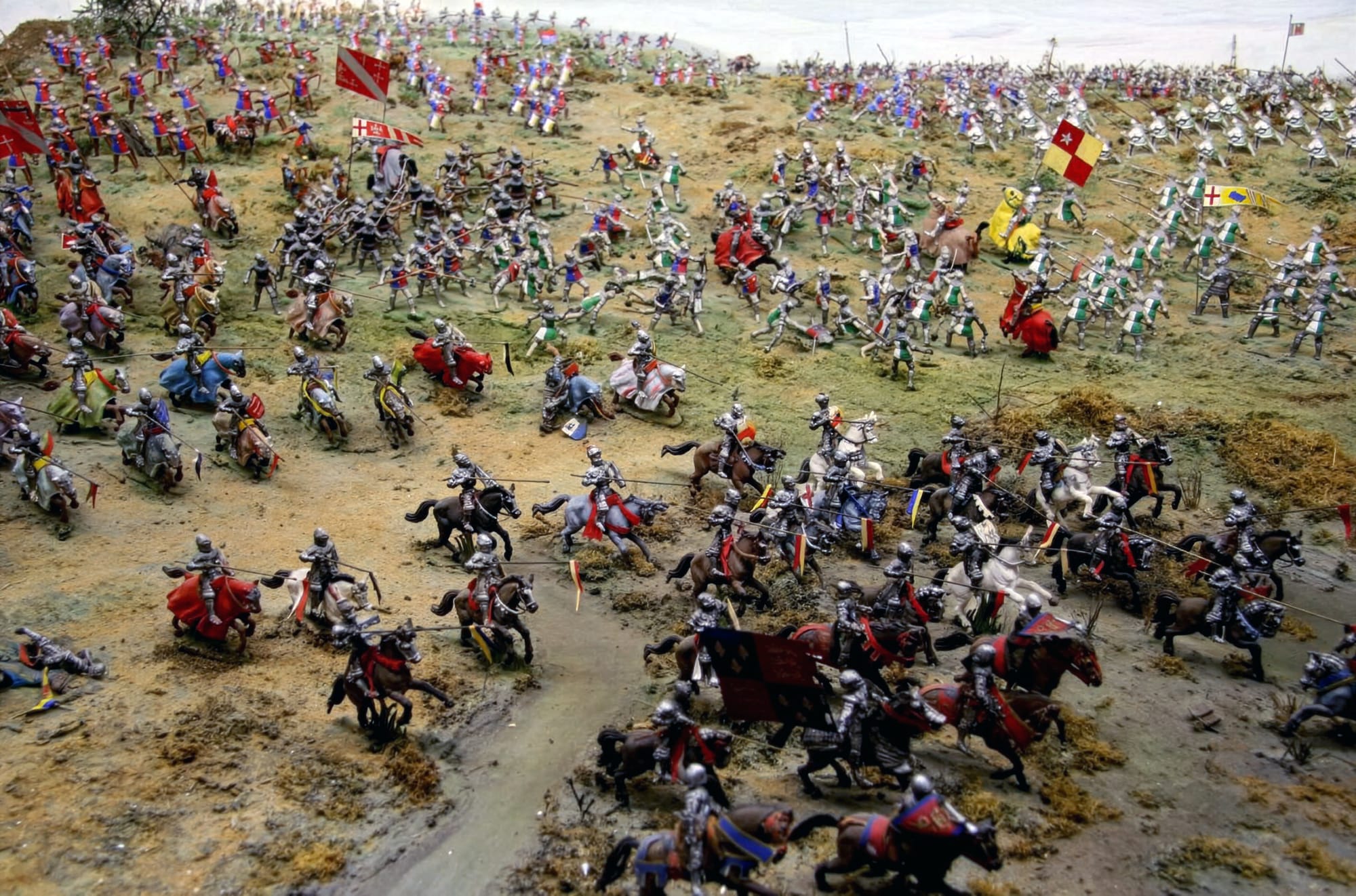
A decisive moment in English history came on 22 August 1485. On that day, in a sloping field near the Leicestershire town of Market Bosworth, the Yorkists and Lancastrians – the two factions who had fought each other during the Wars of the Roses – confronted one another in one of the great battles in the country's history.
The greater of the two armies belonged to King Richard III, a figure derided as 'the usurper' by his enemies. The other was led by his challenger, Henry Tudor, a middle-ranking Welsh nobleman who had spent years in exile in Brittany.
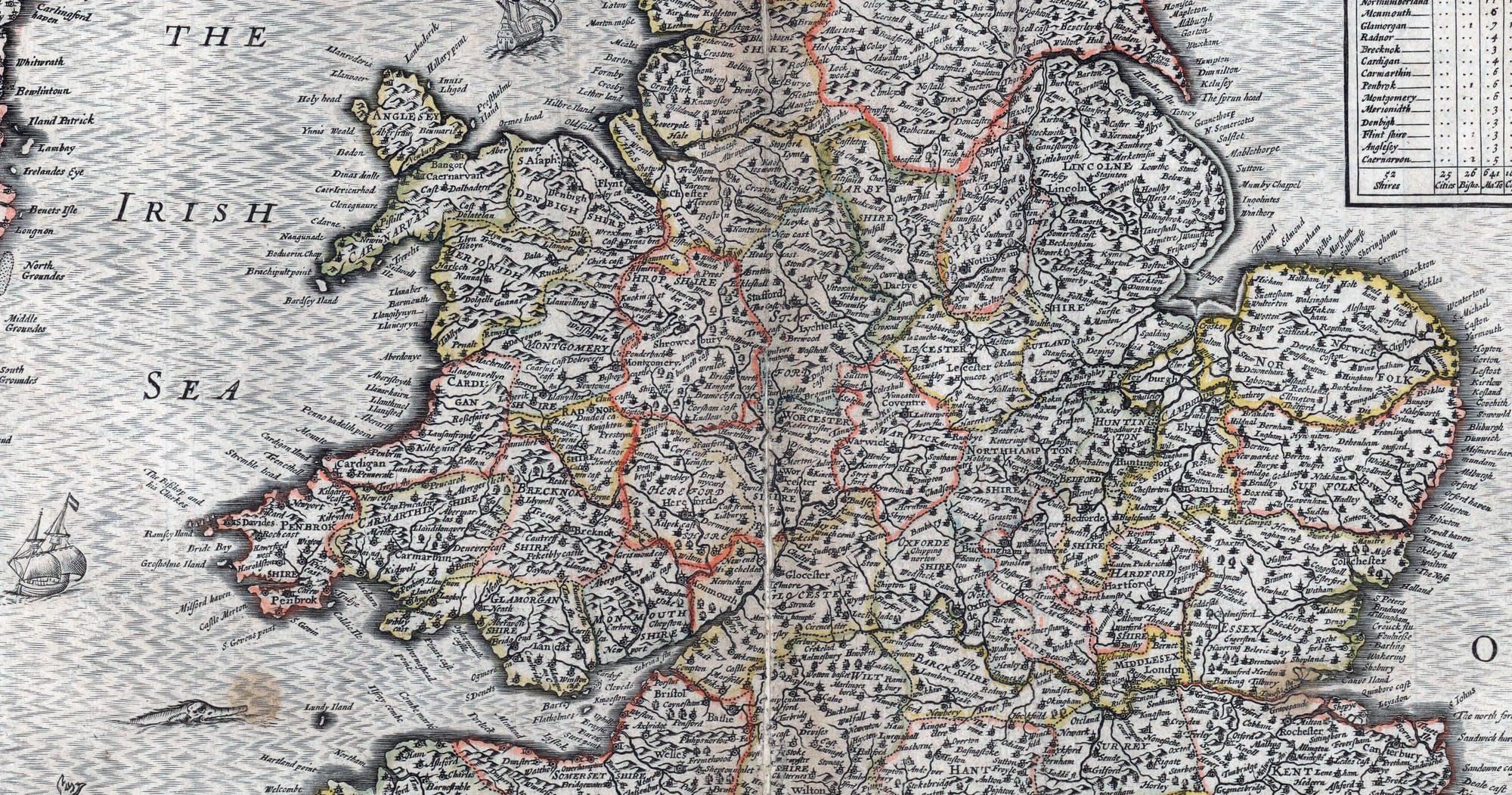
It was three weeks since Henry had landed in south Wales with a small force of loyalists. In the three weeks since he had led his army through mid-Wales, to Shrewsbury and across the Midlands to Market Bosworth.
The result of the battle was surprising. Richard was aggressive, impatient to grasp control of the field. But, having overcommitted himself, his position grew calamitous when soldiers belonging to William Stanley joined Henry.
Shortly afterwards the last Plantagenet king fell. His place was immediately taken by Henry who was crowned among the mass of dead and wounded bodies. Out of the blood-soaked battlefield came a new royal house: the Tudors.
The Pretenders
A powerful narrative in English history is that the Tudors brought stability and prosperity to a nation that had long been torn apart by the Wars of the Roses (1455 – 1457). While there is some truth in this, in reality the story is far messier.
In the years after Bosworth King Henry VII, proved himself to be an agile, astute and capable leader. All these skills were necessary because challenges continued to occupy him on all sides. Money was scarce. He detected disloyalty in many leading nobles. On the Continent, meanwhile, Yorkists plots were encouraged by Margaret of Burgundy, a significant member of the displaced faction.
These plots generated a series of figures who became known as 'pretenders'. These were characters of uncertain background who attempted to present themselves as men with superior claims to the English throne than Henry.
The first of these was called Lambert Simnel and he appeared in the first years of Henry VII's reign. He claimed to be the Earl of Warwick – nephew of the Yorkist kings Edward IV and Richard III. Having captured him after the Battle of Stoke in 1487, Henry set Simnel to work in the royal kitchens.
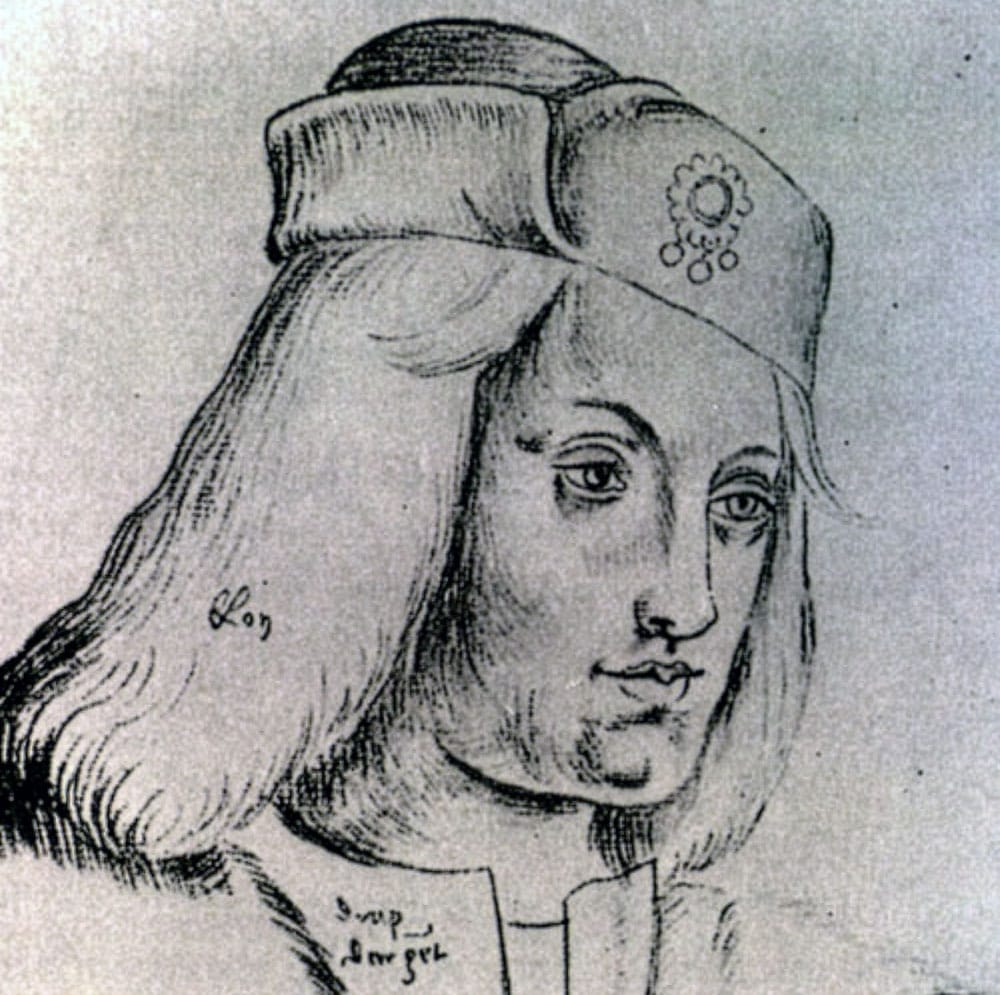
A more stubborn source of opposition came from a man remembered by history as 'Perkin Warbeck'. He appeared out of nowhere in the early 1490s, sensationally claiming to be the younger of the missing ‘Princes in the Tower’.
This Richard, Duke of York. had last been seen in the summer of 1483 before he vanished. But this pretender told a new story about a miraculous escape and about his long life as a fugitive. This was the moment, he said, when he had returned to claim his rightful throne.
For Henry the appearance of Warbeck was a great frustration. In the years since Bosworth he had worked assiduously to consolidate power. He had done so with both tact and cunning. One of his first concerns was to strength his own standing and, to achieve this, he had married Elizabeth of York, the daughter of the Yorkist King Edward IV.
This was an important step but for some it remained insufficient. A haunting view of Henry was one that had once been set down by a French chronicler. This declared that he was a man 'without power, without money, without right to the crown of England, and without any reputation but what his person and deportment obtained for him'.
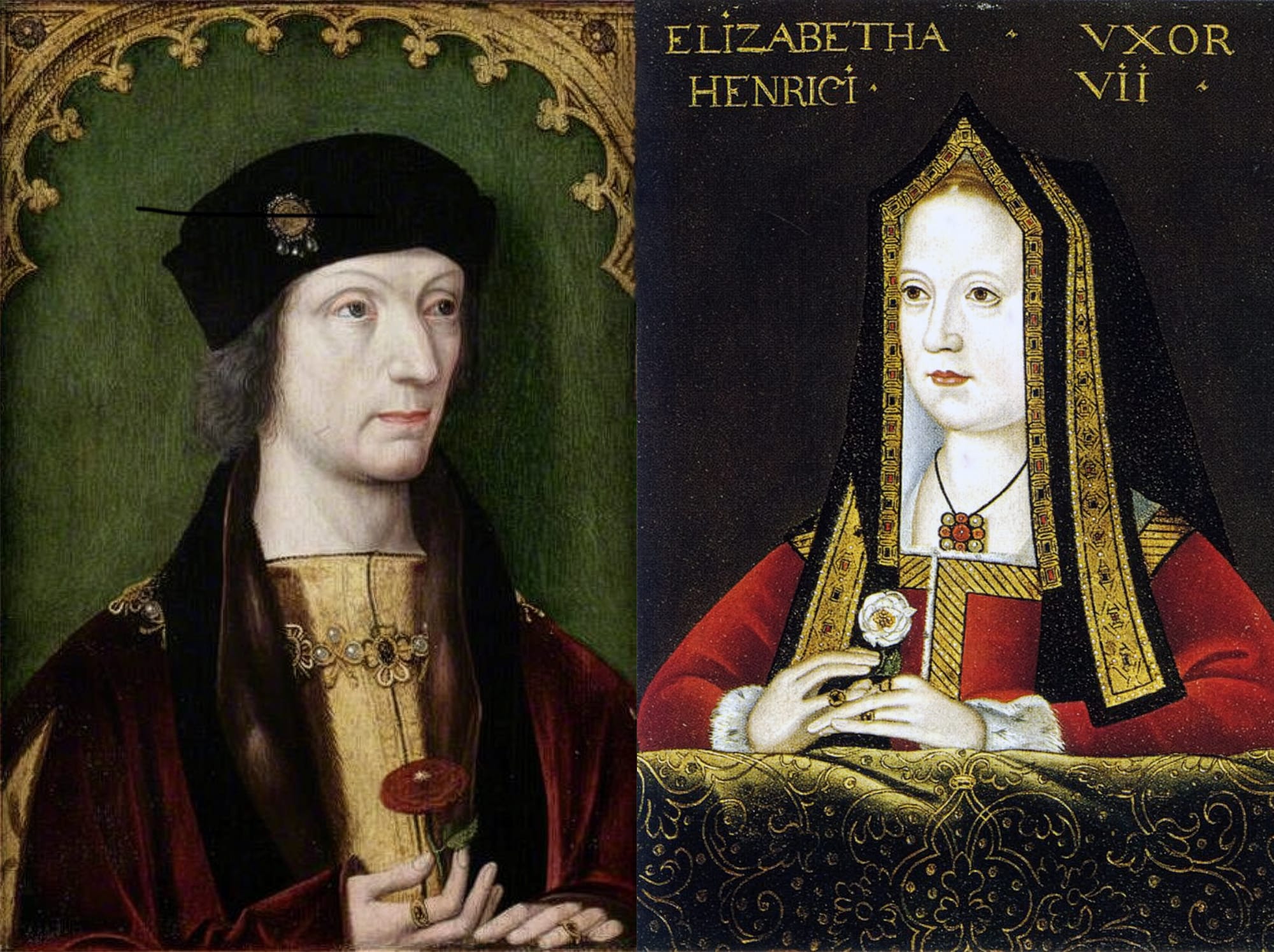
Unable to quash doubts about his claim, Henry watched his enemies closely while he strengthened the foundations of his house. Children were born. First Arthur, in 1486, then Margaret three years later and then Henry in 1491.
Warbeck's appearance at about the same time as Prince Henry's birth, however, ruined any chance of domestic harmony. For the king's enemies, Warbeck offered the ideal excuse to interfere. In October 1494 Warbeck was proclaimed as the true and rightful King of England by Maximilian the Holy Roman Emperor in Antwerp.
All this turned out to be the grounding for the long-promised invasion. In 1495 this was at last attempted. Sailing across the Channel, accompanied by 1,500 Yorkists in the summer, Warbeck sought to do precisely to Henry what Henry had previously done to King Richard.
Luck, however, was not on Warbeck's side. He was challenged when he attempted to land at Deal. Thereafter he fled to Ireland where his forces unsuccessfully laid siege to Waterford. Later he moved to Scotland where he received a more congenial reception. Looking at Warbeck/Richard in Edinburgh, King James IV decided that he was a very useful man indeed.
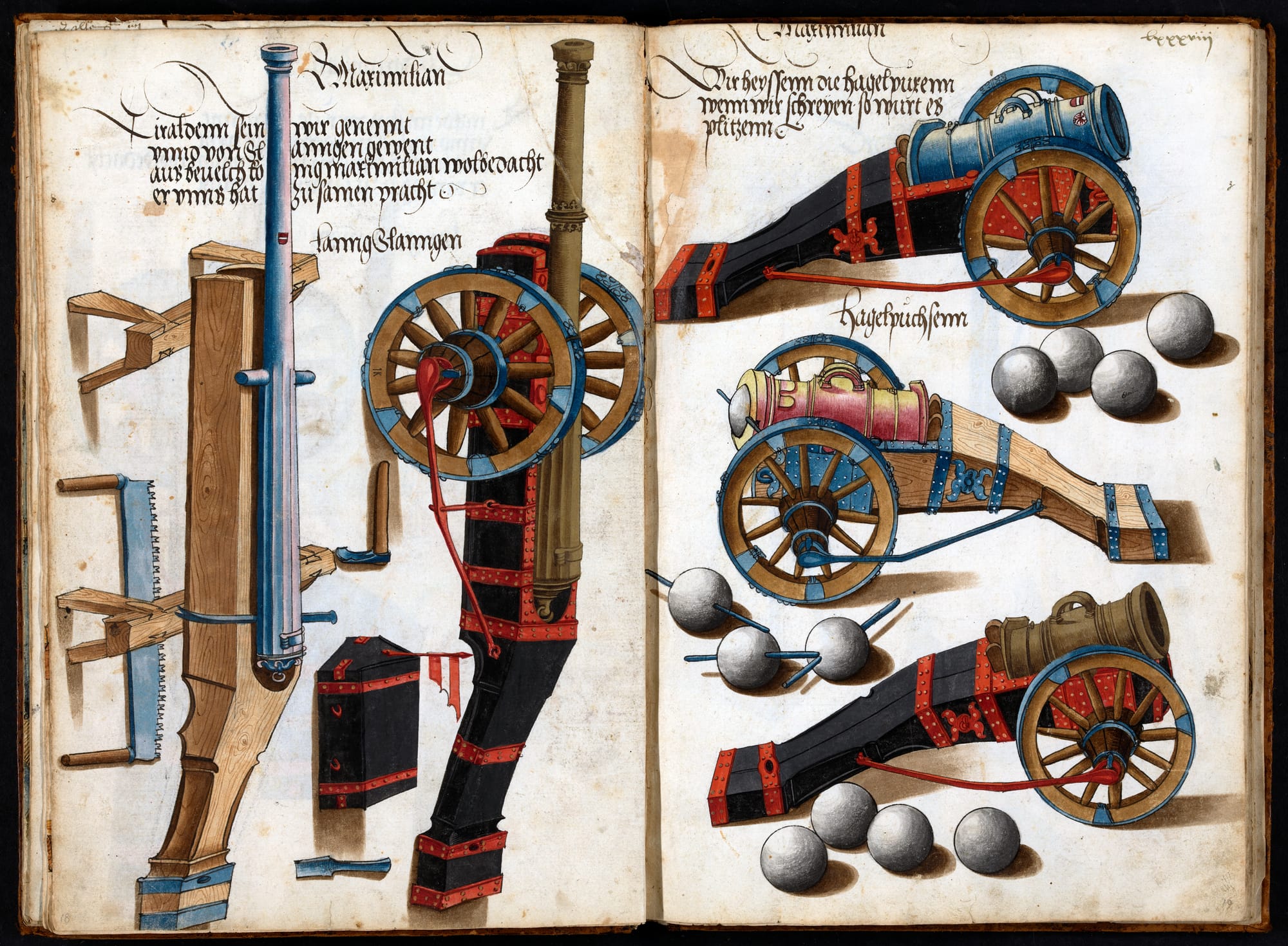
Over the months that followed there was an ominous sense that confrontation was imminent between the kings of England and Scotland. In the borderlands – long a dangerous region for Henry – artillery pieces were seen being hauled along the roads. Heaton Castle in Northumberland was destroyed in 1496.
1497: A Perilous Year
Sean Cunningham, Head of Medieval Records at the National Archives and the author of a new short study of Henry VII's quarter century reign, has pinpointed 1497 as a crucial year in Tudor history. It was 'a year of near-disasters and triumphs'.
This year began, for Henry, in determined style as he set about establishing an army that he would send north to Scotland. Henry's force, Cunningham writes, ‘drew on all ranks of society' and included mercenary specialists from Germany who were adept in the new methods of war.
Command of this army was given to Thomas Howard, the Earl of Surrey, of one those nobles who had previously supported Richard III. Surrey had spent much of the 1490s building support for the king in the north, but to trust him with an army was still something of a risk.
As Surrey's campaign in the north got underway, however, a grave threat arose from an entirely different direction. Cornwall was far from Scotland and its people resented the war taxes Henry had demanded of them.
By the spring the region was in active revolt against the king and by June messages were reaching Henry about an approaching army of Cornish rebels – one that was gaining support from Devon and Somerset on its march towards London.
Henry, who had spent the early part of the year anticipating a battle in Scotland, now confronted the prospect of one outside his own capital city. On 17 June the king's army took the field at Blackhead against the West Country rebels.
It was a mismatch. Henry's forces were more than twice the size of their opponents. They were better armed and drilled and, in consequence, the rebels were soundly beaten.
There were moments, however, when this unexpected rising struck terror into Henry's court. The core of the rebels may have been blacksmiths and tin miners, but other more prominent figures had joined during the march towards London – among them Baron Audley who was captured on the battlefield and executed soon after.
Meanwhile, in the north, a curious affair played out. Having reached the Scottish border near Berwick in August, Surrey's army had closed to a few miles of the one belonging to King James IV.
But instead of the expected battle, the course of events was knocked off course when the Scottish king issued a personal challenge to Surrey to a fight in single combat. Surrey dismissed this remarkable challenge, explaining that he had no authority to take such a step.
After this the expectation of a battle diminished as it suited neither side. Instead negotiations began that ripened into an agreement, the Treaty of Ayton, a pact that declared a seven year truce between England and Scotland. The battle that was very nearly fought near Berwick was postponed for a generation – it would finally be contested in 1513 on the fields of Flodden.
The adventures of Surrey's army of the north may have finished with the Treaty of Ayton, but for Perkin Warbeck there was more action to come. Hearing about the Cornish Rebellion, he darted south from Scotland that summer, hoping to join the rebels in their triumphant march.
As it had been in 1495, the Pretender's luck was poor. The rebels had been defeated at Blackheath by the time he reached the south coast of England. It was not long before Warbeck himself had been captured by forces loyal to the king.
The much-anticipated meeting between Henry and Warbeck took place at Taunton Castle in October 1497. It was, as Cunningham explains in this episode of Travels Through Time, an extraordinary encounter in English history. After so many years of chasing, Henry finally had his prey.
Henry VII was a difficult character to predict. On this occasion he showed a streak of magnanimity. With the threats of the summer now safely behind him, he was able to spare Warbeck a traitor's death. Instead he was taken into captivity while he sought to tease out the truth of his story.
With James IV pacified and Warbeck in custody, Henry and his family drifted back to Sheen Palace near London where he wanted to see out this perilous year quietly. But, as Cunningham explains, events would intervene once again.
On 23 December a great fire engulfed the royal palace. Many official papers were lost, Margaret Beaufort and Queen Elizabeth only narrowly escaped the flames while it was left to the quick thinking of the nursery staff to save the young royal children.
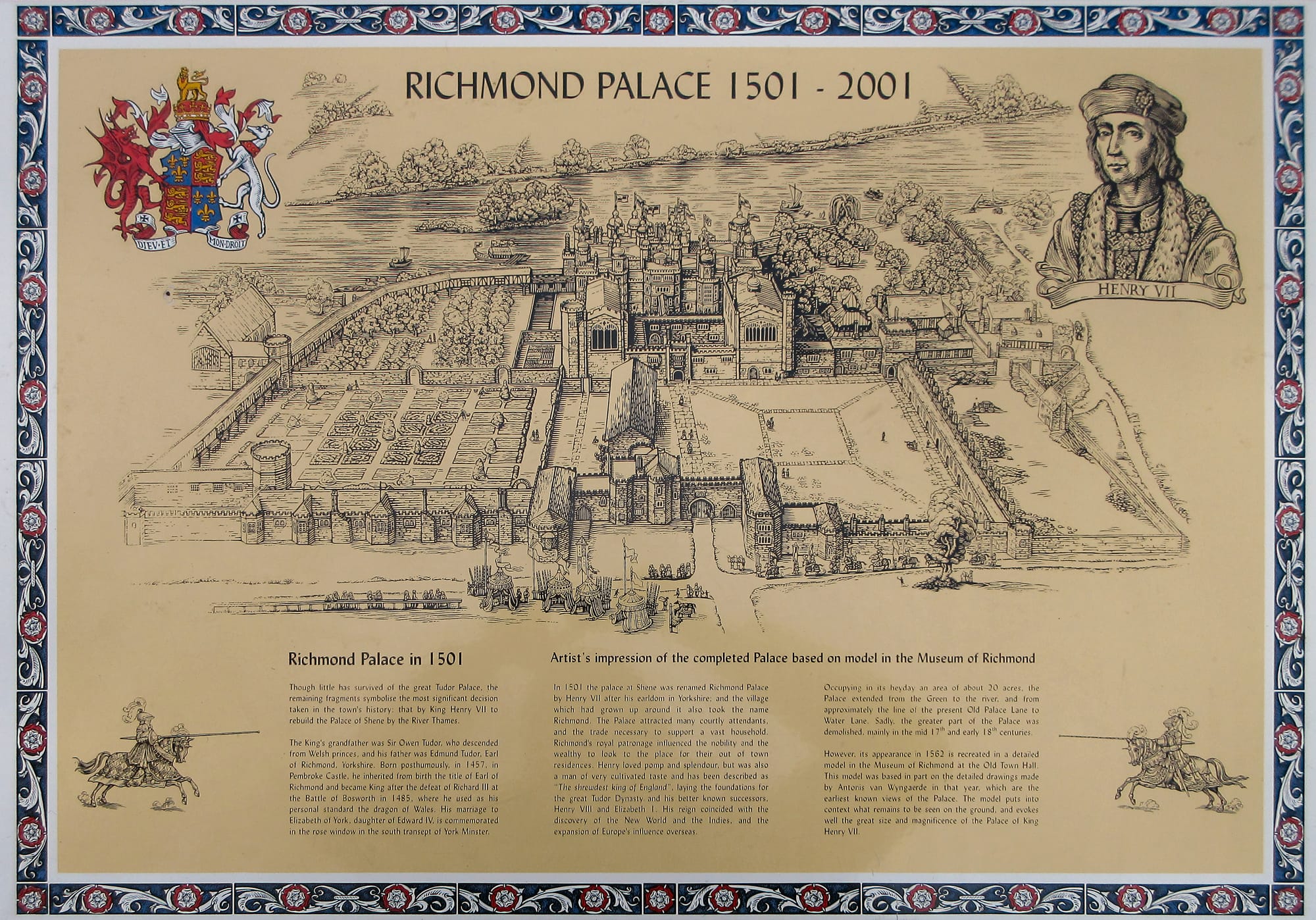
Henry's response to this calamity was once again revealing. With many treasures, books and furnishings lost, but his children safe, he decided the time was ripe to build a new palace from the ashes of the old one.
In the years that followed, that great monument to Tudor power, Richmond Palace, would rise – another part of the foundations for the House of Tudor •
Sean Cunningham: King Henry VII and a Year of Peril (1497)
Show Notes
Scene One: August 1497 (00:23:37)
King James IV of Scotland challenges the Earl of Surrey to single combat.
Scene Two: October 1497 (00:35:02)
Henry VII interviews Perkin Warbeck in Taunton Castle.
Scene Three: December 1497 (00:48:43)
A fire breaks out at Sheen Castle
Memento:
The original manuscript of Perkin Warbeck's confession.

Sean Cunningham is a Principal Records Specialist at the National Archives. A Fellow of the Royal Historical Society, he has published widely on late medieval and early Tudor England. His books include, most recently, a historical biography of Henry VII.
📸 Dive into our Features
🎤 Read Interviews
🎧 Listen to Podcasts
🖼️ Buy fine art prints & more at our Store


.jpg)

.jpg?ref=unseenhistories.com)


