
What is a Blockade – and Do They Work?
As President Trump announces his blockade of the Strait of Hormuz, we glance back at the history of this military tactic


The US Navy's blockade of the Strait of Hormuz has brought an old military tactic back into the news. For Britons in the early nineteenth century, during the wars against Napoleon, they were very familiar indeed.
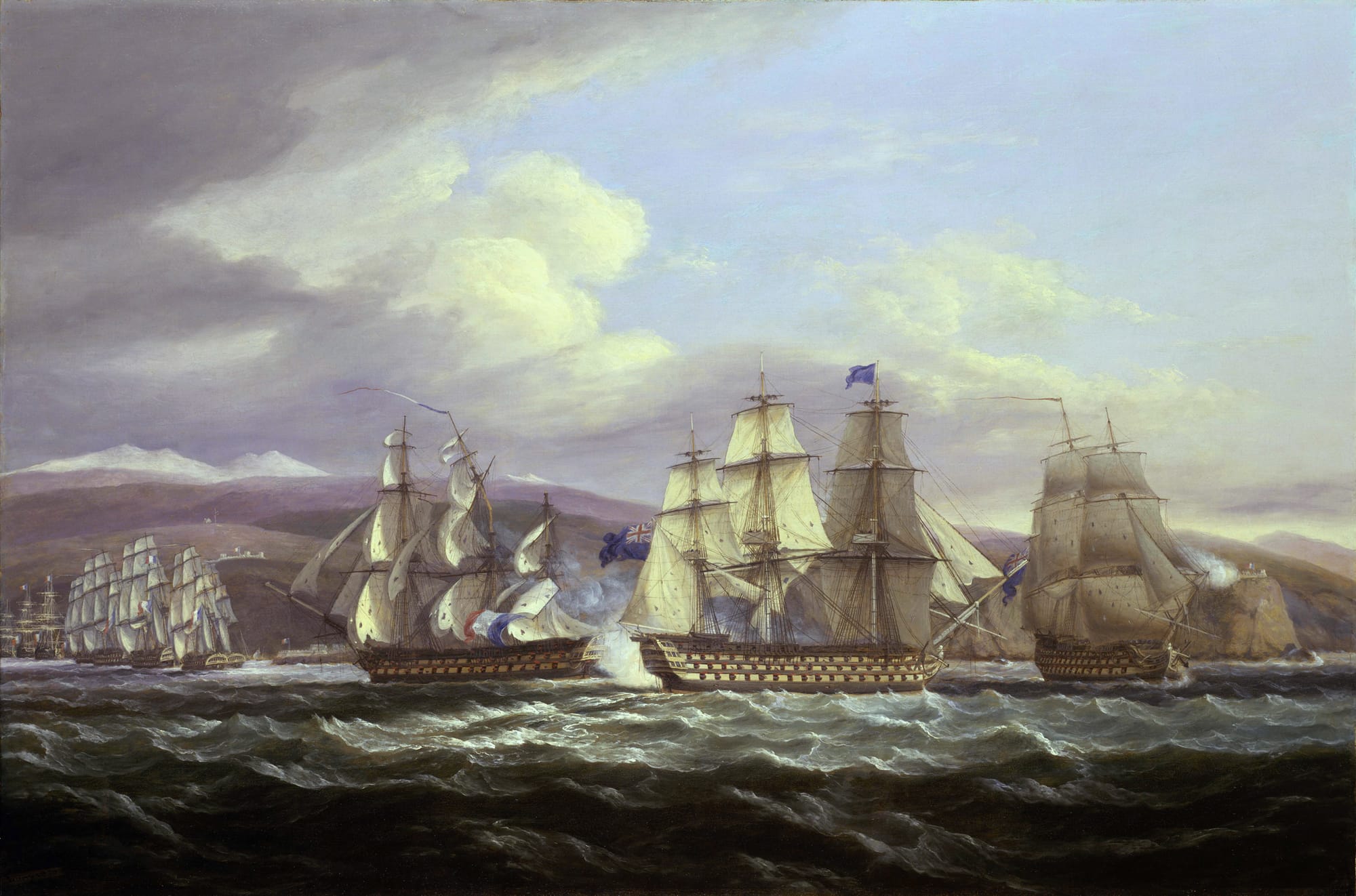
While potentially effective, blockades were difficult to maintain. The image above shows a confrontation during the Blockade of Toulon in 1813, a typical episode of its time.

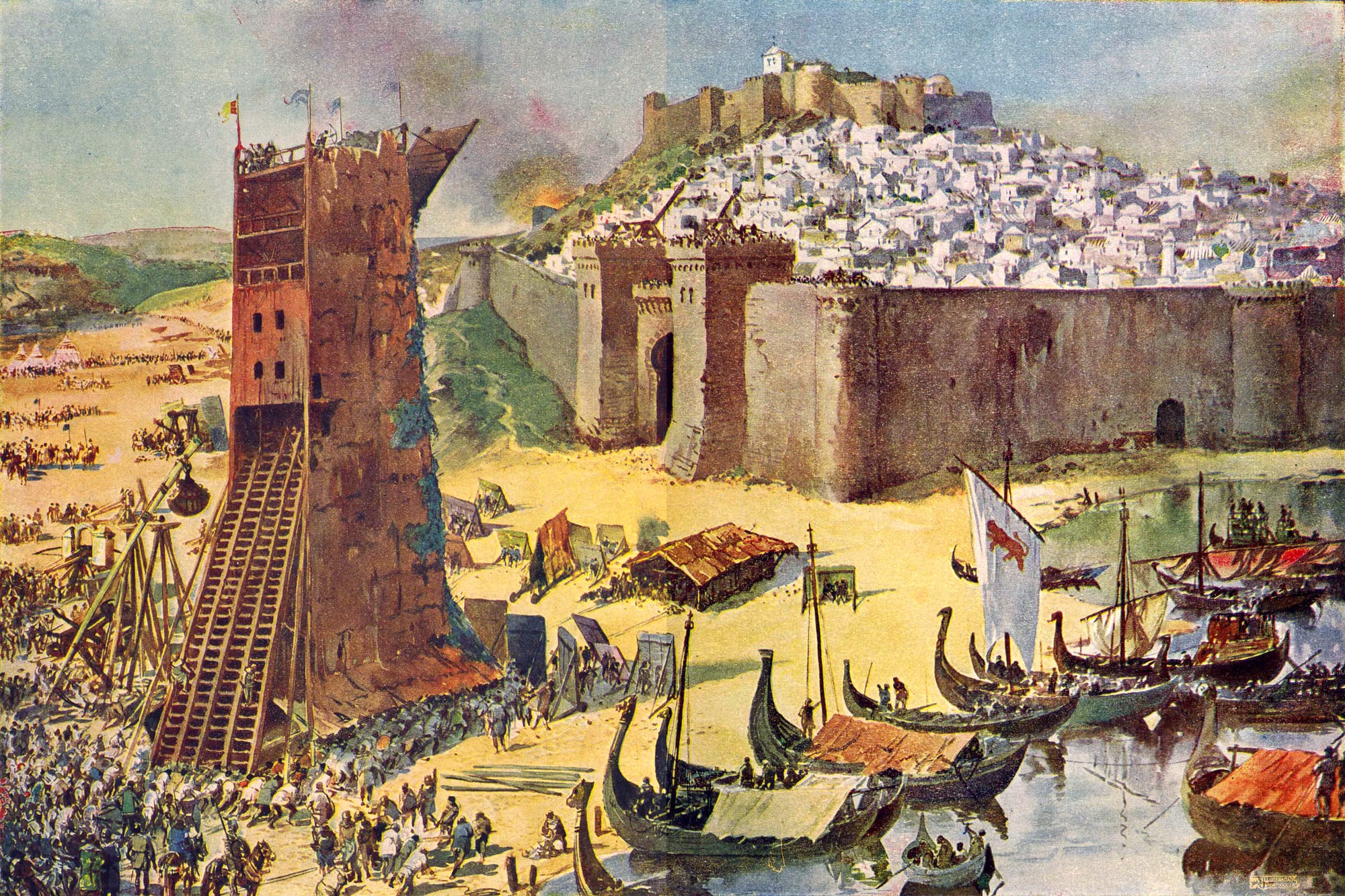
The blockade might be considered the evolution of the old Medieval siege. The picture of these we can all conjure in our mind's eye: the city walls and frightened people, the soldiers and weapons amassed outside. The idea was to seal off an area to prohibit the movement of goods and people, thereby creating a situation where negotiation or surrender became the only viable options.
As nations' sea power developed in the Early Modern Age it became increasingly viable to besiege the coastlines and ports of an enemy. Stopping all maritime trade was a tactic that would have obvious results but it was not an easy one to maintain.
Most famously it was the Royal Navy, during the long years of war with France at the end of the eighteenth century and beginning of the nineteenth who adopted a rigorous policy of blockade. As the French were more powerful on land and the British supreme at sea, this was the natural course to take.
The British newspapers of these years, therefore, are filled with reports of the blockades at Boulogne, Brest, Toulon, Texel and Rochefort. Royal Navy squadrons would prowl outside these ports, standing off and on, for months and sometimes years on end. Admiral Nelson once wrote playfully of his opponent occasionally playing bo-peep with him at Toulon, 'like a mouse at the edge of her hole'.
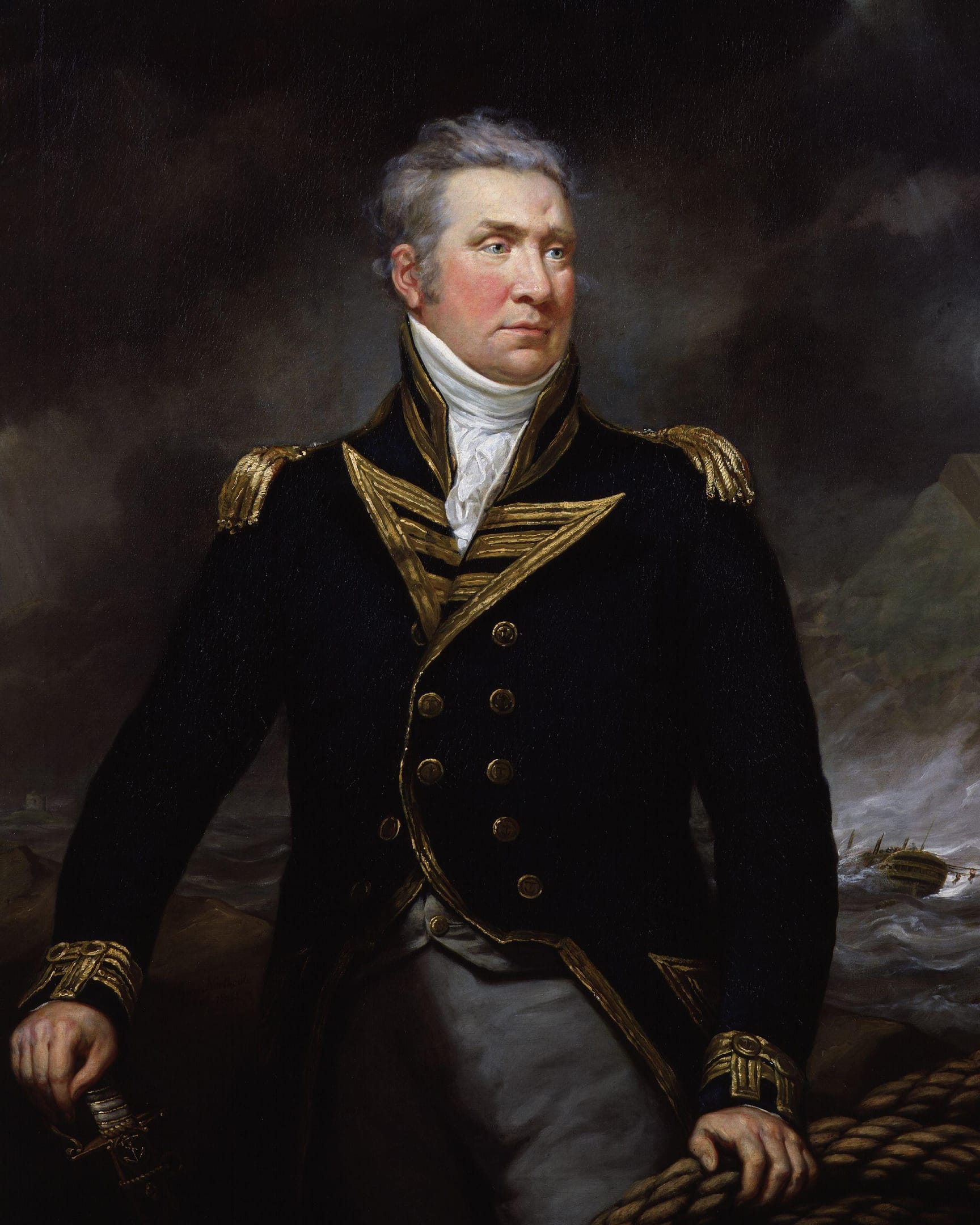
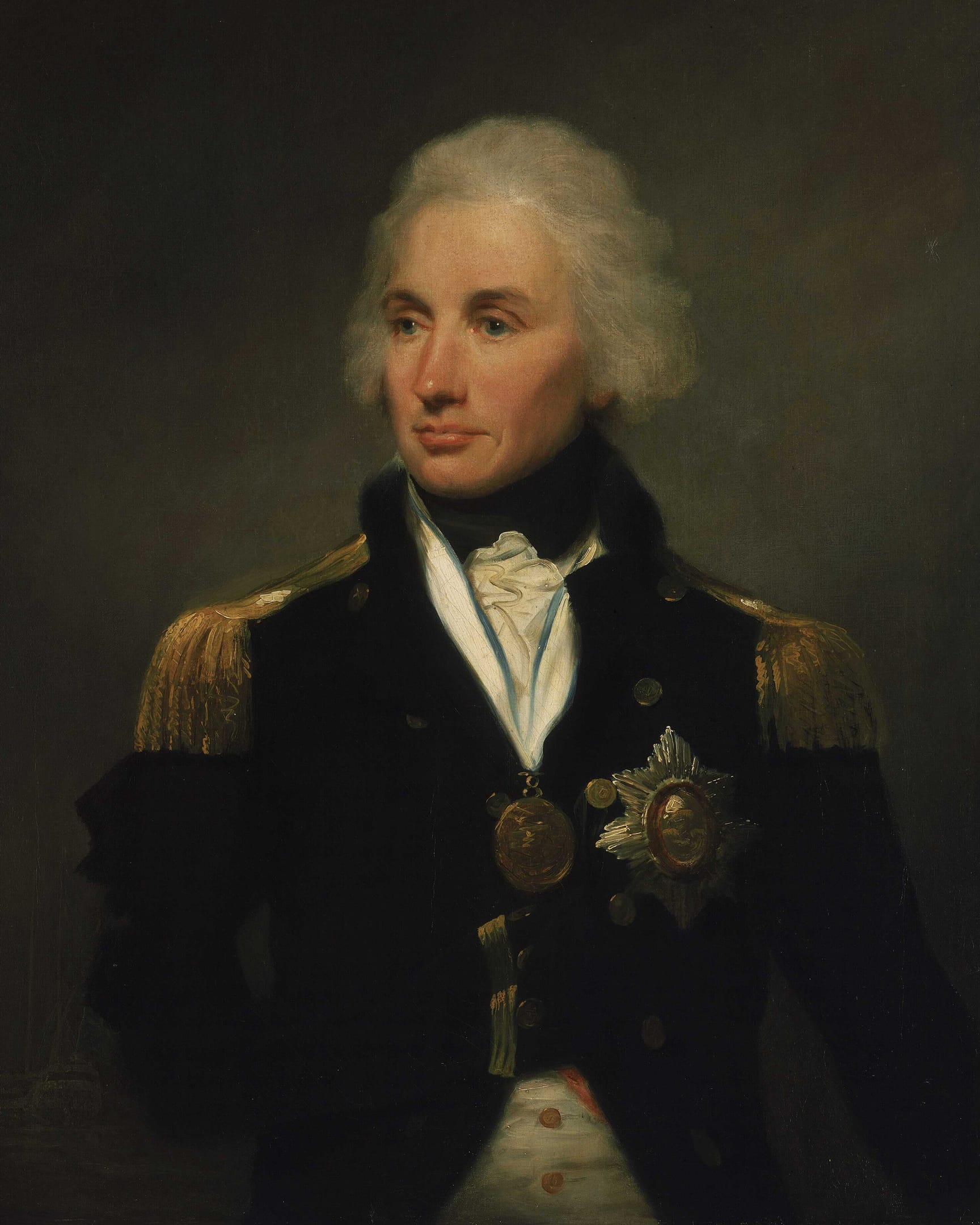
Two Royal Navy officers who led blockades – Edward Pellew. (⇲ Wiki Commons) Painting James Northcote, 1804; and Horatio Nelson. (⇲ Wiki Commons) Painting Lemuel Francis Abbott, 1797
Nelson's experience at Toulon, however, in the years before the Battle of Trafalgar, is instructive. For two years he battled to keep his blockading force together in all weather and despite constant fatigue. The physical toll was enormous and so was the mental one. He knew that at any moment he might be drawn into action by an escaping French ship.
The battle at sea during these years was very much characterised by this dynamic. It seemed to be a stalemate. Powerful French ships would be caught in port; the Royal Navy inshore squadron would be in plain sight, and a great force would linger just over the horizon.
Perhaps the greatest proponent of this tactic was the doughty old admiral, the Earl of St Vincent, who demanded constant vigilance from his men off places like Cádiz. More aggressive sailors, meanwhile, like Thomas Cochrane, grumbled at the turgid nature of war by blockade. This was a tactic, he observed, which consumed vast resources and sapped all fighting spirit from the men.
When blockades failed, too, spectacular confrontations occurred. The Battle of Trafalgar in 1805 followed the escape of Vice-admiral Pierre-Charles Villeneuve from Toulon six months earlier. The dramatic Battle of Basque Roads came after another French squadron had slipped free of the Royal Navy's Channel Fleet at Brest.
It's worth recalling these moments today, as another blockade is set in the Strait of Hormuz. The lessons of the past are that this tactic requires patience, vigilance and a firm logistical apparatus. When, too, the stalemate ends and a challenge is made, the confrontations can have significant historical effects.
The painting above, by the well known marine artist Thomas Luny, captures one such moment of drama during a blockade. In 1813 it was the habit of the French to cruise just outside of their port to drill the men. On the morning of 5 November an unlucky wind sprang up and hurried them straight towards the Royal Navy's inshore squadron.
Viscount Exmouth, Edward Pellew, who was commanding the British forces at once passed the order to attack. A skirmish took place, but nothing more. The one unlucky shot that struck the British vessel San Josef resulted in a marine and a signal midshipman both losing a leg.
Then, as the smoke cleared on that autumn day in the Mediterranean, the enemy ships scurried to safety •

📸 Dive into our Features
🎤 Read Interviews
🎧 Listen to Podcasts
🖼️ Buy fine art prints & more at our Store


