
Shining a Light on Dracula
The true story of Vlad Dracula the Impaler


In the 1890s an Irish writer called Bram Stoker sat in the London Library researching an idea he had for a chilling Gothic novel.
We know that he looked into Sabine Baring Gould's Book of Were-Wolves, Thomas Browne's Pseudodoxica Epidemica and Charles Boner's Transylvania.
But the most vivid historical stimulus for Count Dracula, the character he was poised to create, was seemingly a terrifying figure from the fifteenth-century.
Here Elizabeth Drayson, author of Crucible of Light, tells us all about Vlad Dracula 'the Impaler'.

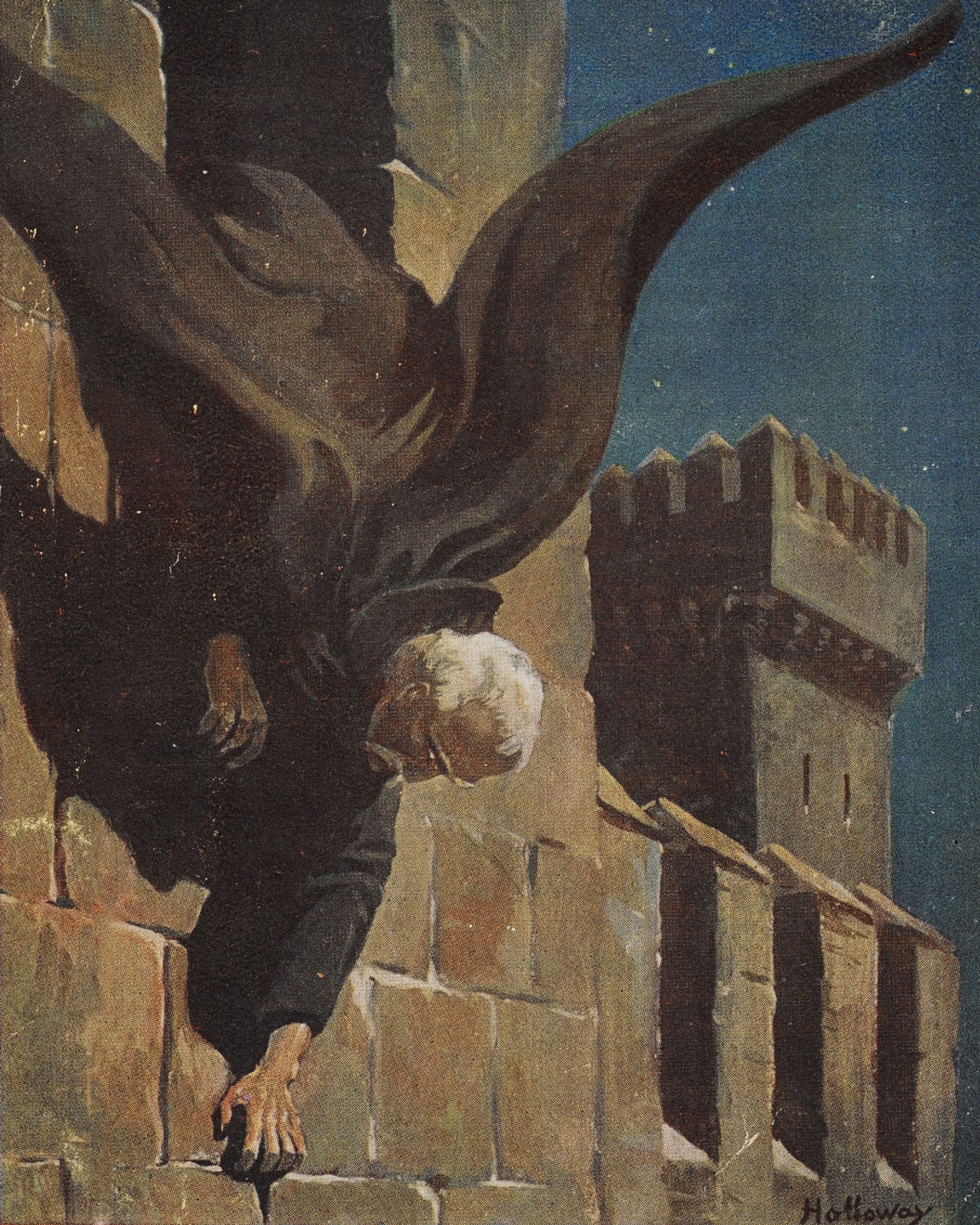
Bram Stoker’s acclaimed novel Dracula is an iconic horror story and one of the most famous works in English literature. The vampirical nobleman has made over 700 appearances in books and film, and his black cape, fangs and thirst for human blood form a legendary part of our cultural landscape.
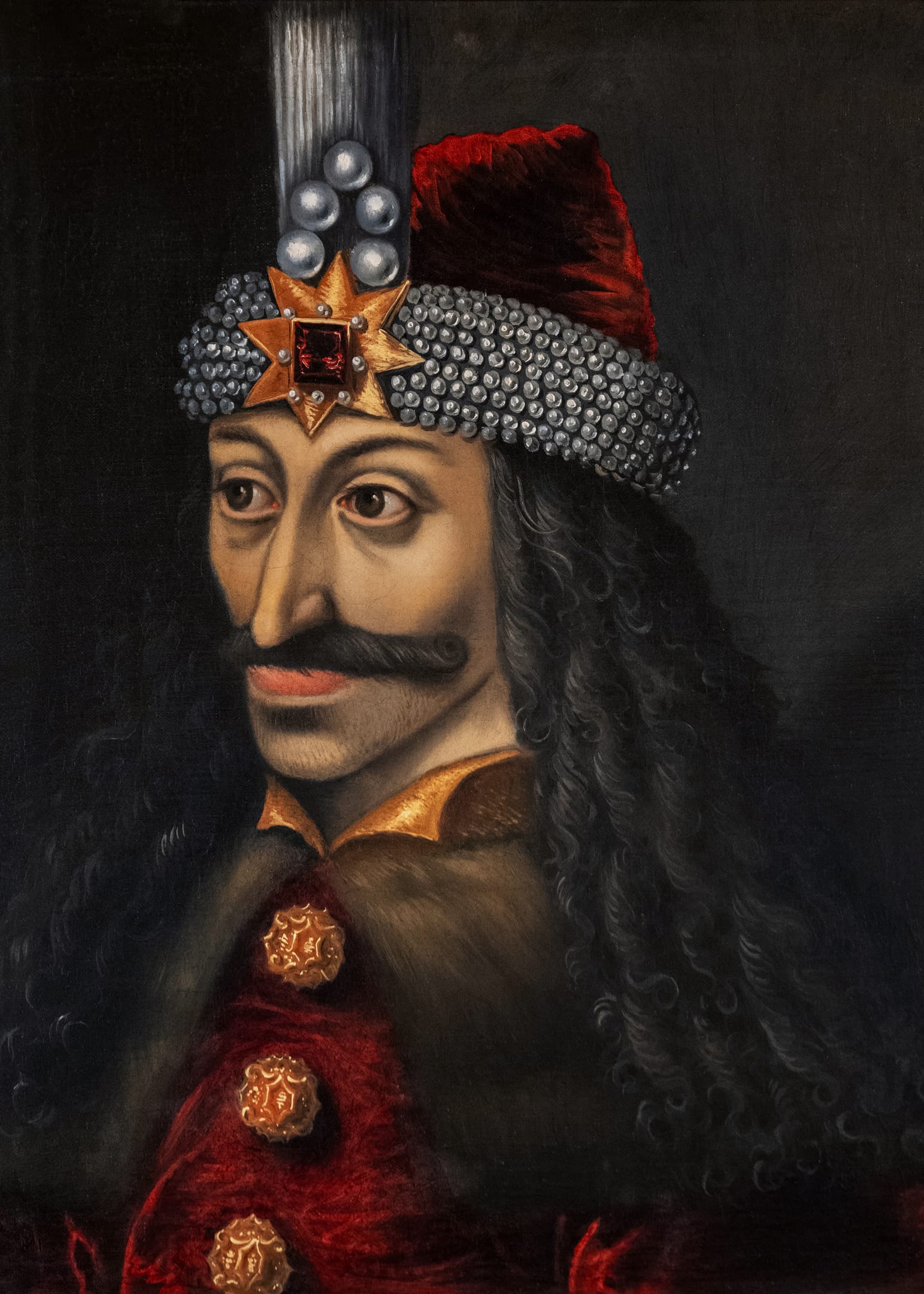
Stoker’s most likely inspiration for his character was Vlad Dracula, known as the Impaler, a prince from the historical area of Wallachia in Romania who ruled the region in the fifteenth century.
Yet few people know the true story, not of a vampire but of a man lionized by his people for his audacious opposition to the mighty Ottoman Empire, a man whose stormy fate was closely entwined with that of the famed Ottoman sultan Mehmet II.
Their fraught relationship and its consequences remain one of the most compelling encounters in the long history of interchanges between European Christians and Muslims.
In the botanical gardens of the ancient Romanian city of Ţârgovişte stands a huge statue of Vlad the Impaler (c. 1428 - c.1477), his battledress and broadsword evoking the dark history of the time when Ţârgovişte was capital of Wallachia.
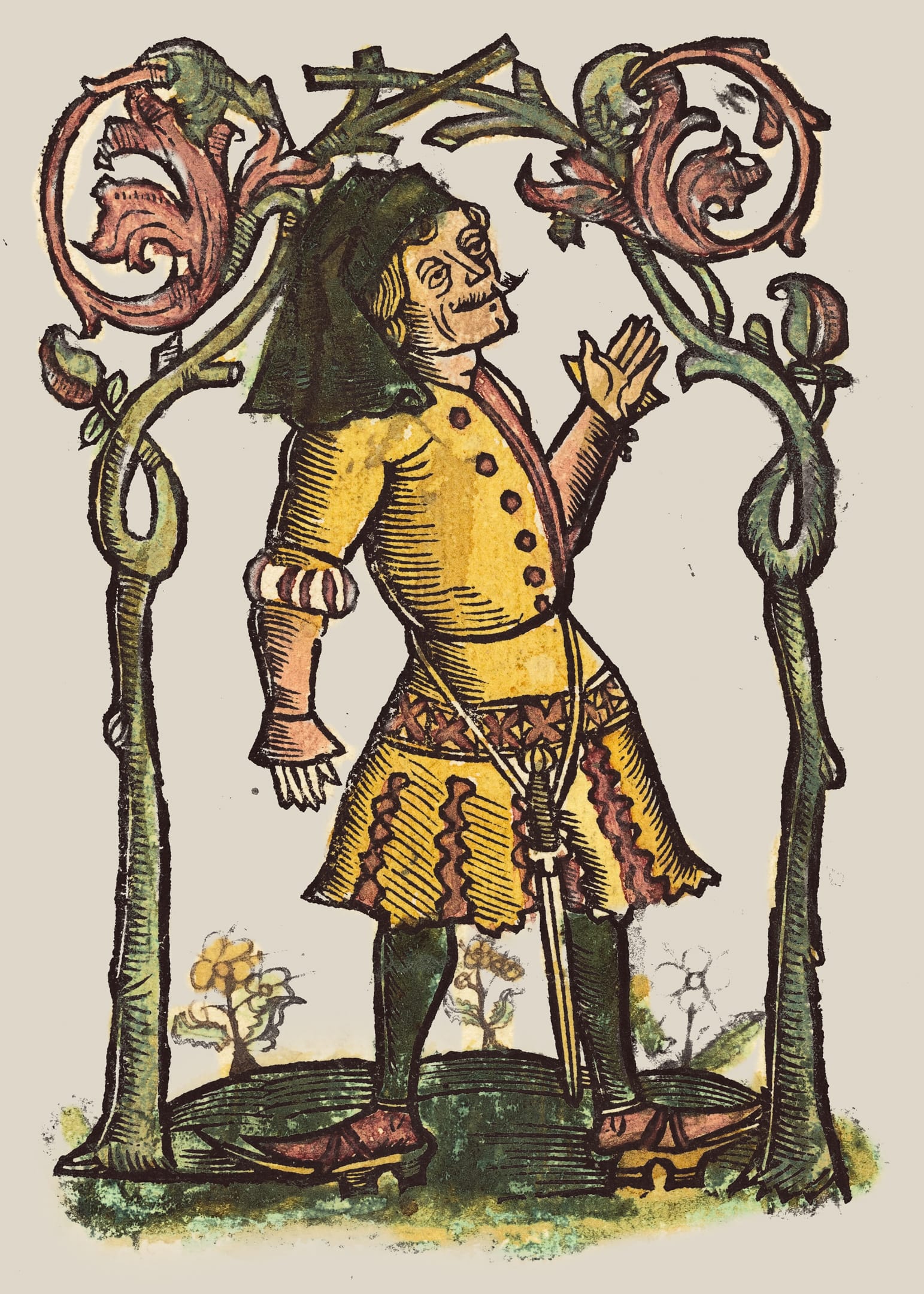
Vlad was born into the Dracul (Dragon) family of aristocrats, so called because they belonged to the Order of the Dragon, a militant Catholic brotherhood founded by the King of Hungary with the aim of halting the Ottoman advance into Europe.
Vlad reigned as Voivode or semi-independent ruler of Wallachia in an era of intense upheaval, when Europe’s Christians and Muslims were locked in the grip of confrontation and fierce conflict.
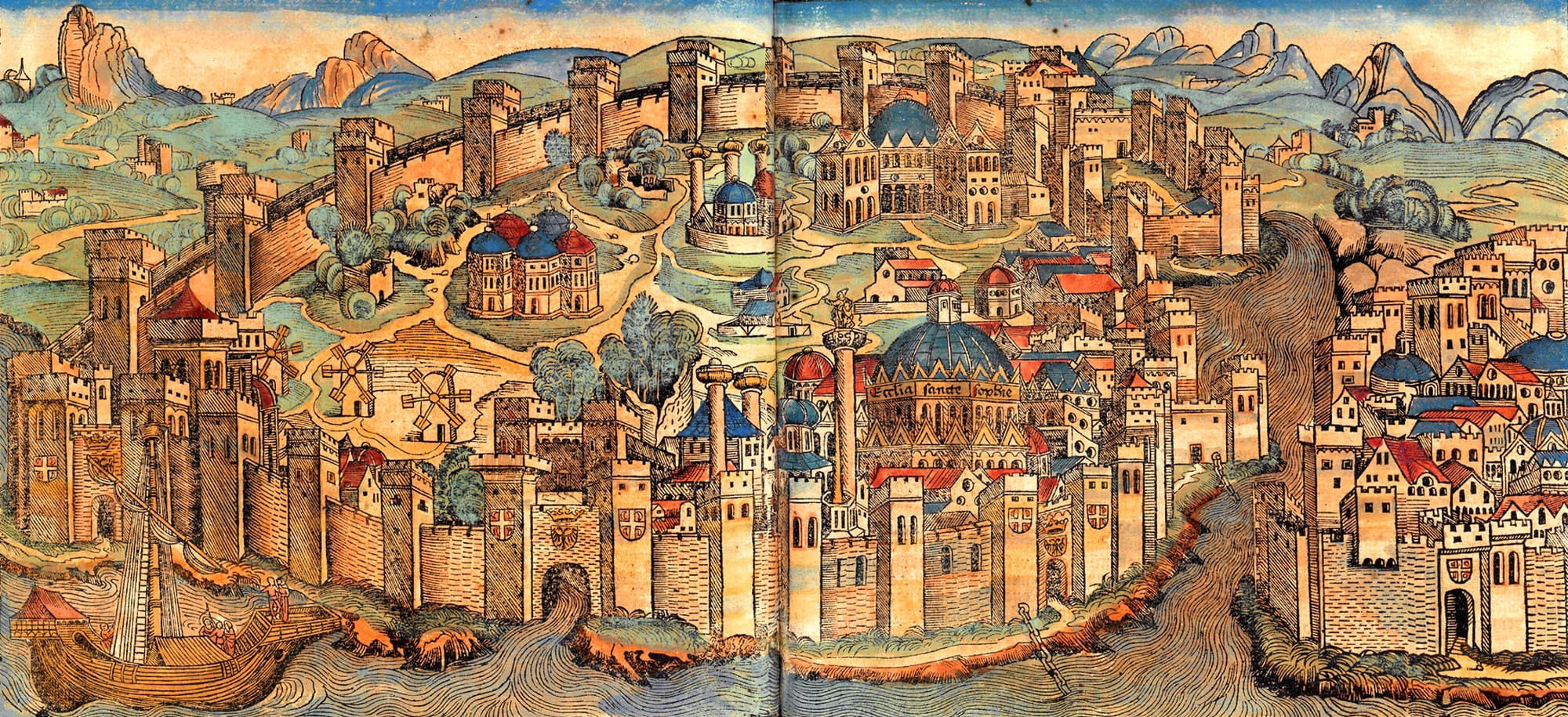
1453 had been a watershed moment in European history, when the Turkish sultan Mehmed II, the Conqueror, had captured the Christian city of Constantinople, spreading fear and panic across the continent. Pope Pius II responded by calling for a three-year crusade against the Ottoman empire in 1460, and Vlad was the sole Christian leader to accept the challenge.
He may have harboured a true desire to defeat the Muslim enemy and uphold the Christian statutes of the Order of the Dragon. But there were other powerful motives, more complex and personal, that incited him to wage war against the Ottomans.
Wallachia had been a vassal state of the Ottoman Empire during the reign of his father Vlad II Dracul, and Vlad and his brother Radu as teenage boys were raised as hostages at the Ottoman court, alongside the future sultan, Mehmet.
No other Christian ruler knew Mehmet personally, understood his obsessive ambition or how to provoke him. That knowledge would give Vlad the upper hand at key moments. When Vlad’s father died in 1456, Mehmet sent him to rule Wallachia as his vassal, leaving Radu a hostage in Constantinople.
Vlad soon made a questionable alliance with the King of Hungary in 1460, and from that point the trouble began. He sent the sultan a letter claiming he could no longer pay the vast tribute money Mehmet demanded nor leave Wallachia, for fear of losing his kingdom to Hungary. Mehmet sent an embassy to collect the tribute payment, but Vlad had them all murdered by impaling them on large stakes.
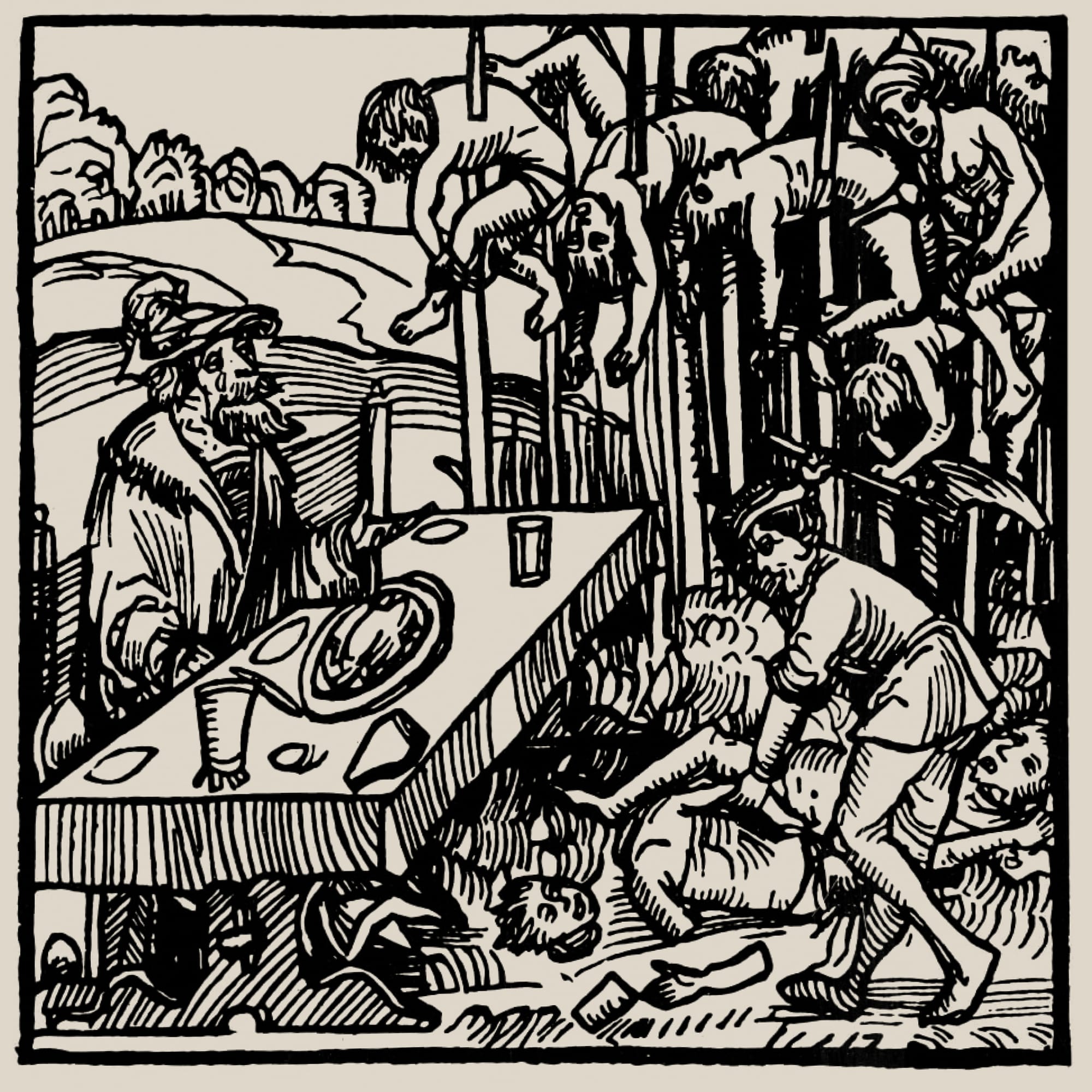
It was a horrific crime committed using a technique Vlad had learned from Mehmet himself, but which he now turned against him. The enraged sultan decided to invade Wallachia, and the first battle of wits began.
Vlad had nothing like the military clout of Mehmet, but he knew the terrain better and had an equally brilliant strategic mind. Mehmet lured him to the fortress of Giurgiu on the Danube, built by Vlad’s grandfather but captured by the Turks, to test his good faith.
But Vlad knew Mehmet would attack, so he planned to strike first. He took his cavalry into the fortress disguised as Turks, and they and Vlad, who could speak Turkish, mingled with the crowd, took control and razed the Ottoman stronghold, later boasting to the Hungarian king that they had killed 20,000 people.
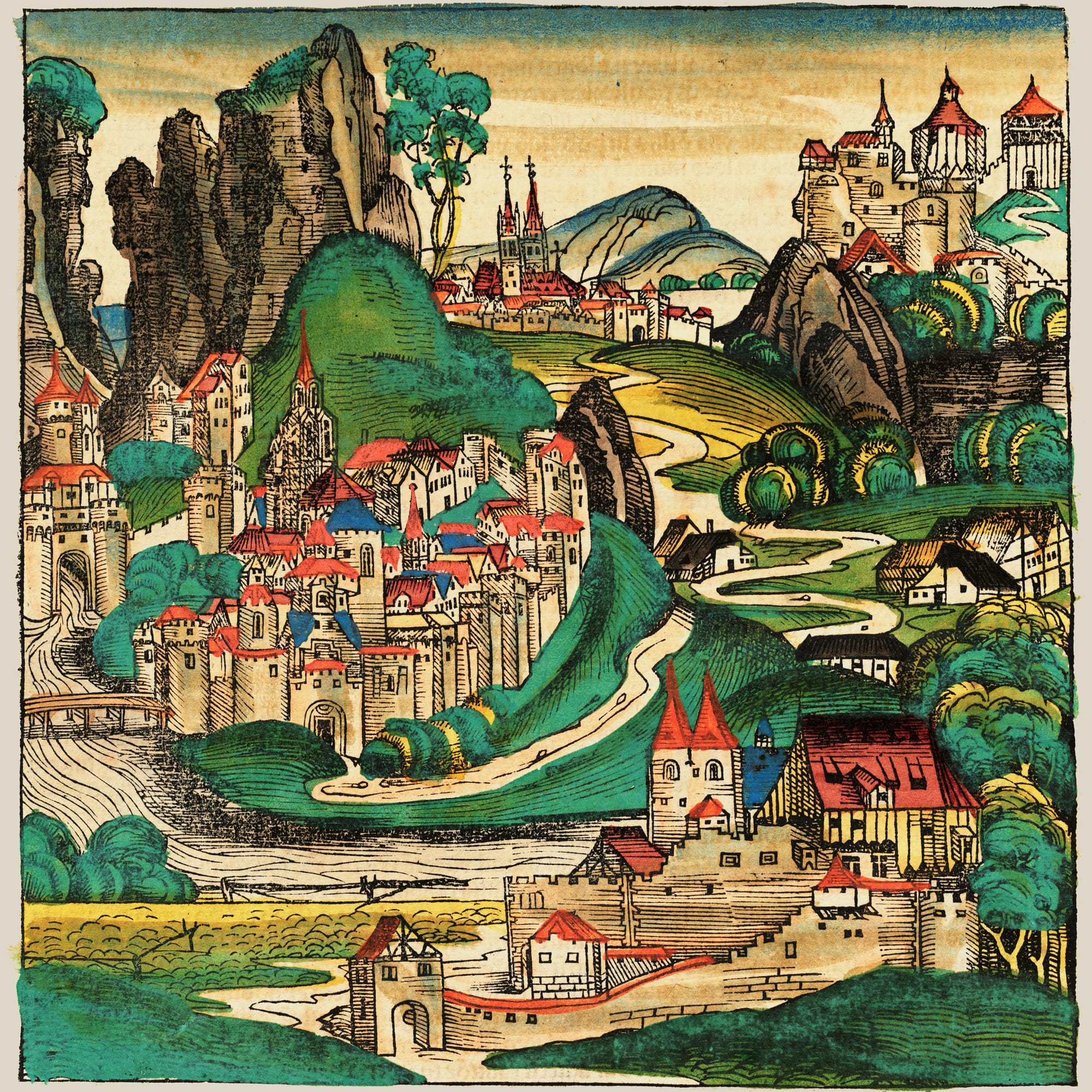
In the rest of Europe, Vlad’s exploits were hailed with admiration and amazement by would-be crusaders who could not believe his daring, nor his success. William Wey, an English pilgrim returning home, wrote that on the island of Rhodes the army had Te Deums sung in honour of the Wallachian victory.
In the late spring heat of 1462, Vlad’s scouts hid in the reeds of the Danube, watching and waiting. They were local men who knew every inch of the land, every water source and village, and scanned the river and its surrounds night and day.
When Mehmet crossed the river on 4 June, accompanied by his Grand Vizier and Vlad’s brother Radu, they were prepared. Mehmet’s aim was to defeat the Impaler and install Radu in his place. With them came the magnificent Janissaries, flying their white and gold banner of the faith. They were part of an army of around 80,000 men, a mighty cohort that dwarfed Vlad’s forces, obliging him to use desperate tactics.
He retreated northwards, burning the villages and crops of his own people as he went. Rotting animal corpses were left in wells and rivers, and by all accounts he even adopted a kind of germ warfare, paying plague-infected Wallachians disguised as Ottomans to mingle in Mehmet’s camp and spread disease.
The Forest of the Impaled
On 17 June Vlad’s men were close enough to hear the highly organised Ottoman camp at prayer an hour before sunset. Vlad himself wandered through the camp in Turkish disguise, to reconnoitre before launching a famous and daring assault.
Using arrows torn from the bodies of the dead, Vlad led his cavalry of seven to eight thousand men and rode at full tilt through the Ottoman camp, massacring horses, camels and several thousand Turks.
In the end the Janissaries repelled them, but Vlad’s daredevil night attack, another strategy learned from Mehmet and turned against him, came nail-bitingly close to succeeding. If he had managed to reach the sultan’s tent and capture or kill him, it would have halted Ottoman ambitions to expand into western Europe, and changed the course of history.
The foray, however, ended with many of his cavalry fleeing with their wounded leader into the darkness.
In hot pursuit, Mehmet marched on Vlad’s capital of Ţârgovişte. En route his men found no living creature, nor food nor water, until just 100 kilometres from the city, they came across a terrible sight.
No Ottoman annal records it but the Greek historian, Laonic Chalkondyles, described the scene as ‘… a field of stakes, about three miles long and one mile wide. And there were large stakes on which they could see the impaled bodies of men, women and children, about twenty thousand of them …’.
The forest of the impaled left a permanent, harrowing impression on all who witnessed the scene of an act far more terrible than any vampire legend. Nearly a month later, Mehmed defeated Vlad’s troops and removed the Impaler from the throne, replacing him with Radu.
Vlad fled, traversing wild and dangerous country to reach Hungary, whose ruler Matthias Corvinus kept him under house arrest until 1475. Legends recount that in 1477 he met his death by the Danube at the hands of an assassin, who sent his head to Mehmet in Constantinople, where it was displayed in the city on a tall stake.
The conflict between Mehmet II and Vlad Dracula was a war between two European leaders, one Christian, the other Muslim. But it was no ordinary religious war. It was also a battle for territorial advantage, in which Vlad fought to increase his power and maintain authority over his homeland.
Mehmet’ s aim was not to conquer, but to use Wallachia and neighbouring Moldavia as buffer states against the persistent Hungarian threat and secure the Danube as a line of defence. Yet their battle was far more than religious and political - it was a deeply personal fight for power between two men bound by the ties of youthful companionship but riven apart by ambition and a drive for supremacy complicated by shattered loyalties.
The story of the Sultan and the Impaler is as strange, compelling and gruesome as any vampire legend, and reveals how the glittering future of Mehmet, Caesar of Rome, the Sultan of Two Lands and Khan of Two Seas, the man who exalted a dynasty that would rule for five hundred years or more, had hung on a knife-edge •
Crucible of Light: Islam and the Forging of Europe from the 8th to the 21st Century
Picador, 25 September, 2025
RRP: £30 | ISBN: 978-1035008599
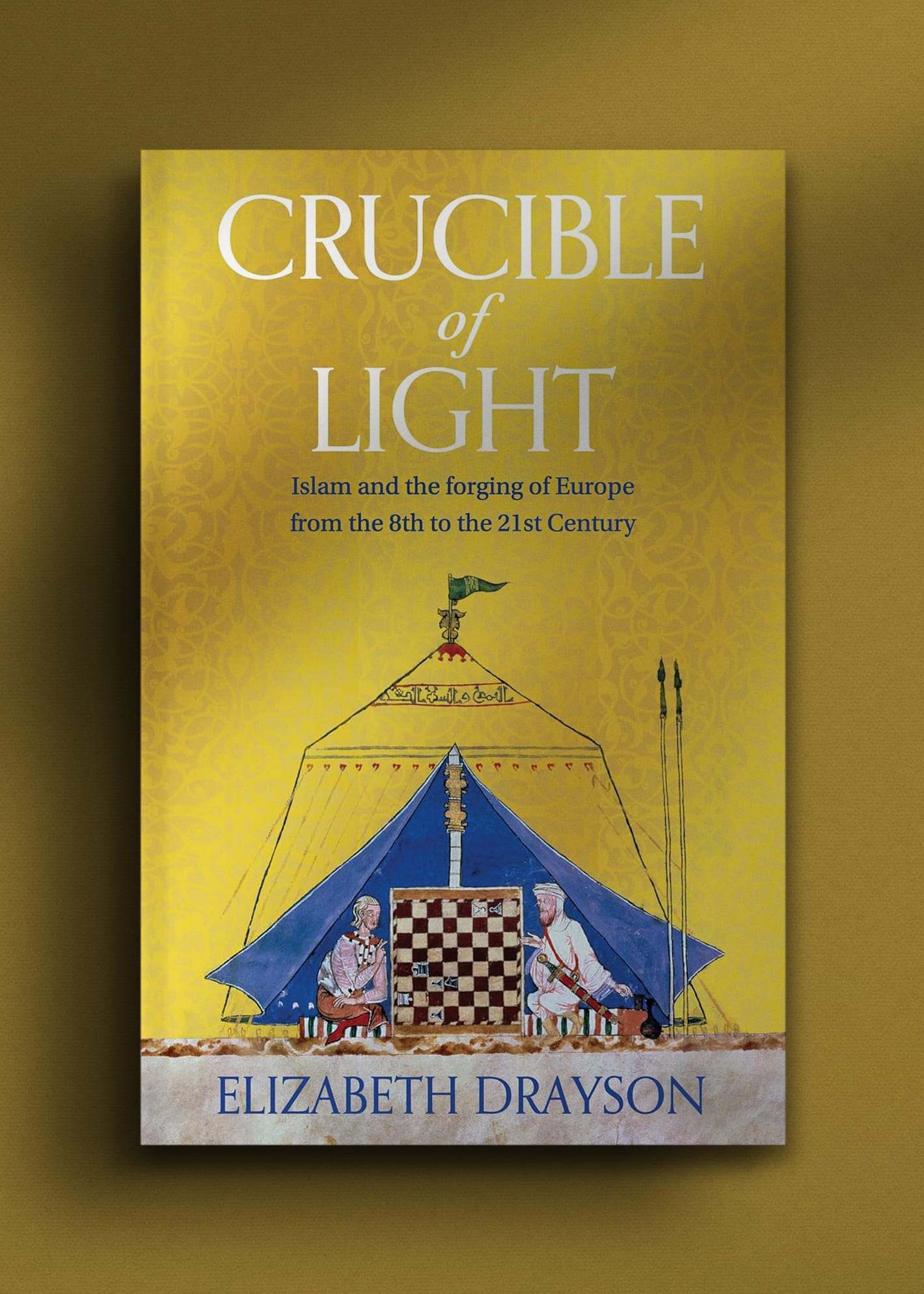
Rethinking the history of the last thirteen centuries, in Crucible of Light, Elizabeth Drayson pulls together the epic interwoven history of the Muslim and Christian worlds.
Focusing on major turning points, individual stories and key places, from Mecca to Cordoba, from Damascus to Venice, and from Vienna to Istanbul, Drayson tracks the themes that unite us – classical learning preserved in Islamic libraries, the enduring influence of Moorish architecture and design, the food we share, the goods we have traded and the continuing dialogue between individuals and cultures that has permeated Europe’s history and shaped its borders.
It is a history that sweeps across cities and continents, from Spanish patios and palaces to Ottoman-inspired coffee houses in 17th century London, to the Mezquita in Cordoba, once a mosque, now a cathedral, the physical embodiment of the ongoing discourse that continues to shape European identity.
“A treasure of a book, exploring the frequently misunderstood, often unsung, yet extraordinarily rich intertwining of Islamic and European culture over nearly one and a half millennia”
– Rebecca Wragg Sykes
“Absolutely fascinating. At a time when ahistorical Christian Nationalism and chauvinism are gaining ground, this book arrives as an essential corrective”
– Andrew Copson
With thanks to Kieran Sangha.
📸 Dive into our Features
🎤 Read Interviews
🎧 Listen to Podcasts
🖼️ Buy fine art prints & more at our Store


_(died_1477).jpg?ref=unseenhistories.com)
