
The Murky World of Peter Rachman
Neil Root investigates the life and times of the notorious slum landlord


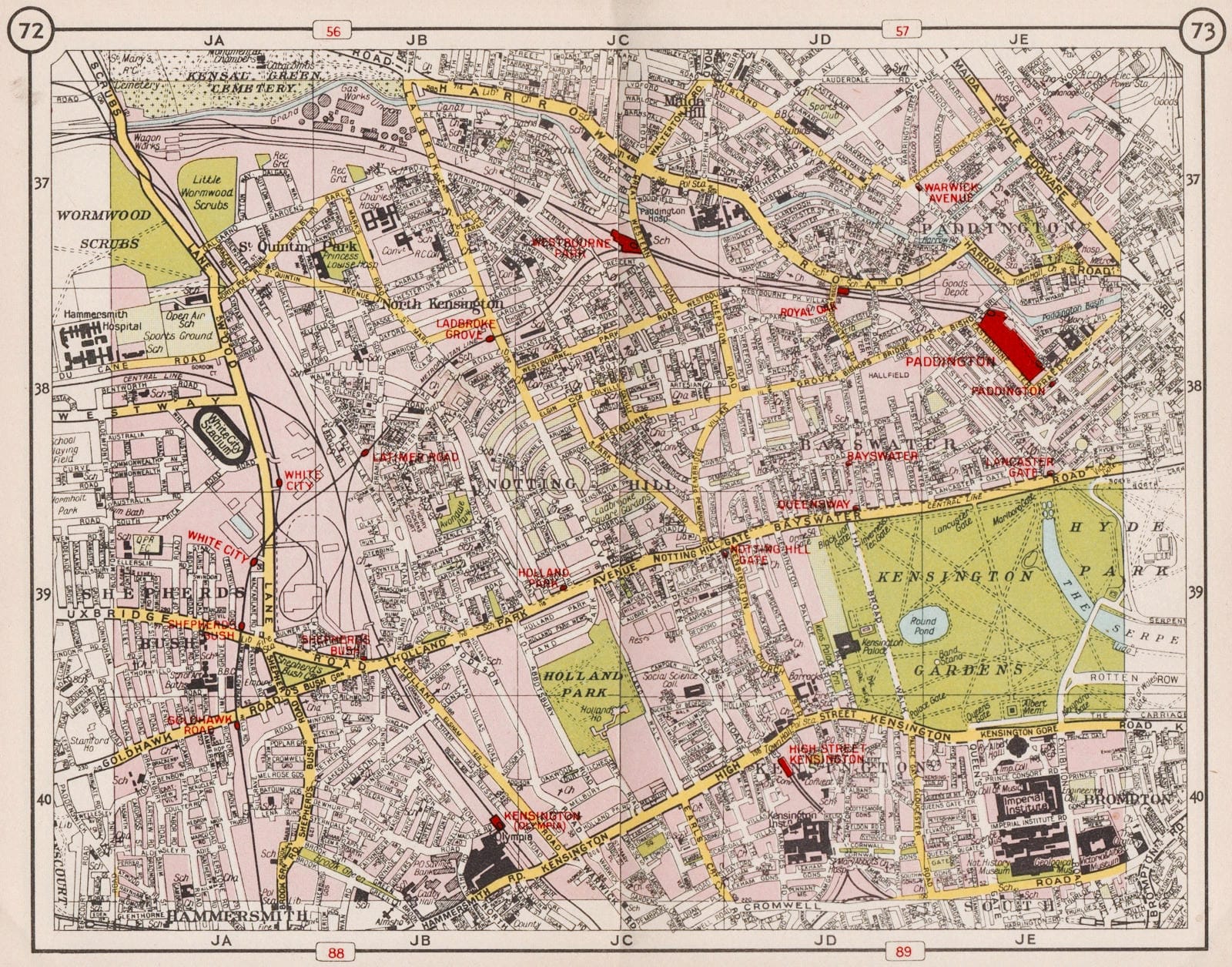
In the summer of 1963, shortly after his death, Peter Rachman became infamous. On the tails of the Profumo Affair, the west London landlord was exposed as profiteering, amoral operator who had made his fortune dishonourably.
The scandal left us with a new word, 'Rachmanism', that spoke to a very seedy way of doing business.
Six decades on memories have faded. Now is the time, argues the author of the book Slumlord, Neil Root, to look at the whole story afresh.

It’s almost sixty-five years since Peter Rachman’s death. But his name and the new noun he spawned, ‘Rachmanism’ (definition: ‘the exploitation and intimidation of tenants by unscrupulous landlords’) remains in the Oxford English Dictionary. This means that while the scandal centred on him is now disappearing from living memory, he’s still part of British cultural history and a malignant byword, passed down by several generations.
But a counterview has also developed over the decades about Rachman. Starting with Rachman, Shirley Green’s interesting and important 1979 biography, for which she managed to speak to some of his close associates, a more sympathetic view began to appear.
Those that knew him had mostly positive memories of him. Tenants that Green spoke to, mostly from London’s West Indian and Caribbean community of the Windrush Generation, who began migrating to Britain in the late 1940s, broadly saw him as their saviour in his area of West London.
This was because he was one of only a few landlords who would rent rooms or flats to black people in those highly xenophobic and often overtly racist times. And these tenants, along with some of their working-class neighbours- were those he had been accused of exploiting and intimidating.
As the years went by and into the new millennium and then the 2010s, a different image of Rachman began to form. For some he’d been a scapegoat, the victim of an early 1960s Fleet Street exposure many would now say was antisemitic. The Polish Jew who had been terribly demonised and made the ogre, the monster, the malevolent poster boy of gangster landlords: the man who took the blame for all British property profiteering.
In July 1963, Rachman garnered headlines in a variety of tabloids referring to his ‘Empire of Evil’ and reporters very briefly rented rooms in a former Rachman property so that they could write the headline ‘I Lived in a Slum’. And this was all written posthumously- Peter Rachman had died eight months before, at the age of just forty-two. He was no longer protected by the libel laws.
Rachman certainly did experience antisemitism, of the most extreme sort as a young man in Poland, while in London and after his death. But was he truly just a victim- what is the truth? With files and archives not available to Shirley Green in the late 1970s, and not extensively utilised more recently, and with people who were around in Rachman’s time now very elderly, it seemed worthwhile to try to get some answers, or as close to them as possible.
There was a great deal of rumour, speculation, and myth out there. It would be a journey with many strands and sensitivities, a puzzle to be completed, or as close to finished as could be achieved.

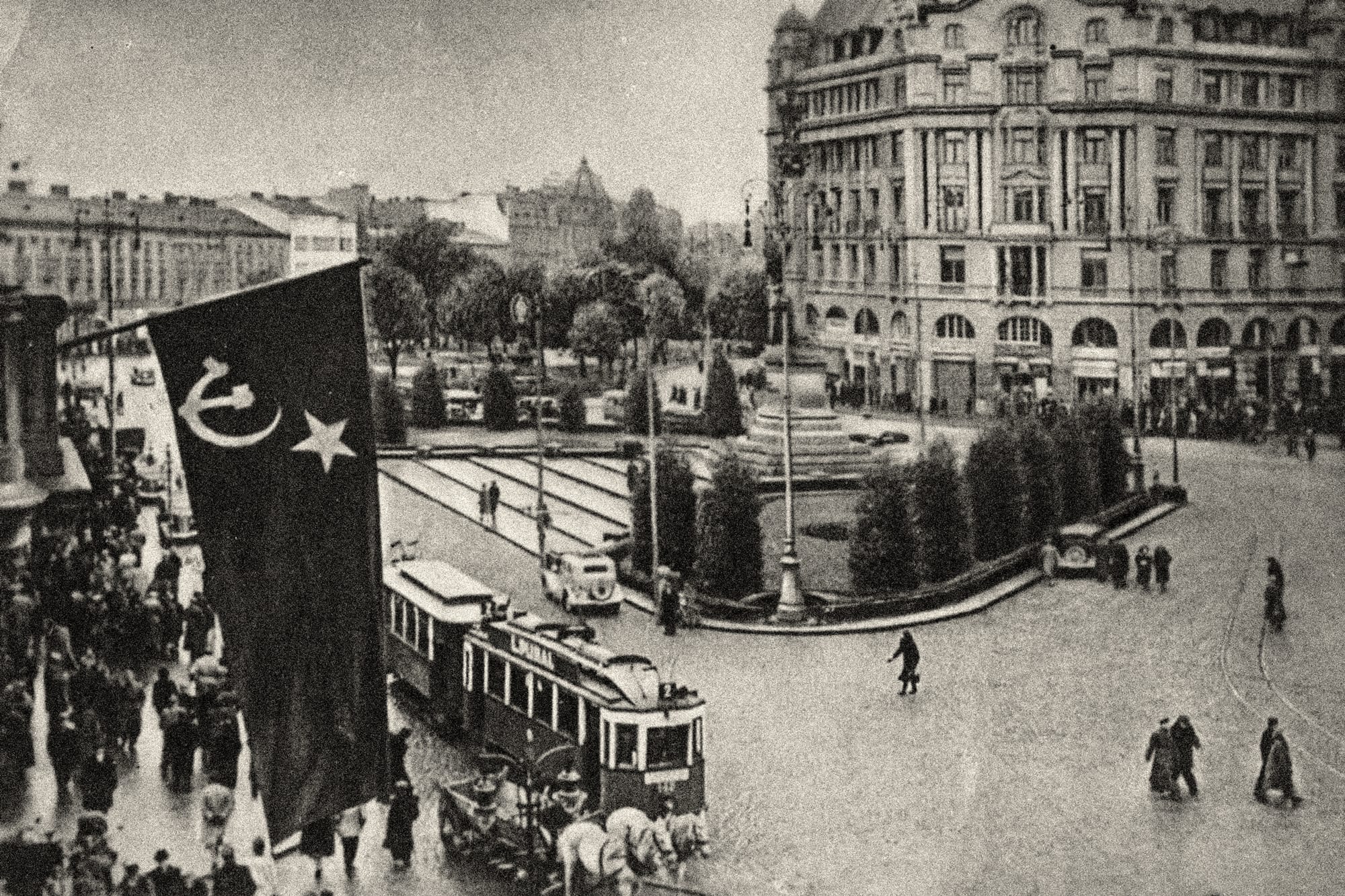
Peter was born Perec Rachman in the city of Lvov in Poland (now Lviv in Ukraine) in 1919. Lvov, which had been known as Lemburg and under Austrian rule from the late eighteenth century until the end of the First World War, had a large Jewish population. It was bustling and rich in architecture and culture. But in 1939, the Russians invaded and it became part of the Soviet Union.
Lvov was in turn taken over by the Germans in mid-1941, and in the next three years, the Nazis committed genocide against most of the Jewish population, as they of course did in many other towns and cities in mainland Europe, as well as by mass deportment to concentration camps.
After release from the Soviet camp, Perec joined the Polish Army and fought against the Germans with the Allies in the Middle East and North Africa, and in 1946 arrived in Britain as an alien, an orphan in his late twenties.
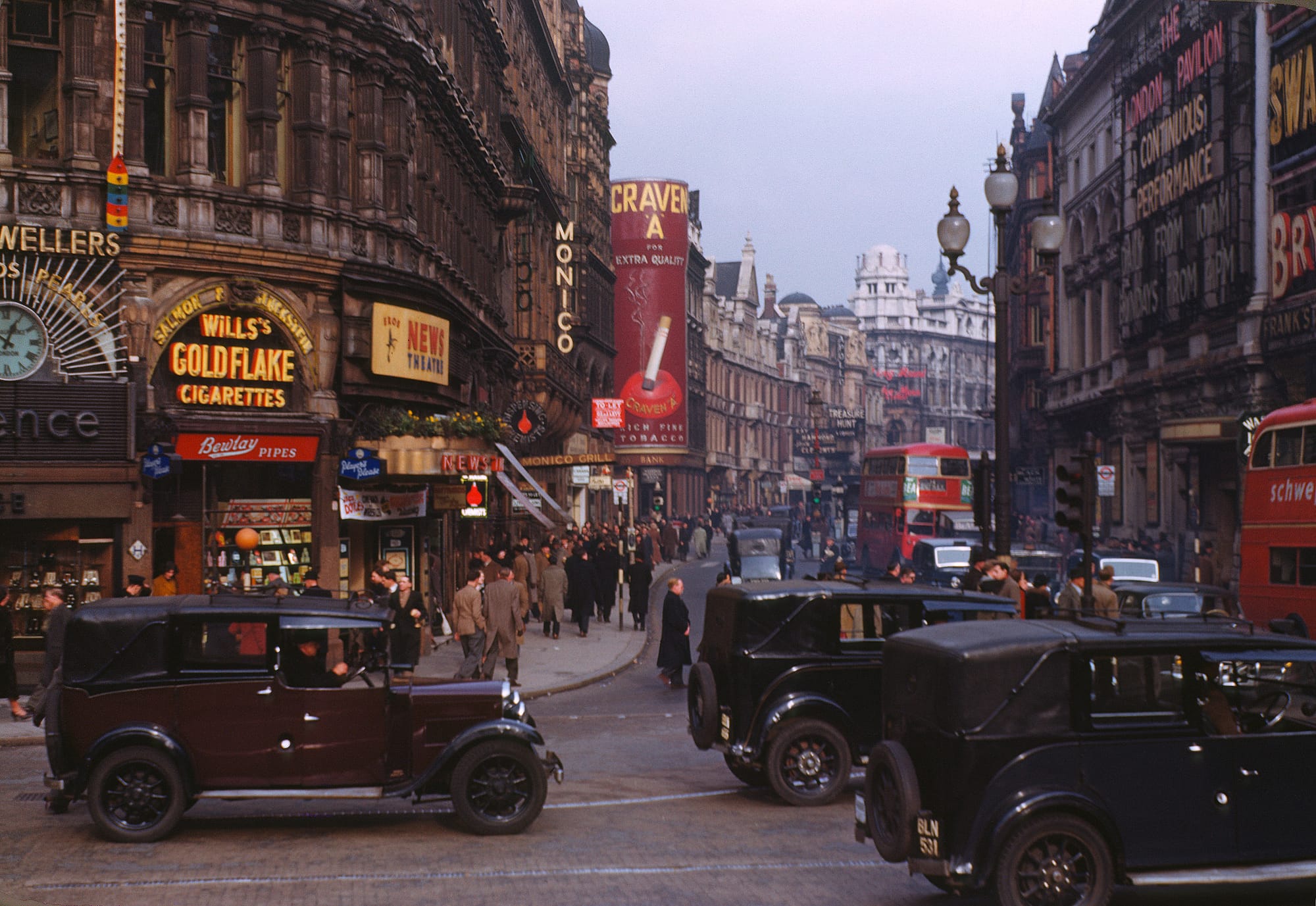
After a series of menial and mostly manual jobs and living in bedsits for several years, he finally found work in an estate agency in West London, where he became manager, and then set up his own letting agency. He was on his way up in the property world. He began to buy houses in the area at low prices – it was a time when big money could be made in property if you were prepared to cut corners and focus solely on the profits – the end justified the means.
Rachman, like many others, did this by hooking up with key associates, some of them highly respectable Eton-educated, ex-military men with senior ranks, and some with titles, or who would later come into them.
Through this network, he was able to borrow a great deal of money and gain mortgages, which would never have been open to him, with these associates acting as his nominees and facilitators.
In the next decade, he and his network would form, dissolve, and pass between them scores of companies, the nominees and shareholders often changing to fox the authorities (who began to take notice in the late 1950s), and this smoke and mirrors method proved extraordinarily successful.
The properties, often in dilapidated and unhealthy condition, were mainly townhouses, which were rented out at extortionate rates to new non-statutory tenants who had no rights but needed a roof over their head, and the newly arrived Windrush Generation, also facing terrible racial prejudice, were Rachman’s best customers.
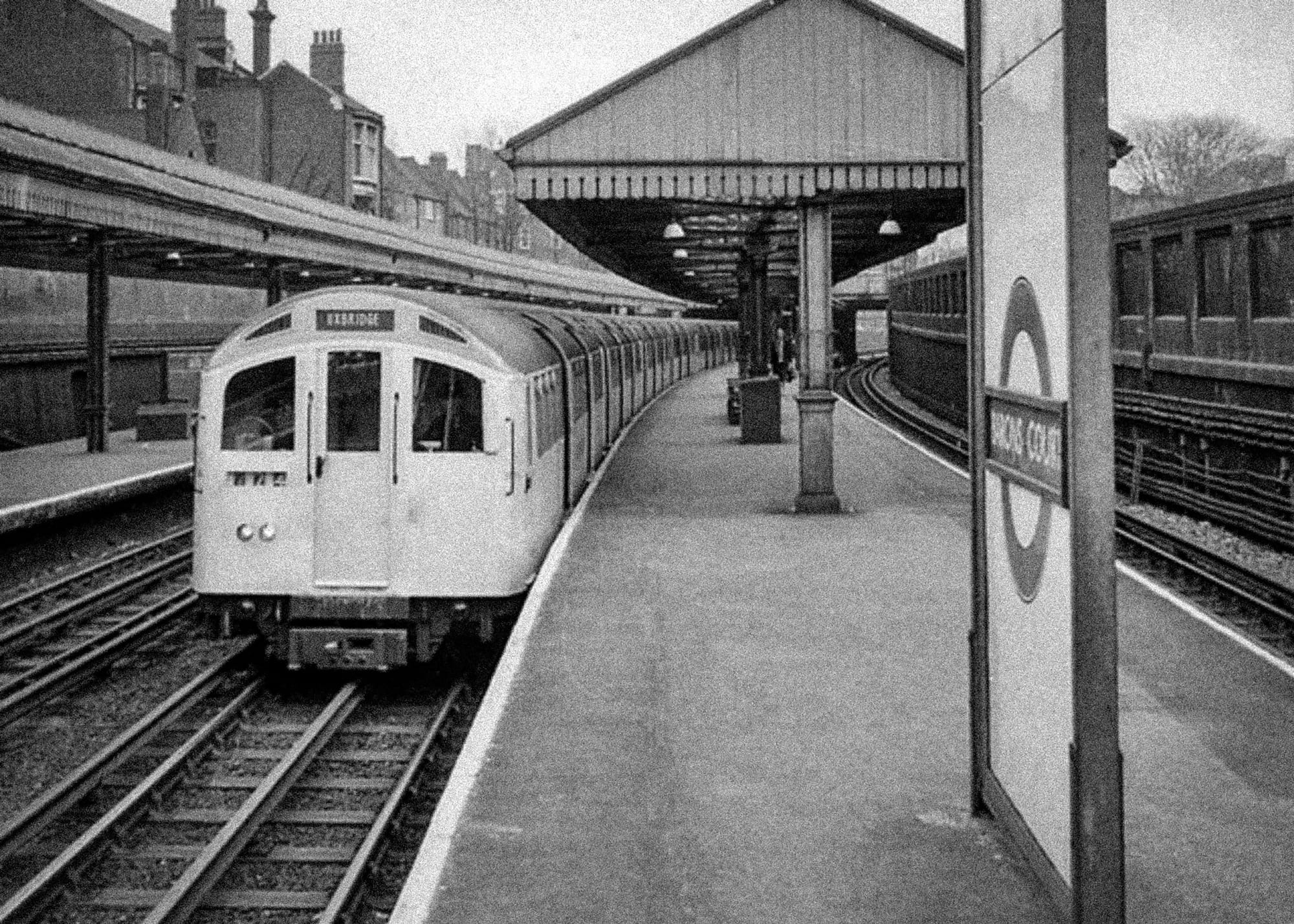
Rachman would claim to others (including in the only newspaper interview he ever gave). that he was providing them with a home, and that they were good tenants
But at the same time, he was cramming as many people into his badly maintained houses as possible, sometimes multiple people in a room, and charging them high rents for their new homes. He was also using immigrants to ‘destat’ his properties- to annoy/intimidate and eventually force out his sitting statutory tenants known as ‘stats’, who had rights and whose rents he couldn’t increase.
By using black immigrants to ‘flood’ a property, sometimes these white stats, who were xenophobic and confused by being confronted by a different culture, or plain racist, did indeed vacate their rooms and flats. The racial unease in the area was capitalised on and inflamed by far-right groups such as Oswald Mosley’s Union Movement and Colin Jordan’s White Defence League. Tensions would lead to the Notting Hill Riots in late August and early September 1958 and the brutal racist murder of Kelso Cochrane not far away in May 1959.
Rachman also used a ‘heavy crew’, made up of ex-wrestlers and hustlers (including Michael de Freitas, later known as the Black Power activist Michael X who was hanged for murder in Trinidad) to intimidate tenants into paying or increasing their rents, or to evict them.
Sometimes, Alsatian dogs were used to up the ante, with real violence occasionally occurring. Rooms were also rented to sex workers, and these women were charged the highest rents, which they would pay to have an inside space to do business. But they were also sometimes intimidated and victimised.
At all times, Rachman used sub-landlords, some black and some white, to do his misdeeds for him, while he pulled their long stings from his Hampstead mansion, where he lived with his wife Audrey, while keeping mistresses on the side. These included a brief fling with Christine Keeler and an eighteen-month relationship with Mandy Rice-Davies, the two women, who were friends, were at the centre of the Profumo scandal, as Keeler was sleeping with both John Profumo, Macmillan’s Minister for War, and the Soviet spy Yevgeny Ivanov.
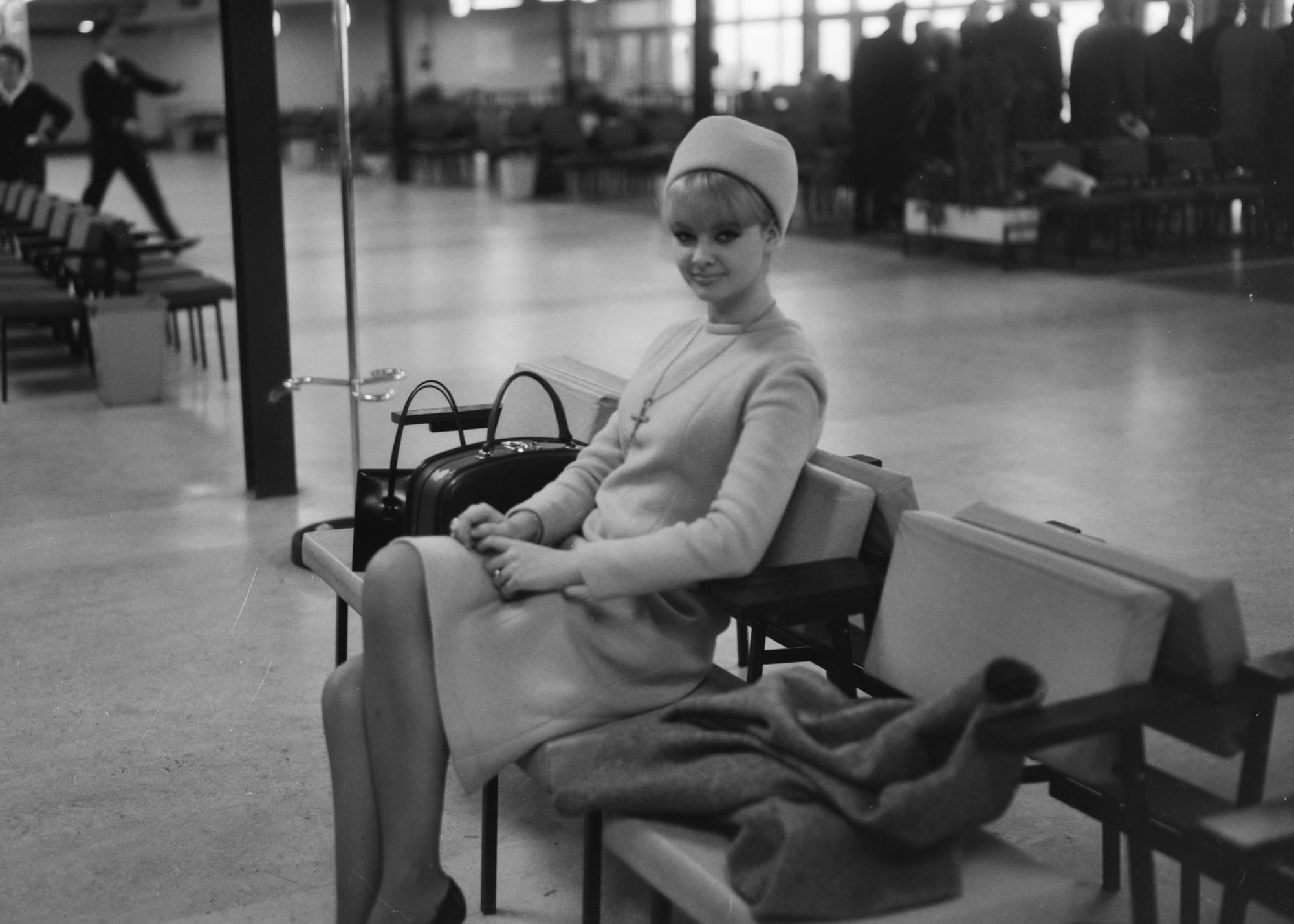
Add to this the fact that Rachman had ties with the Kray Twins and the major London gangster Billy Hill, and another friend and associate had connections to the American mafia. And that Rachman’s club Le Condor (later La Discotheque, co-owned by Rachman’s tough onetime protege Raymond Nash, who was later deported from Britain) had many stars and titled people frequenting it, reportedly including Princess Margaret in the mid-1950s.
It was quite a world that Rachman inhabited. It would take the tenacity of the local Notting Hill London County Council politician Donald Chesworth and then the crusade of Ben Parkin, MP for Paddington North in Parliament, to expose Rachman’s activities.
Few remember that it was the Sunday Times and its recently formed Insight investigative team of Clive Irving, Ron Hall and Jeremy Wallington that forensically exposed the deceased Rachman’s activities to the public, with the tabloids then picking up and sensationalising the story.
Then Harold Wilson, desperate to further wound Harold Macmillan’s Conservative administration in the wake of the Profumo affair and a series of other spy scandals, weaponised the Rachman scandal to help Labour win the 1964 General Election, which Labour did. The Rent Act 1965 at least gave tenants some protection, even if there were many other (and some much larger) operators of Rachman’s ilk still out there •
Slumlord: Peter Rachman and the Post-War London Underworld
Icon, 26 February, 2026
RRP: £20 | 288 pages | ISBN: 978-1837732784
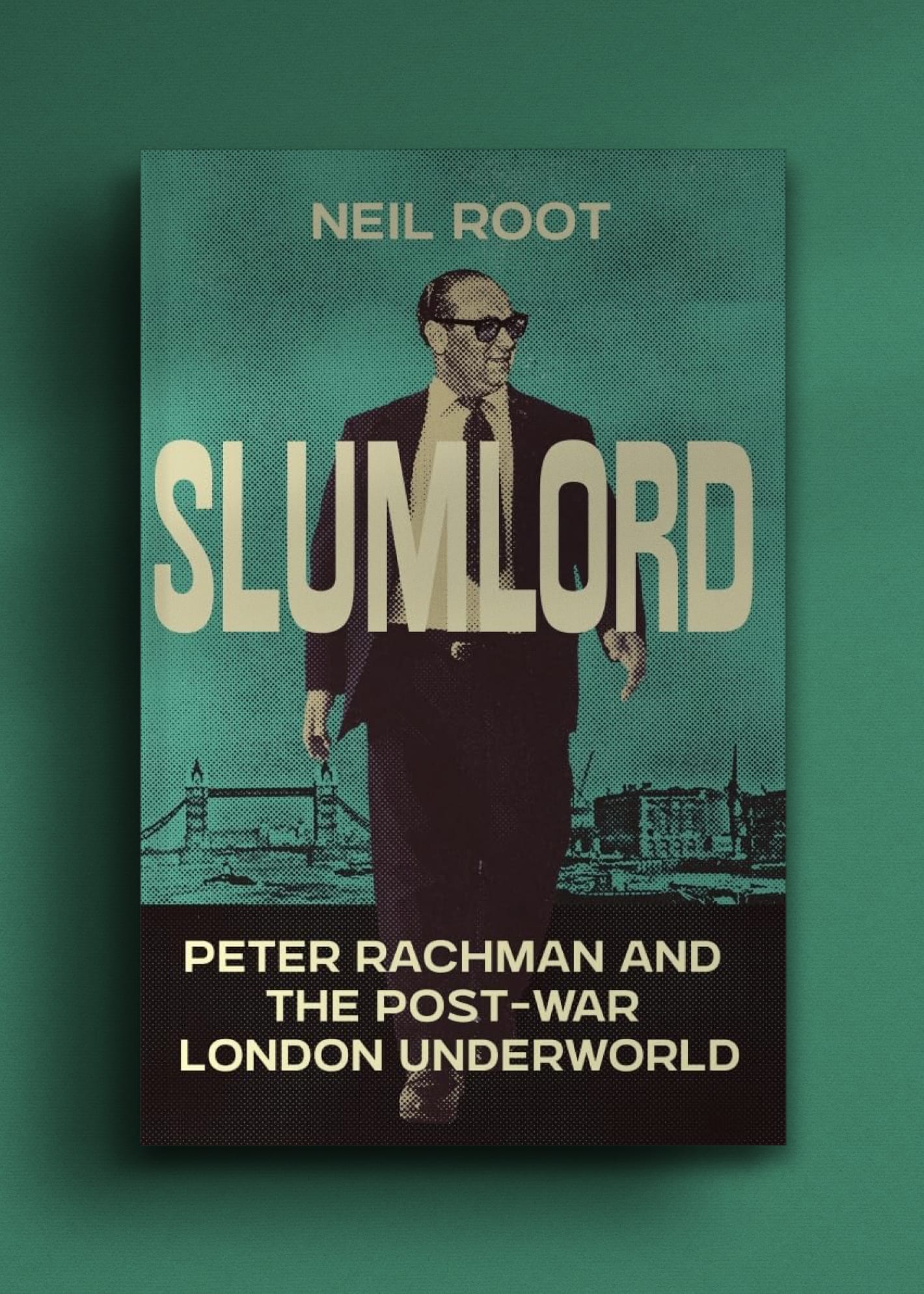
Peter Rachman dominated housing in post-war London – he owned vast swathes in the west of the city, accumulating huge wealth as his tenants lived in squalor and fear of his hard-nosed collectors and enforcers. He was also at the heart of the city's murky, post-war underworld.
In Slumlord, Neil Root pulls back the curtain on this seedy world to paint a portrait of a fascinating man whose path intersected with figures as diverse as Christine Keeler, the glamorous society girl at the heart of the Profumo Scandal, and Michael X, the Black Power activist who later went on to be hanged for double murder.
Ruthless in his ambition, Rachman was the archetype of the exploitative landlord, and a man who was willing to use the prejudices of his time in order to maximise profits. He is also a compelling leading man in a story of post-war London, a city where, among the grime and the rubble, fortunes could be made. You just had to hold your nose, abandon your morals and be willing to take from those less fortunate.
With thanks to Amelia Kemmer.
📸 Dive into our Features
🎤 Read Interviews
🎧 Listen to Podcasts
🖼️ Buy fine art prints & more at our Store


