
The Long Death of Adolf Hitler
On 30 April 1945 Adolf Hitler committed suicide in Berlin. But the story of the Führer's death is more complicated than these bare facts suggest, explains the historian Caroline Sharples.


'My life will not end in the mere form of death', the Nazi Führer, Adolf Hitler, once said.
These were words that turned out to be darkly prescient, both in 1945 and in the years and decades that followed.
Here Caroline Sharples, author of The Long Death of Adolf Hitler: An Investigative History, explains a story that is more tangled than it first appears.
Questions by Peter Moore

Unseen Histories
Many people will have heard the BBC radio bulletin, of 1 May 1945, stating: ‘This is London calling. Here is a news flash. The German radio has just announced ‘Hitler is dead’.’ Were any details of his demise given at the time?
Caroline Sharples
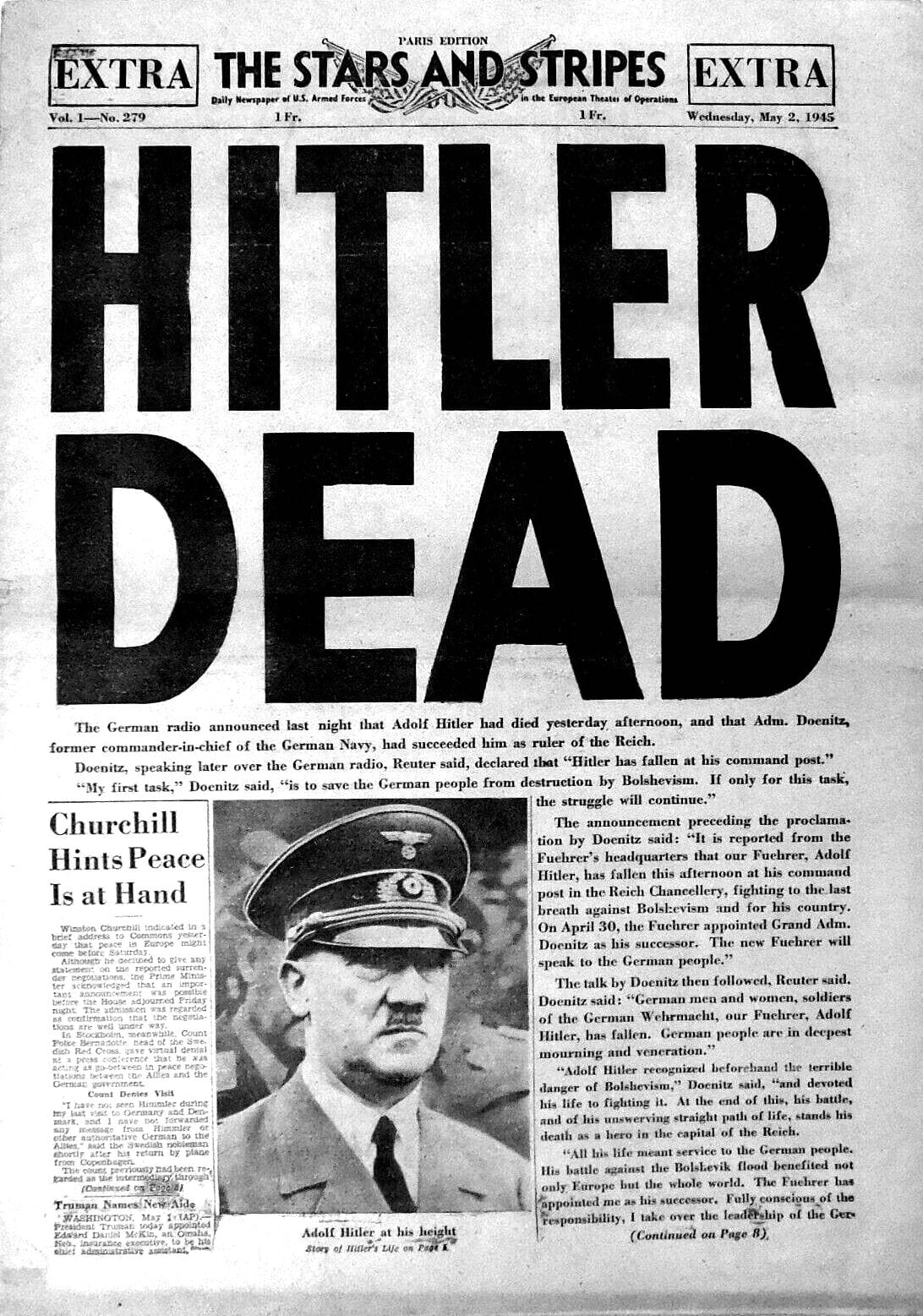
The first information on Hitler’s death stemmed from the formal declaration issued on North German Radio on the night of 1 May 1945 – and this proclaimed that Hitler had fallen while ‘fighting to his last breath’ against the Soviet army.
The next day, the first headlines across the Allied media likewise made some reference to the dictator having ‘fallen at his post’ but emphasised that this was all based on claims emanating from German radio.
Very quickly, though, it was recognised that the cause of death could be important in terms of promoting – or puncturing – postwar martyrdom legends. Behind the scenes, therefore, observers within the UK Foreign Office agreed to counter the death-in-battle narrative with less heroic tales of Hitler’s previously failing health.
Unseen Histories
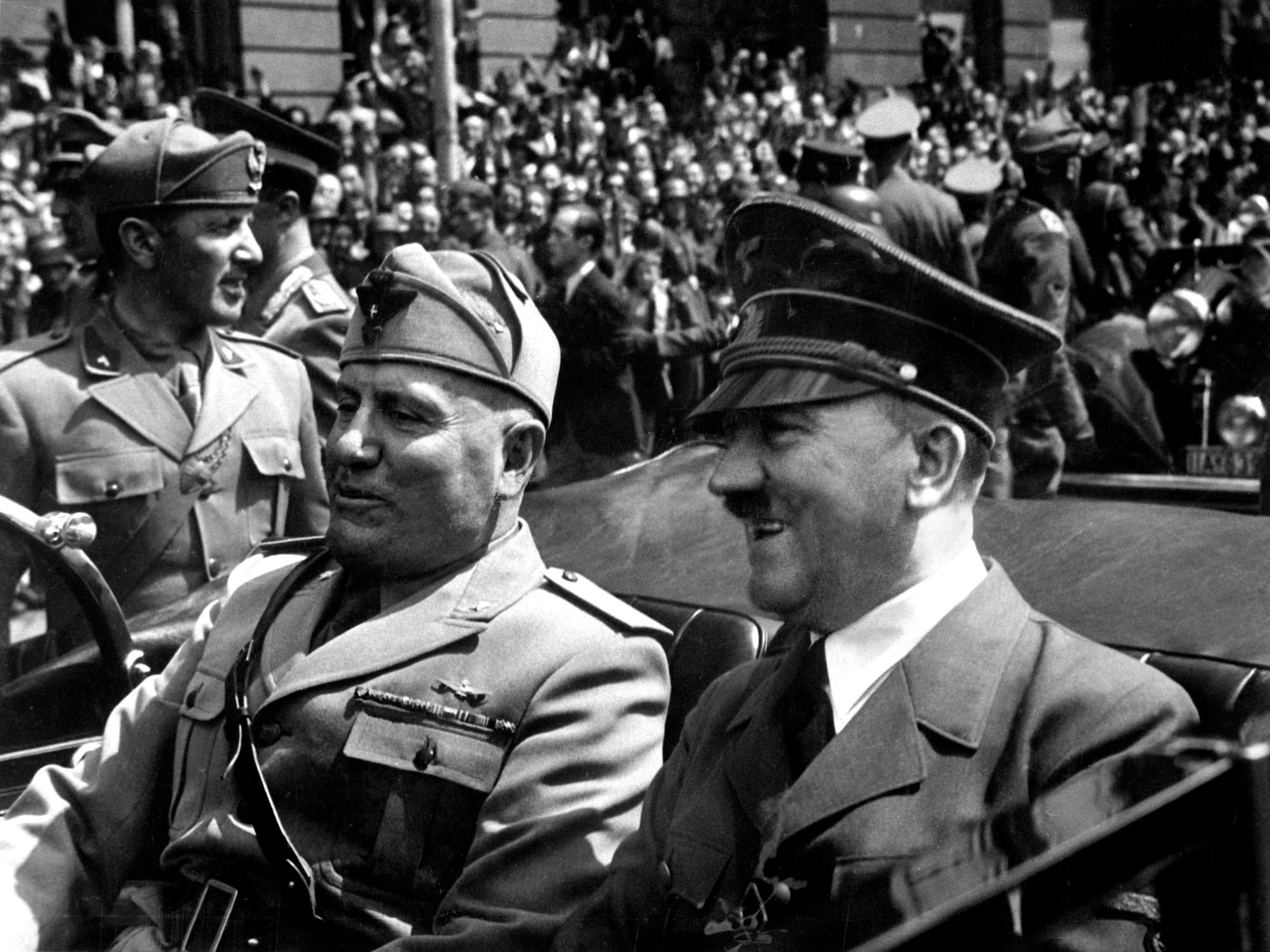
The manner of Hitler’s death seems to be the exact opposite of Benito Mussolini’s several days earlier. One was a public spectacle, the other very private. You point out that Heinz Lorenz, a press secretary, was able to inform Hitler about Mussolini’s execution. Did learning about this shape Hitler’s actions on 30 April 1945?
Caroline Sharples
We have several testimonies from Hitler’s former staffers that talk about Hitler hardening his resolve not to fall into enemy hands, even posthumously. He is very clear that he does not want his own body to be paraded publicly or humiliated in any way and so he leaves verbal and written orders for his remains to be cremated immediately after his death.
Unseen Histories
Presumably the prospect of Hitler’s death was anticipated in Britain. Was there any formal planning done to prepare for it?
Caroline Sharples
There was certainly an expectation, building since the Allied Declaration of December 1942, that captured Nazi war criminals would be brought to account, one way or another, after the war. And Hitler obviously featured at the top of the list of these wanted characters.
There was some talk of summary executions before the summer of 1945, of course, brought the formal drawing up of plans for the International Military Tribunal at Nuremberg to prosecute the leading, surviving personnel of the Third Reich. But by then, Hitler had obviously already taken his own life.
Unseen Histories
On physical survivor of the Führerbunker was Hitler’s ‘testament’. What was this and how did the Allies respond to its discovery?
Caroline Sharples
In his final hours, Hitler dictated his Personal Will and Political Testament. Both of these documents announced his intention to end his own life in Berlin.
The Political Testament also provided him with an opportunity to repeat a lot of the old ideological rhetoric of National Socialism, including one more bitterly antisemitic rant about the alleged origins of the war.
He also dismissed Hermann Göring and Heinrich Himmler from the Nazi Party for ‘treachery’ (following their apparent efforts to negotiate unilaterally with the Allied) and named a successor Cabinet, to be headed by Grand Admiral Karl Dönitz. It was in this capacity that Dönitz broke the news of Hitler’s death during that 1 May 1945 radio announcement.
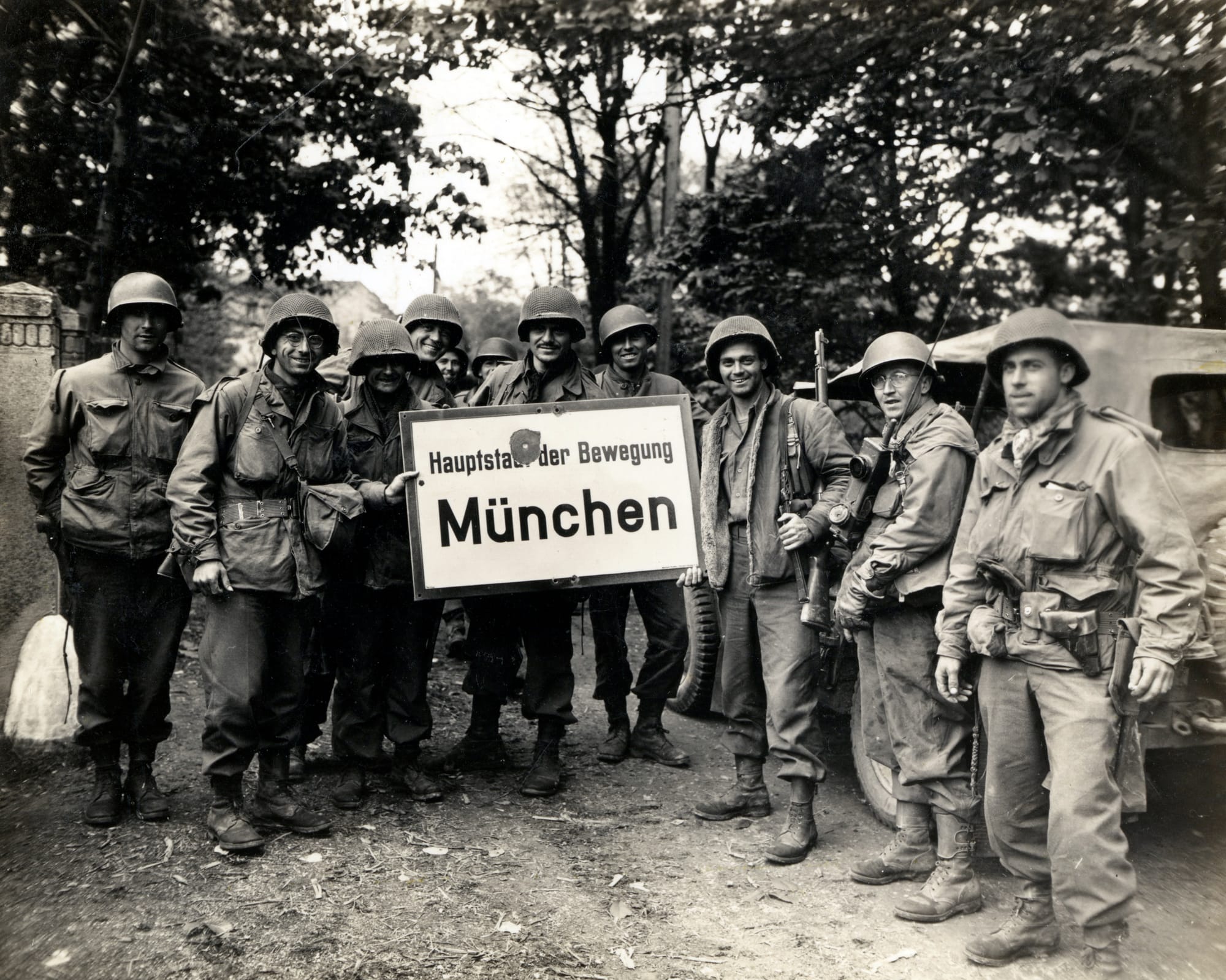
Hitler had ordered three copies of his testament to be made and couriered out of the Berlin bunker. One was to go towards the new Reich President Dönitz, then stationed in Flensburg; one towards the commander of the German forces, then in Prague; and one towards the Nazi Party archives in Munich.
Each was eventually recovered by the Allies by January 1946 but their discovery sparked a significant debate as to handle the documents. There was a genuine concern that Hitler’s ‘last words’ had the power to reinvigorate the Nazi spirit among political sympathisers.
By now, the Allies had embarked upon a programme of denazification and reeducation in occupied Germany and did not want this ‘dangerous’ document – described at one point as a potential ‘object of veneration’ – to disrupt the fragile postwar order.
Thus, it was debated as to whether the testament should be published with a debunking commentary; placed safely under lock and key away from public gaze; or destroyed completely.
In the end, of course, word got out to the press but the general tone, when reproducing the contents of the testament in the newspapers, was actually one of mockery. Journalists, for instance, drew attention to the scratchy nature of Hitler’s signature (hardly the bold flourish of a strong man), and stressed how the document represented both Hitler’s deranged fanaticism and his abandonment by former loyalists like Göring and Himmler.
Unseen Histories
The early months of 1945 saw the Allies and the Red Army engage in a race towards Berlin – a race the Soviets won. Is it true to say that Stalin seized the chance to shape the narrative about what had happened to Adolf Hitler?
Caroline Sharples
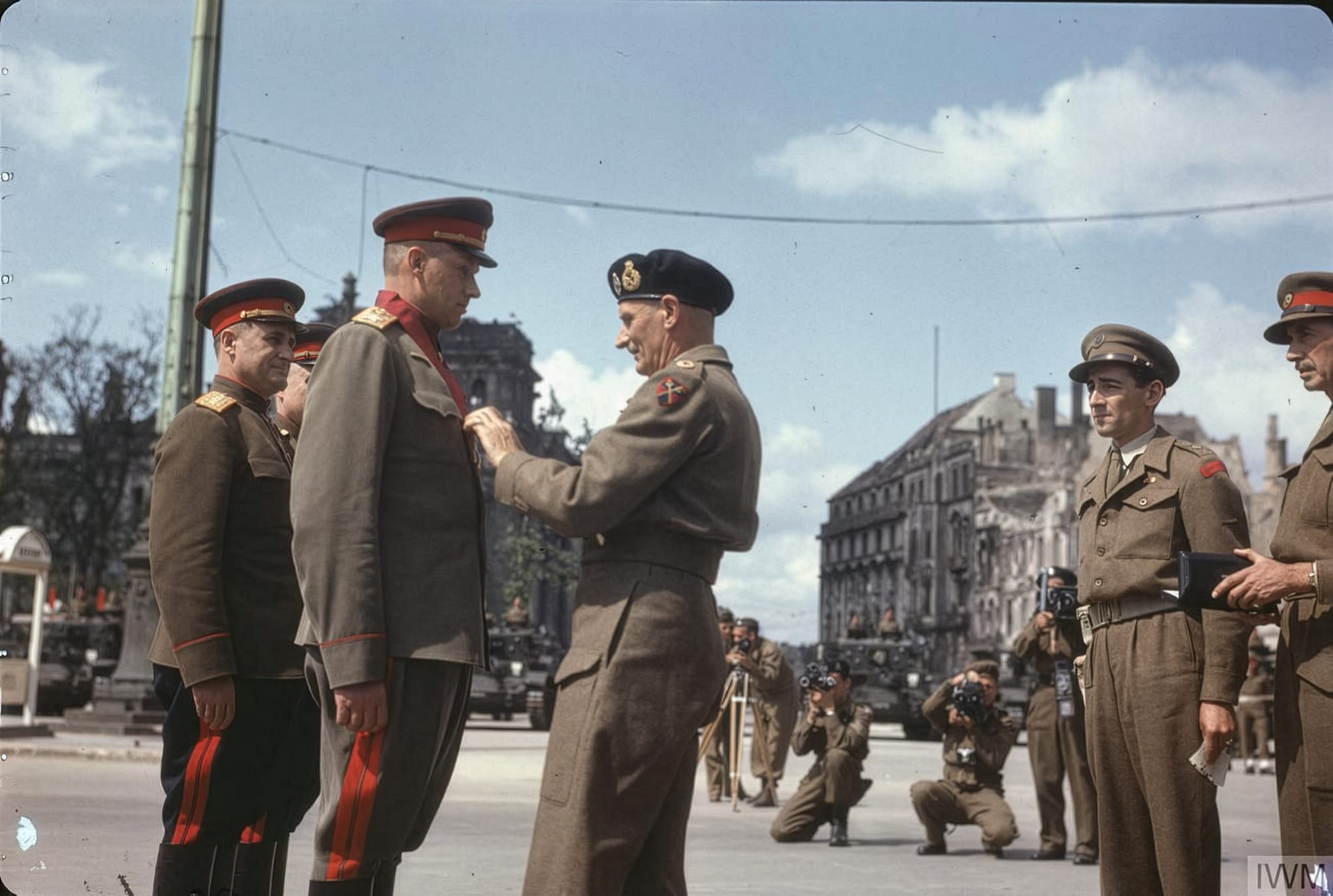
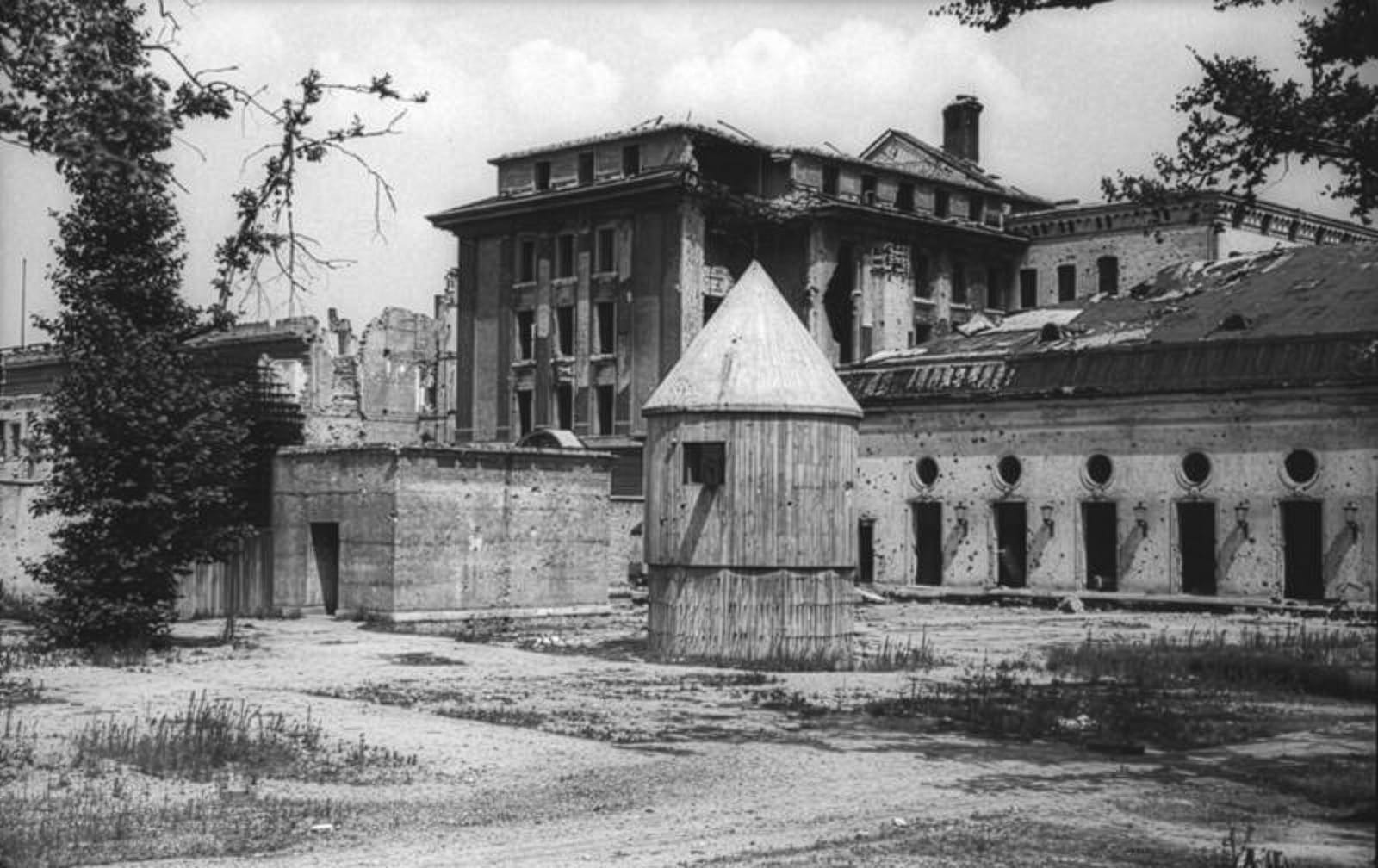
The realities of the advance across Germany meant that it was the Soviets who first reached Berlin and, by extension, the former Reich Chancellery and attached Führerbunker. This meant that the Red Army literally controlled the scene, had the first searches of the site and captured some of the most informed witnesses from Hitler’s bunker.
Initially there seemed to be a real expectation – at least from those on the ground – that information would be shared. The western press eagerly followed the search of the Reich Chancellery conducted by Smersh (Soviet intelligence unit) and the Quadripartite Intelligence Commission set up in Germany promised to pool any evidence as it emerged.
In practice, Stalin was vocally casting doubt on Hitler’s death, suggesting that he was probably in hiding, and this affected Smersh’s willingness (or ability) to divulge any findings they had made. Exactly why Stalin took this stance is unclear; some commentators attribute it to his paranoia, others highlight the geopolitical advantages of peddling the prospect of a still-living Hitler.
For instance, if there was any chance that the Nazi dictator might yet make a reappearance, Stalin could try and push for harsher terms in the postwar peace settlement to really weaken Germany. But the effect of all this was that it encouraged doubts about Hitler’s mortal status to grow and this, in turn, would fuel some of the emerging survival legends.
Unseen Histories
In July 1945 a report was being confidently asserted that Hiter had reached South America in a U Boat. What other competing theories appeared in those early days?
Caroline Sharples
The spring and summer of 1945 saw various theories about a still-living Hitler. At first, these were confined to rumoured sightings of him within Germany, hiding in the woods near Heidelberg, living under an assumed name in Hannover or preparing to launch a counter-offensive from a stronghold in the Bavarian mountains.
Some claimed he’d altered his appearance through plastic surgery. These sorts of stories then evolved into complex escape routes with suggestions he was hiding out in Spain, or had even fled to safety in Tokyo!
In July 1945, though, there were reports of a captured German submarine off the Argentinian coast which prompted allegations that it had dropped Hitler and Eva Braun ashore and that the couple were now safely ensconced within an estate owned by Nazi sympathisers.
This was basically the origin of enduring myths of a South American hideaway. No doubt, it gained further traction as a result of the known examples of other prominent Nazis such as Eichmann and Mengele seeking refuge on the continent after the war, but there is absolutely no evidence that Hitler ever took this journey himself.
Unseen Histories
Who were the ‘bunker witnesses’ and what information did they yield during the ‘core investigative period’ immediately after the war’s end?
Caroline Sharples
There was an interesting pool of characters who were still attached to the bunker during the final days of the war. These included members of secretarial staff, bodyguards, various generals and ‘household’ staff such as Hitler’s cook, chauffeur and valet.
Those with the most intimate knowledge of Hitler’s death, however, typically ended up in Soviet custody from May 1945. Their testimonies were not heard in the West until their release in the mid-1950s.
Unseen Histories
Clarity seemed to settle on the story in 1947 with the publication of Hugh Trevor-Roper’s The Last Days of Hitler. How did Trevor-Roper gather his materials and what was his conclusion?
Caroline Sharples
In autumn 1945, Hugh Trevor-Roper headed the first formal enquiry into Hitler’s fate for British Military Intelligence. In the apparent absence of an identifiable corpse, he was entirely reliant on eyewitness testimony.
Yet those with the most detailed information were being held by the Soviets and were not available for him to interview. Trevor-Roper had to make do with a relatively small pool of witnesses, but these included two figures, bunker guard Hermann Karnau and former chauffeur Erich Kempka, who provided vivid descriptions of watching Hitler’s makeshift cremation.
Ultimately, Trevor-Roper concluded that Hitler had taken the decision to end his own life on 30 April 1945, and that the Nazi leader had shot himself in the head.
Unseen Histories
A strong theme of your book is the ‘meaning’ of Hitler’s death. As there was no body, no funeral and because the circumstances were contested, it is true to say that people were uncertain how to react to it – and that they did in surprising ways?
Caroline Sharples
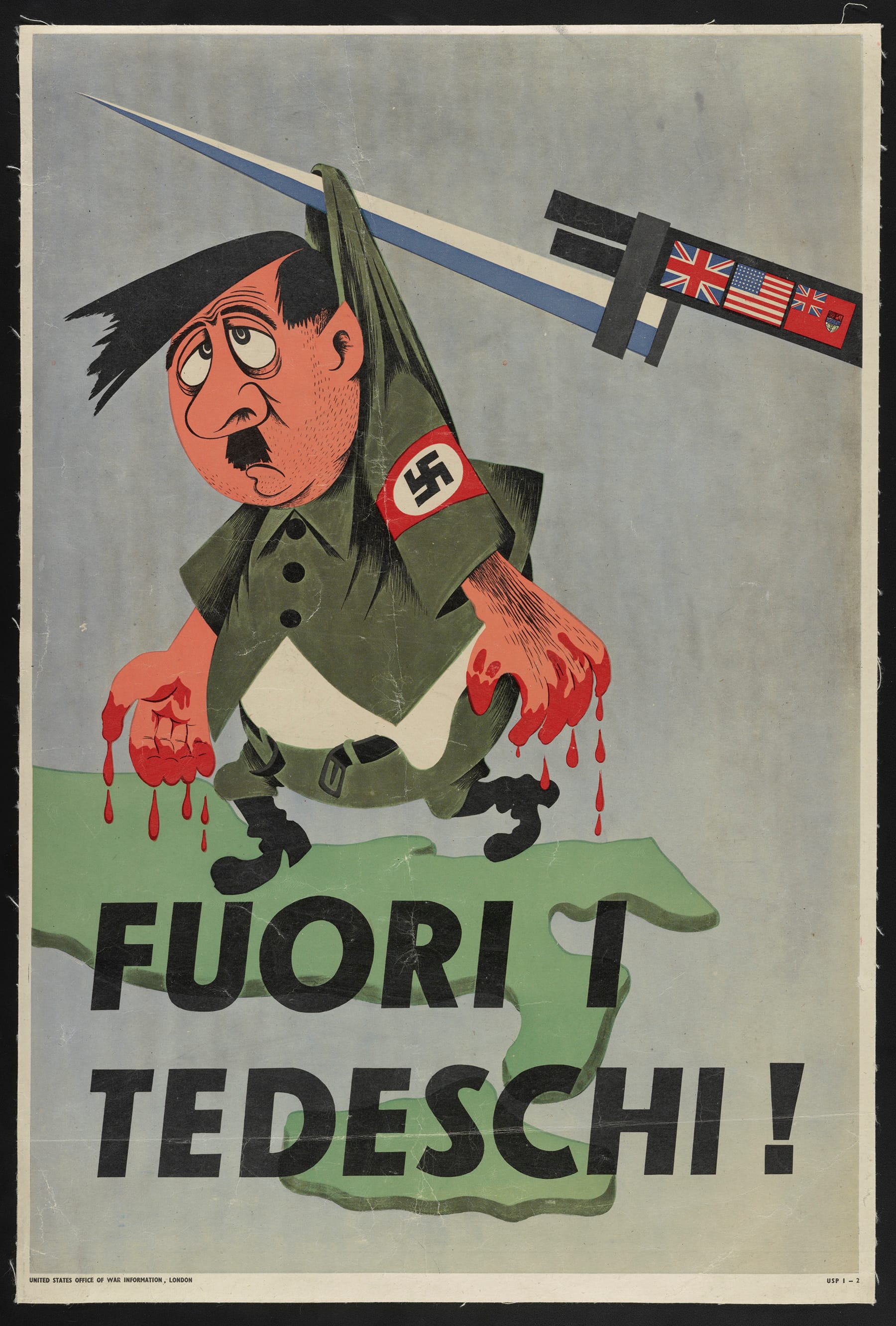
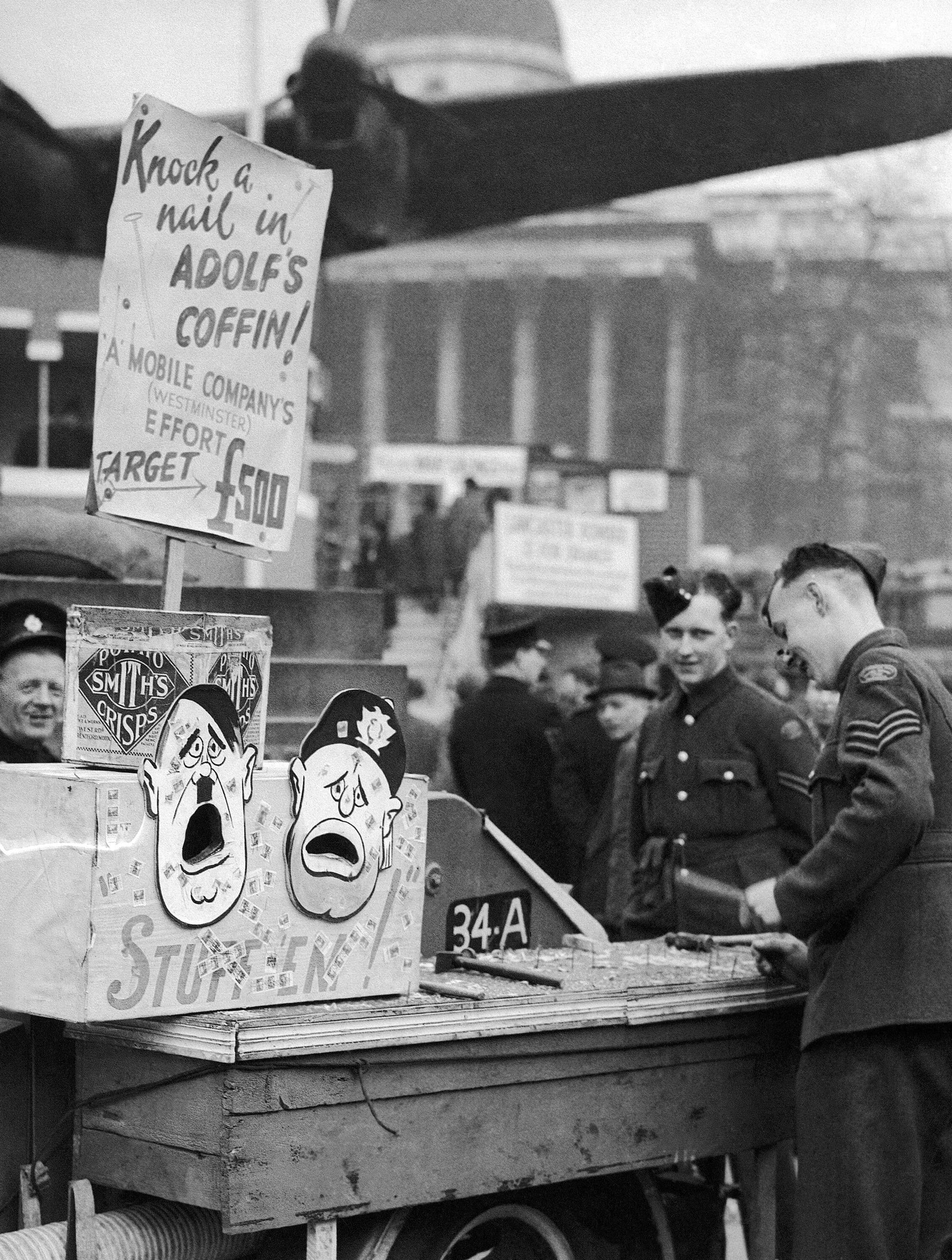
One of the big themes of my book is the manner in which ideas of Hitler’s death had been built up in the popular consciousness before 1945. Throughout the war, for instance, his demise was routinely depicted in Allied propaganda and imagined in all sorts of jokes, songs, and fundraising activities.
Effectively, his death had been anticipated as a war goal and held up as a veritable form of entertainment and morale booster. We might argue that reality could never match these expectations, and certainly the bathetic circumstances of Hitler’s demise – when it came – created a sense of disorientation, dismay and disappointment among Allied civilians.
He was not captured, tried and executed. There was no visible corpse. Hitler was not seen to die. One of the most intriguing forms of response then, came on VE Day when many towns and villages across the UK created Hitler effigies to put on the celebratory bonfire.
This, in itself, was typically regarded as the high point of the festivities – but some communities took matters even further, staging a mock trial of the Hitler effigy, ‘executing’ it by hanging it from a nearby tree, and then destroying the ‘corpse’ on the bonfire.
In other words, people came up with some really creative ways in which they could pretend to get their hands on ‘Hitler’ and administer the sort of justice they felt he had deserved. This allowed a moment of catharsis after all those years of conflict.
Unseen Histories
You point out, too, that with all the usual rites of death absent, Germans were left in a strange psychological space: denied the opportunity to mourn or question. Did this result in the event becoming a taboo in German culture?
Caroline Sharples
With Hitler dying amid imminent total defeat and regime change, there clearly was not the capacity to observe the usual conventions of a period of mourning.
Previously, it has been suggested that ‘no one’ shed a tear at his demise but, after twelve years of a regime very much built around an emotive cult of the Führer, such claims seem to be far too simplistic. Looking across a variety of sources, including diary entries, memoirs and interviews and overheard conversations recorded by Allied journalists in 1945, it becomes clear that there was a range of responses.
A few people did express sadness; some felt shocked and confused; others expressed anger at the fact Hitler had just abandoned them at the end; a sense of betrayal thus emerged. But, with the advance of Allied forces, there was certainly a recognition that it would not be too politic to express too much emotion towards Hitler’s passing. And we also have to be attuned to the fact that people had their own war losses to contend with.
Unseen Histories
Your book includes a map of ‘supposed sightings of Hitler’ in the postwar years. Many of these are located in South America where Mengele and Eichmann are known to have ended up. Where else was he said to have hidden out?
Caroline Sharples
The supposed sightings of Hitler after 1945 are so outlandish! He seemed to be everywhere from Madrid to Miami to Mexico City; from Tokyo to a Tibetan monastery.
These stories might get picked up in the press which would, in turn, engender a new round of allegations and complex conspiracy theorising about a Nazi cover-up designed to conceal his flight from Berlin.
Unseen Histories
Politically dead in 1945. Legally dead in 1956. What part of Hitler’s death was reserved until the year 2018?
Caroline Sharples
The last piece of the puzzle concerned the biological, or forensic, proof of his demise. Back in 1945, the obvious impediment to persuading audiences of Hitler’s death was the apparent lack of an identifiable corpse. There had been whispers over the years that the Soviets had found something during their initial searches of the Reich Chancellery, but it was not until the 1960s that an alleged autopsy report was finally published.
This was not taken that seriously at the time by western audiences, mainly because the report seemed incomplete, and the publication was very propagandistic in tone. But the end of the Cold War and collapse of the USSR in the early 1990s allowed a brief opening-up of the former Soviet archives, and it became clear that dental remains, apparently belonging to Hitler had been held there for decades.
In 2018, then, we got the latest addition to Hitler’s death story when French scientists viewed these materials first hand and, having aligned them with other available data such as Hitler’s known dental history, confirmed the identity of their former owner •
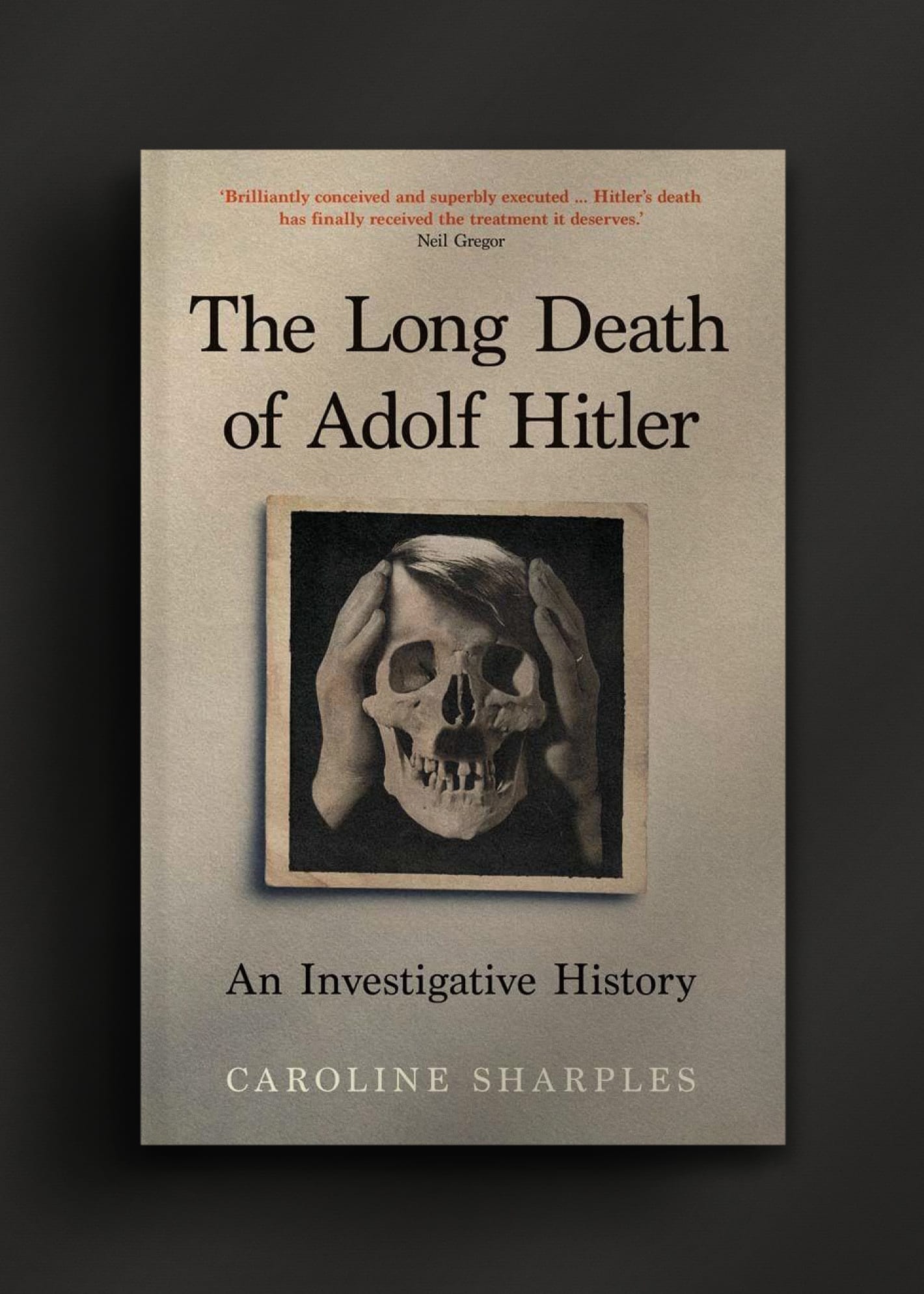
The Long Death of Adolf Hitler
Yale University Press, 10 March 2026
RRP: £25 | ISBN: 978-0300284911
A fascinating exploration of why Hitler’s death was only confirmed in 2018
Adolf Hitler has taken a long time to die, despite the lethal efficiency of the gun he put to his head in April 1945. Although eagerly anticipated around the world, there were no available witnesses to his suicide—and his corpse was not put on display. This created the perfect vacuum for myth and survival legends, while rival intelligence agencies and propaganda further confounded the investigations of successive historians.
Caroline Sharples explores the aftermath of events at the Führerbunker in the first cultural account of this decisive yet elusive moment. Hitler’s death was widely anticipated, and the news elicited a huge range of emotions as governments and secret services scrambled to verify what they heard. The search for proof of death led to an outpouring of conspiratorial thinking, and the final moments of Hitler’s life have been reimagined ever since.
This is an intriguing, unsettling account of a historical event we all think we know—and a sophisticated examination of how history is written.
With thanks to Katherine Powell.
📸 Dive into our Features
🎤 Read Interviews
🎧 Listen to Podcasts
🖼️ Buy fine art prints & more at our Store



.jpg)


.jpg?ref=unseenhistories.com)
