
The Killing Age with Clifton Crais
One of the great terrors of the Enlightenment lay in the way it justified death as the cost of progress. Clifton Crais explains his view of 'the Killing Age'


Recently the idea of the 'Anthropocene' – a geological epoch shaped by human activity – has quickly gained ground in popular culture.
But where did this new age come from? What changes signalled its beginning and what moral lessons do we have to learn?
As Clifton Crais, the author of The Killing Age, considered such questions a new view of the Enlightenment formed in his mind. Here he tells us about the 'Mortecene', a destructive era that has strong roots in Enlightenment Britain.
Questions by Peter Moore

Unseen Histories
The Killing Age reads like a book that has been very long in the making. How far back can you trace its roots?
Clifton Crais
I began actively researching the book in 2017–18, but, in some respects, I have been thinking about some of these issues for nearly forty years, going back to my days in graduate school at Johns Hopkins in the 1980s.
A number of books were then appearing that explored global history and especially capitalism as a world system. This was sort of the study of globalization avant la lettre. Two things happened that helped compel me to research and write The Killing Age. The first was the very rapid take-off of the concept of the 'Anthropocene' from the turn of the millennium. It was remarkable to me how quickly the word spread across academia and public cultures around the world, especially from about 2012.
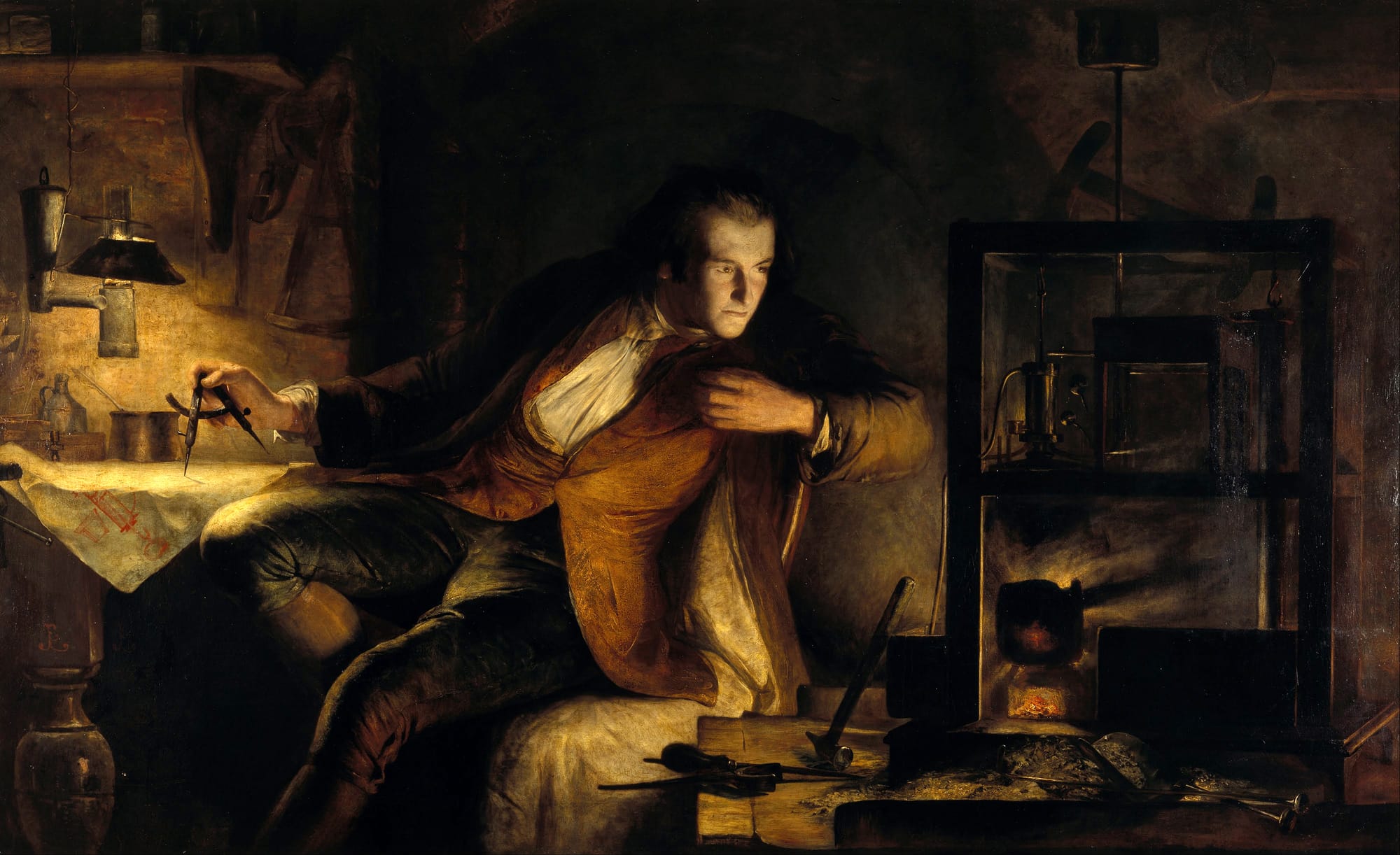
There was something very odd, however, indeed rather paradoxical. Everyone seemed to be leap-frogging from the invention of the steam engine, especially Watt’s new one patented in 1784, to the present. This intuitively didn’t make much sense, at least to a historian! And it all felt very old-fashioned, very Eurocentric.
So, I simply began with a question: 'What would a history of the Anthropocene look like?'
This led me to the second issue. Most historians were still doing national histories or fairly narrow transnational ones. The humanities generally were consumed with culture or what we might call identity politics. And humanists were generally not reading much science.
And so it began!
Unseen Histories
Destructive violence is usually associated with the massive global conflicts of the twentieth century, but you anchor your study much earlier than that. What early moment did you choose for your starting point and why?
Clifton Crais
The bloodletting and destruction of what some call the 'short' twentieth century (1914–c. 1970) remains unparalleled in human history. What is striking about this period is that there were fewer wars, but they were far more destructive of human life and property. There is no getting around this barbarism, just as there is no avoiding Stalin’s terrors and the enormous wastage of life in China under Chairman Mao, or the senseless American bombing of Vietnam.
But these conflicts were largely driven by political religions: nationalism, territorial imperialism, fascism, and communism.
In The Killing Age I am more interested in the relationship between violence and economic development. This includes violence that was used to turn humans and non-humans into commodities. Due to this, equating the period I study with the twentieth century is a bit like comparing oranges and refrigerators!
The nearest parallel with what I explore and the present is the eastern DRC, where you have terrible violence and warlordism tied to the production and movement of rare earth minerals like coltan.
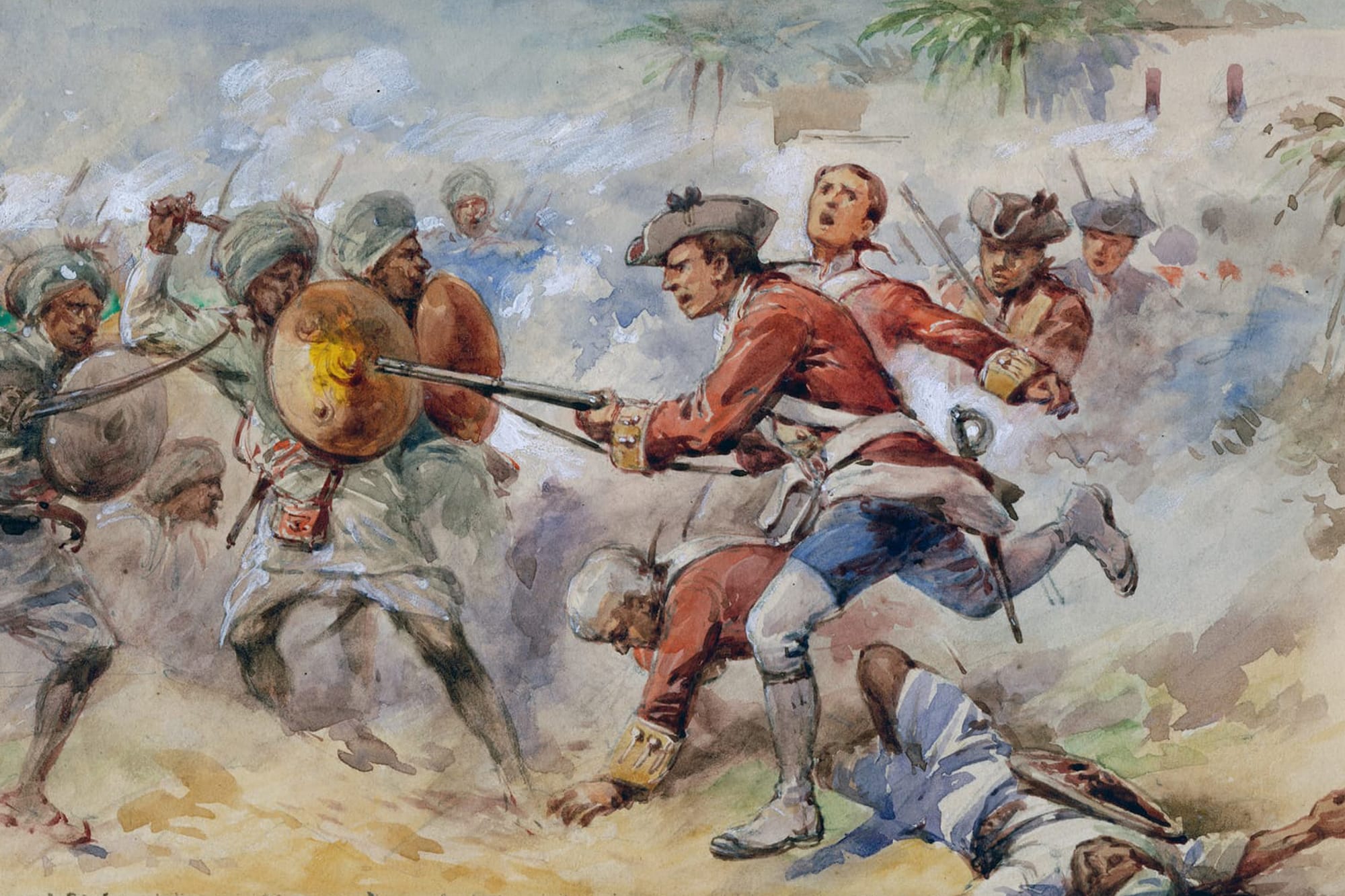
This is where the Seven Years’ War (1756–63) is particularly interesting. In many respects, this global war was all about a scramble for resources, real and imagined.
The British basically solidified control over North America (at least for a few years!), the Caribbean, and especially South Asia. So, one sees a terrific increase in sugar production from places like Jamaica and tied to this British predominance in the Atlantic Slave Trade. Jamaican sugar exports increased by about a third between the 1760s and 1790s and generally kept on rising.
And the Seven Years’ War – really the first world war – was fought with muskets, at least on land.
Unseen Histories
Could you identify some of the key technological developments that propelled us into the period you call the ‘Mortecene’, the age of death and killing?
Clifton Crais
In some respects, there are parallels with the period I explore in The Killing Age and today, including AI.
In both periods humanity has grappled with what seems like runaway technological change: improved steam engines; improved boring machines; the spinning jenny; the cotton 'gin' or engine; the power loom; various developments in metallurgy; improved canals; locomotives; steamships; improved lighting; vulcanization; the telegraph; the beginning of refrigeration; the general shift to coal and away from wood; and the move towards systemized mass production.
These are some of the usual technological developments and they are just a few. But I think we have to add financial ones as well, and that includes the law. In other words, the technologies of commerce: the spread of banks and the emergence of a global banking system; commercial paper and debt markets; insurance; bankruptcy laws and the rise of limited liability; the British pound as global currency.
One point is simply the dizzying pace of change. Many of these developments unfolded in a single lifetime, in some cases just a few decades, a fact we often lose sight of today as the pace of change seems ever more accelerated. These developments opened the door to economic dynamism, including speculation.
The crucial thing to remember is their entanglement, the combination of developments that made the capitalist take-off really possible. They also required resources; at times, demand for resources seemed insatiable.
The usual suspects in the usual story are coal and iron. These increased fantastically, likely as much as 45 times for British coal between 1750 and 1900. This is the story that most everyone is familiar with. It is significant that in this story no one gets hurt/killed (beyond the miners of course). I wanted to delve more deeply, partly by adapting and expanding what is called 'commodity chain analysis,' which is sort of a biography of a given product.
And this is how I got to the idea of the 'Mortecene.' That bolt of cotton coming off a mill in Manchester in around 1820 or so? Well, that cotton came from slave labor. Where? – Especially the American South. What was going on there? –Displacement of native peoples using violence and destruction of forests etc. Where had the slaves originally come from? –Africa (the USA achieved self-reproduction early on, so the story is complicated). What happened in Africa? – Spread of weapons and enslavement.
This is sort of how I proceeded. But crucially, the big point is the transformation of people and nature into saleable commodities. This is why the destruction of bison is tied not to solving the 'Indian Problem' but to the demand for belting. Or whales for oil. Or beaver for felting. In each case it isn’t explained by a single technology. It is rather the combination of technologies that made the Mortecene possible.
Unseen Histories
Birmingham, that famous centre of ‘the Lunar Men’ and known as ‘the toy shop’ of the world, plays an important part in your story. Can you describe its significance?
Clifton Crais
In some respects, Birmingham was England’s Silicon Valley, a place of enormous dynamism and relentless innovation. I like to think of Birmingham as a place where things came together and 'congealed': the fundamental innovations of the age, many of the greatest minds, and England’s global reach.
So, we have the great James Watt and Matthew Boulton, pioneers not just of the technology of the steam engine but also savvy businessmen. We have intellectuals like Joseph Priestley, who basically discovered oxygen in addition to other discoveries in the natural and social sciences. But we also have a slew of visitors who well knew that Birmingham was the place, for example Benjamin Franklin.
What so distinguishes Birmingham from today’s Silicon Valley is that things were being made in and around the city. Equally it is important to note that Birmingham both attracted and nurtured developments but also disseminated them.
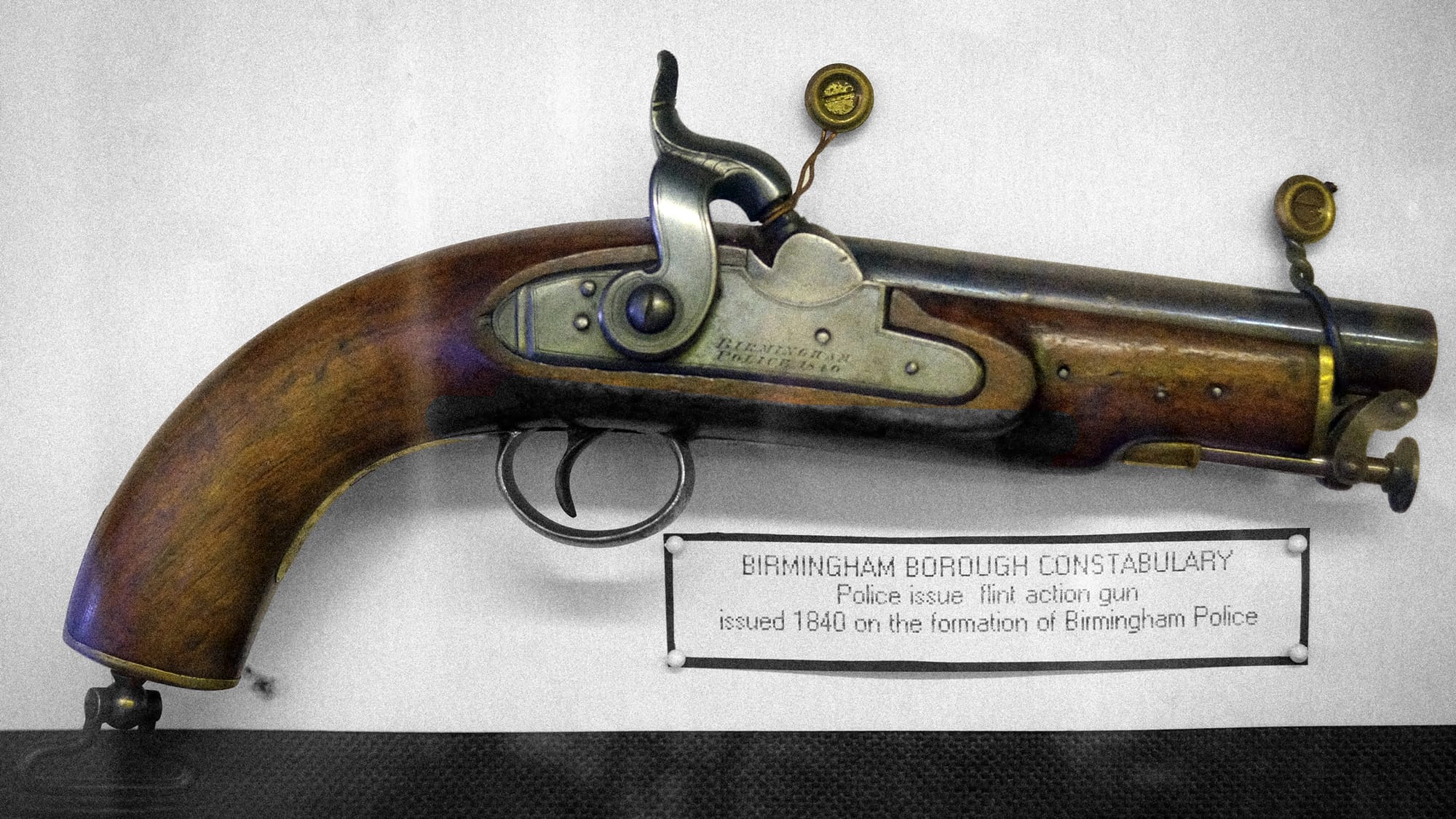
And, significantly, Birmingham was a world center of weapons production. It was really the home of mass production a century before Henry Ford. For some, such as one industrialist, Samuel Galton, this would create a moral crisis.
Unseen Histories
Violence is a part of human nature. But interestingly you point out that in the early modern age there was much less zeal for gun ownership, with people across the world owning locally made weapons. Can you explain why this was?
Clifton Crais
Yes, violence is part of being human, though so also is love and being peaceable.
Every society, to my knowledge, has or had a warrior culture. Part of this culture entails the use of weapons and more generally an ethic on and around masculinity. (As an aside, early on there were various criticisms around the use of drones, including that this was 'push button' killing, a desk job, and required no courage or valour. Of course, this has all changed.)
If we briefly look back across human history, we can see that the earliest weapons were democratically available; anyone can pick up a rock, use their hands, or fashion a spear or bow and arrow. Certain technologies were game changers, for example, metals. Combine metals with horses and you have calvaries.
These technologies often have political consequences: metals associated with states, calvaries with empires (think Genghis Khan, or the Empire of Mali). Early guns just were not all that good, and supplies of lead and powder were uneven/inconsistent. Early guns were especially ineffective in wet, tropical environments.
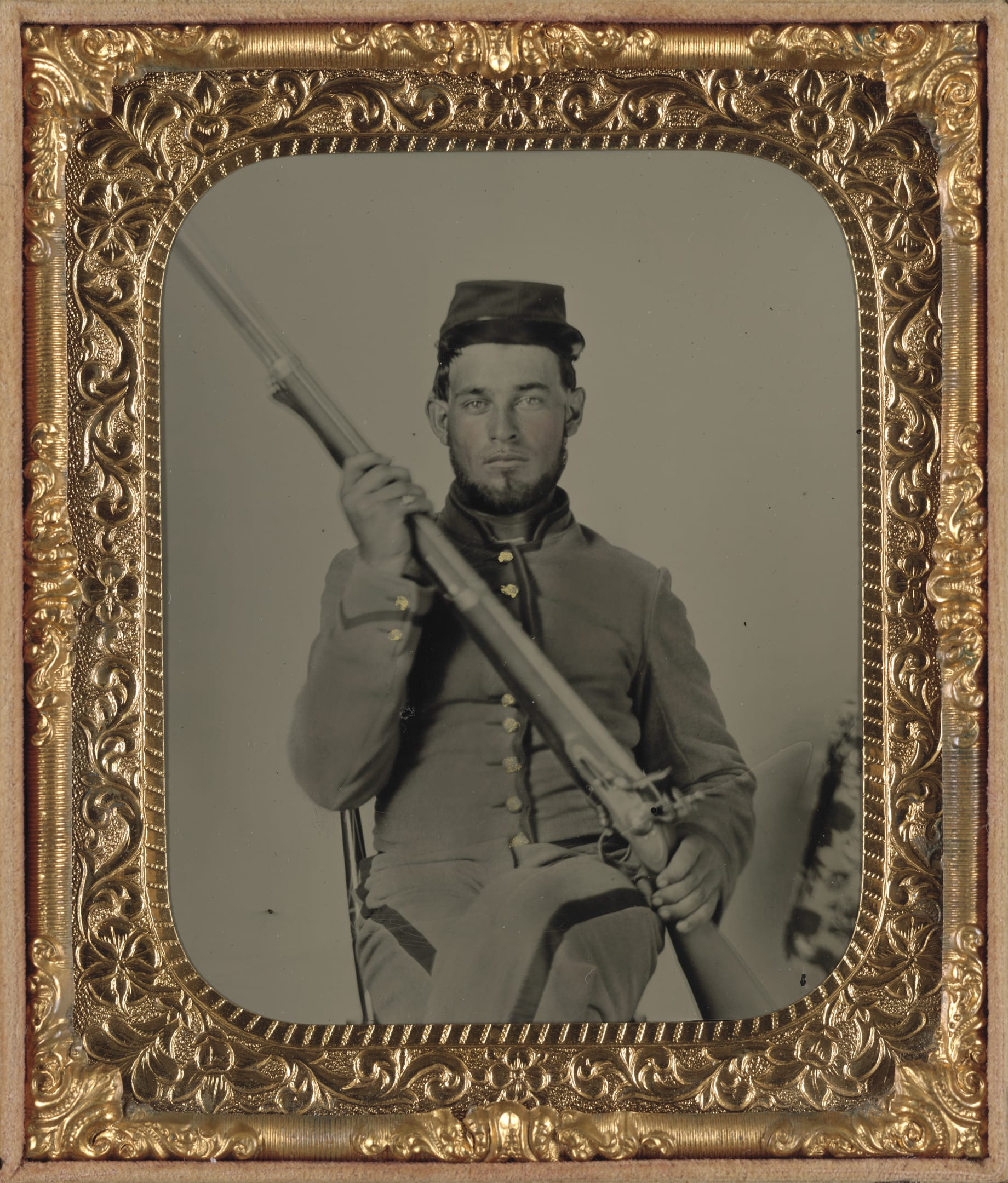
Therefore, widespread adoption confronted two challenges. One was technological. The other was cultural. To make a long story short, technology won. Flintlock muskets were far more effective than earlier guns, and way better than most traditional weapons. And lead and gunpowder became widely accessible. Both yielded good profits as well.
Cultures shifted to accommodate the new technology. To be clear, however, what is very important is that the spread of guns was tied to, indeed a part of, one stage in the development of the world economy.
Unseen Histories
In the 1750s Samuel Johnson wrote in disgust at the ‘wanton merriment’ with which the Portuguese fired weapons at Africans during their voyages to the south, ‘perhaps only to try how many a volley would destroy’.
Was Johnson’s an isolated voice or was there resistance in place like Britain to the use of guns against unarmed populations?
Clifton Crais
Several critics have read The Killing Age as yet another example of West-bashing. This rather misses the point.
The various immoral economies I discuss were local creations. A crucial theme of the book is, basically, complicity. Greed is nearly universally common, including in effect selling one’s soul, or the Faustian bargain, or whatever.
At the same time, there has been the opposite, criticism of the developments I explore in The Killing Age and appeals to the better angels of our nature. And these criticisms emerged right away.
Sometimes, a single person inhabited what to us seems like contradictory positions. For example, the historian Priya Satia has explored the Galton family, one of the most important Birmingham dynasties and central to the musket revolution. The Galtons were significant philanthropists. Being Quakers, they were at times troubled by the profits they made in the gun trade, including guns helping fuel the Atlantic Slave Trade.
More generally, there were debates in Birmingham about the moral implications of the gun industry. Ultimately, Samuel Galton Senior had something of a crise de cœur and gave up the business ... to his son.
This highlights the fact that humans very often are paradoxical, contradictory animals. I, for example, use technologies full well knowing they are implicated in all sorts of terrible things.
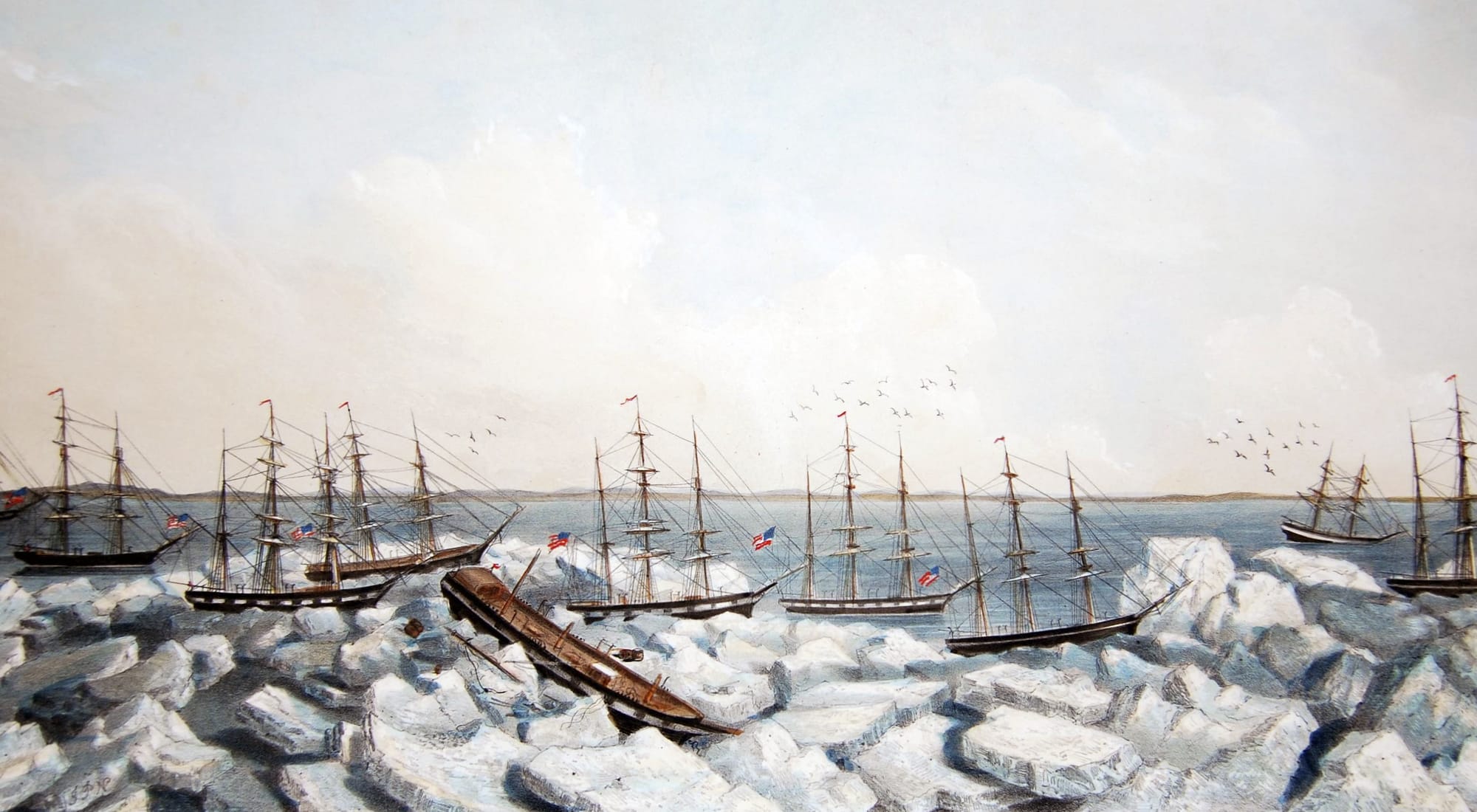
The most obvious connections and criticisms to violence in the eighteenth century came from abolitionists, though they very often added alcohol to the list of evils.
William Wilberforce, for example, in his famous A Letter on the Abolition of the Slave Trade (1791) called attention to the spread of guns. These early criticisms would gain momentum in the nineteenth century, culminating in the 1890 General Act I discuss.
The genealogy of that act is complicated, but at least one part leads back to the abolitionist movement.
Unseen Histories
Violence against fellow humans is only one feature of the ‘Mortecene’. You also examine the use of weapons against wildlife – for instance whaling – as part of a connected history. Is that correct?
Clifton Crais
Yes, that is correct. Weapons were used to kill wild animals, even at times when doing so didn’t make a lot of sense. For example, shooting a beaver instead of trapping the animal typically damaged the pelt. But my general point is to connect weapons to the commodification of nature, most obviously bison.
I should have detailed the use of musketry in whaling. We tend to have an image of the brave whaler tossing the harpoon, all true. But guns were being adopted to the whaling industry as early as the 1730s and were constantly refined and improved over the decades.
Unseen Histories
Do you view the industrialised killing of World War One as a culmination of the history of the previous century and a half? You say that, for Europeans, ‘the bloodshed had been taking place elsewhere’ prior to this?
Clifton Crais
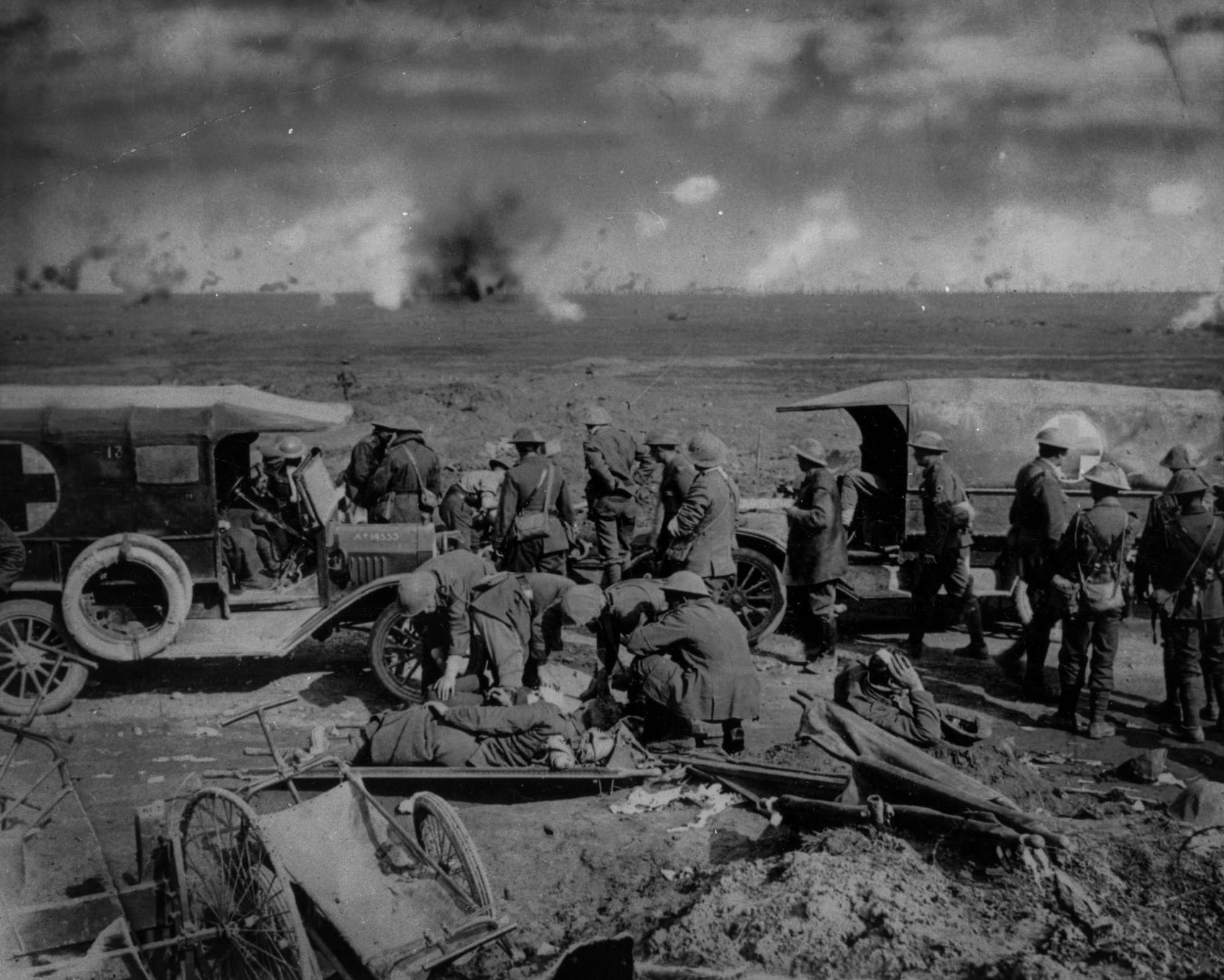
I basically agree with the great historian Eric Hobsbawm that the 'short' twentieth century began with World War One. The Great War brought to an end what had been a relatively peaceful period for Western Europe going back to the end of the Napoleonic Wars.
The connections to the prior 150 odd years are complex. Much of the violence I explore is tied to economic change; basically, the big bang of modern global capitalism was intensely violent. And much of this violence was not driven by states, at least well into the nineteenth century.
What did unfold in the 1800s was the growth/rise of far more muscular and effective nations in the core areas, and this includes the growth of militaries.
Here the story is of imperial expansion, and it is a remarkable one. British military and naval personnel doubled in just about two decades. Warship tonnage also nearly doubled. German naval tonnage increased from 88,000 in 1880 to 285,000 in 1900. (The USA also doubled in size.)
This build-up was mostly outward facing, again much of it tied to imperialism. At the time, few could imagine that these now large militaries would be turned on one another. And this is the madness of World War One, which really quite shocked everyone.
Unseen Histories
You explain that Adam Smith saw all this killing as ‘the price of progress’. Has anything changed between the 1770s and now to give us real hope for a better future?
Clifton Crais
If I had continued The Killing Age I would have made the following observations:
1. Generally, the twentieth century was marked by fewer wars, but when they did happen, they were far more destructive.
2. This 'age of catastrophe' (Hobsbawm again) also saw extraordinary improvements. Across large areas of the world, people lived longer and better lives. Education expanded. GDP increased. And there have been so many political and cultural changes: the spread of democracy; human rights; environmental awareness.
3. Many of these positive developments unfolded in what some call the 'Great Acceleration' after 1945, and that means they are also connected to things like pollution. But there have been no world wars and there was a general decline in violence.
At least until around the 1970s and of course very recently.
So, in answer to the question, we live in perilous times, but few things are inevitable. Everyone seems to be now quoting Gramsci and I will too: 'The old world is dying, and the new world struggles to be born.' Gramsci warned of a 'time of monsters' and a period of 'morbid symptoms.'
Yes ... and no. New forms of energy are now becoming widely available. We are seeing in some places growing disenchantment with mass consumption. I may be a pessimist, but not by choice.
Perhaps we have to ask the question Adam Smith was interested in: what is progress? •
The Killing Age: How Violence Made the Modern World
Picador, 22 January 2026
RRP: £30 | ISBN: 978-1035013418
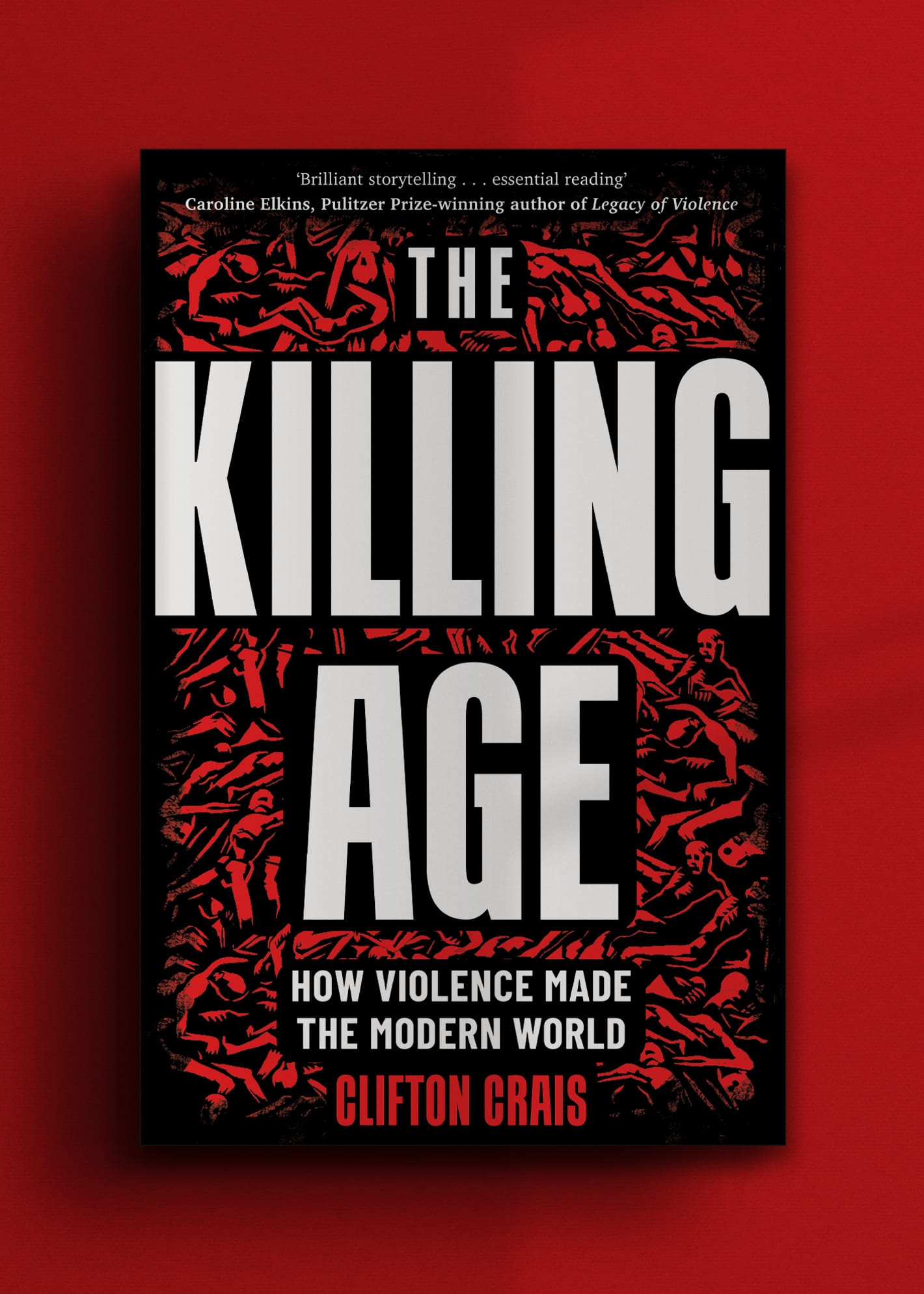
A bold, trailblazing history that asks: what if the movements that built the modern world – the Enlightenment, democracy, the Industrial Revolution – were more catastrophic than we ever imagined?
In this radical rethinking of modernity, Professor Clifton Crais argues that the era between 1750 and the early 1900s – seen by many as the birth of the Anthropocene – should instead be known as the Mortecene: the Age of Killing.
Killing brought the world together and tore it apart, as violence and commerce converged to create a new and terrible world order that drove the growth of global capitalism. Profiteering warlords left a trail of devastation across Africa, Asia, and the Americas, committing mass-scale slaughter of humans and animals, and sparking an environmental crisis that remains the most pressing threat facing the world today.
Drawing on decades of scholarship and a range of new sources, The Killing Age turns our vision of past and present on its head, illuminating the Mortecene in all its horror: how it has shaped who we are, what we value, what we fear, and the precarious planet we must now confront.
“Crais obliges us to confront the naked reality of a modern world order spawned from the barrel of a gun . . . This is a courageous and highly readable work”
– David Wengrow, co-author of The Dawn of Everything
With thanks to Connor Hutchinson.
📸 Dive into our Features
🎤 Read Interviews
🎧 Listen to Podcasts
🖼️ Buy fine art prints & more at our Store



.jpg?ref=unseenhistories.com)