
New History Books for March 2026
From Silence to the Battle of Trafalgar, King Henry VII to Adolf Hitler


Here is a selection of anticipated new history books that will be released over the month ahead.

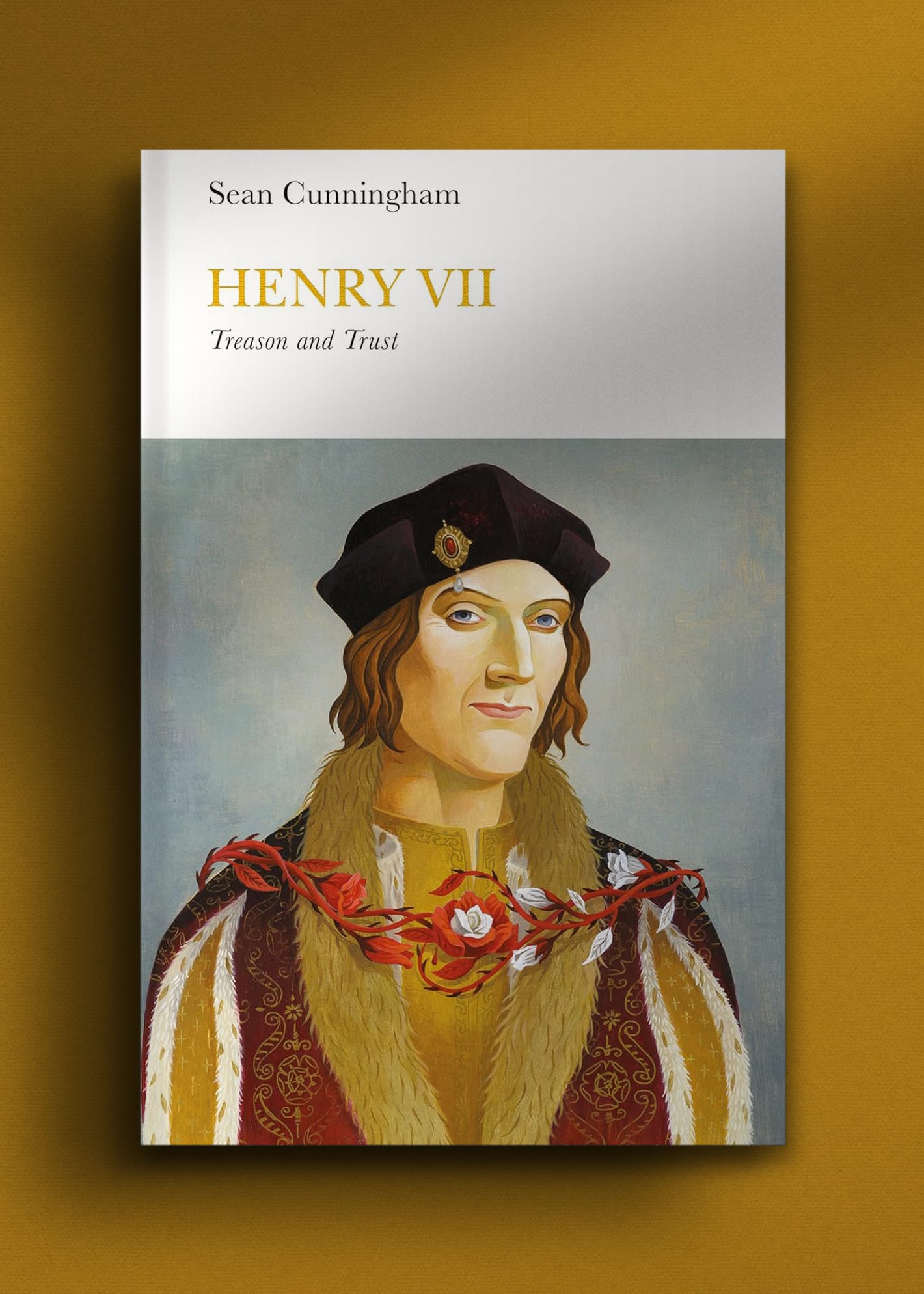
Henry VII: Treason and Trust by Sean Cunningham
Allen Lane, 5 March 2026
'Penguin's Monarchs' is a sparkling series of books that examines, in about 150 pages, the lives of those who have sat on the English throne. For those curious about a king or queen, but daunted by the prospect of a full length biography, they provide the perfect point of entry.
Entering this series now is one of the most beguiling monarchs of all. King Henry VII is certainly not as well known as his rambunctious successor (he of Cardinal Wolsey and all the wives) but he was a man of guile and courage whose legacy was to establish perhaps the most famous of all English dynasties: the Tudors.
Sean Cunningham is Head of Collections for the medieval and early modern period at the National Archives and here he crafts a nimble account of Henry's life. It is a story that, in many ways, was far more dynamic and interesting than that of his son's. From exile in Brittany he sensed his moment, crossing the Channel on 1 August 1485, triumphing in dramatic style at the Battle of Bosworth three weeks later.
But that was only one moment in a life that was a prolonged struggle. The years that followed, Cunningham explains, were ones of plots and betrayal, 'triumph and disaster'. By the time Henry Tudor, King Henry VII, died at the age of 52, he was a man emotionally and physically spent.
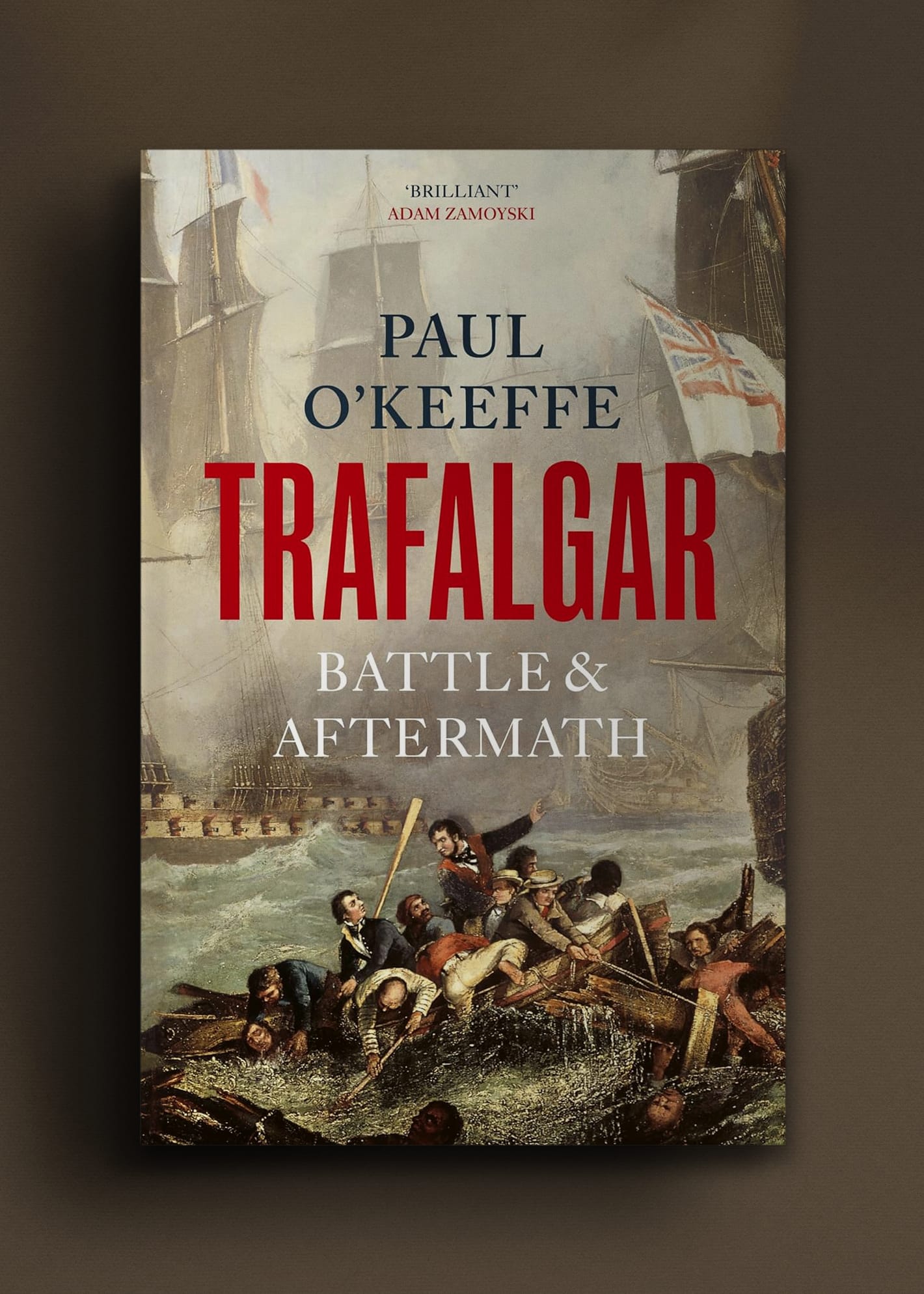
Trafalgar: Battle and Aftermath by Paul O'Keeffe
Bodley Head, 5 March 2026
There is a compelling clarity about history books that centre on a single event. Here, in Paul O'Keeffe's Trafalgar (a follow up to his Waterloo), narrow historical focus falls on those fateful few months at the tail of 1805 when Britain's great hero, Horatio Nelson, slammed his forces into the combined Franco-Spanish fleet. People have been talking about the Battle of Trafalgar ever since.
But what new is there to say? Nelson's tactics have been endless raked over; the geopolitical significance of the contest is well understood. And yet, as O'Keeffe thrillingly proves, there is more to be said. He abandons the eagle-eyed view for a narrative that is far grittier and sometimes macabre in its detail. O'Keeffe's interest lies chiefly in what Trafalgar was like for the ordinary Jack Tar, those whose bravery was in many ways very much like Nelson's own.
As in Waterloo, O'Keeffe looks hard at the aftermath. Not long after the guns fell quiet in October 1805 a tremendous storm whipped up along the southern Spanish coast. This, in Trafalgar, is much more than a coda to the battle. It is an event – one described at length – of great consequence in itself.
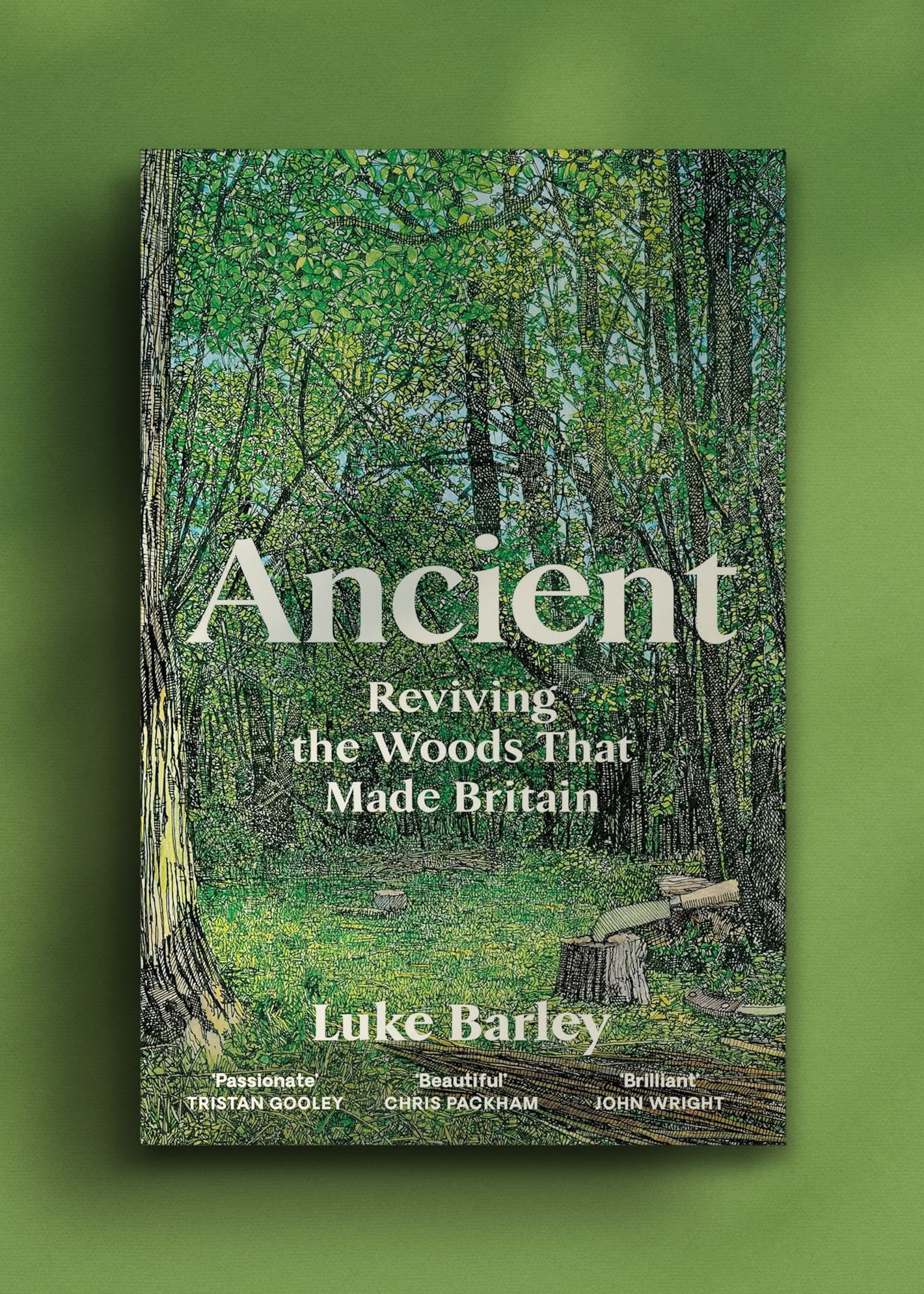
Ancient: Reviving the Woods That Made Britain by Luke Barley
Profile Books, 5 March 2026
Landscapes hold histories. This truth has a particular resonance when it comes to woodlands. From the little spinneys and coppices on the edge of villages, to the great forests of Sherwood, Needwood or Dean, they are a place of stories, of refuge, of intrigue, of Robin Hood.
This is the emotional lure that lies behind Luke Barley's Ancient. A ranger for the National Trust, Barley has spent years of his life in woodlands and he has come to appreciate that the most ancient of them (typically 'ancient' means more than four centuries old), contain both ecological and cultural significance.
It is the latter that will most interest readers of history. His book includes sections on deep time and the initial formation of the woodlands with others centred on the Middle Ages when common rights for foraging and grazing animals were formalised. This is an evocative, erudite and refreshing book, ideally timed as the bluebells (one sign of an ancient woodland) begin to stir.
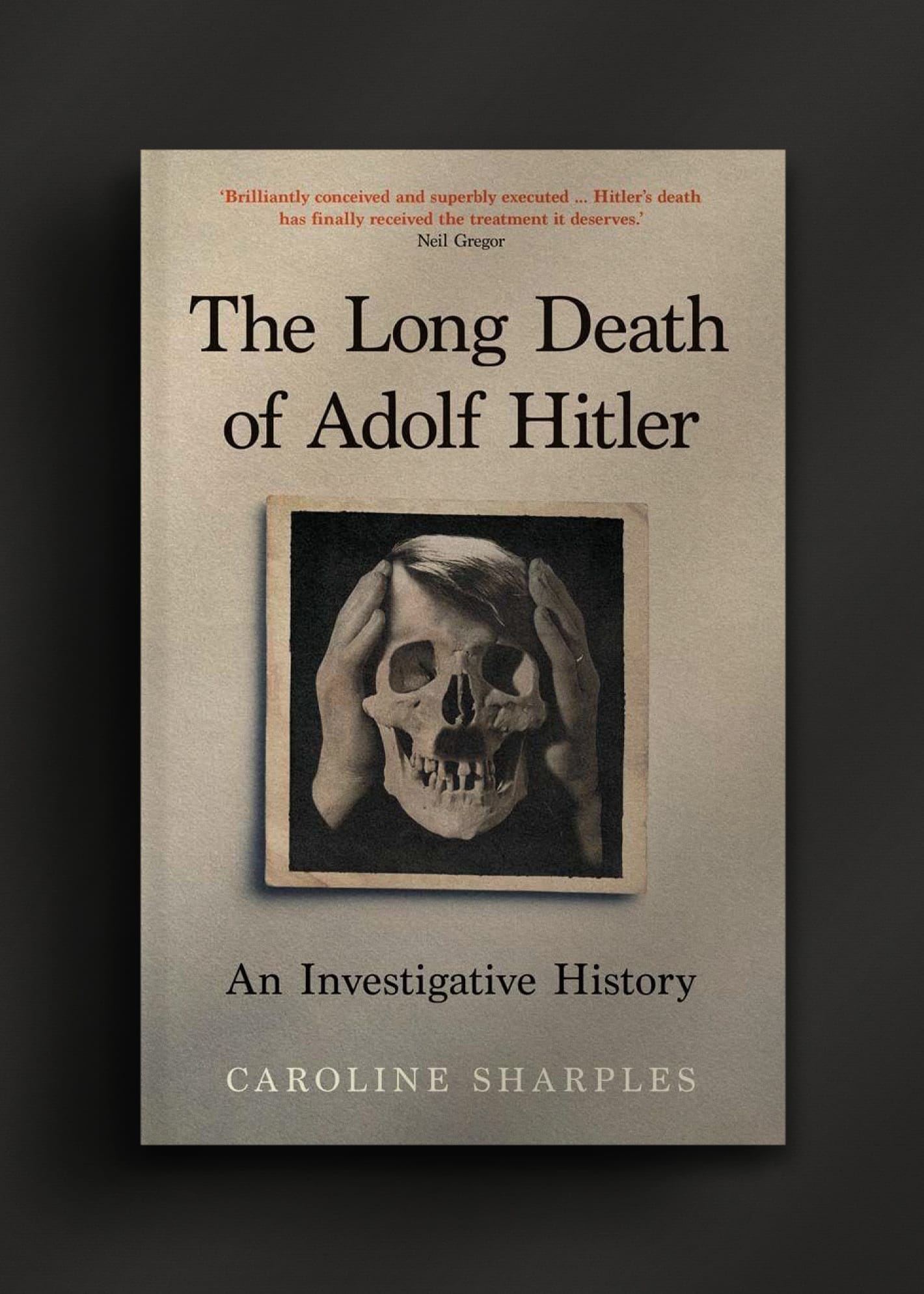
The Long Death of Adolf Hitler: An Investigative History by Caroline Sharples
Yale University Press, 10 March 2026
In this age of conspiracy theories and disinformation, Caroline Sharples new book on the death of Adolf Hitler has an unsettling relevance. After all Hitler, as we well know, put a gun to his head on 30 April and was shortly afterwards incinerated in the garden of the Reich Chancellery. It was a pretty swift death and disposal by any rate. Or perhaps not.
In fact, as Sharples points out, Hitler's death was only confirmed in 2018 after strenuous scientific analysis of his teeth. In the 73 years that lie between that lab and Berlin in 1945 different versions of what had happened to Hitler jostled for supremacy. Stalin, of course, was responsible for seeding much of the doubt right at the beginning. Into the vacuum that was created in 1945 came stories of the Führer's flight to Argentina in a submarine or of his melting away into civil society.
Sharples, a senior lecturer in history at the University of Roehampton, is superbly placed to make sense of this tangled tale. It is not only a book for those interested in World War Two, but, in its critical analysis of 'versions', it also holds political lessons for us today.
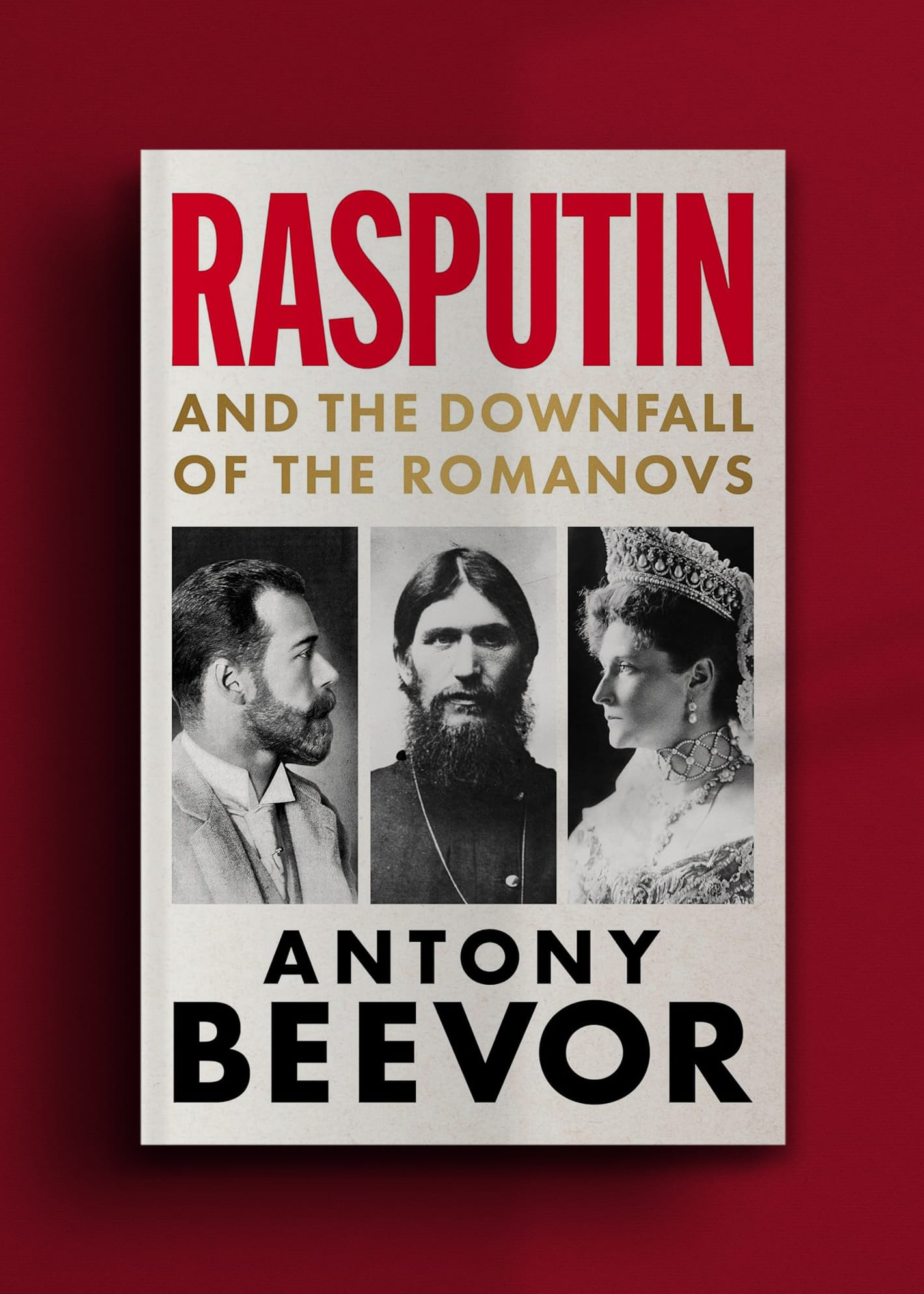
Rasputin: And the Downfall of the Romanovs by Antony Beevor
Weidenfeld and Nicolson, 12 March 2026
Well, here's a powerful cocktail. The fall of the Romanov dynasty – the imperial house that had ruled over Russia for three centuries – analysed by one of Britain's greatest living historians and centred on the life of one of history's most peculiar characters: the mystic and faith healer Grigori Rasputin.
This is, simply put, a brew that will be very difficult to resist for the kind of readers who have bought Beevor's books like Stalingrad and Berlin in such tremendous numbers. But for all that those books are epic and sweeping, there is a different feel to this. Centred on Rasputin, Beevor has a pinned point of focus, as his subject works his way into a position of enormous power.
This Siberian peasant, billed here as 'one of history’s most disturbing, dubious masterminds', is an endlessly fascinating source of study. Already the source of great anticipation, for an immersive springtime read, this book will be hard to beat.
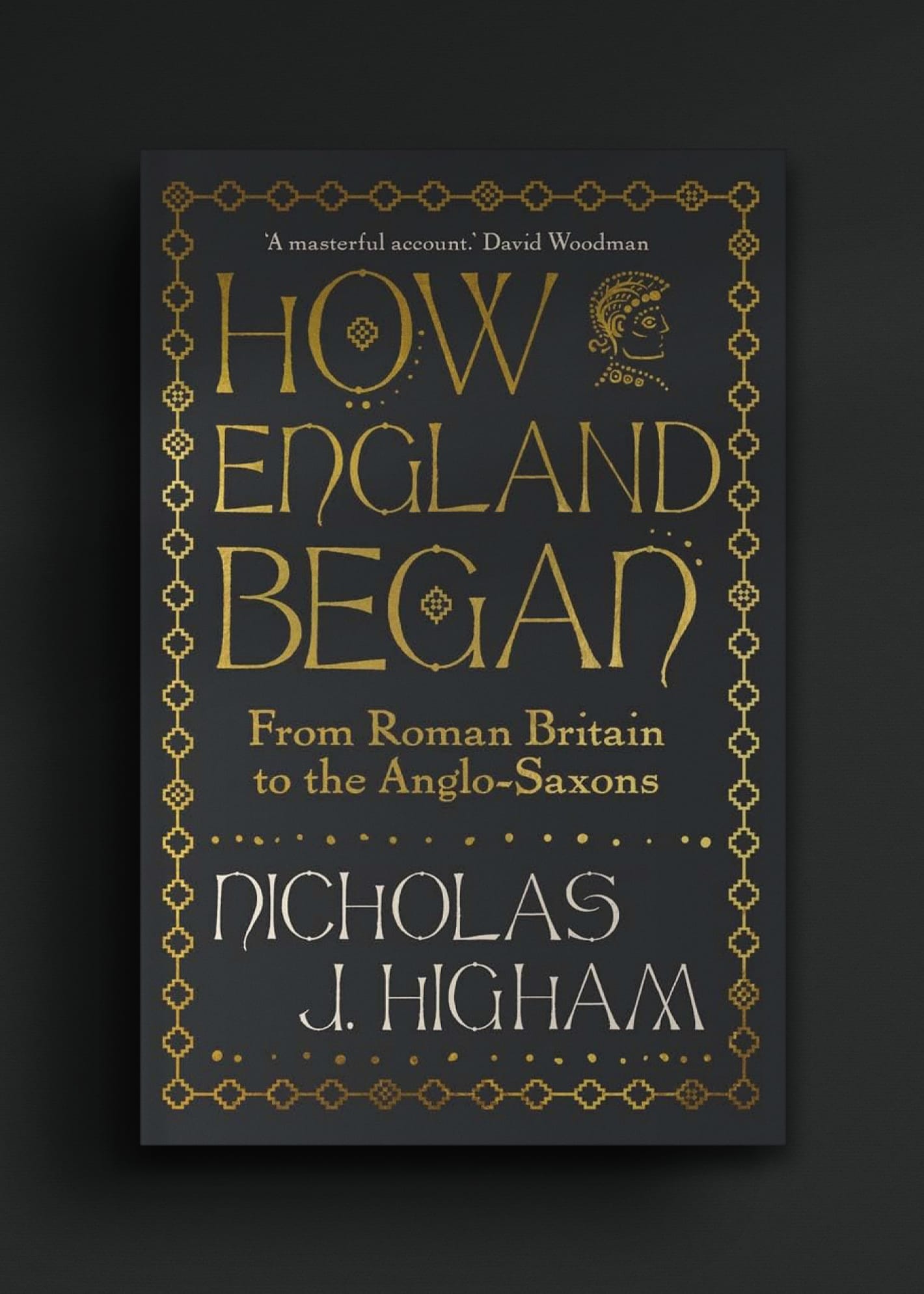
How England Began: From Roman Britain to the Anglo-Saxons by Nicholas J. Higham
Yale University Press, 17 March 2026
Even among committed readers of history there's little general knowledge of what happened on the British Isles during the centuries that followed the departure of the Romans in about the year 400. Here, filling the lacuna, is this attractive book with its eye-catching title: How England Began by Nicholas J. Higham.
Higham certainly has the credentials to square up to such a complex question. Professor Emeritus at the University of Manchester, he has a long academic career behind him and many books on beguiling figures like King Arthur. Here he fuses archaeology and contemporary literature in his quest to unravel something of an origin story for England, gambolling across seven centuries and following the ebb and flow of wars, invasions and periods of consolidation along the way.
This is a commanding performance filled with the latest academic research.
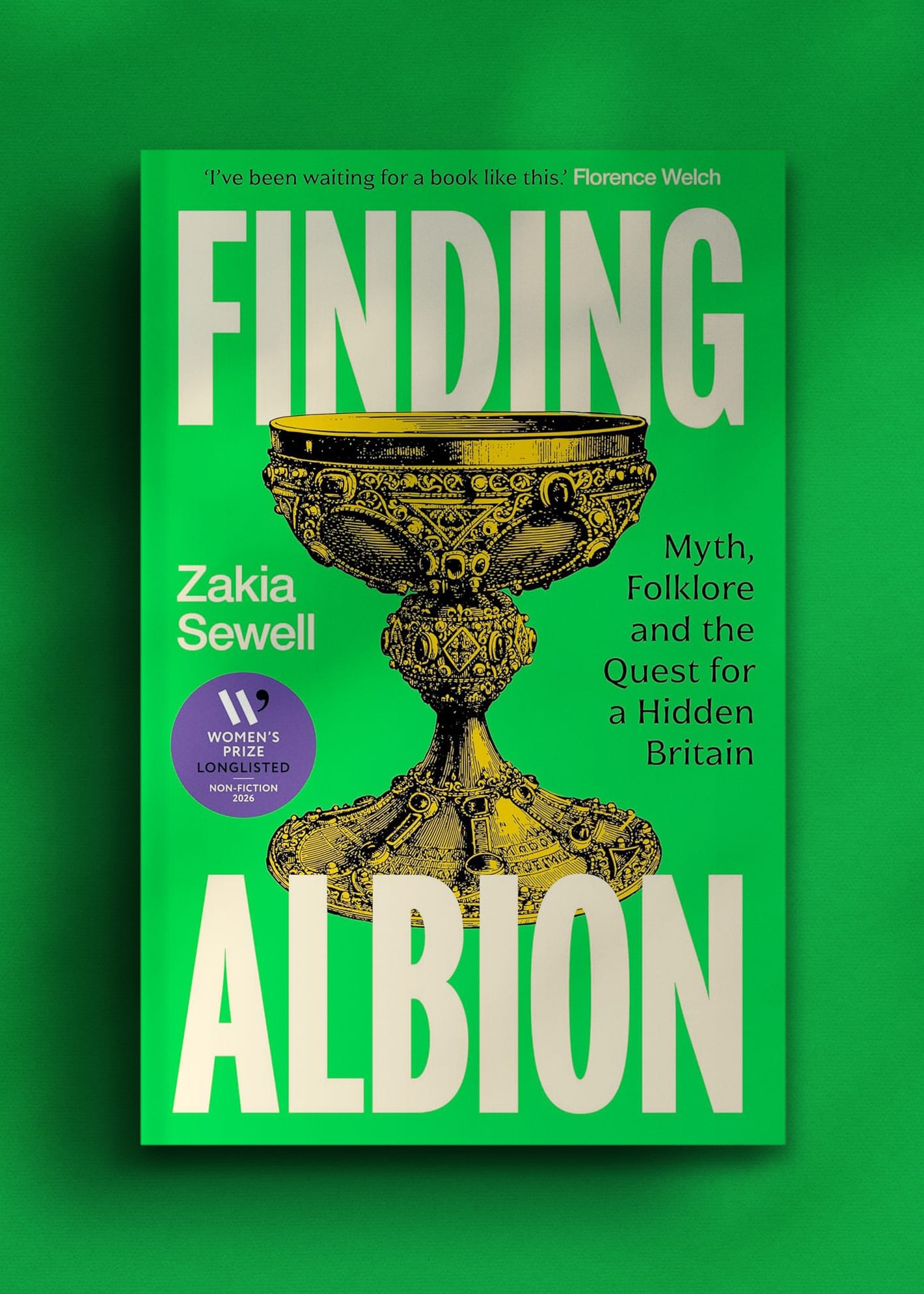
Finding Albion: Myth, Folklore and the Quest for a Hidden Britain by Zakia Sewell
Hodder, 19 March 2026
Finding Albion might be considered something of the pop history sibling to How England Began (above). It does, after all, have the same sensation of questing backwards through time; the same eagerness to discover meaning in the past – a meaning that transcends our dreary current conversations about national identity.
But whereas How England Began is chiefly a scholarly book, Finding Albion is far more accessible, being framed around the idea of a personal journey. Zakia Sewell is a broadcaster, writer and DJ worn down by the current emphasis on Britain's imperial past. She is eager to find an invigorating alternative, something she terms 'the spirit of Albion'.
Sewell's narrative is largely a pursuit of this force and her odyssey takes her from Notting Hill to the Cornish coast. Along the way she finds Albion's spirit alive and well in folk traditions, myth and the resurgent paganism that is sweeping the land. For those lamenting the absence of Glastonbury Festival this year, this book will supply a little of that missing vibe.
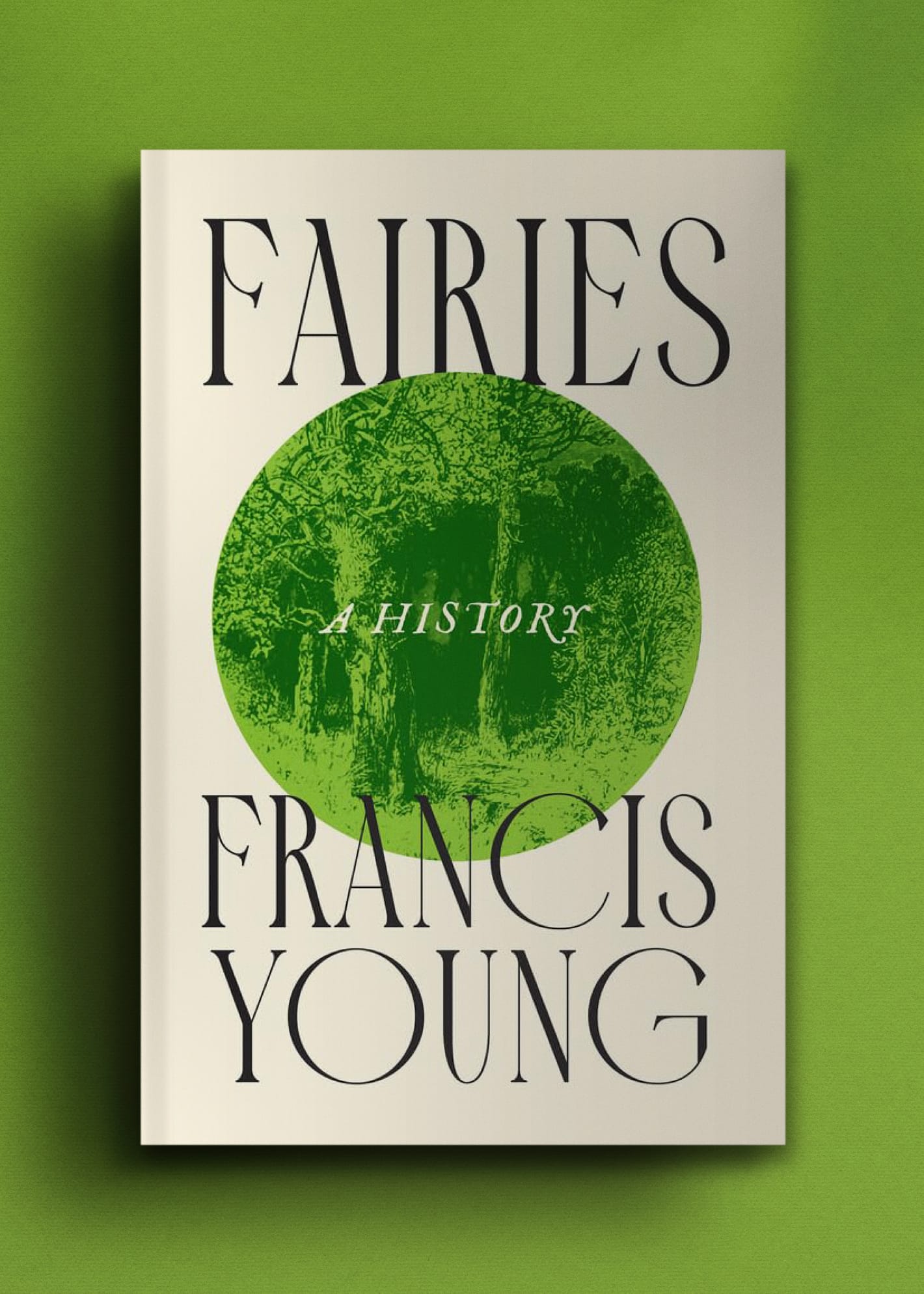
Fairies by Francis Young
Polity, 20 March 2026
As I write this it is World Book Day 2026 and my daughter is spritzing around the house in a fairy costume. To everyone who has grown up with Peter Pan this is a vivid enough image: sparkling fly wings, white tights, hair shining, glitter galore.
This is the sort of watery, familiar image that distorts our idea of what a fairy really was. In Francis Young's elegant little book it becomes clear that our view of what a fairy is owes very much to the writings of J.M. Barrie and the 1917 palaver of the Cottingley Fairies. Before those twentieth century milestones, the word would have conjured quite different images in our forebears' minds. Fairies were quicksilver, elusive, supernatural and mischievous beings. Robin Goodfellow, that favourite old character, was one.
In this way 'fairy' is a little like the word 'romantic'. The further back you go, the more interesting the word becomes. Young certainly has the erudition to travel all the way back to the late Middle Ages to consider the relationship people had with these flighty spirits.
How did fairies fit into peoples' worldviews? What place did they take within a largely Christian cosmology? Where did they rank among the devils, the angels and the demons? This book is an excellent place to find out.
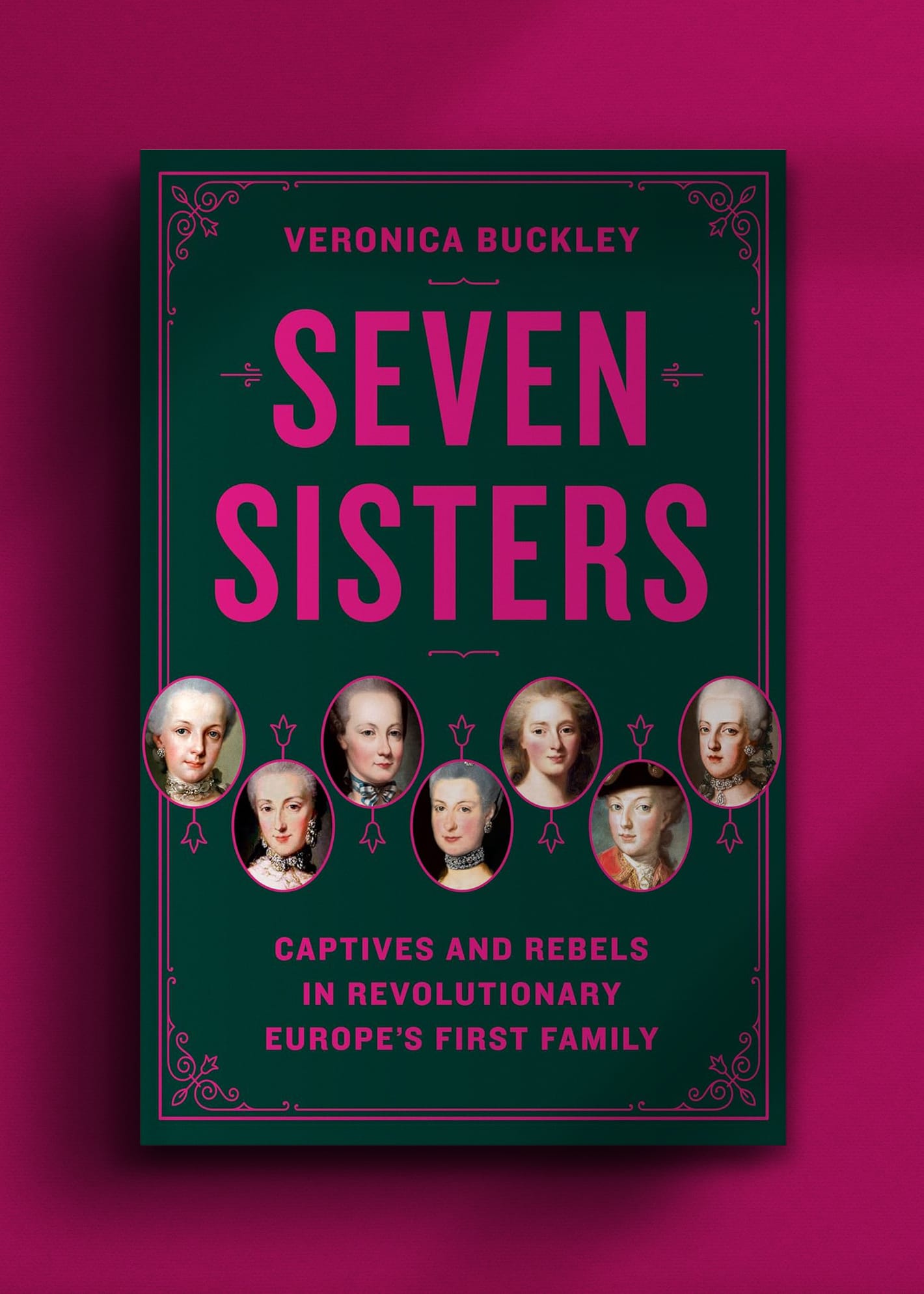
Seven Sisters: Captives and Rebels in Revolutionary Europe's First Family by Veronica Buckley
Viking, 24 March 2026
Seven Sisters is a stylishly written group biography that traces the fortunes of the seven daughters of the Empress Maria Theresa, the woman who ruled as the Hapsburg monarch in the mid-eighteenth century. Opening in Vienna in 1764, on 'the broad plains of central Europe', Buckley's tale sweeps through the half century that follows. And what, one must say, a half century it was.
Seven Sisters is suspended between the glitzy old world of peacocking courts and golden carriages and the gritty post revolutionary one, when the whole social order was, as Thomas Paine put it, being remade anew. For the seven sisters these were particularly choppy seas and Buckley revisits their stories one by one. Among her protagonists are that of 'the grande dame' Marie Christine; 'the malicious, disfigured beauty' Elisabeth; 'fractious and wayward Amalie of Parma; the tragic bride Josepha'.
The most memorable of all the stories is also the most tragic. It belongs to the last queen of France. Marie Antoinette.
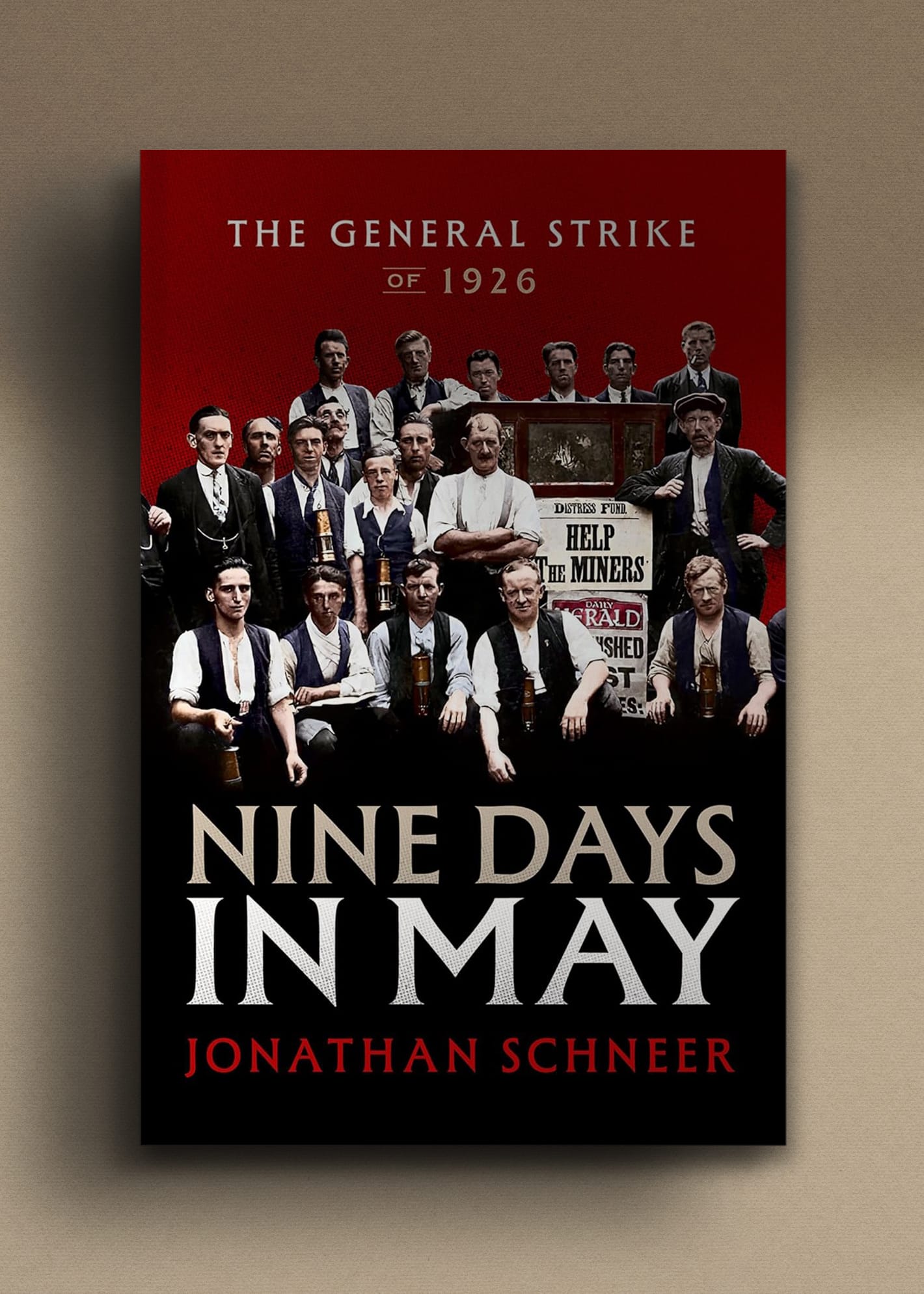
Nine Days in May: The General Strikes of 1926 by Jonathan Schneer
Oxford University Press, 26 March 2026
A century ago in May something extraordinary happened across Great Britain. From John o"Groats to Lands End, the workers went out on strike. The numbers were enormous and deeply troubling for the Prime Minister Stanley Baldwin – somewhere between 1.5 million and 1.75 million. For nine days Britain, the nation at the heart of a global empire, ground to a halt.
These days provide the focus for Jonathan Schneer's new book. Schneer, a US historian of British history, looks carefully at the coal fields and, particularly, the actions of the miners who were the principal actors in the dispute. Theirs was a dangerous trade with more than a thousand deaths every year. The Great War had agitated the mining industry too with successive jerks between nationalisation and privatisation, always at the cost of those doing the work. In 1926, it becomes clear, the chickens came home to roost.
But there is much more in Nine Days in May than that. This is an engrossing book that frames a moment in time. This was the age that made Orwell; an age of social decay and political ferment when the cracks of imperial decline were beginning to show.
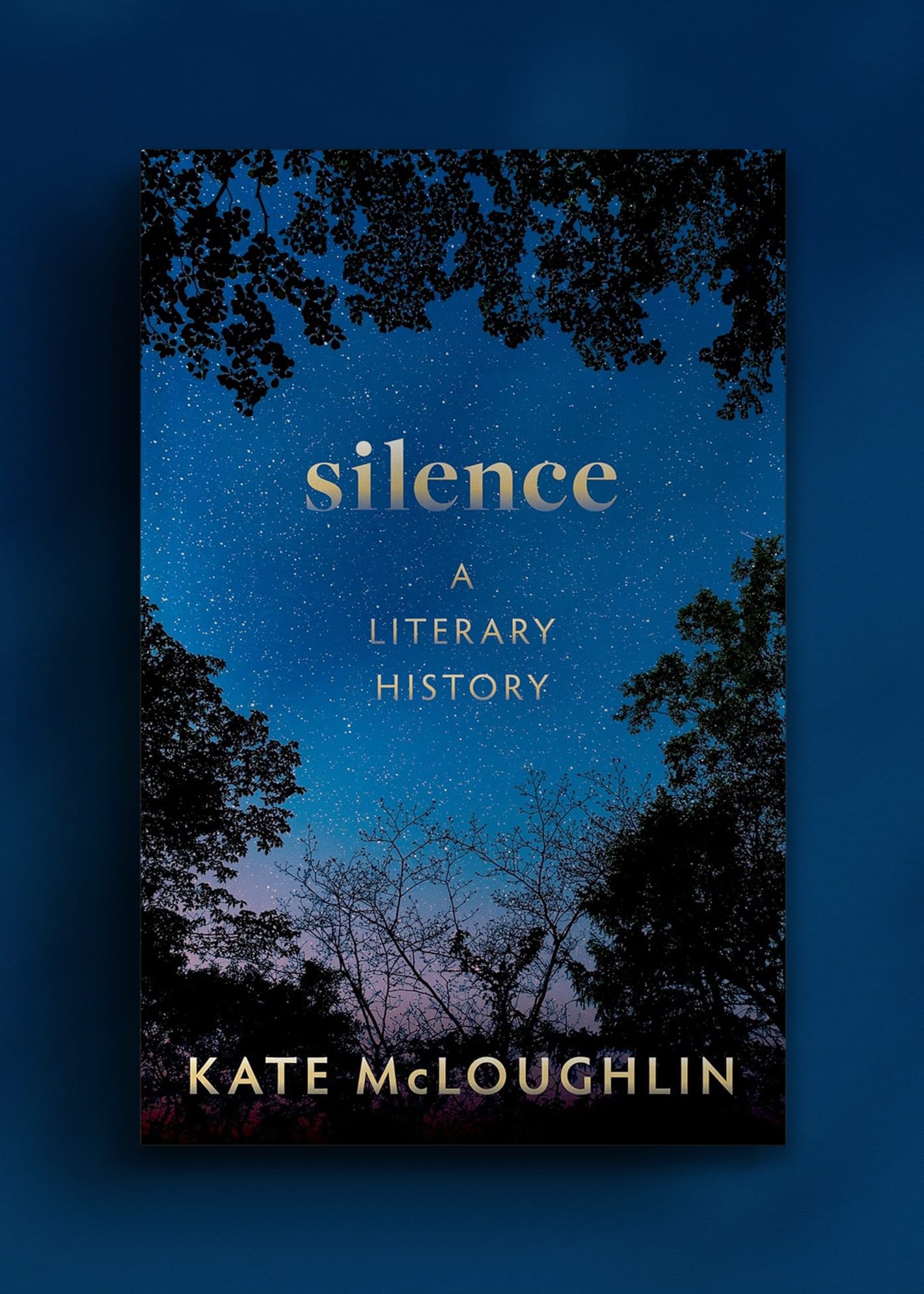
Silence: A Literary History by Kate McLoughlin
Oxford University Press, 26 March 2026
In a world so garrulous and noisy as ours the idea of a book about silence has an instant appeal. Silence, after all, is much more than a mere void. Rather, as this intriguing book explains, a rich and varied cultural and psychological space that has been used for different purposes over time.
McLoughlin is an Oxford lecturer who has previously studied war writing. This may seem a counterintuitive route to a book on silence, but after the guns fall quiet so, too, did the voices of many of the soldiers. They are lost, as an elegant phase captures it, in 'inarticulable grief'.
The unspeaking war veteran might be a familiar type to us today. In Silence McLoughlin has scoured the historical record to provide us with many more. She describes, among others, the hushed intimacies of those in monasteries, the tongue-tied lovers of Shakespare's day and the Romantics who stand in mute awe as they behold the Sublime.
The American writer Susan Cain recently sighed at our 'world that can't stop talking'. Here, with real perception, McLoughlin reminds us of the antidote.
📸 Dive into our Features
🎤 Read Interviews
🎧 Listen to Podcasts
🖼️ Buy fine art prints & more at our Store


