
New History Books for February 2026
From the Samurais to the Fascists, Charlotte Brontë to Daniel Defoe


Here is a selection of anticipated new history books that will be released over the month ahead.

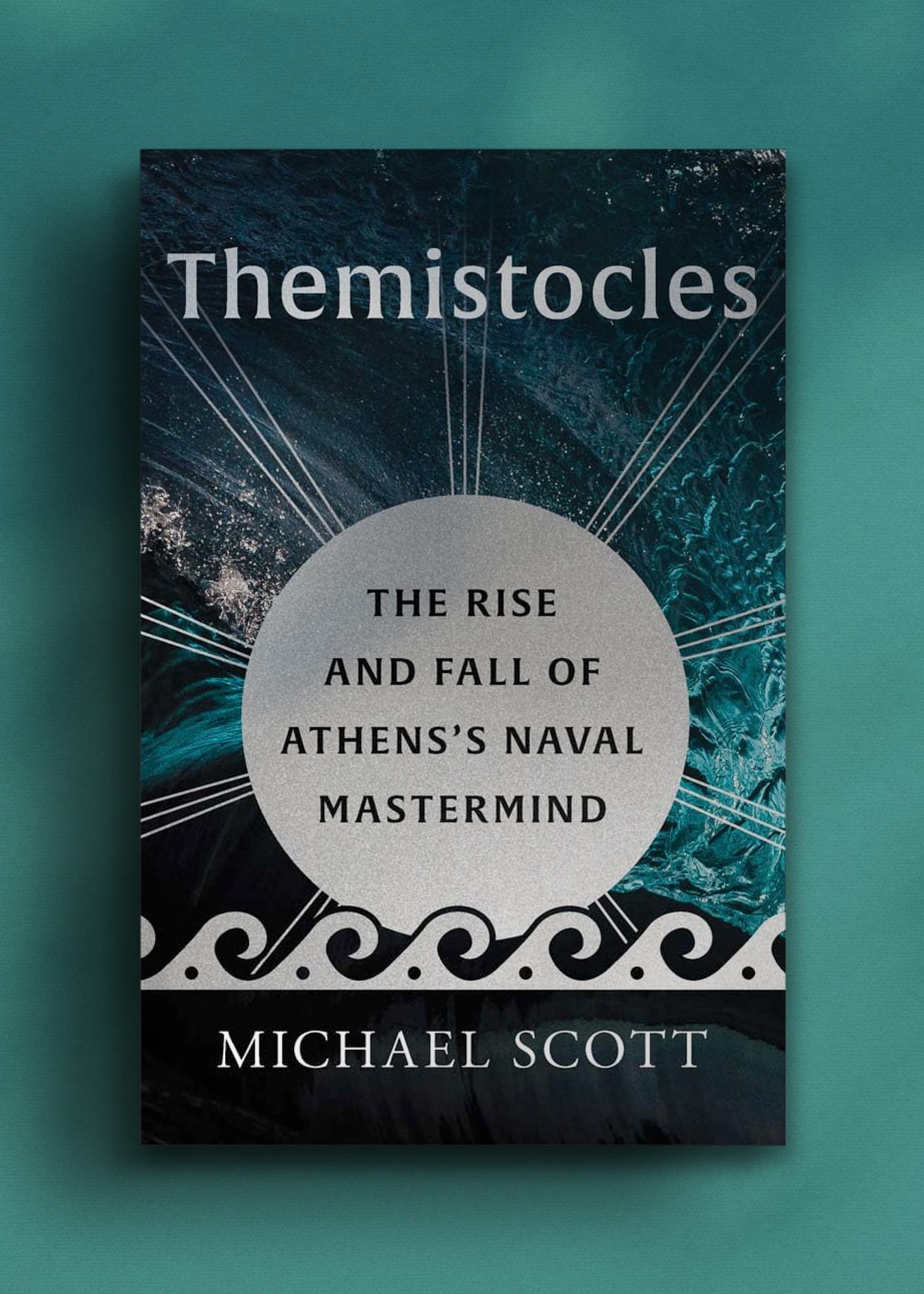
Themistocles by Michael Scott
Yale University Press, 3 February 2026
As winter weather wreaks havoc across Europe, this short, nimble biography of the Athenian politician and general Themistocles – the man who famously marshalled the winds in the Straits of Salami before one of his great victories – feels very appropriate indeed.
Reckoned the most illustrious Greek of his age, Themistocles rose from obscure beginnings. He was a man who had everything to gain and nothing to lose. But what, this book investigates, was the cost of his ambition?
Historian and presenter Michael Scott, Professor in Classics and Ancient History at the University of Warwick, details Themistocles’ extraordinary endeavours as both a statesman and military risk taker. His study sweeps though the Battle of Marathon, Themistocles's feats at the Battle of Salamis and the expansion of the Athenian navy thereafter.
Yet behind the heroic exterior lay a man who lived on the brink. Loved and hated, adored and exiled, Scott's book investigates the turbulent times and lasting legacy of this scintillating figure.
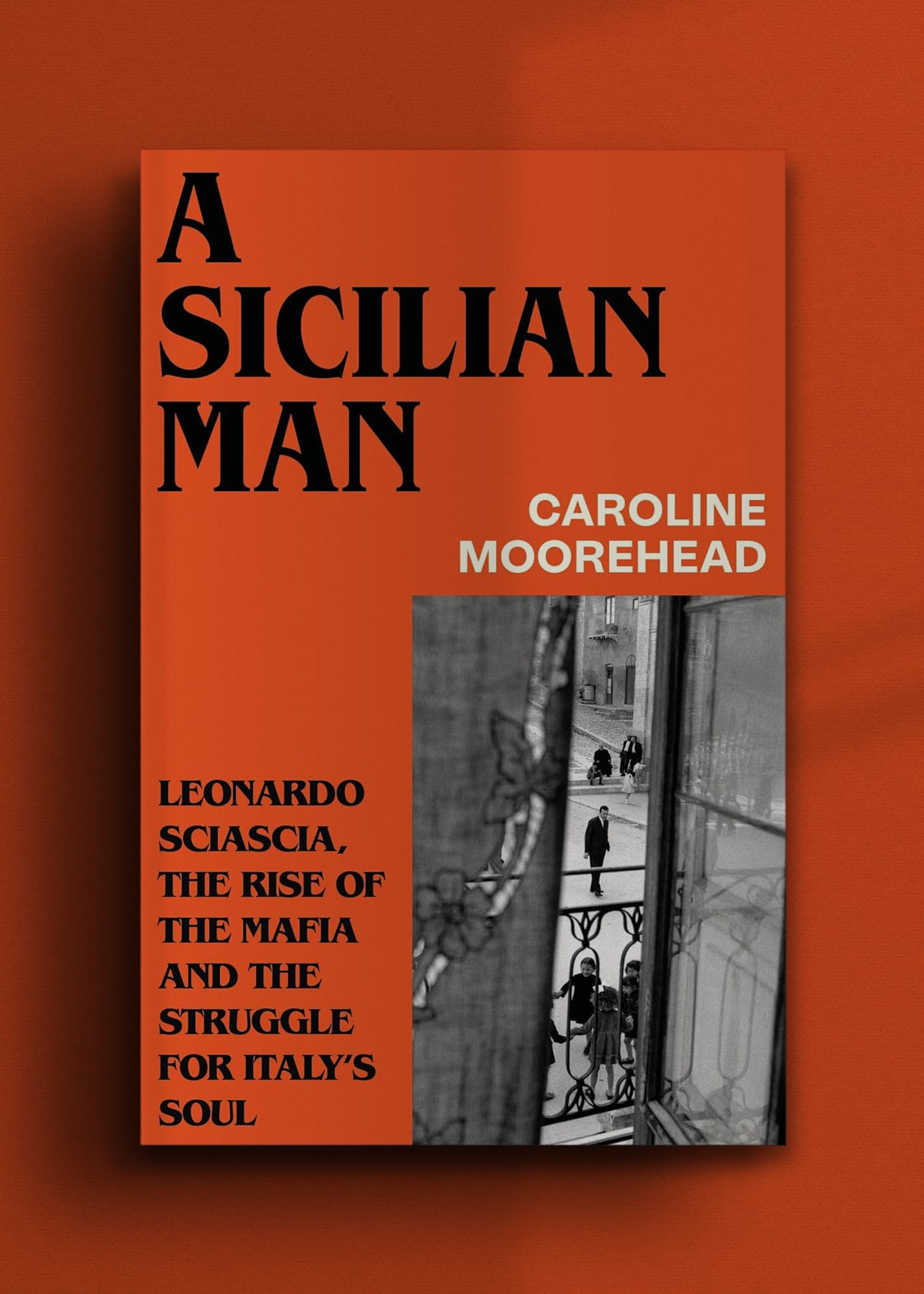
A Sicilian Man by Caroline Moorehead
Chatto & Windus, 5 February 2026
Caroline Moorehead's dark, balanced and vivid portrayal of Sicilian life provides the backdrop to this intriguing study of Leonardo Sciascia, a man who stood up against the rise of the Mafia as it spread throughout Italy.
Sciascia's name might not be instantly familiar to readers today but he was one of the great European writers of the twentieth century. During his life Sciascia was also seen as a refreshingly moral figure in a country where criminality had seeped into every corner of public and private life.
Prize-winning biographer Caroline Moorehead delves into Sciascia's world, where beauty confronted 'corruption, sleaze and violence'. The writer's life work, she explains, was to maintain the soul of his beloved country – through pen and voice alone.
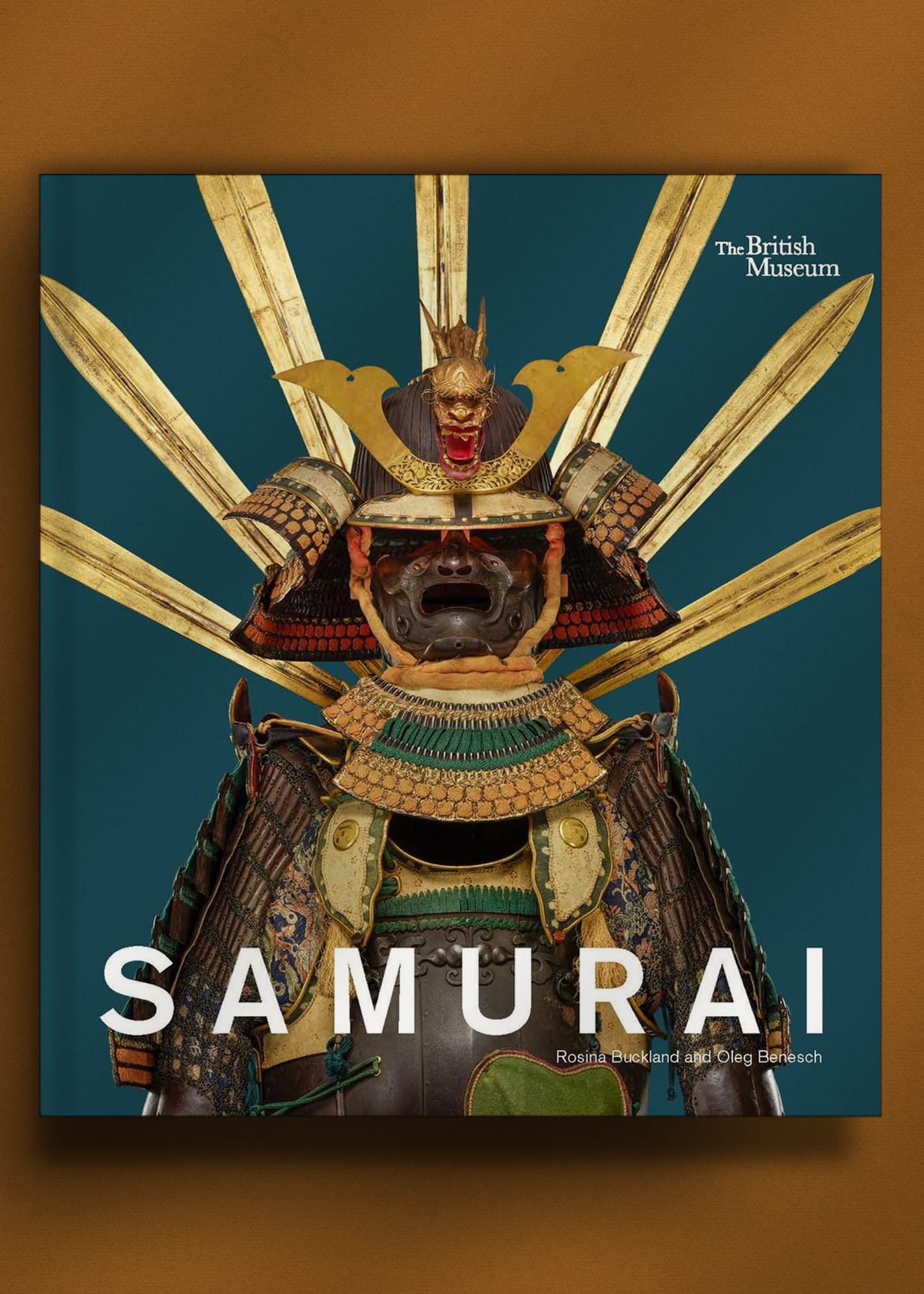
Samurai by Rosina Buckland and Oleg Benesch
British Museum Press, 5 February 2026
Over the past two centuries the 'samurai' has become both a symbol of Japan and a universal emblem of the virtuous and fearless warrior.
Thanks to Hollywood, this much we might know. But as Rosina Buckland and Oleg Benesch's beautifully illustrated book shows, we have much to learn. Published to accompany a major and much-anticipated exhibition at the British Museum, the authors explore the long cultural history of the samurai through ideas and objects from international collections.
From its origins in medieval society to today’s kaleidoscopic culture – encompassing film, television, manga, anime, video games, and more – Samurai is a stirring, rich publication that challenges many a preconception.
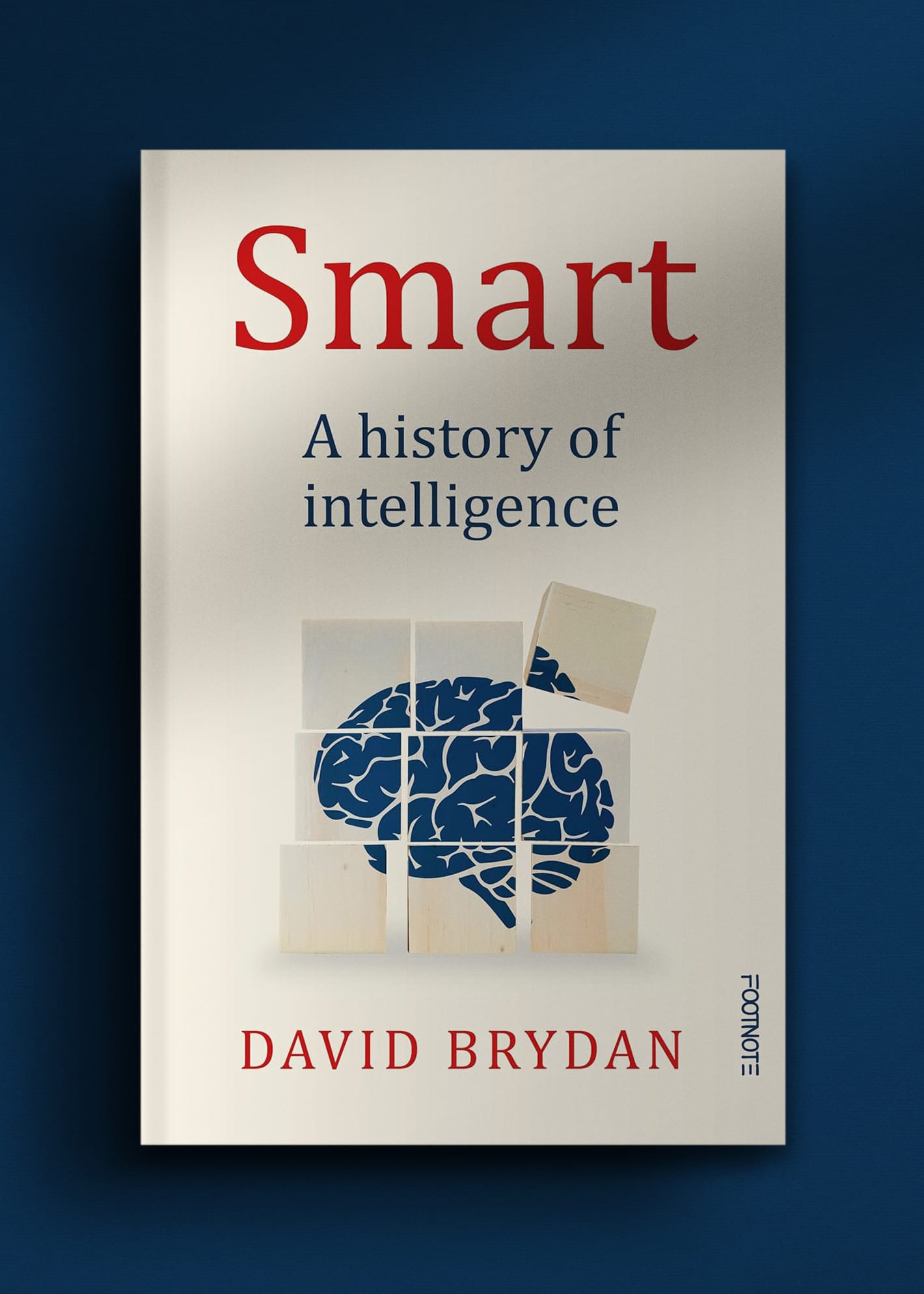
Smart by David Brydan
Footnote Press 5 February 2026
What does it mean to be bright? How can mental acuity be measured? Does it really matter? Why do we, as soon as they are standing on two legs, subject our children to such a barrage of testing, selection and streaming?
In Smart David Brydan examines all of this as he casts his erudite gaze on the subject of intelligence over the past hundred years. At the end of the nineteenth century, he open his narrative, 'intelligence didn't exist'. From this striking beginning, Brydan carries an engrossing story forward through the twentieth century, from eugenics to Mense, to Donald Trump's obsession with IQ and efforts to construct an artificial brain.
Smart is an elegant combination of science, politics and popular culture that charts a very modern obsession: the idea of being clever.
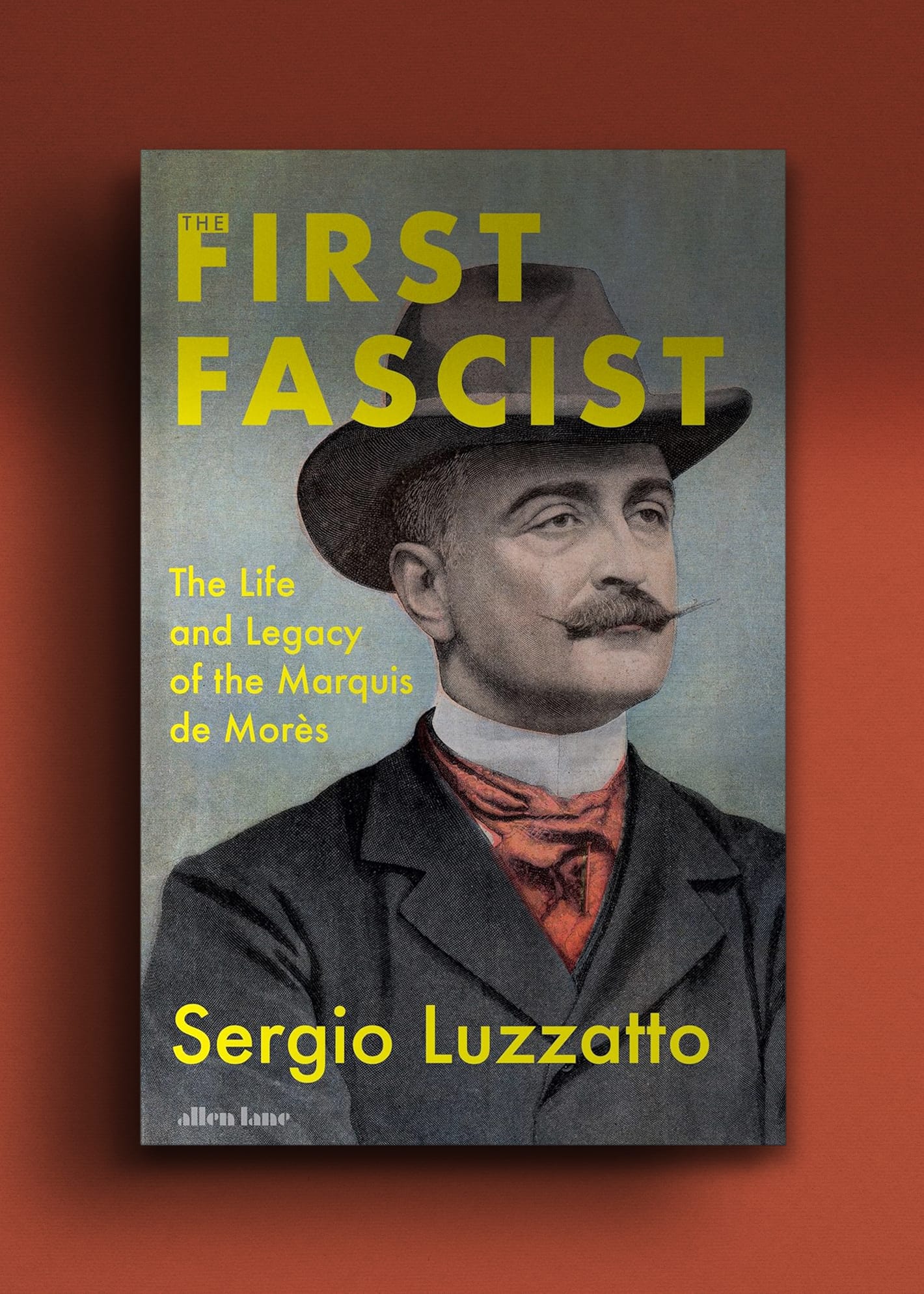
The First Fascist by Sergio Luzzatto
Allen Lane, 5 February 2026
Prepare to be taken on a dark, arresting journey with one of history’s most colourful figures. The First Fascist is the biography of the charismatic Marquis de Morès: part adventurer, part entrepreneur, part ideologue. As Sergio Luzzatto, a professor at the University of Connecticut, explains, this rabble-rousing aristocrat was one of the first to see the twisted potential of antisemitism to incite populist resentment against capitalist elites.
With exploits spanning four continents, from the American Plains to the streets of Paris, Marquis de Morès is as intriguing as he is dangerous.
Winner of the Cundill History Prize, Luzzatto is an erudite and astute guide to this subject. He reminds us that, despite de Morès's playful, adventurous exploits, his subject remains a forefather of far-right nationalism and antisemitism – two scourges that remain with us to this day.
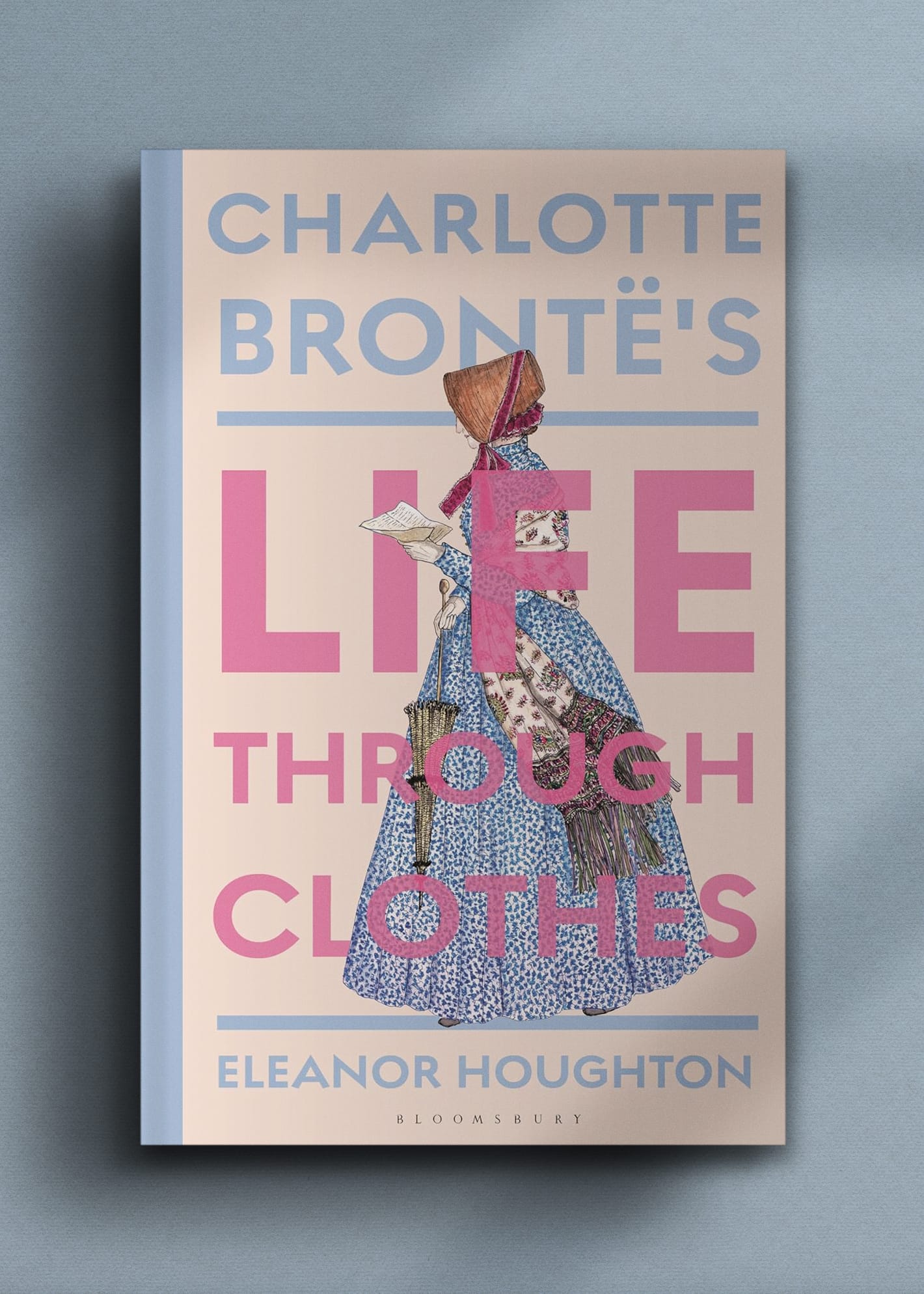
Charlotte Bronte's Life Through Clothes by Eleanor Houghton
Bloomsbury Visual Arts, 5 February 2026
You’ve never met this Charlotte Brontë before. Here is a refreshingly original take on one of our most beloved novelists that poses some intriguing questions. What did Brontë wear when she wrote Jane Eyre? What did she look like as she strolled over the cobbled streets of her home village of Haworth? Which outfit did she choose for that most significant of days, when she married in the summer of 1854?
Dr Eleanor Houghton is an historical dress consultant for film and television and, as such, is the ideal person to answer such questions. She does so in this attractive book, reminding us that the garments Bronte wore are surviving witnesses to her extraordinary life.
Featuring Houghton’s original hand-drawn illustrations, this is an intimate study that will absorb literature lovers and readers of social history. It brings Bronte’s wardrobe – and her world – vividly to life.
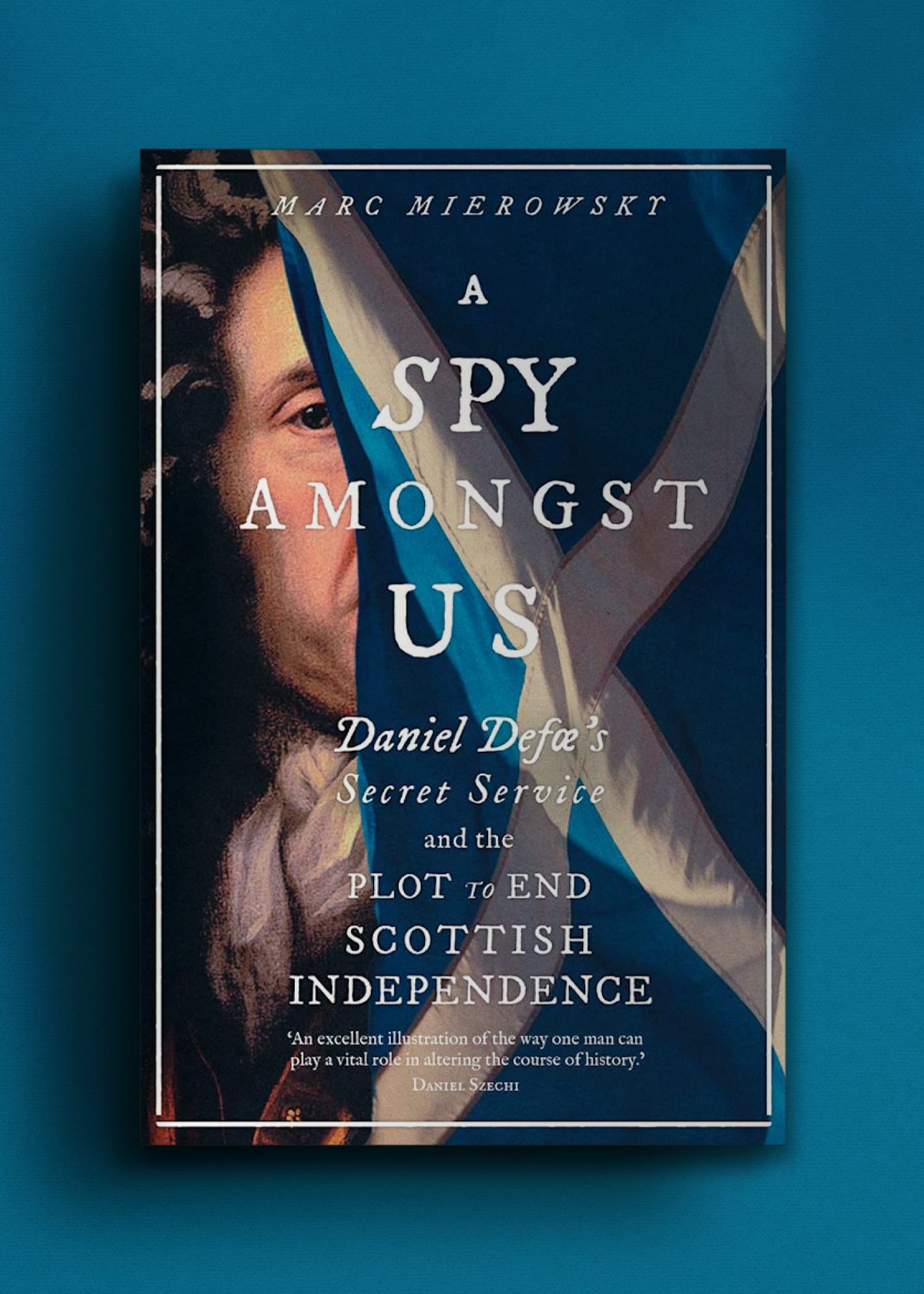
A Spy Amongst Us by Marc Mierowsky
Yale University Press, 10 February 2026
The writer's life can be a hard one. For one, Daniel Defoe, early in the eighteenth century, this was particularly so. Penniless, thrice pilloried and as yet to stumble on any story quite as commercially appealing as Robinson Crusoe would turn out, Defoe arrived in Scotland in 1706 having taken the king's shilling as a government agent.
Such is the magnificent backdrop to Marc Mierowsky's superbly researched story of espionage and politics. Scotland at the start of the eighteenth century was a place confronting a huge shift of identity. The Edinburgh streets were filled with a dark, surly mood with many disgusted at the prospect of the proposed union with England.
This is a story about power, politics and personality, so much so that it resembles a Robert Harris novel. No such book currently exists and, until it does, this sparkling history by Mierowsky will do very nicely indeed.
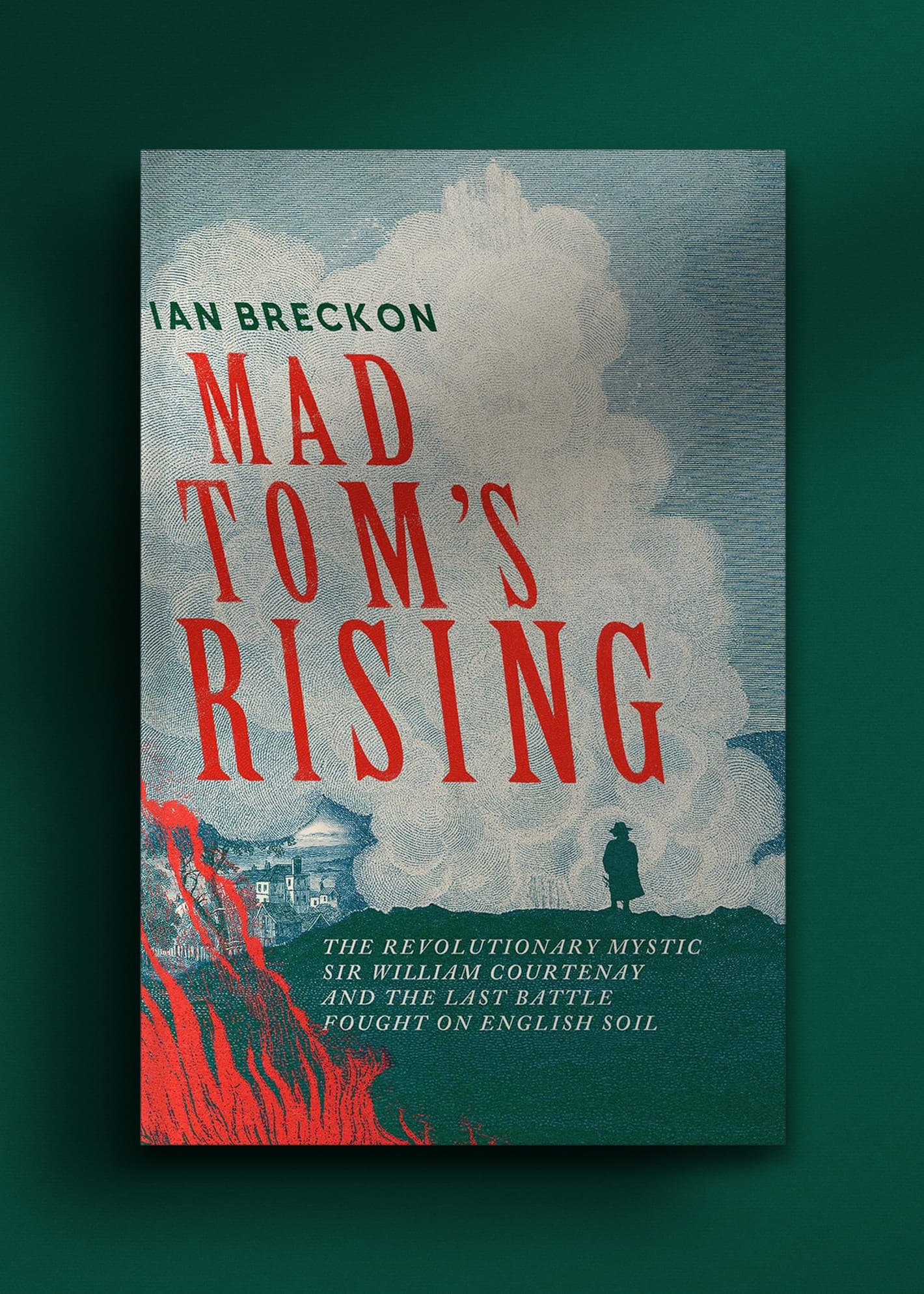
Mad Tom's Rising by Ian Breckon
Icon, 20 February 2026
In 1838, in a woodland near Canterbury in Kent, a very peculiar 'battle' took place during the first year of the reign of Queen Victoria. Forgotten by many, here in Ian Breckon's intriguing micro history, Mad Tom's Rising, the entire story is laid bare once again.
This is a curious tale. 'Mad Tom', the central protagonist, was a man of various identities – one of them being 'Sir William Courtenay'. But rather than some Tudor courtier, he was a 'muscular bearded eccentric' with strange abilities as a leader of men. Many followed him into the 'bizarre and bloody clash' that is judged by some to have been the last pitched battle on English soil.
Mad Tom's Rising is a reconstruction of an event, but it also, as the best books of this kind do, tells us much about the world in which the event took place. What did people worry about in the 1830s? What was happening in politics, in religion and in Kent that prompted such a colourful moment? Answers to all these lie within this intriguing book.
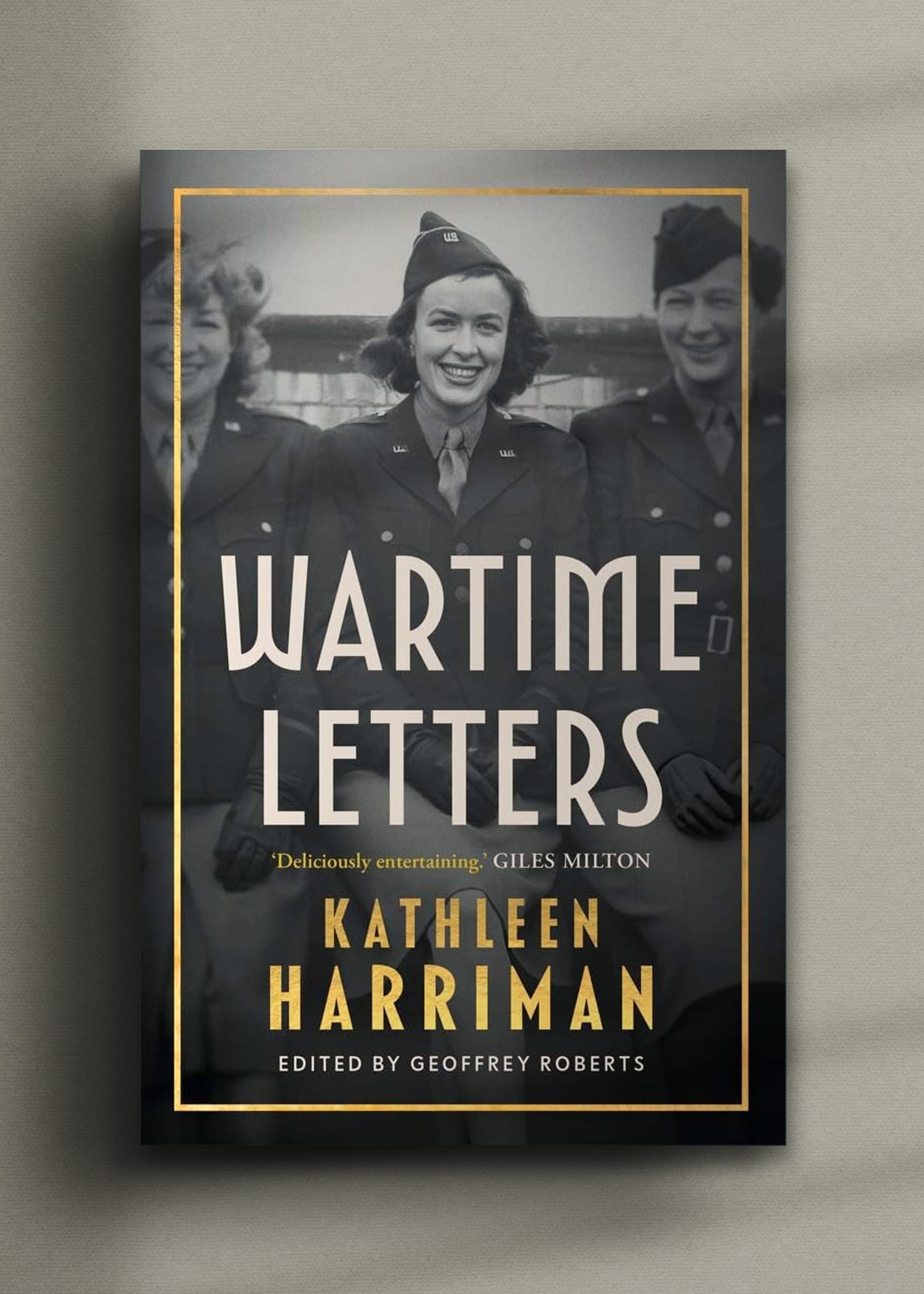
Wartime Letters by Kathleen Harriman
Yale University Press, 24 February 2026
Wartime Letters is a very personal view of the Second World War as recorded by Kathleen Harriman – a woman who, as soon becomes apparent, knew a good deal about what was going on.
Kathleen was the daughter of W. Averell Harriman, US ambassador to the USSR in the latter part of the war. Close to power, she dined with Churchill at Chequers, played bridge with Eisenhower and banqueted with Stalin.
This new and much anticipated collection has been edited by Geoffrey Roberts, an academic specialising in Soviet diplomatic history. Encompassing more than 200 letters in all, Harriman emerges in them as a sharp, charming young woman with an eye for the significant moment.
Still in her twenties during the war, Harriman would later establish her reputation as a respected journalist, author and Russian speaker. This engaging collection of letters catches her as a young woman at a dramatic moment in human history.
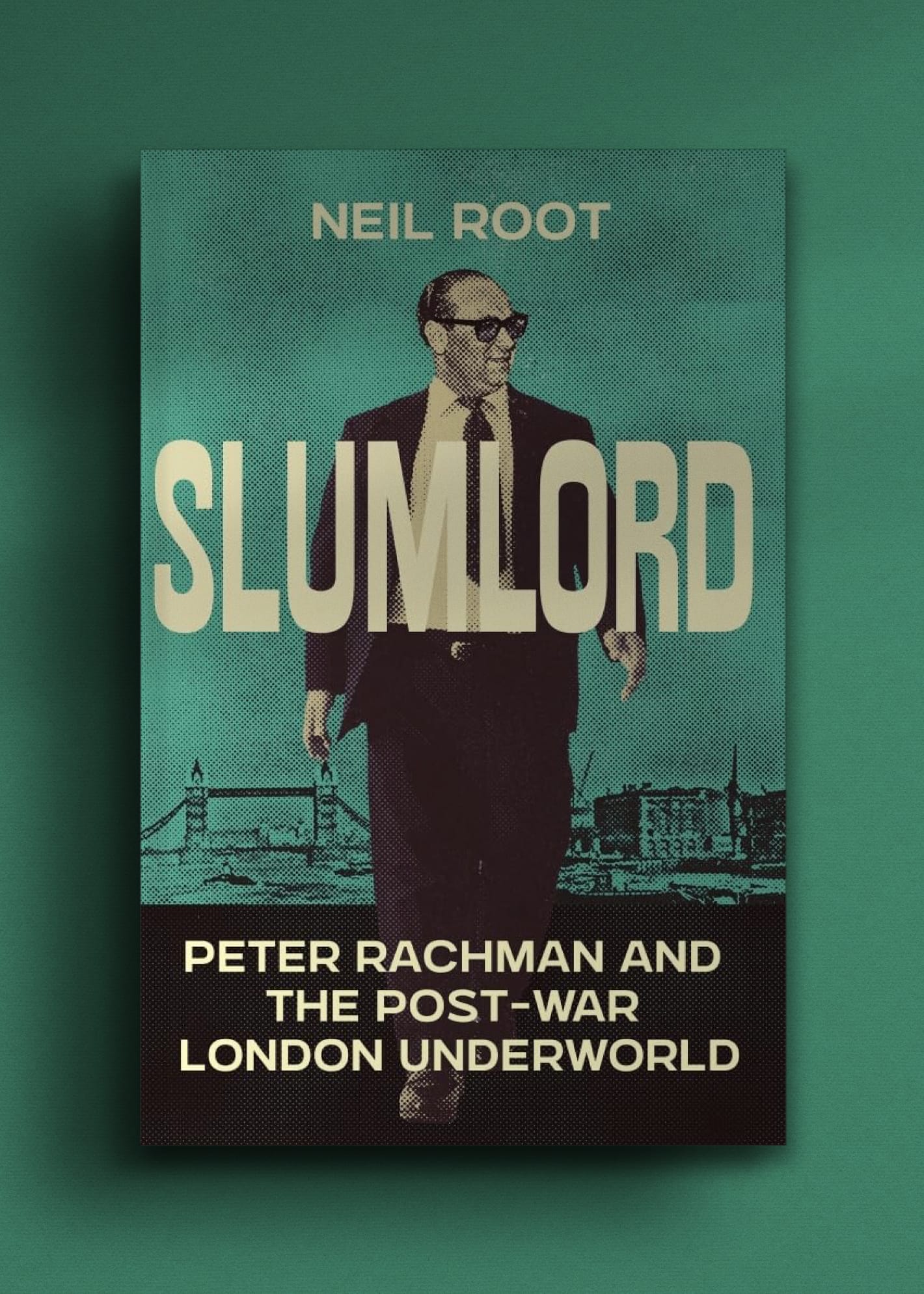
Slumlord by Neil Root
Icon Books, 26 February 2026
Welcome to post-war London. Neil Root's excellently researched Slumlord depicts a city where, among the grime, poverty and the rubble of the Blitz, great fortunes could be made.
One person who did just that was Peter Rachman the infamous landlord who built a housing empire in Notting Hill and west London. In this brisk narrative, Root shows just how determined the amoral Rachman was to turn a profile. He seized opportunities when they presented themselves; negotiated hard; was content to work with (and against) members of London's violent underworld like the Krays.
A shadowy figure for many years, Rachman gained a degree of notoriety after the Profumo Scandal of 1963. Today, one might say his impact remains ingrained in the psyche of profiteering landlords and underhand maintenance firms, but to read the true, original, racy story – well, Slumlord by Neil Root is the place to go.
📸 Dive into our Features
🎤 Read Interviews
🎧 Listen to Podcasts
🖼️ Buy fine art prints & more at our Store


