
New History Books for April 2026
From Pompeii to Kim Philby, Renoir to Offa of Mercia


We cast our eyes over a selection of history books that will be released over the month ahead.

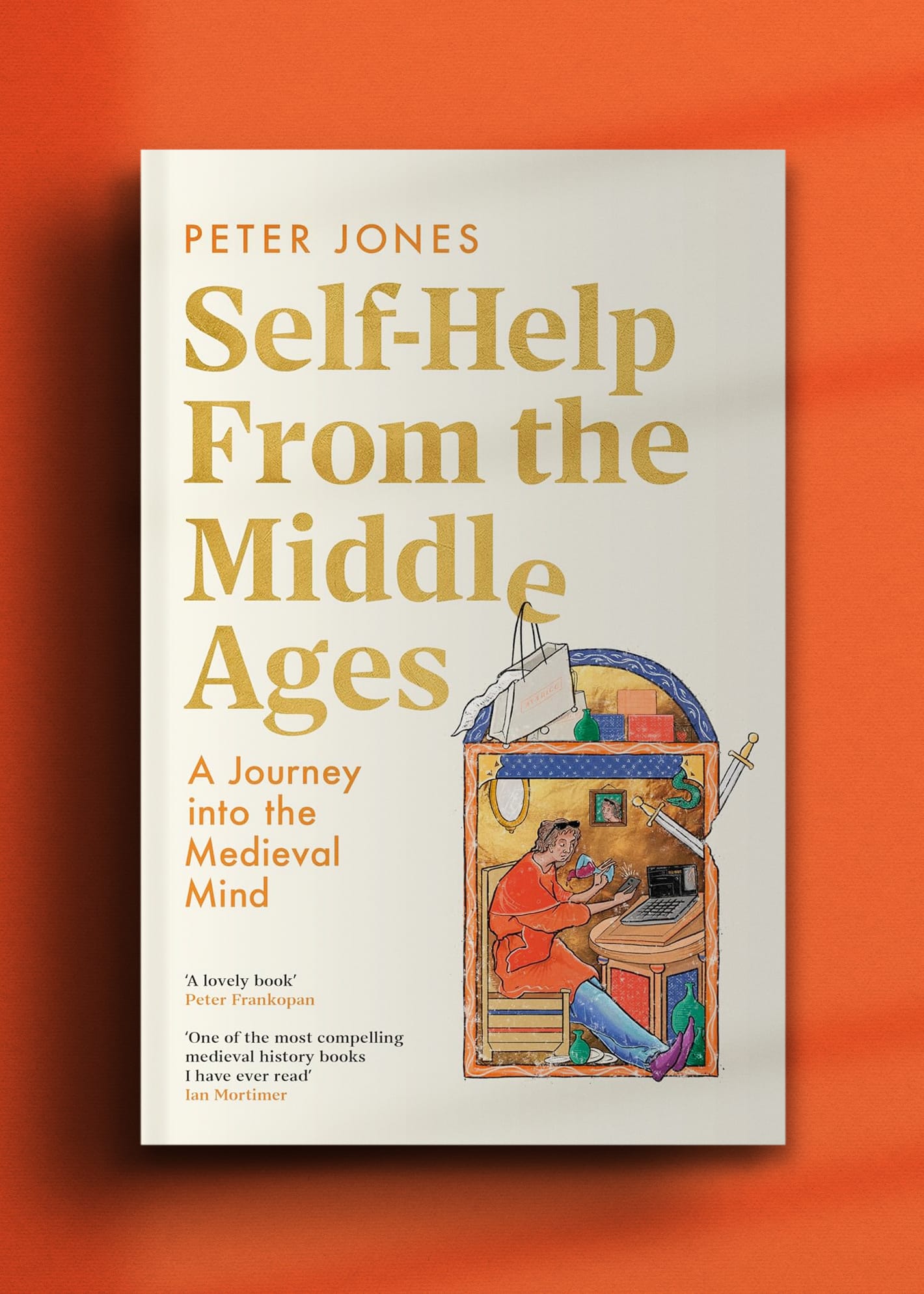
Self-Help from the Middle Ages: A Journey Into the Medieval Mind by Peter Jones
Hutchinson Heinemann, 2 April 2026
The enduring trend for historical self-help books might be traced back to 2010 and Sarah Bakewell's lucent How To Life, a philosophical/biographical mashup that took the essays of Michel de Montaigne and distilled their wisdom for a modern readership.
Since that moment we've seen a steady flow of perceptive books extracting the wit from everyone from Socrates to Dr Johnson and now, adding to this rich tradition, comes Peter Jones's Self-Help from the Middle Ages.
Jones's book is intriguing and playful. It focussed not on a single figure but an entire chunk of the past – gazing back the best part of a millennium to a Medieval world coloured by spirits, tradition and religion. Structured around the Seven Deadly Sins – Lust, Gluttony, Greed, Sloth, Wrath, Envy, Pride – he flips these old terrors on their head, recasting them as prompts for living a better life.
This is an inventive proposition. Jones examines each of these sins in turn, explaining their old meanings and embroidering his narrative with an account of his own travels from Siberia to Egypt, Florence to Rome. The answers we've been searching for, he suggests, have existed for centuries. Here they are again.
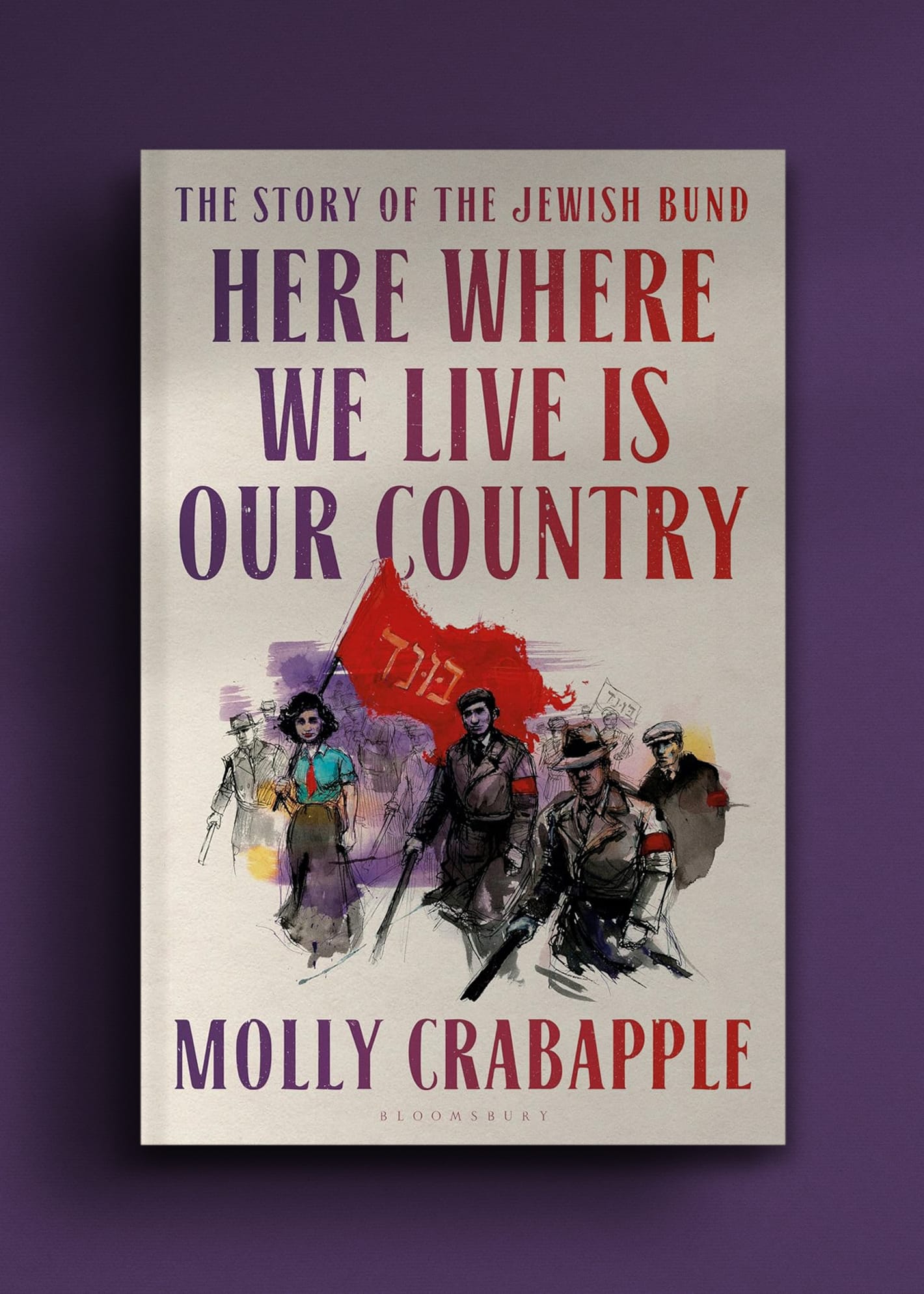
Here Where We Live Is Our Country: The Story of the Jewish Bund by Molly Crabapple
Bloomsbury, 7 April 2026
The words 'Jewish Bund' are not ones that carry much immediate meaning to us in the twentieth century. They refer, however, to a liberal revolutionary society with a quite astonishing history that was founded in 1897 in Vilna, today's Vilnius, then a city in the Russian Empire. Quite unlike the Zionists, the Bundists were Jews who resisted the establishment of a Jewish state in Palestine. Their ethos is instead captured in the book's placard of a title.
The author, Molly Crabapple, is an artist and writer from New York City and she has direct family connections to the Bund. Her great grandfather, the Russian born, American impressionist, Sam Rothbort, was once a member. Crabapple discovered this fact quite by chance when her mother passed her one of his handwritten notes, bearing the words: 'I belonged to the underground.'
Working out what this underground was and what it did is the central concern of Crabapple's fascinating book. Stylishly illustrated and written with real verve, her narrative focuses mainly on the half century the follows 1897 when the Bundists rose and fell. Many of their members were murdered by the Nazis with a moment of confrontation coming in the Warsaw Ghetto Uprising of 1943. Here is a story full of lessons for our times.
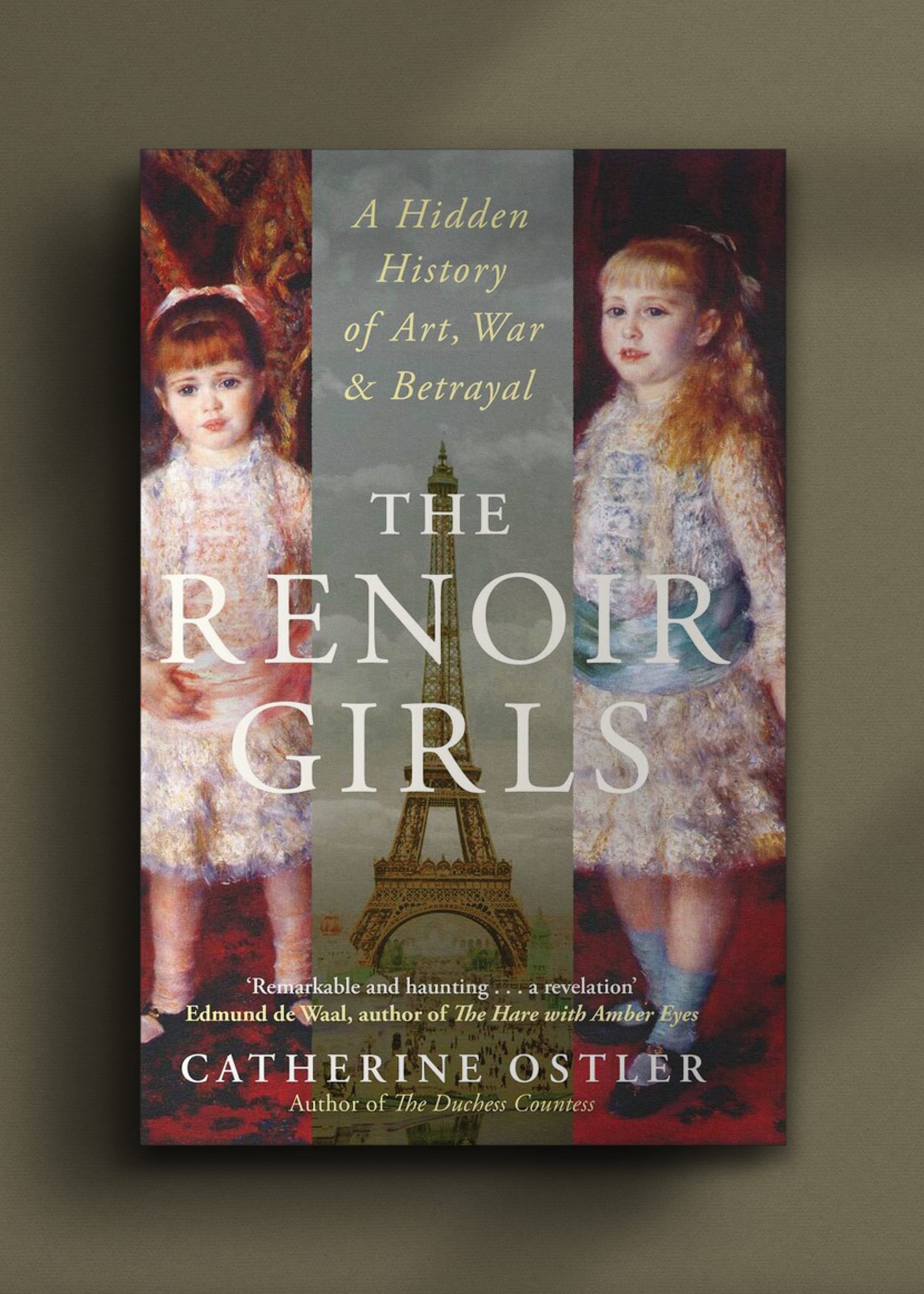
The Renoir Girls: A Hidden History of Art, War & Betrayal by Catherine Ostler
Simon & Schuster, 9 April 2026
The historical period behind the formation of the Jewish Bund (above) is the one that takes centre stage at the beginning of Catherine Ostler's haunting The Renoir Girls. La Belle Époque, the era that began following the Franco-Prussian War of 1870–1, is generally regarded as time of great elegance and cultural splendour. But, as Osler points out, it was simultaneously a time of nervousness, of resentment, of division.
Ostler's admirably crafted book recounts the stories of three young girls who grew up in this time. One of them, Irene Cahen d’Anvers, was painted by Renoir in around 1880 aged eight. A year later the great impressionist produced his touching joint portrait, simply titled Pink and Blue, that captured Alice and Elisabeth Cahen d’Anvers when they were just six and five.
Renoir's paintings were firmly of their time. But for Osler they are just a starting point as she traces the fortunes of these three girls forward through the years of prosperity and prejudice towards the betrayals and persecutions that awaited them in the twentieth century.
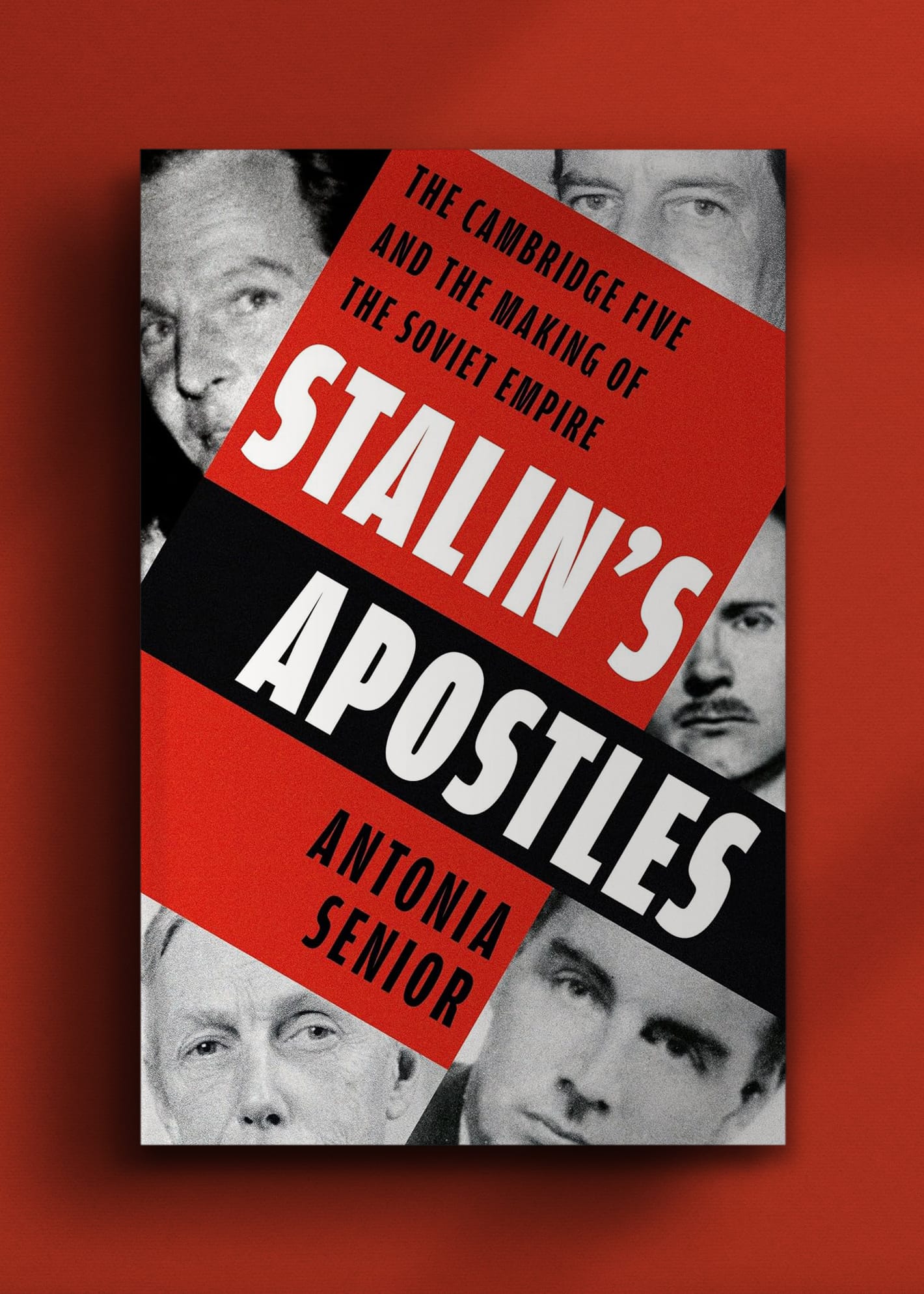
Stalin's Apostles: The Cambridge Five and the Making of the Soviet Empire by Antonia Senior
Hodder, 9 April 2026
In the 1930s, as the Fascists rose in violent splendour in Europe, Trinity College in Cambridge was an overlooked source of danger. But it was here, at the noble old home of Sir Isaac Newton, that the nucleus of that infamous network of Soviet spies – including Kim Philby, Guy Burgess, John Cairncross and Anthony Blunt – first met and fell into league.
Much has been written about the 'Cambridge Five' (the other one, Donald Maclean, was at Trinity) over the past few decades, with their collective actions now being widely judged as one of the great betrayals of the last century. Often the emphasis rests on the tantalising question: what drove these establishment figures into Soviet hands?
Senior's book has a slightly different focus. She examines the long arc of this story, which extends through World War Two into the Cold War years, when the West and the Soviet Union directly confronted one another.
In Stalin's Apostles, Senior shows how effective these Cambridge spies were. She then follows each of their stories forward, through the various moments of detection and exposure later in the century. This is a twentieth century thriller, superbly researched, when very much was at stake.
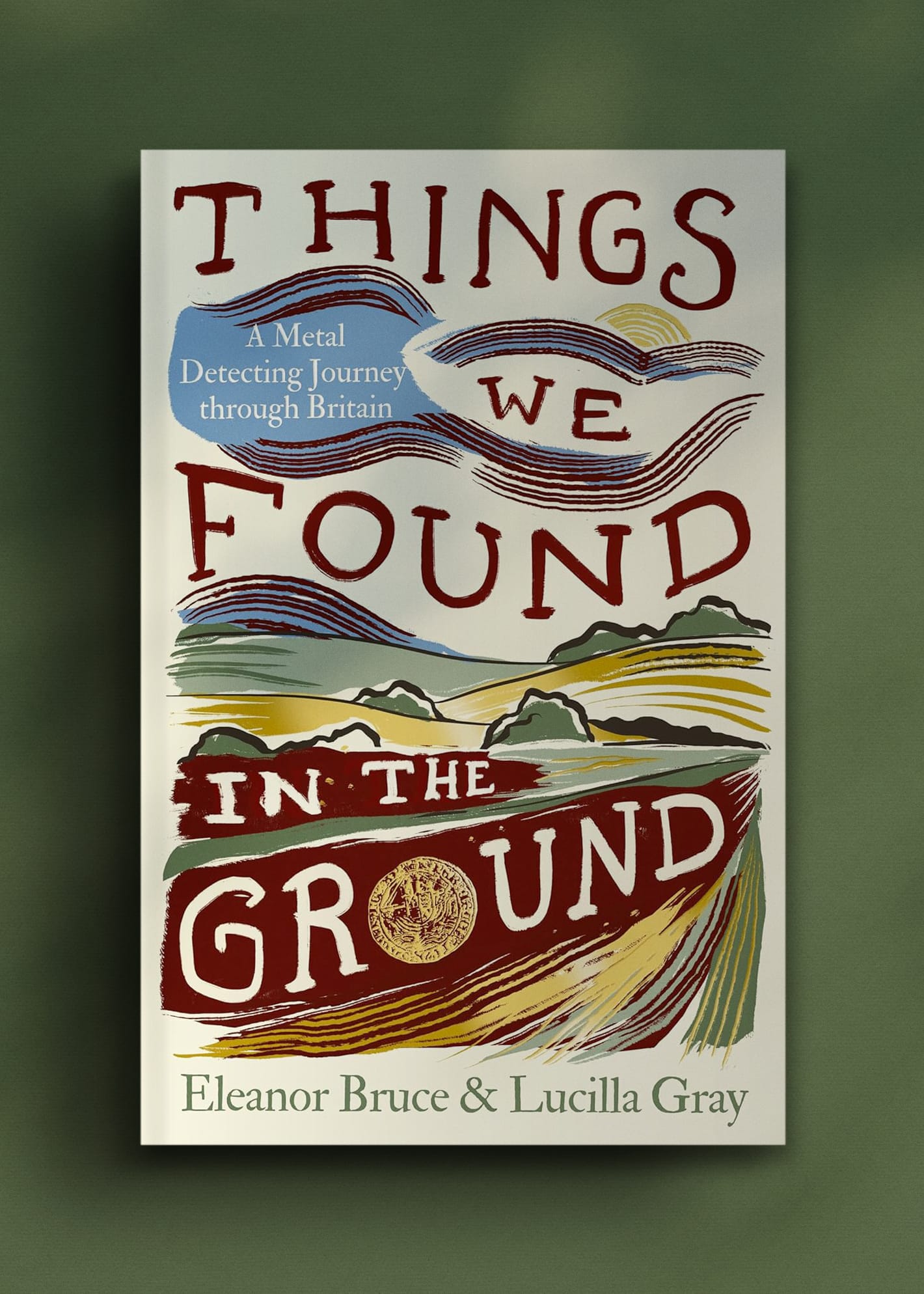
Things We Found in the Ground: A Metal Detecting Journey Through Britain by Eleanor Bruce and Lucilla Gray
Harper North, 9 April 2026
It seems somewhat discordant to begin this preview of a book as unfussy as Things We Found In The Ground with a weighty quote by the historian GM Trevelyan. But his unforgettable words about 'the poetry of history' are appropriate ones for the metal detector who are as able as an academic at summoning the ghosts out of the landscape around us.
There's an irresistible charm to this passionate book, which is a book of kinship, of curiosity and of magic. It tells the story of two cousins Eleanor and Lucilla who by chance discover they share a hobby of hunting around the landscape for buried artefacts. The story activates from there, as the two of them set out to investigate a Lincolnshire landscape where many a concealed object lies hidden underfoot – some treasures, some not.
Like Lara Maiklem's recent book on mudlarking, Things We Found In the Ground, is a book to charm and inspire and perhaps get you out into the open air yourself. An invigorating book for spring.

Radicals: The Working Classes and the Making of Modern Britain by Geoff Andrews
Yale University Press, 14 April 2026
A century ago the political Left in Great Britain was teeming with ideas and intent. At its extremes it was capable of generating figures like the Cambridge Five (see Stalin's Apostles above) while Ramsey MacDonald's youthful Labour Party were agitating for more of the kind of social reforms that had already brought women the vote, improved working conditions for millions and seeded an autodidact tradition in adult education.
These are stirring achievements to reflect upon, at a time when the relationship between the Labour Party and the traditional working classes seems broken beyond repair. Charting the story in this excellently researched study is Geoff Andrews, a biographer and historian who has worked in adult education for many years.
Radicals is a stirring book that brings back into view forgotten figures like Thomas Wright, the 'journeyman engineer' whose Victorian era commentaries on working class life shaped the society in which he lived. For many on the Left, this will be a necessary and revitalising work.
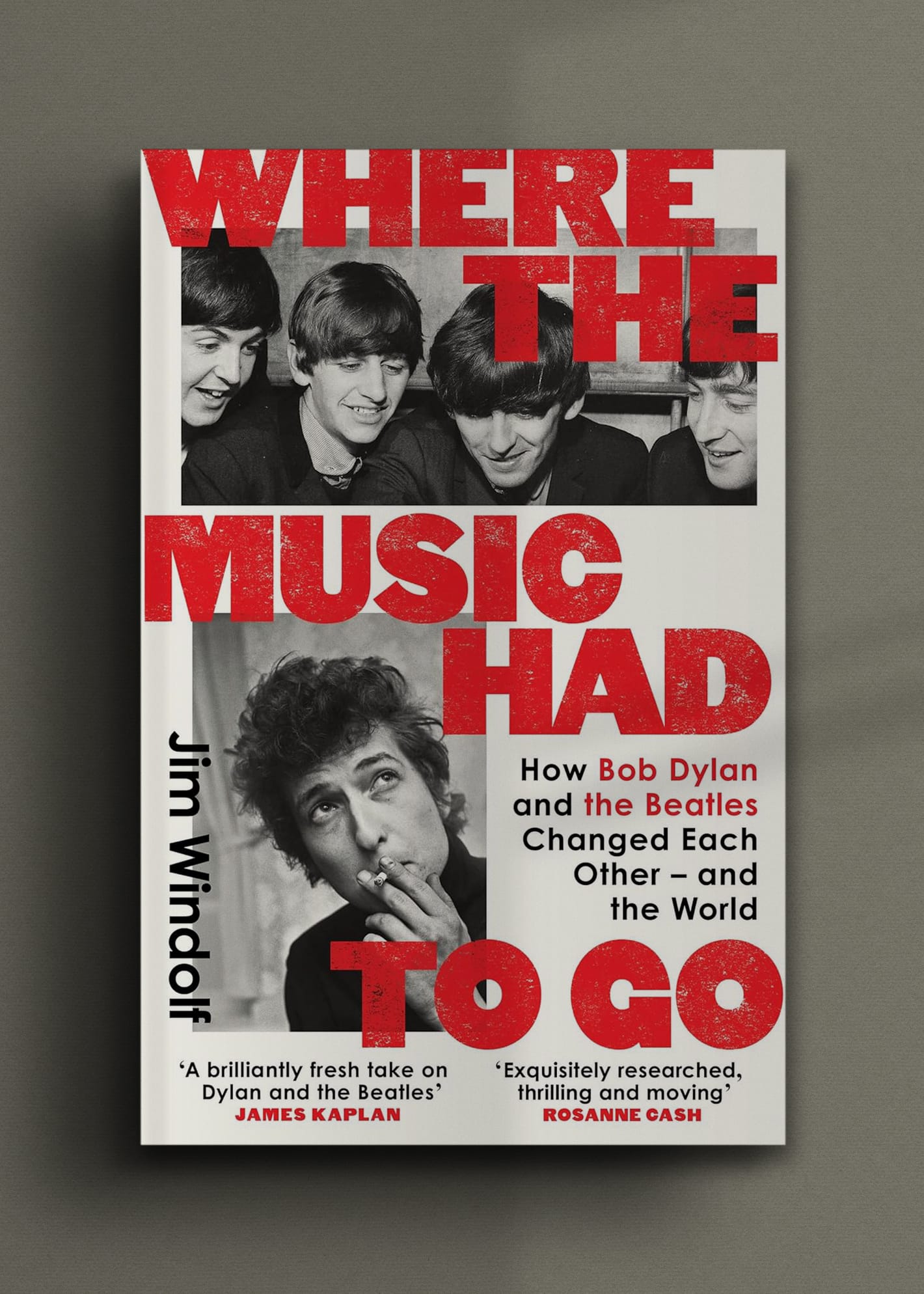
Where the Music Had To Go: How Bob Dyland and the Beatles Changed Each Other – And the World by Jim Windolf
White Rabbit, 16 April 2026
We can all conjure in our mind's eye the picture of those early Beatles tours to the US: the Ed Sullivan shows, the delirium of the screaming girls, those goofy press conferences. While all this was happening thrillingly at the centre of the stage, in the wings the lads from Liverpool were quietly beginning a relationship with that other Sixties phenomenon. Bob Dylan.
The story of this relationship is told here in Where The Music Had To Go by the New York Times journalist Jim Windolf. He explains that Dylan was often there during those famous US tours, partying with Lennon in fancy hotels and handing them advance copies of Highway 61 Revisited.
Paul McCartney has often spoken about the stimulating rivalry he had with US artists like Dylan or Brian Wilson. But it's George Harrison's link with Dylan that most intrigues in this engrossing book. By 1968 the two of them were firm friends and musical collaborators. All Things Must Pass was written at Dylan's house one Thanksgiving and those who watch the Get Back documentary the closest will see that, for some parts of those sessions, Harrison is lost of Dylan's songs.
Here is a gripping story about creativity and competition in the golden age of popular music.
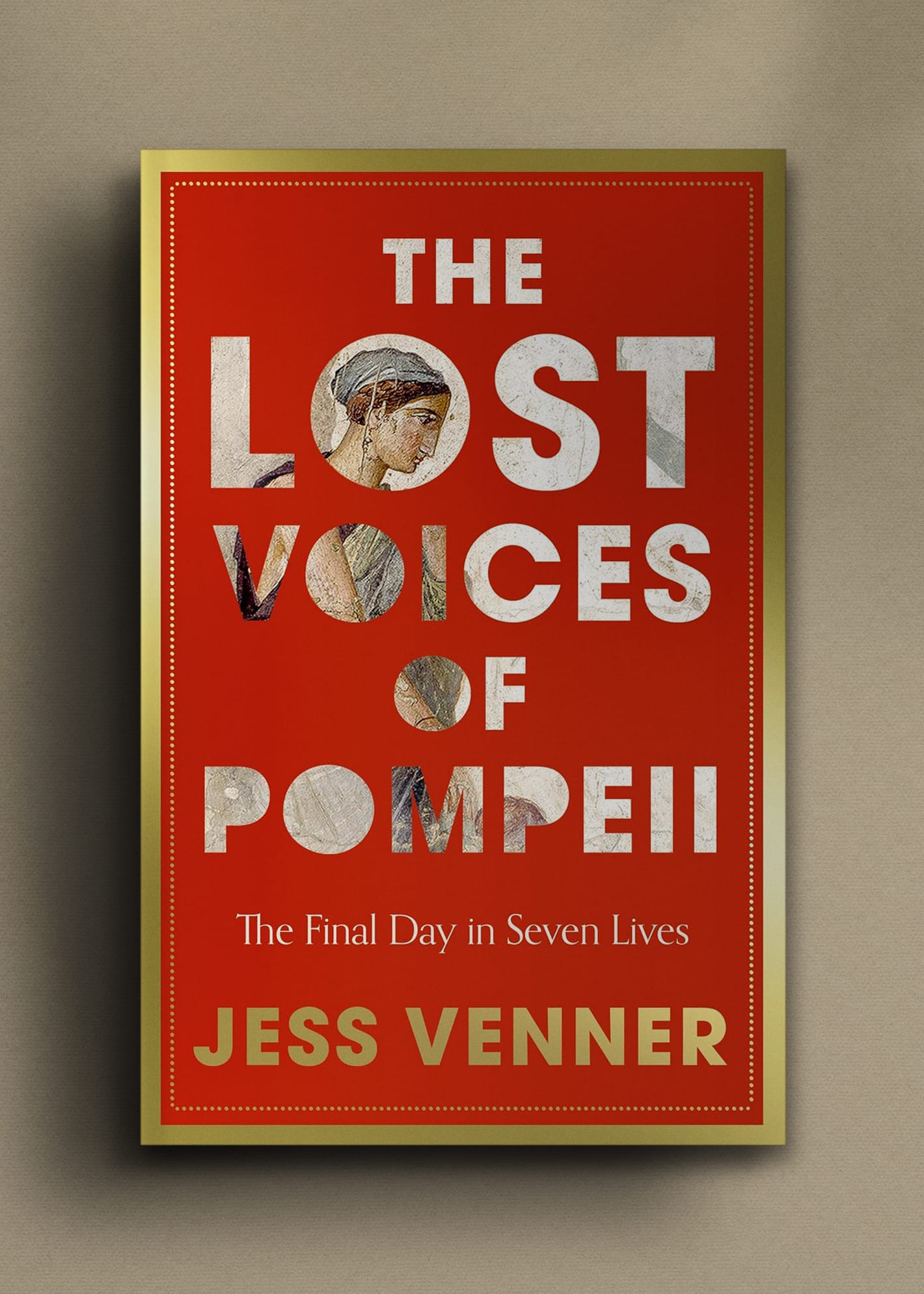
The Lost Voices of Pompeii: The Final Day in Seven Lives by Jess Venner
Mudlark, 23 April 2026
The end of the month brings this enticing debut from Jess Venner, a scholar of Roman history at the University of Oxford who has found a wide audience for her work through her Instagram account, marvellously titled lifeinthepastlane_.
Her subject is a dramatic one. Pompeii, as everyone knows, was one of the great victims of the catastrophic eruption of Mount Vesuvius in 79 AD. Commonly remembered in terms of its destruction, Venner sets out to do here very much what Robert Harris did in his novel Pompeii, which is to draw our attention to the Roman city as it lived in the most vivid way possible.
Neatly delineated in seven stories, Venner's narrative is infused with the eerie foreboding that comes from our knowledge of what is about to happen. Keeping that in mind we watch characters like Euxinius, owner of an inn near to the amphitheatre, carrying blithely on with life just as it is about to end.
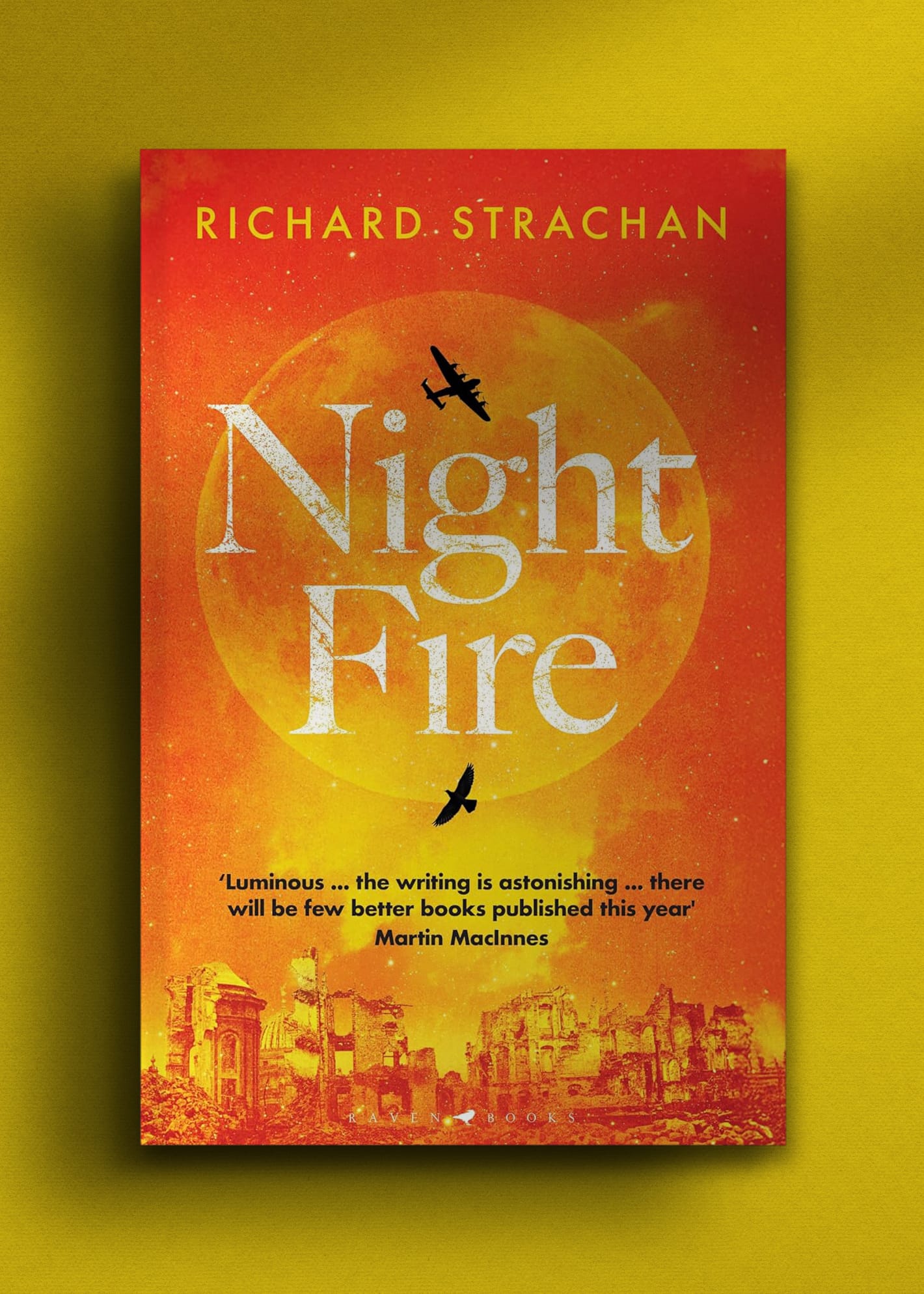
Night Fire by Richard Strachan
Raven Books, 23 April 2026
Richard Strachan's Night Fire slips into our list of April titles as the lone historical novel. But for those of you looking for an immersive, tenderly written work of fiction, this is a superb choice.
Opening in that bitter year of World War Two, 1943, Strahan's tale is rooted in the experiences of a series of characters working at an RAF base in Lincolnshire. Among these are Stanley Wake whose life as a crew member on a Lancaster Bomber is haunted by the prospect of a likely death. Counterbalancing this is the anguished existence of Abby Sallow, a salvage worker for whom life has become an ordeal to be tolerated.
This setting is immediately compelling but what charges the book with power is the visceral quality of Strachan's prose. His descriptions of terrifying flights over the Ruhr and back again through 'Flack Alley' capture the grim reality of that war in memorable style.
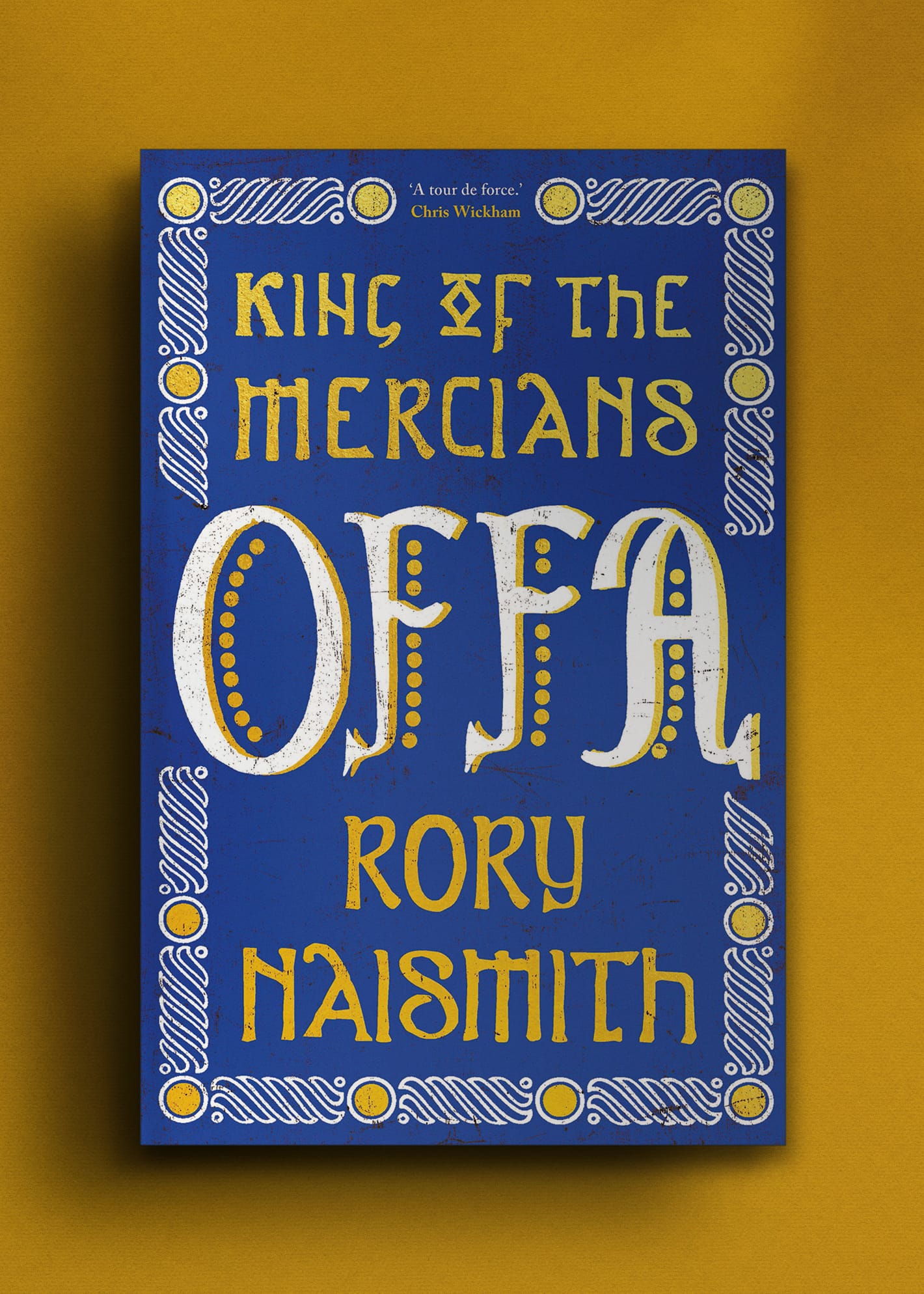
Offa: King of the Mercians by Rory Naismith
Yale University Press, 28 April 2026
For this month's masterclass in writing in the dark, there's nowhere better to turn than Rory Naismith's Offa: King of the Mercians. This is a stirring title about an historical figure of which little can be said with certainty. Where was he born? Where was he buried? Was he called Offa at all? Such questions cannot be met with a blunt answer.
And yet this man certainly ruled over a vast portion of what is today called the Midlands, building (most famously) a formidable earthwork to protect his western flank. His reign, too, lasted longer than that of his rival, King Alfred, in Wessex. In this new biography Rory Naismith, a professor at Cambridge, makes the case that Offa was more than a sideshow. Indeed, he played a fundamental part in the country that was poised to emerge.
As last month's previews demonstrated, there is an interest at the moment in the early history of these isles. Here one of the key characters in that story is given maximum attention as his biography is artfully assembled from the fragments that remain.
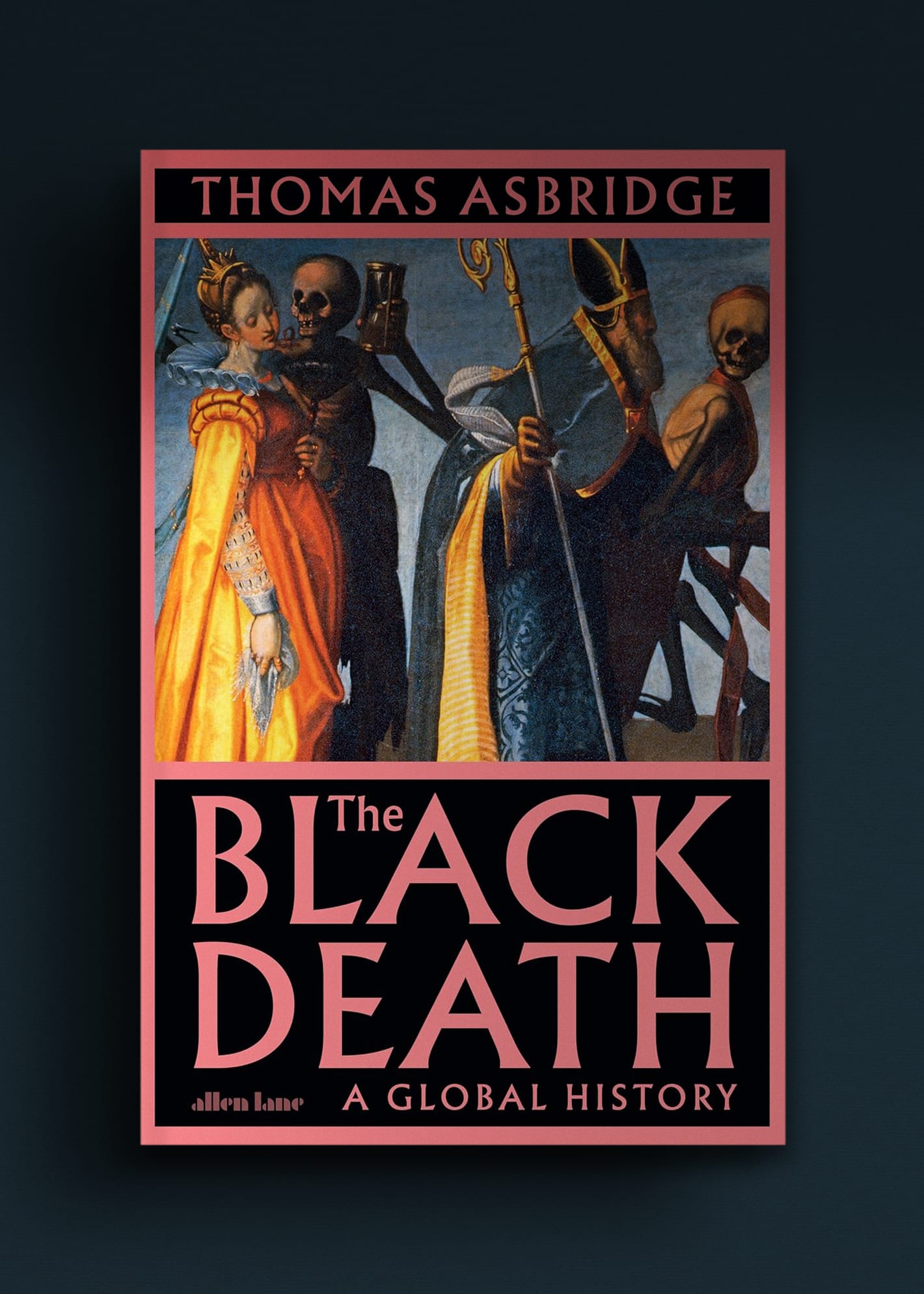
The Black Death: A Global History by Thomas Asbridge
Allen Lane, 30 April 2026
The last of our monthly titles is one the most anticipated history books of spring. Thomas Ashbridge is an academic at Queen Mary, University of London, known for his studies of the Age of Chivalry and the Crusades. Now he returns with a bleaker subject from this same era. The Black Death, 'one of the most catastrophic events in human history'.
Ashbridge's focus is not localised to England, or even to Europe where Petrarch famously contended with the unfolding disaster. Instead he portrays the event as a colossal global disaster, similar in scope and far worse in reality than the Covid–19 epidemic. One area to be particularly affected, he explains, was the old Islamic World.
In books like this we can recall how fragile our existences are. And for readers who are looking for a sweeping history book that offers them an escape from the tawdry politics of our time, this elegantly constructed global study certainly fits the bill.
📸 Dive into our Features
🎤 Read Interviews
🎧 Listen to Podcasts
🖼️ Buy fine art prints & more at our Store


