
Mad Tom's Rising with Ian Breckon
The author Ian Breckon recalls one of the most peculiar revolts in English history


In May 1838 a fanatical rising took place in the woodlands of Kent. Led by a man calling himself 'Sir William Courtenay', supposedly a 'Knight of Malta' and a 'King of Jerusalem', the episode ended in shocking circumstances.
Ian Breckon is the author of a new history of this event – one that was remembered by many as 'Mad Tom's Rising'. Strange and extraordinary as it was, Breckon explains that this curious little rebellion was very much the product of a distinctive historical moment.
Questions by Peter Moore

Unseen Histories
While a teenager you stumbled across the story of ‘the strange events’ in Bossenden Wood, Kent, in a magazine article. Can you explain what these were?
Ian Breckon
The article was about an uprising in 1838 led by a chameleonic impostor who called himself Sir William Courtenay, who had gathered a following from among the local labouring people.
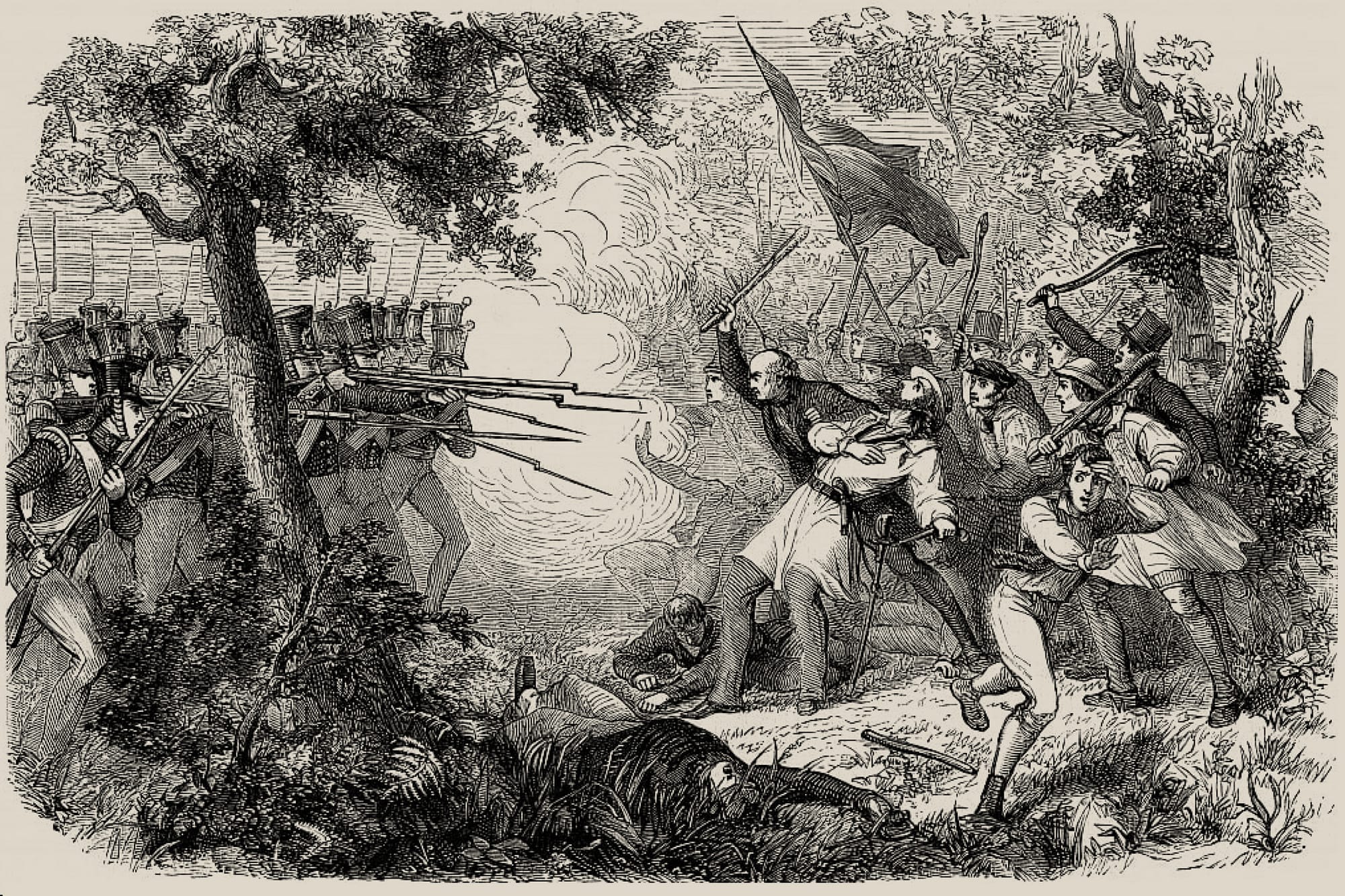
In reality his name was John Nicholls Tom, and he had recently been discharged from a lunatic asylum, but he claimed to be the reincarnation of Jesus Christ, the miracle-working Saviour of the World, come to bring the Day of Judgement.
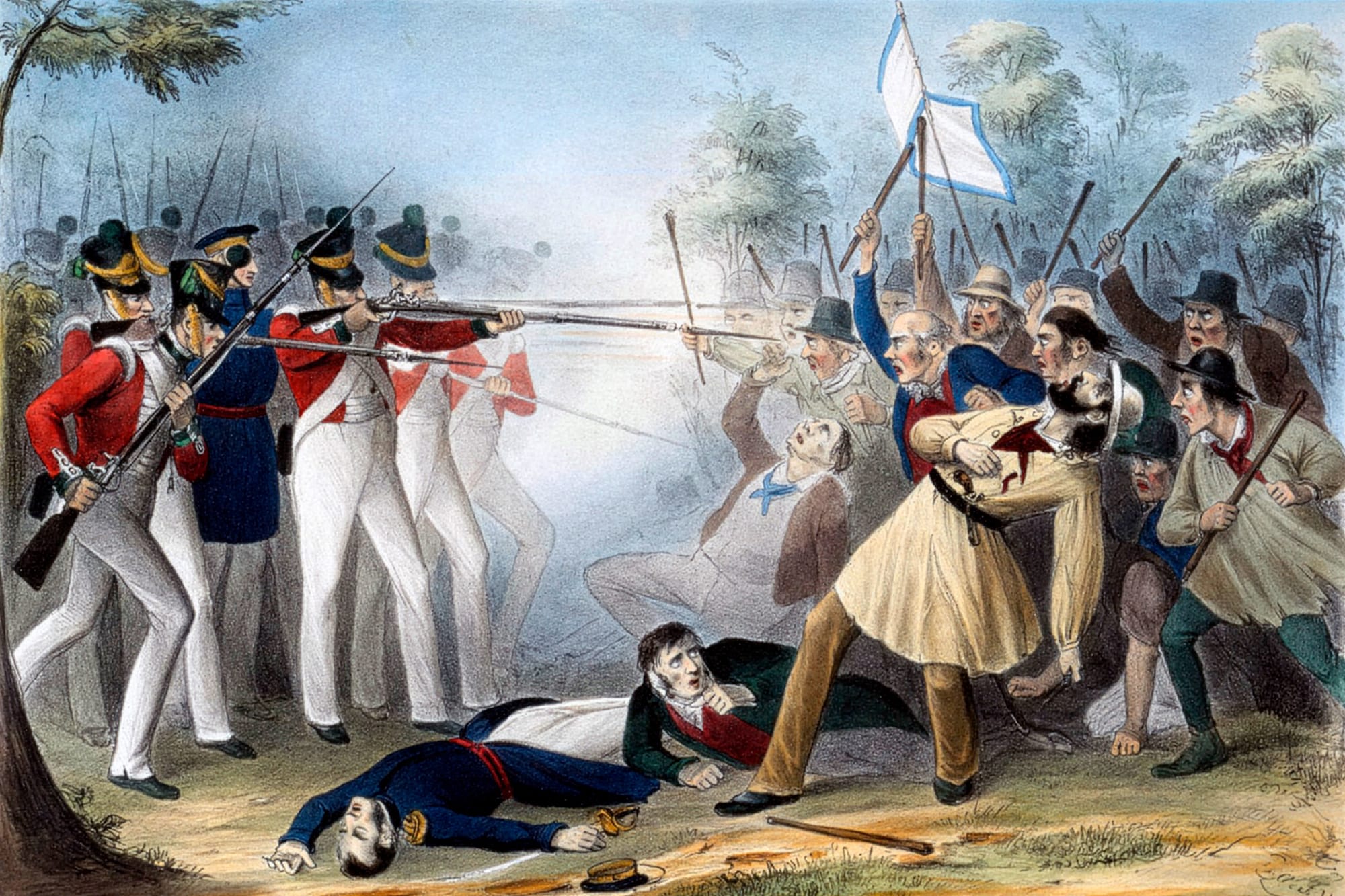
Surprisingly, a large number of people followed him in his subsequent revolt, and when the forces of law and order finally deployed troops against 'Sir William' and his band, some even gave their lives for him in what later became known as the last battle fought on English soil.
Unseen Histories
The Kentish countryside is very present in your story. Can you describe whereabouts your plot takes place and what the significance of the landscape is?
Ian Breckon
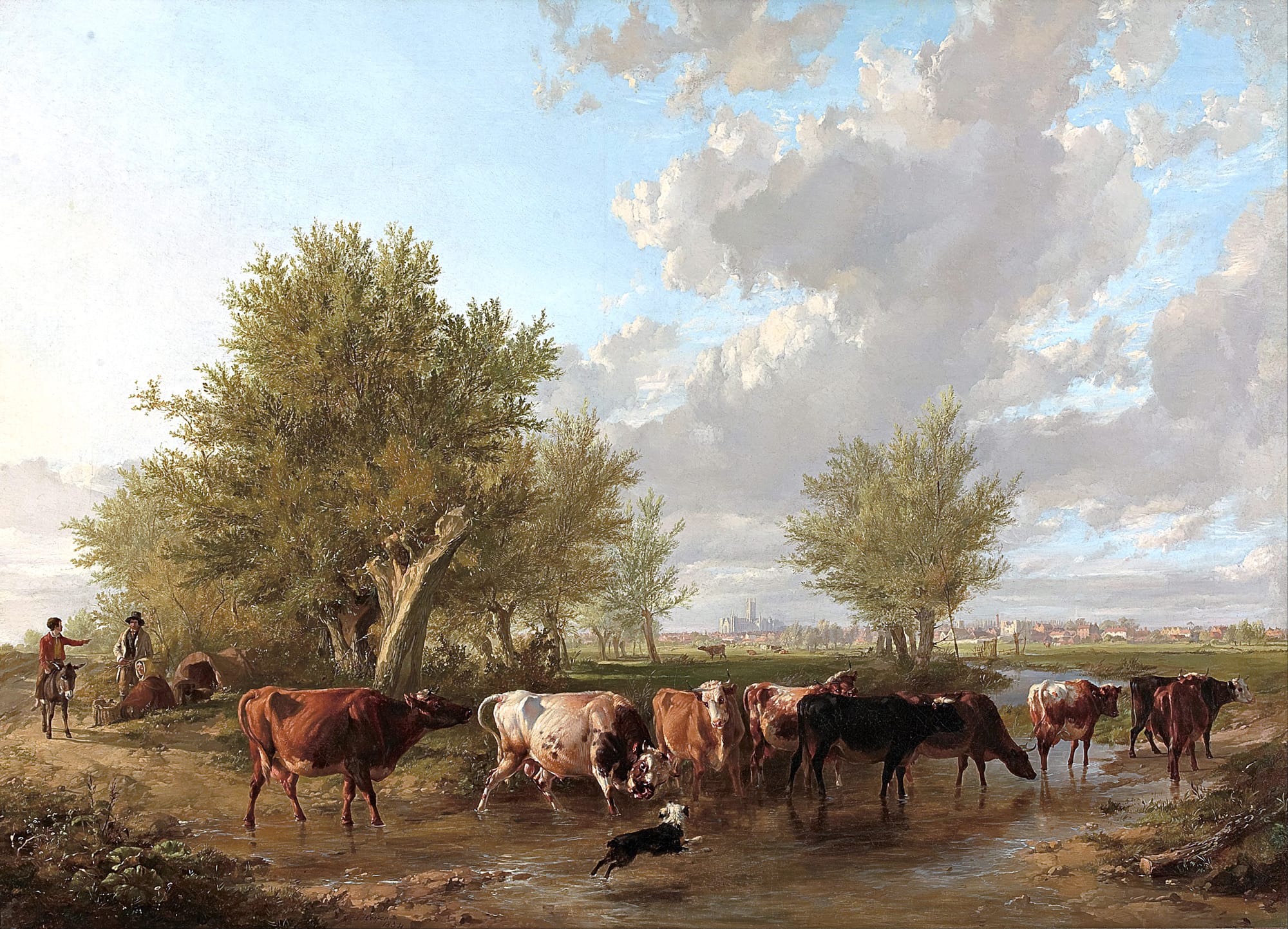
The events I describe in the book mainly took place in north-eastern Kent, between Canterbury and Faversham, in a region known as the Blean. This was an ancient forest, and is still heavily wooded today.
The area called Bossenden Wood, where John Nicholls Tom based himself in the days leading up to his revolt, lay outside the parish boundaries in the 1830s and had long been associated with smugglers, poachers and those on the wrong side of the law.
It's mostly a coppice woodland, and has been for centuries. The villages that lie to the west of the Blean – Dunkirk, Hernhill and Boughton – formed the heartland of Sir William’s support.
Canterbury, to the east of the Blean ridge, was the site of John Tom's first appearance in his guise as Sir William Courtenay in 1832, and was later the garrison of the military detachment who would march out to confront him in Bossenden Wood.
Unseen Histories
Your central protagonist is known in shorthand as ‘Mad Tom’, although this was just one of a number of aliases. Was establishing his biography one of your central objectives? How much were you able to find out?
Ian Breckon
His biography is actually quite well established, although confused by later fictions and the man’s own personal myth-making!
He was born in Cornwall in 1799, and lived in Truro as a wine merchant for most of his life. Only after his disappearance from his family home early in 1832 do things become hard to disentangle. There’s an obscure period of several months before he reappears in Canterbury with a new name, a new appearance and apparently quite a different personality.
What caused the change in him remains unclear too, but in the book I suggest that he became effectively possessed by a fictional character that he had created, a sort of superhero figure that came to erase his previous identity completely.
My main interest lay in the effect that he had on those around him, and the turmoil he caused, rather than the man himself. The real John Nicholls Tom will always remain an enigma!
Unseen Histories
The confrontation in the woodland happened at a loaded time in British history. Traditionally we are used to thinking of the nineteenth century as a time of confidence and progress, but you instead describe it as ‘nervous and fragile’. Can you explain why?
Ian Breckon
Tom’s revolt was in May 1838, in the first year of the reign of Queen Victoria, but it had its roots in the long and disturbed decade that preceded it.
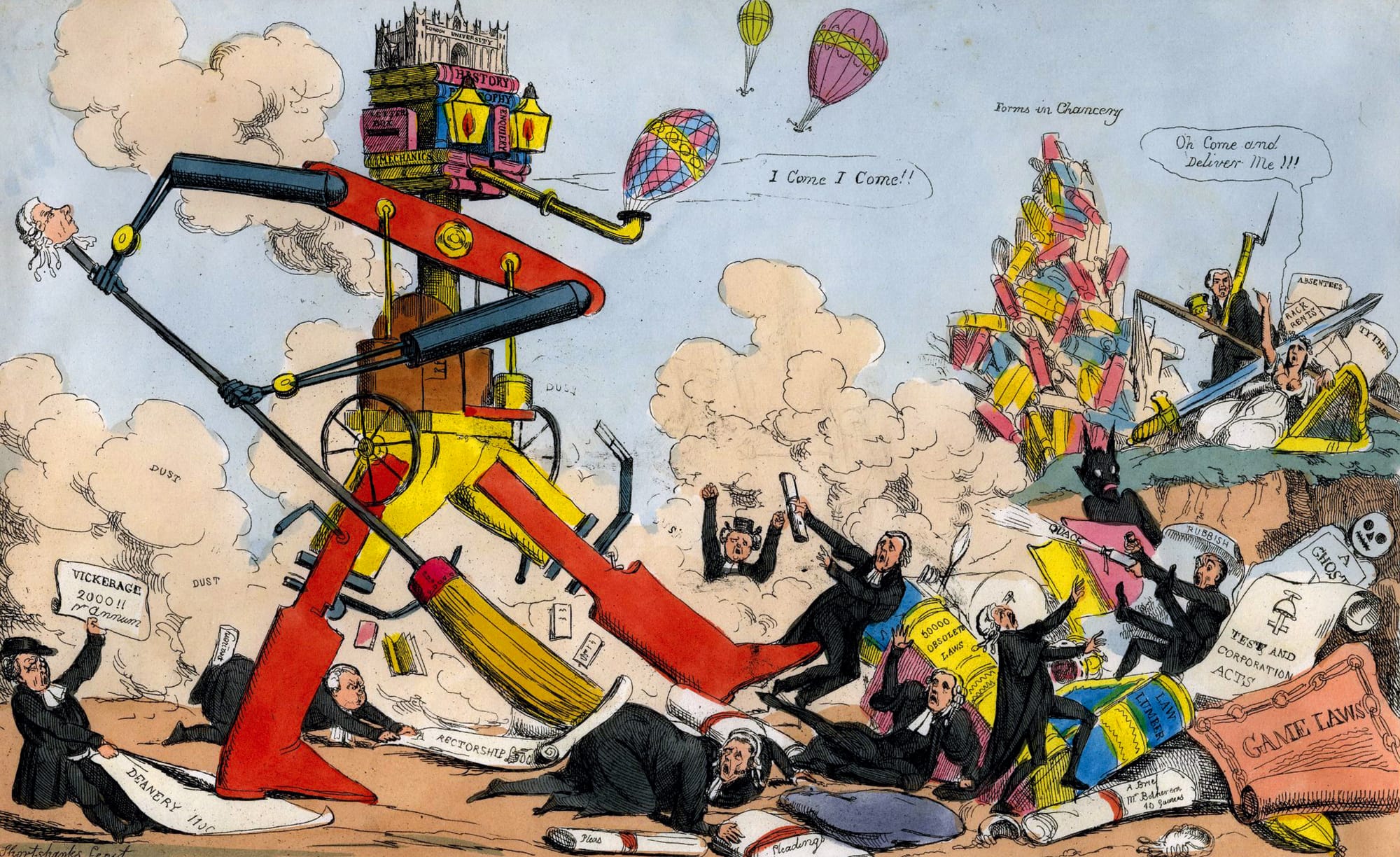
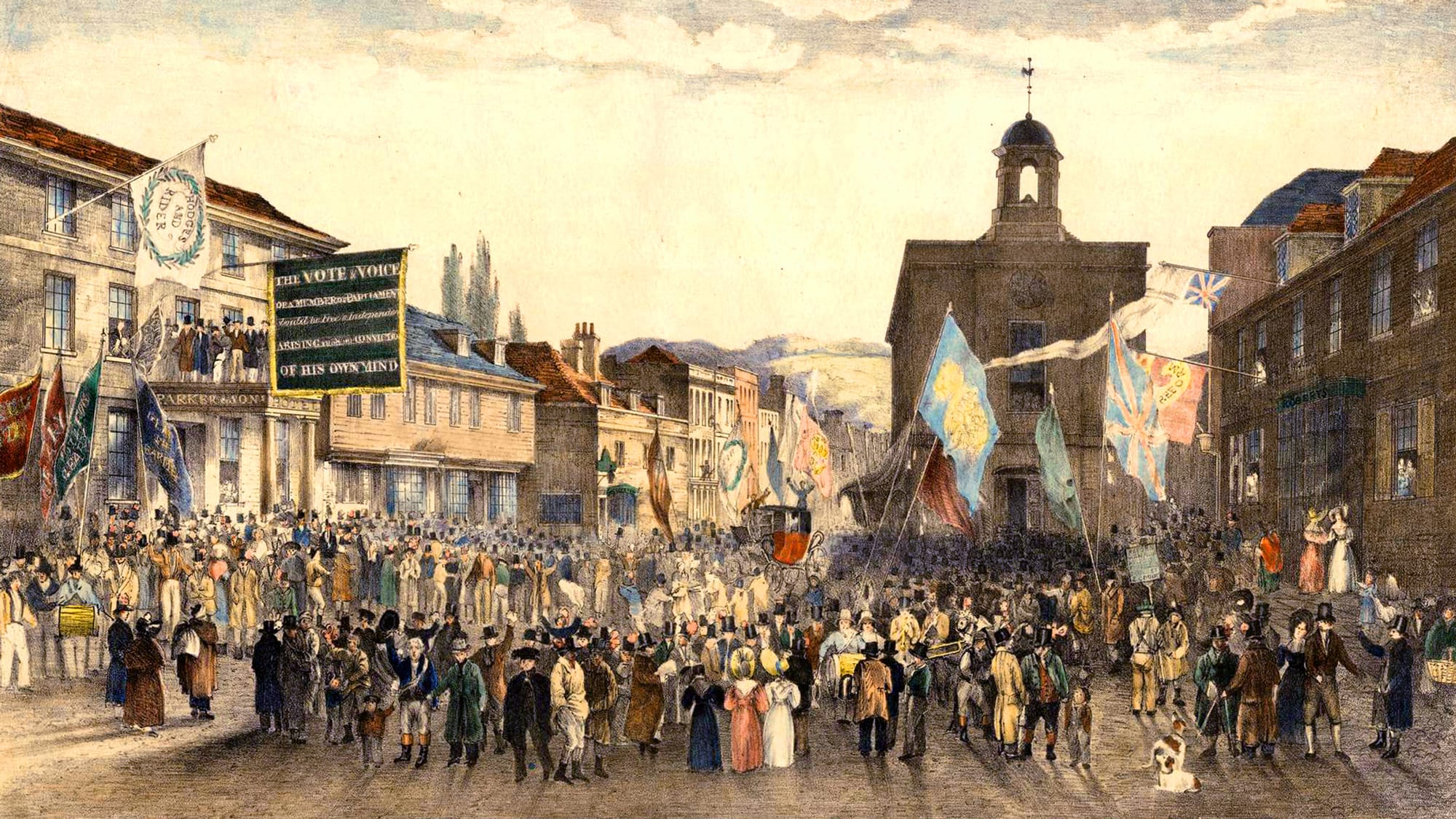
The 1830s were a time of extraordinary turmoil in England, the era of the Reform Act, when many feared a revolution similar to the one occurring in France at the same time. Since the end of the Napoleonic wars, wages among the rural population had been falling and employment growing scarcer.
In 1830 gangs of working people roamed Kent destroying machines, burning hayricks and threatening farmers. Five years later there was further violence as the government introduced the New Poor Law, aimed at reducing 'pauperism' in poorer communities and replacing hardship relief with workhouse labour.
For those in the farming districts of England, these new regulations threatened their communities and their traditional way of life, and contributed to a sense of crisis and despair. While John Tom himself may have been mentally disturbed and delusional, those who followed him were not, and their grievances were real enough.
Unseen Histories
One of the lures of stories like this is that they generate a huge amount of documentary evidence that enables social history. Were you able to access much primary source material during your research?
Ian Breckon
There is a rich trove of original material relating to these events, much of it now in the public domain, including very detailed newspaper reports compiled in the immediate aftermath, transcripts of the trials of Tom’s surviving followers, and of the Parliamentary Enquiry that followed.
We also have all the issues of ‘The Lion’, a pamphlet newspaper composed by Tom himself shortly before he was imprisoned for perjury and then sent to an asylum.
I found the most interesting and compelling evidence to come from figures on the margins of the action: the letters of the magistrate Norton Knatchbull to his father describing what had happened, for example, or the handwritten account left by the local vicar, Charles Handley.
I also came across a huge surveyor’s plan from 1827 of the district of Dunkirk, showing Bossenden Wood and the surrounding villages, fields and paths in intricate detail, that allowed me to plot the events of the story much more clearly in geographical space.
Unseen Histories
Britain of the 1830s is remembered as a place of political transition with the Reform Act and the Poor Law. You point out, too, that it was a time of religious division too. How so?
Ian Breckon
Britain was undergoing a religious revival in the early decades of the nineteenth century, as the established Church of England lost its monopoly on belief and ideas that seem very strange to us today gained much greater credibility.
One of these was Millenarianism - the belief in the imminent Second Coming of Christ and the end of the world. Even many mainstream Christians held to such views, although there was considerable debate and disagreement about the details!
John Nicholls Tom, however, was able to use this idea as part of his appeal to the labouring people of Dunkirk and Hernhill, moulding it into a new and violently revolutionary form.
Unseen Histories
The idea of ‘madness’ plays an active role in your story. Can you explain how British society was treating those suffering from mental illnesses during the 1830s?
Ian Breckon
Obviously we have quite different ideas about mental illness today to those prevailing in the 1830s, but things were changing even then. 'Madness' was no longer considered a permanent state, but rather a medical condition that could be treated and even cured.
The new asylum at Maidstone, in which John Tom was held in 1833, while it might seem a grim and oppressive place to us today, was at the time considered a humane improvement on what had gone before. Nevertheless, the treatment of patients there was still very primitive, and in many ways very harsh.
Tom seems to have had a relatively easy time of it, as the asylum superintendent apparently considered him a person of note, and an interesting case for study!
Unseen Histories
How is the story you tell in ‘Mad Tom’s Rising’ recalled in local memory? Do people who live in places like Dunkirk or Hernhill remember it at all?
Ian Breckon
While I was initially researching the book, I met almost nobody that had heard of John Nicholls Tom, so I was surprised, when I first visited Dunkirk, Boughton and Hernhill, to discover that everyone I met seemed to know of him, and of the revolt in 1838.
Local people told me that the ‘affray’, as it was known at the time, was considered a contentious and even embarrassing subject for many years afterwards, and few liked to speak of it.
More recently, however, things have changed, and today many people in the district consider John Tom either a champion of the common people or a fabulously colourful monster; even those that do not still remember those who died in the battle.
Only last year a new marker stone was placed at the site of the final clash, and this year a permanent memorial will be unveiled in the churchyard in Hernhill, where John Tom and eight of his followers have lain for over 180 years in unmarked graves •
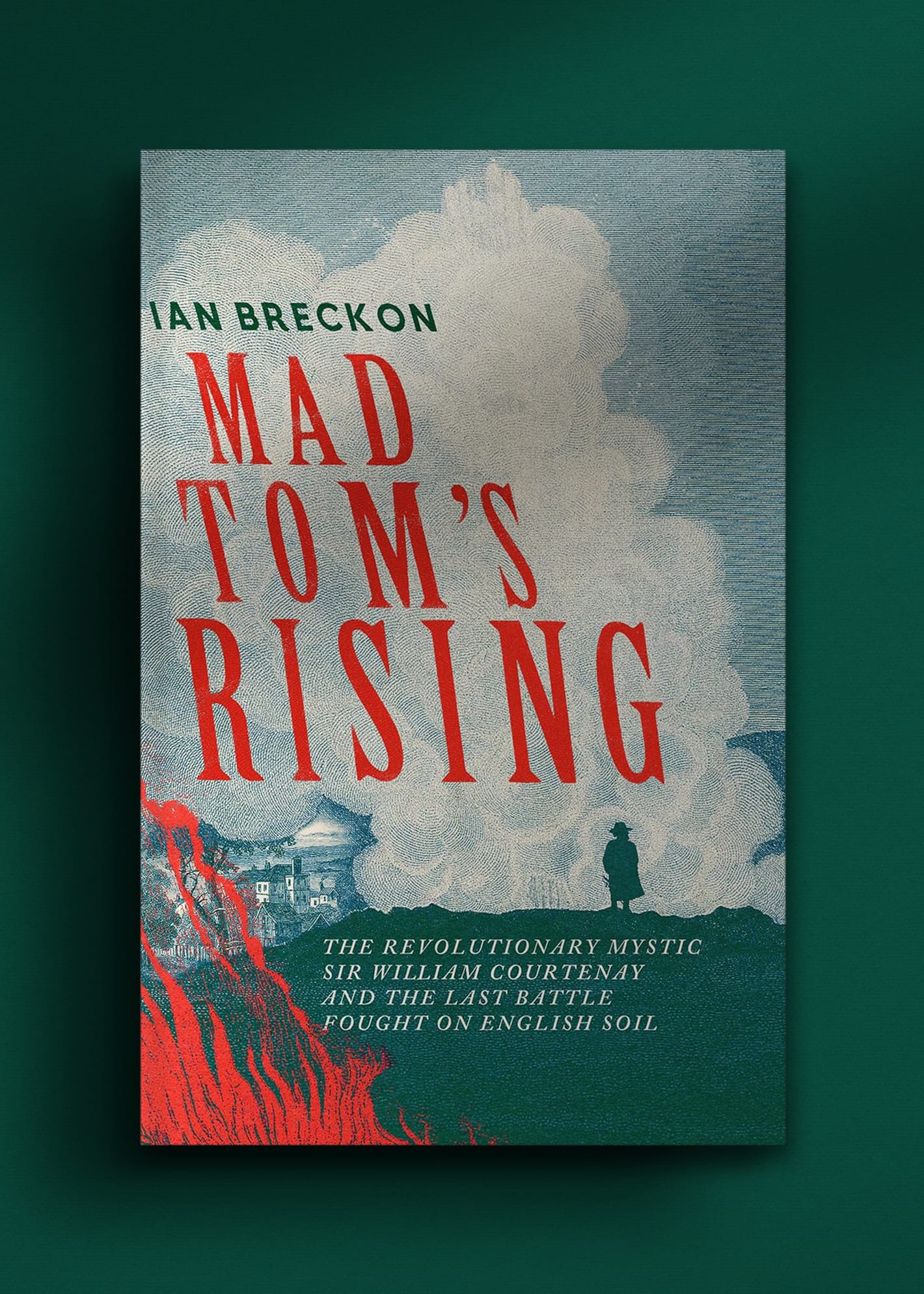
Mad Tom's Rising: The Revolutionary Mystic Sir William Courtenay and the Last Battle Fought on English Soil
Icon, 12 February 2025
RRP: £20 | ISBN: 978-1837732289
A story of faith, fanaticism and the uncanny power of the imagination.
The dawn of the Victorian era: the world is changing rapidly. Poverty and the workhouse cast long shadows across rural England, and a traditional way of life is coming to an end.
In the villages and fields of Kent, the discontented find an unlikely champion in John Nicholls Tom. Calling himself 'Sir William Courtenay', he appears to the local magistrates and gentry as a madman, a charlatan, or a dangerous radical. But for the labouring people he is the New Messiah, come to lead them in a revolt against the forces of oppression, and to herald the end of the world.
In May 1838 Tom's crusade ignites into bloody violence. The confrontation that follows will shock the country and become known as the last battle ever fought on English soil.
Mad Tom's Rising presents an alternative vision of early Victorian England as a place of mystical religious faith, riot and disturbance, surveillance and insecurity, arson and uproar. Drawing on original sources, it reconstructs the strange and astonishing events of that time, and the lives and experiences of those forever marked by them.
With thanks to Elle-Jay Christodoulou.
📸 Dive into our Features
🎤 Read Interviews
🎧 Listen to Podcasts
🖼️ Buy fine art prints & more at our Store



